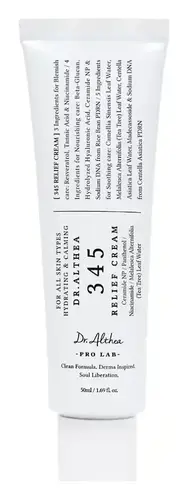
This glycolic acid cream cleanser is formulated around Glycolic Acid to exfoliate and smooth skin.
This brightening moisturizer is formulated around Panthenol and Niacinamide to brighten dull-looking skin and hydrate skin.

What's inside
What's inside
 Key Ingredients
Benefits
Concerns
Ingredients Side-by-side
Glycerin
Humectant


Water
Skin ConditioningMyristic Acid
Cleansing



Stearic Acid
Cleansing
Potassium Hydroxide
BufferingNiacinamide
Smoothing









Potassium Cocoyl Glycinate
Surfactant
Potassium Cocoate
Emulsifying
Lauric Acid
Cleansing
Cocamidopropyl Betaine
Cleansing
Sodium Chloride
MaskingGlyceryl Stearate Se
Emulsifying
Polyquaternium-7
Sodium Benzoate
Masking
Diglycerin
Humectant
Sorbitol
Humectant
Palmitic Acid
Emollient
Hippophae Rhamnoides Oil
Emollient
Sorbitan Olivate
Emulsifying
Sodium Polyacrylate
Absorbent
Allantoin
Skin Conditioning
Rosmarinus Officinalis Leaf Oil
Masking
Cedrus Deodara Wood Oil
Masking
Xanthan Gum
EmulsifyingTetrasodium EDTA
Acrylates/C10-30 Alkyl Acrylate Crosspolymer
Emulsion StabilisingCaprylyl Glycol
Emollient
Cellulose Gum
Emulsion StabilisingLitsea Cubeba Fruit Oil
Masking

Panthenol
Skin Conditioning
Cyanocobalamin
Skin ConditioningKojic Acid
Antioxidant

Curcuma Longa Root Extract
Antioxidant
Butyrospermum Parkii Butter
Skin Conditioning
Salicylic Acid
Masking
Ascorbic Acid
Antioxidant
Gluconolactone
Skin Conditioning
Capryloyl Salicylic Acid
Exfoliating
Glycine Soja Oil
Emollient
Retinol
Skin Conditioning
BHT
Antioxidant
Glycolic Acid
Buffering
Tocopherol
Antioxidant
Butylene Glycol
Humectant
1,2-Hexanediol
Skin Conditioning
Carum Petroselinum Extract
Skin ConditioningCorchorus Olitorius Leaf Extract
Skin ConditioningHibiscus Esculentus Fruit Extract
Skin ConditioningDimethylsilanol Hyaluronate
Humectant
Hydrolyzed Hyaluronic Acid
Humectant
Hydrolyzed Sodium Hyaluronate
Skin Conditioning
Potassium Hyaluronate
Skin ConditioningSodium Hyaluronate
Humectant
Hyaluronic Acid
Humectant
Sodium Hyaluronate Crosspolymer
Humectant
Hydroxypropyltrimonium Hyaluronate
Sodium Hyaluronate Dimethylsilanol
HumectantSodium Acetylated Hyaluronate
Humectant
Pentylene Glycol
Skin Conditioning
Madecassoside
Antioxidant
Decyl Glucoside
Cleansing
Glycerin, Water, Myristic Acid, Stearic Acid, Potassium Hydroxide, Niacinamide, Potassium Cocoyl Glycinate, Potassium Cocoate, Lauric Acid, Cocamidopropyl Betaine, Sodium Chloride, Glyceryl Stearate Se, Polyquaternium-7, Sodium Benzoate, Diglycerin, Sorbitol, Palmitic Acid, Hippophae Rhamnoides Oil, Sorbitan Olivate, Sodium Polyacrylate, Allantoin, Rosmarinus Officinalis Leaf Oil, Cedrus Deodara Wood Oil, Xanthan Gum, Tetrasodium EDTA, Acrylates/C10-30 Alkyl Acrylate Crosspolymer, Caprylyl Glycol, Cellulose Gum, Litsea Cubeba Fruit Oil, Panthenol, Cyanocobalamin, Kojic Acid, Curcuma Longa Root Extract, Butyrospermum Parkii Butter, Salicylic Acid, Ascorbic Acid, Gluconolactone, Capryloyl Salicylic Acid, Glycine Soja Oil, Retinol, BHT, Glycolic Acid, Tocopherol, Butylene Glycol, 1,2-Hexanediol, Carum Petroselinum Extract, Corchorus Olitorius Leaf Extract, Hibiscus Esculentus Fruit Extract, Dimethylsilanol Hyaluronate, Hydrolyzed Hyaluronic Acid, Hydrolyzed Sodium Hyaluronate, Potassium Hyaluronate, Sodium Hyaluronate, Hyaluronic Acid, Sodium Hyaluronate Crosspolymer, Hydroxypropyltrimonium Hyaluronate, Sodium Hyaluronate Dimethylsilanol, Sodium Acetylated Hyaluronate, Pentylene Glycol, Madecassoside, Decyl Glucoside
Water
Skin ConditioningDipropylene Glycol
HumectantGlycerin
Humectant
Methyl Trimethicone
Skin Conditioning
C13-15 Alkane
SolventCoco-Caprylate/Caprate
Emollient
Butylene Glycol
Humectant
1,2-Hexanediol
Skin Conditioning
Caprylic/Capric Triglyceride
Masking
Polymethylsilsesquioxane
Panthenol
Skin Conditioning
Pentaerythrityl Tetraethylhexanoate
Emollient
Phenyl Trimethicone
Skin Conditioning
Carbomer
Emulsion StabilisingLactobacillus/Soybean Ferment Extract
Skin ConditioningPentaerythrityl Tetraisostearate
Emollient
Tromethamine
BufferingPolyglyceryl-10 Stearate
Skin Conditioning
Hydroxyethyl Acrylate/Sodium Acryloyldimethyl Taurate Copolymer
Emulsion StabilisingPolyglyceryl-10 Oleate
Skin Conditioning
Saccharomyces/Potato Extract Ferment Filtrate
Humectant
Acrylates/C10-30 Alkyl Acrylate Crosspolymer
Emulsion StabilisingSaccharomyces/Barley Seed Ferment Filtrate
HumectantNiacinamide
Smoothing
Ammonium Acryloyldimethyltaurate/Vp Copolymer
Trisodium EDTA
Sorbitan Isostearate
Emulsifying
Oryza Sativa Bran Oil
Emollient
Sodium Hyaluronate
Humectant
Pentylene Glycol
Skin Conditioning
Saccharomyces/Rice Ferment Filtrate
Skin Conditioning
Tocopherol
Antioxidant
Hibiscus Sabdariffa Flower Extract
Skin ConditioningEthylhexylglycerin
Skin ConditioningSodium Hyaluronate Crosspolymer
Humectant
Oryza Sativa Extract
Absorbent
Water, Dipropylene Glycol, Glycerin, Methyl Trimethicone, C13-15 Alkane, Coco-Caprylate/Caprate, Butylene Glycol, 1,2-Hexanediol, Caprylic/Capric Triglyceride, Polymethylsilsesquioxane, Panthenol, Pentaerythrityl Tetraethylhexanoate, Phenyl Trimethicone, Carbomer, Lactobacillus/Soybean Ferment Extract, Pentaerythrityl Tetraisostearate, Tromethamine, Polyglyceryl-10 Stearate, Hydroxyethyl Acrylate/Sodium Acryloyldimethyl Taurate Copolymer, Polyglyceryl-10 Oleate, Saccharomyces/Potato Extract Ferment Filtrate, Acrylates/C10-30 Alkyl Acrylate Crosspolymer, Saccharomyces/Barley Seed Ferment Filtrate, Niacinamide, Ammonium Acryloyldimethyltaurate/Vp Copolymer, Trisodium EDTA, Sorbitan Isostearate, Oryza Sativa Bran Oil, Sodium Hyaluronate, Pentylene Glycol, Saccharomyces/Rice Ferment Filtrate, Tocopherol, Hibiscus Sabdariffa Flower Extract, Ethylhexylglycerin, Sodium Hyaluronate Crosspolymer, Oryza Sativa Extract
Ingredients Explained
These ingredients are found in both products.
Ingredients higher up in an ingredient list are typically present in a larger amount.
1,2-Hexanediol is a synthetic liquid and another multi-functional powerhouse.
It is a:
- Humectant, drawing moisture into the skin
- Emollient, helping to soften skin
- Solvent, dispersing and stabilizing formulas
- Preservative booster, enhancing the antimicrobial activity of other preservatives
Acrylates/C10-30 Alkyl Acrylate Crosspolymer is a synthetic polymer. It is used to thicken, emulsify, and improve the texture of products.
As an emulsifier, it helps stabilize oil-in-water emulsions to give products an elegant feel when applied.
It can also form a thin protective film on skin. One study found that a formula using this polymer helped slow down how quickly other ingredients (like DEET) were absorbed through skin.
A 2024 study of over 1,300 patients confirmed that sensitization to this ingredient is rare. It is also non-mutagenic and has a clean track record.
Learn more about Acrylates/C10-30 Alkyl Acrylate CrosspolymerButylene Glycol (or BG) is used within cosmetic products for a few different reasons:
Overall, Butylene Glycol is a safe and well-rounded ingredient that works well with other ingredients.
Though this ingredient works well with most skin types, some people with sensitive skin may experience a reaction such as allergic rashes, closed comedones, or itchiness.
Learn more about Butylene GlycolGlycerin (or glycerol) is a compound naturally found in your skin. It's a powerhouse humectant that pulls water into the stratum corneum.
Topically, glycerin does several things at once:
Your skin makes glycerin on its own (mostly from sebaceous oil breakdown) and shuttles it to your outermost layer of skin, or your epidermis, via aquaporin-3.
Aquaporin-3 is a transporter that is essential for normal skin hydration, elasticity, and repair. Interestingly, mice lacking in AQP3 have dry and less elastic skin that can be fully corrected with glycerin.
This ingredient is non-irritating, plays well with almost every ingredient, and works across all skin types. Typical use is anywhere between 3-10% but can go up to 79% in some leave-on products.
Just know very high concentrations (>40%) can feel tacky in low humidity.
Glycerin is the name for this ingredient in American English. British English uses Glycerol/Glycerine.
Learn more about GlycerinNiacinamide is a multitasking form of vitamin B3 that strengthens the skin barrier, reduces pores and dark spots, regulates oil, and improves signs of aging.
And the best part? It's gentle and well-tolerated by most skin types, including sensitive and reactive skin.
You might have heard of "niacin flush", or the reddening of skin that causes itchiness. Niacinamide has not been found to cause this.
In very rare cases, some individuals may not be able to tolerate niacinamide at all or experience an allergic reaction to it.
If you are experiencing flaking, irritation, and dryness with this ingredient, be sure to double check all your products as this ingredient can be found in all categories of skincare.
When incorporating niacinamide into your routine, look out for concentration amounts. Typically, 5% niacinamide provides benefits such as fading dark spots. However, if you have sensitive skin, it is better to begin with a smaller concentration.
When you apply niacinamide to your skin, your body converts it into nicotinamide adenine dinucleotide (NAD). NAD is an essential coenzyme that is already found in your cells as "fuel" and powers countless biological processes.
In your skin, NAD helps repair cell damage, produce new healthy cells, support collagen production, strengthen the skin barrier, and fight environmental stressors (like UV and pollution).
Our natural NAD levels start to decline with age, leading to slower skin repair, visible aging, and a weaker skin barrier. By providing your skin niacinamide, you're recharging your skin's NAD levels. This leads to stronger, healthier, and younger looking skin.
Another name for vitamin B3 is nicotinamide. This vitamin is water-soluble and our bodies don't store it. We obtain Vitamin B3 from either food or skincare. Meat, fish, wheat, yeast, and leafy greens contain vitamin B3.
The type of niacinamide used in skincare is synthetically created.
Learn more about NiacinamidePanthenol is a common ingredient that helps hydrate and soothe the skin. It is found naturally in our skin and hair.
There are two forms of panthenol: D and L.
D-panthenol is also known as dexpanthenol. Most cosmetics use dexpanthenol or a mixture of D and L-panthenol.
Panthenol is famous due to its ability to go deeper into the skin's layers. Using this ingredient has numerous pros (and no cons):
Like hyaluronic acid, panthenol is a humectant. Humectants are able to bind and hold large amounts of water to keep skin hydrated.
This ingredient works well for wound healing. It works by increasing tissue in the wound and helps close open wounds.
Once oxidized, panthenol converts to pantothenic acid. Panthothenic acid is found in all living cells.
This ingredient is also referred to as pro-vitamin B5.
Learn more about PanthenolPentylene Glycol (1,2-pentanediol) is a multitasking little diol with three main roles in a formula:
Research on alkanediols (the family pentylene glycol belongs to) show they work by disrupting microbial cell membranes. This disruption helps the primary preservative system in a product work more effectively at lower doses.
On the safety side, the Cosmetic Ingredient Review Expert Panel has concluded this ingredient to be safe as used in current cosmetic practices + concentrations.
Typical use levels in a formula run about 1-5%.
Learn more about Pentylene GlycolSodium Hyaluronate is the salt form of hyaluronic acid. It is a long sugar chain that is naturally found in your skin, joints, and connective tissue that maintains hydration and elasticity.
In skincare, it works as a humectant. It pulls water from the environment and deeper layers of skin and binds it to the surface.
Interestingly, the size of the molecule affects its behavior:
Some clinical evidence links low molecular weight versions to improved wrinkle depth, elasticity, anti-inflammatory effects, and barrier repair.
Many serums use a blend of both weights so you can get surface hydration plus longer-lasting and deeper effects.
You'll typically see concentrations between 0.1-2% for this ingredient.
Learn more about Sodium HyaluronateSodium Hyaluronate Crosspolymer is a crosslinked version of sodium hyaluronate. This just means it's linked into a 3D mesh network that lets it be more stable and sit on skin as a cohesive, gel-like film rather than sinking into skin.
A 2016 human skin study found crosslinked HA increased epidermal water content by 7.6% over the control group and reduced transepidermal water loss by 27.8%.
A follow-up clinical trial found that a topical crosslinked HA serum applied after fillers, microneedling, or chemical peels was well-tolerated and enhanced skin quality at 14 / 28 days.
More recent research suggests that concentrations as low as 0.03% can act as a penetration enhancer for other skincare actives.
Learn more about Sodium Hyaluronate CrosspolymerTocopherol is a fat-soluble antioxidant known as Vitamin E.
You'll find this ingredient in the vast majority of skincare (for good reason). It works to neutralize free radicals, or unstable molecules generated by UV exposure, pollution, and other environmental stressors, before they can cause oxidative damage to your skin cells.
Topically applied tocopherol has been shown to protect against UV damage by ramping up the skin's own natural defense enzymes.
It also acts as a skin conditioning agent; some studies show that regular topical use can improve the skin's water-binding capacity over 2-4 weeks.
This ingredient is especially loved for being a team player. When combined with Vitamin C, the photoprotective effect of both ingredients roughly doubles and the combo also helps reduce UV-induced DNA damage.
This ingredient has some brightening potential but it's more of a prevention ingredient than spot-fader. Cell studies show it can slow down melanin production but it's worth noting that it's not the most powerful brightener out there.
In formulations, it also serves as a stabilizer that helps protect other oxidation-prone ingredients from degrading.
Concentrations usually range from 0.1-1% in most leave-on products.
Learn more about TocopherolWater. It's the most common cosmetic ingredient of all. You'll usually see it at the top of ingredient lists, meaning that it makes up the largest part of the product.
So why is it so popular? Water most often acts as a solvent - this means that it helps dissolve other ingredients into the formulation.
You'll also recognize water as that liquid we all need to stay alive. If you see this, drink a glass of water. Remember to stay hydrated!
Learn more about Water