The Face Shop Rice Water Bright Cream Versus Mamaearth Rice Gel Face Moisturizer With Rice Water & Niacinamide for Glass Skin
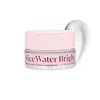
This brightening moisturizer is formulated around Panthenol and Niacinamide to brighten dull-looking skin and hydrate skin.
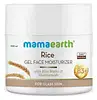
This brightening moisturizer is formulated around Oryza Sativa Extract and Niacinamide to brighten dull-looking skin and hydrate skin.


What's inside
What's inside
 Key Ingredients
Benefits
Concerns
Ingredients Side-by-side
Water
Skin ConditioningDipropylene Glycol
HumectantGlycerin
Humectant


Methyl Trimethicone
Skin Conditioning
C13-15 Alkane
SolventCoco-Caprylate/Caprate
Emollient
Butylene Glycol
Humectant
1,2-Hexanediol
Skin Conditioning
Caprylic/Capric Triglyceride
Masking
Polymethylsilsesquioxane
Panthenol
Skin Conditioning

Pentaerythrityl Tetraethylhexanoate
Emollient
Phenyl Trimethicone
Skin Conditioning
Carbomer
Emulsion StabilisingLactobacillus/Soybean Ferment Extract
Skin ConditioningPentaerythrityl Tetraisostearate
Emollient

Tromethamine
BufferingPolyglyceryl-10 Stearate
Skin Conditioning
Hydroxyethyl Acrylate/Sodium Acryloyldimethyl Taurate Copolymer
Emulsion StabilisingPolyglyceryl-10 Oleate
Skin Conditioning
Saccharomyces/Potato Extract Ferment Filtrate
Humectant
Acrylates/C10-30 Alkyl Acrylate Crosspolymer
Emulsion StabilisingSaccharomyces/Barley Seed Ferment Filtrate
HumectantNiacinamide
Smoothing







Ammonium Acryloyldimethyltaurate/Vp Copolymer
Trisodium EDTA
ChelatingSorbitan Isostearate
Emulsifying
Oryza Sativa Bran Oil
Emollient
Sodium Hyaluronate
Humectant
Pentylene Glycol
Skin Conditioning
Saccharomyces/Rice Ferment Filtrate
Skin Conditioning
Tocopherol
Antioxidant

Hibiscus Sabdariffa Flower Extract
Skin ConditioningEthylhexylglycerin
Skin ConditioningSodium Hyaluronate Crosspolymer
Humectant
Oryza Sativa Extract
Absorbent
Water, Dipropylene Glycol, Glycerin, Methyl Trimethicone, C13-15 Alkane, Coco-Caprylate/Caprate, Butylene Glycol, 1,2-Hexanediol, Caprylic/Capric Triglyceride, Polymethylsilsesquioxane, Panthenol, Pentaerythrityl Tetraethylhexanoate, Phenyl Trimethicone, Carbomer, Lactobacillus/Soybean Ferment Extract, Pentaerythrityl Tetraisostearate, Tromethamine, Polyglyceryl-10 Stearate, Hydroxyethyl Acrylate/Sodium Acryloyldimethyl Taurate Copolymer, Polyglyceryl-10 Oleate, Saccharomyces/Potato Extract Ferment Filtrate, Acrylates/C10-30 Alkyl Acrylate Crosspolymer, Saccharomyces/Barley Seed Ferment Filtrate, Niacinamide, Ammonium Acryloyldimethyltaurate/Vp Copolymer, Trisodium EDTA, Sorbitan Isostearate, Oryza Sativa Bran Oil, Sodium Hyaluronate, Pentylene Glycol, Saccharomyces/Rice Ferment Filtrate, Tocopherol, Hibiscus Sabdariffa Flower Extract, Ethylhexylglycerin, Sodium Hyaluronate Crosspolymer, Oryza Sativa Extract
Water
Skin ConditioningButylene Glycol
Humectant
Oryza Sativa Extract
Absorbent
Glycerin
Humectant
Maris Aqua
HumectantGlycine Soja Seed Extract
Skin Conditioning
Glycine Soja Extract
Skin ConditioningPotassium Sorbate
Preservative
Citric Acid
Buffering
Hydrogenated Polyisobutene
EmollientNeopentyl Glycol Diheptanoate
EmollientNiacinamide
Smoothing
Hydroxyethyl Urea
Humectant
Ammonium Acryloyldimethyltaurate Crosspolymer
Emulsion StabilisingSodium Hydroxide
BufferingN-Vinyl Pyrrolidone
Phenoxyethanol
Preservative
Ethylhexylglycerin
Skin ConditioningGlyceryl Glucoside
Humectant
Saccharide Isomerate
Humectant
Sodium Citrate
BufferingAloe Barbadensis Leaf
Masking
Polyacrylamide
C13-14 Isoparaffin
Emollient
Laureth-7
EmulsifyingSilica
Abrasive
Aphanothece Sacrum Polysaccharide
AbsorbentDisodium EDTA
ChelatingSodium Hyaluronate
Humectant
Water, Butylene Glycol, Oryza Sativa Extract, Glycerin, Maris Aqua, Glycine Soja Seed Extract, Glycine Soja Extract, Potassium Sorbate, Citric Acid, Hydrogenated Polyisobutene, Neopentyl Glycol Diheptanoate, Niacinamide, Hydroxyethyl Urea, Ammonium Acryloyldimethyltaurate Crosspolymer, Sodium Hydroxide, N-Vinyl Pyrrolidone, Phenoxyethanol, Ethylhexylglycerin, Glyceryl Glucoside, Saccharide Isomerate, Sodium Citrate, Aloe Barbadensis Leaf, Polyacrylamide, C13-14 Isoparaffin, Laureth-7, Silica, Aphanothece Sacrum Polysaccharide, Disodium EDTA, Sodium Hyaluronate
Ingredients Explained
These ingredients are found in both products.
Ingredients higher up in an ingredient list are typically present in a larger amount.
Butylene Glycol (or BG) is used within cosmetic products for a few different reasons:
Overall, Butylene Glycol is a safe and well-rounded ingredient that works well with other ingredients.
Though this ingredient works well with most skin types, some people with sensitive skin may experience a reaction such as allergic rashes, closed comedones, or itchiness.
Learn more about Butylene GlycolEthylhexylglycerin is created from glycerin. It is a multitasker ingredient that:
The CIR Expert Panel found minimal skin absorption or sensitization of any kind in a safety assessment. Though this ingredient is considered well-tolerated, a small number of cases of allergic dermatitis have been published since 2002. Just be sure to patch test if you are unsure.
Industry-reported use ranges from 8% in rinse-off products and 2% in leave-on formulations.
Learn more about EthylhexylglycerinGlycerin (or glycerol) is a compound naturally found in your skin. It's a powerhouse humectant that pulls water into the stratum corneum.
Topically, glycerin does several things at once:
Your skin makes glycerin on its own (mostly from sebaceous oil breakdown) and shuttles it to your outermost layer of skin, or your epidermis, via aquaporin-3.
Aquaporin-3 is a transporter that is essential for normal skin hydration, elasticity, and repair. Interestingly, mice lacking in AQP3 have dry and less elastic skin that can be fully corrected with glycerin.
This ingredient is non-irritating, plays well with almost every ingredient, and works across all skin types. Typical use is anywhere between 3-10% but can go up to 79% in some leave-on products.
Just know very high concentrations (>40%) can feel tacky in low humidity.
Glycerin is the name for this ingredient in American English. British English uses Glycerol/Glycerine.
Learn more about GlycerinNiacinamide is a multitasking form of vitamin B3 that strengthens the skin barrier, reduces pores and dark spots, regulates oil, and improves signs of aging.
And the best part? It's gentle and well-tolerated by most skin types, including sensitive and reactive skin.
You might have heard of "niacin flush", or the reddening of skin that causes itchiness. Niacinamide has not been found to cause this.
In very rare cases, some individuals may not be able to tolerate niacinamide at all or experience an allergic reaction to it.
If you are experiencing flaking, irritation, and dryness with this ingredient, be sure to double check all your products as this ingredient can be found in all categories of skincare.
When incorporating niacinamide into your routine, look out for concentration amounts. Typically, 5% niacinamide provides benefits such as fading dark spots. However, if you have sensitive skin, it is better to begin with a smaller concentration.
When you apply niacinamide to your skin, your body converts it into nicotinamide adenine dinucleotide (NAD). NAD is an essential coenzyme that is already found in your cells as "fuel" and powers countless biological processes.
In your skin, NAD helps repair cell damage, produce new healthy cells, support collagen production, strengthen the skin barrier, and fight environmental stressors (like UV and pollution).
Our natural NAD levels start to decline with age, leading to slower skin repair, visible aging, and a weaker skin barrier. By providing your skin niacinamide, you're recharging your skin's NAD levels. This leads to stronger, healthier, and younger looking skin.
Another name for vitamin B3 is nicotinamide. This vitamin is water-soluble and our bodies don't store it. We obtain Vitamin B3 from either food or skincare. Meat, fish, wheat, yeast, and leafy greens contain vitamin B3.
The type of niacinamide used in skincare is synthetically created.
Learn more about NiacinamideOryza Sativa Extract comes from the rice grain, Oryza sativa. Rice extract has wound healing, antioxidant, anti-inflammatory, and hydrating properties.
Rice grains contain numerous antioxidants which may help with anti-aging, such as vitamin E. Antioxidants help stabilize free-radical molecules. Unstable free-radical molecules may damage your skin cells and accelerate signs of aging.
A study from 2002 found rice to help increase the rate of wound healing. The same study found an improvement of skin barrier function in the patients after taking rice baths.
Numerous in-vitro studies have found rice water to help decrease sun damage by increasing collagen production and inhibiting the process of tyrosinase.
Long story short- tyrosinase is an enzyme that controls melanin production. Our bodies start producing melanin (AKA tanning) when exposed to UV radiation to protect against damage. Rice water is found to partially block this process.
Though more research is needed on rice's ability to help with UV protection, recent studies seem promising.
Wondering why rice is hydrating? The protein in rice have emollient properties. Emollients create a barrier on the skin to trap moisture in, keeping your skin moisturized.
Some rice extract may have mildly-exfoliating properties. These are mainly limited to Oryza Sativa (Rice) Bran and Oryza Sativa (Rice) Germ Powder.
This rice was first cultivated in China over 10,000 years ago. Many cultures throughout Asia have used rice water on skin and hair for centuries.
Learn more about Oryza Sativa ExtractSodium Hyaluronate is the salt form of hyaluronic acid. It is a long sugar chain that is naturally found in your skin, joints, and connective tissue that maintains hydration and elasticity.
In skincare, it works as a humectant. It pulls water from the environment and deeper layers of skin and binds it to the surface.
Interestingly, the size of the molecule affects its behavior:
Some clinical evidence links low molecular weight versions to improved wrinkle depth, elasticity, anti-inflammatory effects, and barrier repair.
Many serums use a blend of both weights so you can get surface hydration plus longer-lasting and deeper effects.
You'll typically see concentrations between 0.1-2% for this ingredient.
Learn more about Sodium HyaluronateWater. It's the most common cosmetic ingredient of all. You'll usually see it at the top of ingredient lists, meaning that it makes up the largest part of the product.
So why is it so popular? Water most often acts as a solvent - this means that it helps dissolve other ingredients into the formulation.
You'll also recognize water as that liquid we all need to stay alive. If you see this, drink a glass of water. Remember to stay hydrated!
Learn more about Water

