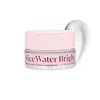
This brightening moisturizer is formulated around Panthenol and Niacinamide to brighten dull-looking skin and hydrate skin.
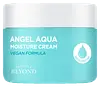
This barrier-repair moisturizer is formulated around Panthenol and Sodium Hyaluronate to strengthen the skin barrier and hydrate skin.

What's inside
What's inside
 Key Ingredients
Benefits
Concerns
Ingredients Side-by-side
Water
Skin ConditioningDipropylene Glycol
HumectantGlycerin
Humectant


Methyl Trimethicone
Skin Conditioning
C13-15 Alkane
SolventCoco-Caprylate/Caprate
Emollient
Butylene Glycol
Humectant
1,2-Hexanediol
Skin Conditioning
Caprylic/Capric Triglyceride
Masking
Polymethylsilsesquioxane
Panthenol
Skin Conditioning

Pentaerythrityl Tetraethylhexanoate
Emollient
Phenyl Trimethicone
Skin Conditioning
Carbomer
Emulsion StabilisingLactobacillus/Soybean Ferment Extract
Skin ConditioningPentaerythrityl Tetraisostearate
Emollient

Tromethamine
BufferingPolyglyceryl-10 Stearate
Skin Conditioning
Hydroxyethyl Acrylate/Sodium Acryloyldimethyl Taurate Copolymer
Emulsion StabilisingPolyglyceryl-10 Oleate
Skin Conditioning
Saccharomyces/Potato Extract Ferment Filtrate
Humectant
Acrylates/C10-30 Alkyl Acrylate Crosspolymer
Emulsion StabilisingSaccharomyces/Barley Seed Ferment Filtrate
HumectantNiacinamide
Smoothing







Ammonium Acryloyldimethyltaurate/Vp Copolymer
Trisodium EDTA
ChelatingSorbitan Isostearate
Emulsifying
Oryza Sativa Bran Oil
Emollient
Sodium Hyaluronate
Humectant
Pentylene Glycol
Skin Conditioning
Saccharomyces/Rice Ferment Filtrate
Skin Conditioning
Tocopherol
Antioxidant

Hibiscus Sabdariffa Flower Extract
Skin ConditioningEthylhexylglycerin
Skin ConditioningSodium Hyaluronate Crosspolymer
Humectant
Oryza Sativa Extract
Absorbent
Water, Dipropylene Glycol, Glycerin, Methyl Trimethicone, C13-15 Alkane, Coco-Caprylate/Caprate, Butylene Glycol, 1,2-Hexanediol, Caprylic/Capric Triglyceride, Polymethylsilsesquioxane, Panthenol, Pentaerythrityl Tetraethylhexanoate, Phenyl Trimethicone, Carbomer, Lactobacillus/Soybean Ferment Extract, Pentaerythrityl Tetraisostearate, Tromethamine, Polyglyceryl-10 Stearate, Hydroxyethyl Acrylate/Sodium Acryloyldimethyl Taurate Copolymer, Polyglyceryl-10 Oleate, Saccharomyces/Potato Extract Ferment Filtrate, Acrylates/C10-30 Alkyl Acrylate Crosspolymer, Saccharomyces/Barley Seed Ferment Filtrate, Niacinamide, Ammonium Acryloyldimethyltaurate/Vp Copolymer, Trisodium EDTA, Sorbitan Isostearate, Oryza Sativa Bran Oil, Sodium Hyaluronate, Pentylene Glycol, Saccharomyces/Rice Ferment Filtrate, Tocopherol, Hibiscus Sabdariffa Flower Extract, Ethylhexylglycerin, Sodium Hyaluronate Crosspolymer, Oryza Sativa Extract
Water
Skin ConditioningGlycerin
Humectant
Butylene Glycol
Humectant
Dimethicone
Emollient
Cyclopentasiloxane
Emollient
1,2-Hexanediol
Skin Conditioning
Nylon-12

Panthenol
Skin Conditioning
Dimethiconol
Emollient
Sodium Polyacrylate
Absorbent
Carbomer
Emulsion StabilisingTromethamine
BufferingTrehalose
Humectant
Propanediol
Solvent
Dipropylene Glycol
HumectantLactobacillus/Soybean Ferment Extract
Skin ConditioningTrisodium EDTA
ChelatingMalachite Extract
Antioxidant
Saccharomyces/Potato Extract Ferment Filtrate
Humectant
Saccharomyces/Barley Seed Ferment Filtrate
HumectantBambusa Arundinacea Sap Extract
EmollientBetula Platyphylla Japonica Juice
Skin Conditioning
Trichosanthes Kirilowii Root Extract
Skin ProtectingSodium Hyaluronate
Humectant
Hydrolyzed Hyaluronic Acid
Humectant
Anthriscus Sylvestris Extract
Skin ConditioningMadecassoside
Antioxidant
Vitis Vinifera Vine Sap
Skin ConditioningCentella Asiatica Extract
Cleansing
Camellia Sinensis Leaf Extract
Antimicrobial
Polygonum Cuspidatum Root Extract
Antioxidant
Scutellaria Baicalensis Root Extract
Astringent
Artemisia Annua Extract
Masking
Azadirachta Indica Leaf Extract
Skin ConditioningGlycyrrhiza Glabra Root Extract
Bleaching
Chamomilla Recutita Flower Extract
Masking
Rosmarinus Officinalis Leaf Extract
AntimicrobialWater, Glycerin, Butylene Glycol, Dimethicone, Cyclopentasiloxane, 1,2-Hexanediol, Nylon-12, Panthenol, Dimethiconol, Sodium Polyacrylate, Carbomer, Tromethamine, Trehalose, Propanediol, Dipropylene Glycol, Lactobacillus/Soybean Ferment Extract, Trisodium EDTA, Malachite Extract, Saccharomyces/Potato Extract Ferment Filtrate, Saccharomyces/Barley Seed Ferment Filtrate, Bambusa Arundinacea Sap Extract, Betula Platyphylla Japonica Juice, Trichosanthes Kirilowii Root Extract, Sodium Hyaluronate, Hydrolyzed Hyaluronic Acid, Anthriscus Sylvestris Extract, Madecassoside, Vitis Vinifera Vine Sap, Centella Asiatica Extract, Camellia Sinensis Leaf Extract, Polygonum Cuspidatum Root Extract, Scutellaria Baicalensis Root Extract, Artemisia Annua Extract, Azadirachta Indica Leaf Extract, Glycyrrhiza Glabra Root Extract, Chamomilla Recutita Flower Extract, Rosmarinus Officinalis Leaf Extract
Reviews
Ingredients Explained
These ingredients are found in both products.
Ingredients higher up in an ingredient list are typically present in a larger amount.
1,2-Hexanediol is a synthetic liquid and another multi-functional powerhouse.
It is a:
- Humectant, drawing moisture into the skin
- Emollient, helping to soften skin
- Solvent, dispersing and stabilizing formulas
- Preservative booster, enhancing the antimicrobial activity of other preservatives
Butylene Glycol (or BG) is used within cosmetic products for a few different reasons:
Overall, Butylene Glycol is a safe and well-rounded ingredient that works well with other ingredients.
Though this ingredient works well with most skin types, some people with sensitive skin may experience a reaction such as allergic rashes, closed comedones, or itchiness.
Learn more about Butylene GlycolCarbomer is a synthetic thickening and gelling agent. It's basically the ingredient that gives a lot of serums, gels, creams, and sunscreens their smooth, non-sticky texture.
Although legally permitted at very high levels, carbomers are normally used at concentrations below 1%.
It also needs to be neutralized to actually thicken, and because it is a large molecule, it doesn't really penetrate the skin barrier.
Allergy-wise, the risk is very low. Clinical studies show carbomers have low potential for skin irritation/sensitization even at concentrations up to 100%.
A 2024 UK study patch-tested 1,302 patients and found true allergy to the parent group of carbomer to be rare with no confirmed relevant reactions.
Learn more about CarbomerDipropylene Glycol is a synthetically created humectant, stabilizer, and solvent.
This ingredient helps:
Dipropylene glycol is technically an alcohol, but it belongs to the glycol family (often considered part of the ‘good’ alcohols). This means it is hydrating and gentle on skin unlike drying solvent alcohols like denatured alcohol.
As a masking agent, Dipropylene Glycol can be used to cover the smell of other ingredients. However, it does not have a scent.
Studies show Dipropylene Glycol is considered safe to use in skincare.
Learn more about Dipropylene GlycolGlycerin (or glycerol) is a compound naturally found in your skin. It's a powerhouse humectant that pulls water into the stratum corneum.
Topically, glycerin does several things at once:
Your skin makes glycerin on its own (mostly from sebaceous oil breakdown) and shuttles it to your outermost layer of skin, or your epidermis, via aquaporin-3.
Aquaporin-3 is a transporter that is essential for normal skin hydration, elasticity, and repair. Interestingly, mice lacking in AQP3 have dry and less elastic skin that can be fully corrected with glycerin.
This ingredient is non-irritating, plays well with almost every ingredient, and works across all skin types. Typical use is anywhere between 3-10% but can go up to 79% in some leave-on products.
Just know very high concentrations (>40%) can feel tacky in low humidity.
Glycerin is the name for this ingredient in American English. British English uses Glycerol/Glycerine.
Learn more about GlycerinLactobacillus/Soybean Ferment Extract is the result of fermenting soybeans with the Lactobacillus bacteria. It mainly acts as a skin conditioning agent in a formula, and the interesting part is what fermentation does to the soy.
Fermenting soy:
The isoflavones are the workhorses behind the common claims; lab and animal studies show they mop up free radicals, help protect skin cells from UVB damage, and nudge fibroblasts to make more collagen while slowing the enzymes that break collagen down.
One controlled clinical study using an isoflavone cream reported softer wrinkles and better skin texture over time. A topical fermented soy extract also improved hydration and elasticity in an animal aging model.
The big caveat is that most of this evidence comes from soy isoflavones and related fermented soy extracts rather than this exact INCI. Some of the strongest data also comes from oral studies.
So it's best to think of this ingredient as a gentle, antioxidant-leaning conditioning agent rather than a proven wrinkle eraser.
At this time, there's no published concentration levels for this specific ferment but it usually shows up at modest levels in real products (~1% or less).
One last thing for people with soy allergies: it's always worth patch testing this ingredient despite the lowered allergy risk.
Learn more about Lactobacillus/Soybean Ferment ExtractPanthenol is a common ingredient that helps hydrate and soothe the skin. It is found naturally in our skin and hair.
There are two forms of panthenol: D and L.
D-panthenol is also known as dexpanthenol. Most cosmetics use dexpanthenol or a mixture of D and L-panthenol.
Panthenol is famous due to its ability to go deeper into the skin's layers. Using this ingredient has numerous pros (and no cons):
Like hyaluronic acid, panthenol is a humectant. Humectants are able to bind and hold large amounts of water to keep skin hydrated.
This ingredient works well for wound healing. It works by increasing tissue in the wound and helps close open wounds.
Once oxidized, panthenol converts to pantothenic acid. Panthothenic acid is found in all living cells.
This ingredient is also referred to as pro-vitamin B5.
Learn more about PanthenolSaccharomyces/Barley Seed Ferment Filtrate is the filtered liquid you get after Saccharomyces yeast ferments barley seeds.
In skincare, it mainly works as a humectant and skin conditioning agent.
The fermentation part is interesting:
Research on fermented barley by-products shows that fermentation raises free amino acid, phenolic, and mineral content while breaking down larger molecules. This makes it easier for these compounds to absorb into skin and also gives the filtrate antioxidant potential.
An in vitro study on young barley extract found it boosted fibroblast survival/ migration after UVB exposure and lowered the enzymes that chew through collagen.
Related yeast ferment filtrates point the same direction; rice ferment filtrate increased collagen gene expression and reduced oxidative/inflammatory stress in skin cells.
Brands don't typically publish concentrations for this ingredient but it's used in low levels (commonly under a few percent).
Overall, this is a nice hydrating ingredient that can be added to any routine. Just keep in mind that the direct clinical proof is still thin at this time.
Learn more about Saccharomyces/Barley Seed Ferment FiltrateSaccharomyces/Potato Extract Ferment Filtrate isn't fungal acne safe.
Sodium Hyaluronate is the salt form of hyaluronic acid. It is a long sugar chain that is naturally found in your skin, joints, and connective tissue that maintains hydration and elasticity.
In skincare, it works as a humectant. It pulls water from the environment and deeper layers of skin and binds it to the surface.
Interestingly, the size of the molecule affects its behavior:
Some clinical evidence links low molecular weight versions to improved wrinkle depth, elasticity, anti-inflammatory effects, and barrier repair.
Many serums use a blend of both weights so you can get surface hydration plus longer-lasting and deeper effects.
You'll typically see concentrations between 0.1-2% for this ingredient.
Learn more about Sodium HyaluronateTrisodium EDTA is one of those quietly essential helper ingredients that most people have never heard of. You'll most likely spot it near the end of ingredient lists in almost every category of skincare.
So what does it actually do?
Its main job is chelation; this is a fancy word to say it grabs onto metal ions and neutralizes them. This is because even purified water in cosmetics contains trace amounts of metals that can cause big problems in a formula.
These trace metals can break down actives faster, cause discoloration, promote rancidity in oils, and make preservatives less effective. Trisodium EDTA binds to these metals and takes them out of the equation so your products can stay stable and effective for longer.
There's also an added bonus: by neutralizing the metals ions that bacteria need to thrive, this ingredient also acts as a preservative booster.
The Cosmetic Ingredient Review has concluded this ingredient to be safe as used in cosmetic formulations. It is not considered an irritant, sensitizer, and is barely absorbed through the skin.
Learn more about Trisodium EDTATromethamine (aka THAM) is a synthetic amino acid that shows up in skincare as a helper ingredient.
It functions as a pH adjuster to help neutralize acidic ingredients and set a formula's pH to the right spot.
This matters a lot because a lot of actives (like vitamin C) needs a specific pH to work well and feel comfortable on skin.
Concentration use ranges from 0.1-1.0% depending on the formula.
Learn more about TromethamineWater. It's the most common cosmetic ingredient of all. You'll usually see it at the top of ingredient lists, meaning that it makes up the largest part of the product.
So why is it so popular? Water most often acts as a solvent - this means that it helps dissolve other ingredients into the formulation.
You'll also recognize water as that liquid we all need to stay alive. If you see this, drink a glass of water. Remember to stay hydrated!
Learn more about Water

