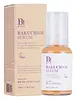
This anti-aging serum is formulated around Bakuchiol and Niacinamide to soften the look of wrinkles and refine skin texture.
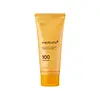
This glycolic acid cream cleanser is formulated around Glycolic Acid to exfoliate and smooth skin.

What's inside
What's inside
 Key Ingredients
Benefits
Concerns
Ingredients Side-by-side
Water
Skin ConditioningGlycerin
Humectant


Caprylic/Capric Triglyceride
Masking
Bakuchiol
Antimicrobial








Niacinamide
Smoothing


1,2-Hexanediol
Skin Conditioning
Coco-Caprylate/Caprate
Emollient
Behenyl Alcohol
Emollient
Cetearyl Olivate


Sorbitan Olivate
Emulsifying
Psoralea Corylifolia Fruit Extract
Skin ConditioningCarbomer
Emulsion StabilisingArginine
Masking
Artemisia Vulgaris Oil
Perfuming



Xanthan Gum
EmulsifyingCitrus Aurantium Amara Flower Extract
RefreshingEthylhexylglycerin
Skin ConditioningAllantoin
Skin Conditioning
Adenosine
Skin Conditioning
Tocopherol
Antioxidant
Lavandula Angustifolia Oil
Masking
Litsea Cubeba Fruit Oil
Masking
Ribes Nigrum Leaf Extract
Perfuming
Water, Glycerin, Caprylic/Capric Triglyceride, Bakuchiol, Niacinamide, 1,2-Hexanediol, Coco-Caprylate/Caprate, Behenyl Alcohol, Cetearyl Olivate, Sorbitan Olivate, Psoralea Corylifolia Fruit Extract, Carbomer, Arginine, Artemisia Vulgaris Oil, Xanthan Gum, Citrus Aurantium Amara Flower Extract, Ethylhexylglycerin, Allantoin, Adenosine, Tocopherol, Lavandula Angustifolia Oil, Litsea Cubeba Fruit Oil, Ribes Nigrum Leaf Extract
Glycerin
Humectant
Water
Skin ConditioningMyristic Acid
Cleansing

Stearic Acid
Cleansing
Potassium Hydroxide
BufferingNiacinamide
Smoothing
Potassium Cocoyl Glycinate
Surfactant
Potassium Cocoate
Emulsifying
Lauric Acid
Cleansing
Cocamidopropyl Betaine
Cleansing
Sodium Chloride
MaskingGlyceryl Stearate Se
Emulsifying
Polyquaternium-7
Sodium Benzoate
Masking
Diglycerin
Humectant
Sorbitol
Humectant
Palmitic Acid
Emollient
Hippophae Rhamnoides Oil
Emollient
Sorbitan Olivate
Emulsifying
Sodium Polyacrylate
Absorbent
Allantoin
Skin Conditioning
Rosmarinus Officinalis Leaf Oil
Masking
Cedrus Deodara Wood Oil
Masking
Xanthan Gum
EmulsifyingTetrasodium EDTA
ChelatingAcrylates/C10-30 Alkyl Acrylate Crosspolymer
Emulsion StabilisingCaprylyl Glycol
Emollient
Cellulose Gum
Emulsion StabilisingLitsea Cubeba Fruit Oil
Masking
Panthenol
Skin Conditioning
Cyanocobalamin
Skin ConditioningKojic Acid
Antioxidant
Curcuma Longa Root Extract
Antioxidant
Butyrospermum Parkii Butter
Skin Conditioning
Salicylic Acid
Masking
Ascorbic Acid
Antioxidant
Gluconolactone
Chelating
Capryloyl Salicylic Acid
Exfoliating
Glycine Soja Oil
Emollient
Retinol
Skin Conditioning
BHT
Antioxidant
Glycolic Acid
Buffering
Tocopherol
Antioxidant
Butylene Glycol
Humectant
1,2-Hexanediol
Skin Conditioning
Carum Petroselinum Extract
Skin ConditioningCorchorus Olitorius Leaf Extract
Skin ConditioningHibiscus Esculentus Fruit Extract
Skin ConditioningDimethylsilanol Hyaluronate
Humectant
Hydrolyzed Hyaluronic Acid
Humectant
Hydrolyzed Sodium Hyaluronate
Skin Conditioning
Potassium Hyaluronate
Skin ConditioningSodium Hyaluronate
Humectant
Hyaluronic Acid
Humectant
Sodium Hyaluronate Crosspolymer
Humectant
Hydroxypropyltrimonium Hyaluronate
Sodium Hyaluronate Dimethylsilanol
HumectantSodium Acetylated Hyaluronate
Humectant
Pentylene Glycol
Skin Conditioning
Madecassoside
Antioxidant
Decyl Glucoside
Cleansing
Glycerin, Water, Myristic Acid, Stearic Acid, Potassium Hydroxide, Niacinamide, Potassium Cocoyl Glycinate, Potassium Cocoate, Lauric Acid, Cocamidopropyl Betaine, Sodium Chloride, Glyceryl Stearate Se, Polyquaternium-7, Sodium Benzoate, Diglycerin, Sorbitol, Palmitic Acid, Hippophae Rhamnoides Oil, Sorbitan Olivate, Sodium Polyacrylate, Allantoin, Rosmarinus Officinalis Leaf Oil, Cedrus Deodara Wood Oil, Xanthan Gum, Tetrasodium EDTA, Acrylates/C10-30 Alkyl Acrylate Crosspolymer, Caprylyl Glycol, Cellulose Gum, Litsea Cubeba Fruit Oil, Panthenol, Cyanocobalamin, Kojic Acid, Curcuma Longa Root Extract, Butyrospermum Parkii Butter, Salicylic Acid, Ascorbic Acid, Gluconolactone, Capryloyl Salicylic Acid, Glycine Soja Oil, Retinol, BHT, Glycolic Acid, Tocopherol, Butylene Glycol, 1,2-Hexanediol, Carum Petroselinum Extract, Corchorus Olitorius Leaf Extract, Hibiscus Esculentus Fruit Extract, Dimethylsilanol Hyaluronate, Hydrolyzed Hyaluronic Acid, Hydrolyzed Sodium Hyaluronate, Potassium Hyaluronate, Sodium Hyaluronate, Hyaluronic Acid, Sodium Hyaluronate Crosspolymer, Hydroxypropyltrimonium Hyaluronate, Sodium Hyaluronate Dimethylsilanol, Sodium Acetylated Hyaluronate, Pentylene Glycol, Madecassoside, Decyl Glucoside
Reviews
Ingredients Explained
These ingredients are found in both products.
Ingredients higher up in an ingredient list are typically present in a larger amount.
1,2-Hexanediol is a synthetic liquid and another multi-functional powerhouse.
It is a:
- Humectant, drawing moisture into the skin
- Emollient, helping to soften skin
- Solvent, dispersing and stabilizing formulas
- Preservative booster, enhancing the antimicrobial activity of other preservatives
Allantoin is a soothing ingredient known for its protective and moisturizing properties; it's basically a quiet workhorse ingredient you can find in a huge range of cosmetics.
Though it can be derived from the comfrey plant, allantoin is produced synthetically for cosmetic products to ensure purity.
Research shows it can encourage your skin cells to turn over and renew by stimulating keratinocyte and fibroblast proliferation.
It also has mild keratolytic properties to help loosen and shed dead skin cells without being harsh.
Studies also suggest allantoin can help calm inflammation by dialing down some of the chemical signals your skin sends out when it is irritated.
This ingredient is typically used in the 0.1-0.5% range, and the FDA recognizes it as a skin protectant in OTC products up to 2%.
Overall, allantoin is a wonderful addition to most routines; it is stable across a wide pH range (~4-8), works well with other ingredients, and is considered non-sensitizing/non-irritating.
Fun fact: Allantoin is naturally occurring in comfrey root, beets, chamomile, and wheat sprouts. Our bodies even produce it as a byproduct of uric acid metabolism.
Learn more about AllantoinGlycerin (or glycerol) is a compound naturally found in your skin. It's a powerhouse humectant that pulls water into the stratum corneum.
Topically, glycerin does several things at once:
Your skin makes glycerin on its own (mostly from sebaceous oil breakdown) and shuttles it to your outermost layer of skin, or your epidermis, via aquaporin-3.
Aquaporin-3 is a transporter that is essential for normal skin hydration, elasticity, and repair. Interestingly, mice lacking in AQP3 have dry and less elastic skin that can be fully corrected with glycerin.
This ingredient is non-irritating, plays well with almost every ingredient, and works across all skin types. Typical use is anywhere between 3-10% but can go up to 79% in some leave-on products.
Just know very high concentrations (>40%) can feel tacky in low humidity.
Glycerin is the name for this ingredient in American English. British English uses Glycerol/Glycerine.
Learn more about GlycerinLitsea Cubeba Fruit Oil is also known as May Chang essential oil. It is mostly used as a fragrance ingredient and has a bright, sweet, and lemony scent.
The main fragrance compounds in this ingredient are citral (~70-85%) and limonene.
Citral has documented antimicrobial activity against acne bacteria (which is where the marketing claims about it being good for acne-prone skin originate), but real formulas use it at fragrance-level concentrations under 1%.
The main thing worth knowing is that citral is a known EU fragrance allergen so people with known fragrance sensitivities may want to skip it.
Unlike citrus oils, May Chang doesn't contain furocoumarins and therefore isn't phototoxic.
Learn more about Litsea Cubeba Fruit OilNiacinamide is a multitasking form of vitamin B3 that strengthens the skin barrier, reduces pores and dark spots, regulates oil, and improves signs of aging.
And the best part? It's gentle and well-tolerated by most skin types, including sensitive and reactive skin.
You might have heard of "niacin flush", or the reddening of skin that causes itchiness. Niacinamide has not been found to cause this.
In very rare cases, some individuals may not be able to tolerate niacinamide at all or experience an allergic reaction to it.
If you are experiencing flaking, irritation, and dryness with this ingredient, be sure to double check all your products as this ingredient can be found in all categories of skincare.
When incorporating niacinamide into your routine, look out for concentration amounts. Typically, 5% niacinamide provides benefits such as fading dark spots. However, if you have sensitive skin, it is better to begin with a smaller concentration.
When you apply niacinamide to your skin, your body converts it into nicotinamide adenine dinucleotide (NAD). NAD is an essential coenzyme that is already found in your cells as "fuel" and powers countless biological processes.
In your skin, NAD helps repair cell damage, produce new healthy cells, support collagen production, strengthen the skin barrier, and fight environmental stressors (like UV and pollution).
Our natural NAD levels start to decline with age, leading to slower skin repair, visible aging, and a weaker skin barrier. By providing your skin niacinamide, you're recharging your skin's NAD levels. This leads to stronger, healthier, and younger looking skin.
Another name for vitamin B3 is nicotinamide. This vitamin is water-soluble and our bodies don't store it. We obtain Vitamin B3 from either food or skincare. Meat, fish, wheat, yeast, and leafy greens contain vitamin B3.
The type of niacinamide used in skincare is synthetically created.
Learn more about NiacinamideSorbitan Olivate is created from the fatty acids in olive oil and sorbitol.
This ingredient is an oil in water emulsifier. It helps stabilize a product by preventing oils and waters from separating. Sorbitan Olivate also helps hydrate the skin.
This ingredient is also known as part of Olivem 1000, with Cetearyl Olivate being the other part.
According to a manufacturer, this ingredient helps preserve the natural microbiome of skin. Having a healthy microbiome helps keep our skin healthy and protects against harmful bacteria.
Please note, having a healthy microbiome is different from fungal acne; a healthy microbiome includes small amounts of yeast that normally live on your skin without causing problems.
Fungal acne happens when one type of yeast (Malassezia) grows out of control. This is usually because it's feeding on certain oils or fatty acids. Due to the olive oil base, this ingredient may not be fungal acne safe.
Learn more about Sorbitan OlivateTocopherol is a fat-soluble antioxidant known as Vitamin E.
You'll find this ingredient in the vast majority of skincare (for good reason). It works to neutralize free radicals, or unstable molecules generated by UV exposure, pollution, and other environmental stressors, before they can cause oxidative damage to your skin cells.
Topically applied tocopherol has been shown to protect against UV damage by ramping up the skin's own natural defense enzymes.
It also acts as a skin conditioning agent; some studies show that regular topical use can improve the skin's water-binding capacity over 2-4 weeks.
This ingredient is especially loved for being a team player. When combined with Vitamin C, the photoprotective effect of both ingredients roughly doubles and the combo also helps reduce UV-induced DNA damage.
This ingredient has some brightening potential but it's more of a prevention ingredient than spot-fader. Cell studies show it can slow down melanin production but it's worth noting that it's not the most powerful brightener out there.
In formulations, it also serves as a stabilizer that helps protect other oxidation-prone ingredients from degrading.
Concentrations usually range from 0.1-1% in most leave-on products.
Learn more about TocopherolWater. It's the most common cosmetic ingredient of all. You'll usually see it at the top of ingredient lists, meaning that it makes up the largest part of the product.
So why is it so popular? Water most often acts as a solvent - this means that it helps dissolve other ingredients into the formulation.
You'll also recognize water as that liquid we all need to stay alive. If you see this, drink a glass of water. Remember to stay hydrated!
Learn more about WaterXanthan gum is used as a stabilizer and thickener within cosmetic products. It helps give products a sticky, thick feeling - preventing them from being too runny.
On the technical side of things, xanthan gum is a polysaccharide - a combination consisting of multiple sugar molecules bonded together.
Xanthan gum is a pretty common and great ingredient. It is a natural, non-toxic, non-irritating ingredient that is also commonly used in food products.
Learn more about Xanthan Gum

