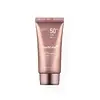
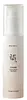
MediCube Collagen Firming Sun Cream SPF 50+ Versus Beauty of Joseon Ginseng Moist Sun Serum SPF 50+ PA++++
This chemical sunscreen covers the full UV range and blocks ~98% of UVB at SPF 50.
This chemical sunscreen covers the full UV range and blocks ~98% of UVB at SPF 50.

What's inside
What's inside
 Key Ingredients
Benefits
Concerns
Ingredients Side-by-side
Water
Skin ConditioningPropanediol
Solvent

CI 77891
Cosmetic ColorantButyloctyl Salicylate
Skin Conditioning

Isononyl Isononanoate
EmollientC12-15 Alkyl Benzoate
AntimicrobialCoco-Caprylate/Caprate
Emollient
Acrylates Copolymer
Diethylamino Hydroxybenzoyl Hexyl Benzoate
UV Filter
Diisostearyl Malate
EmollientDipentaerythrityl Hexa C5-9 Acid Esters
Skin ConditioningNiacinamide
Smoothing










Polyglyceryl-6 Stearate
Emollient

C14-22 Alcohols
Emulsion Stabilising
Chlorella Vulgaris Extract
Skin ConditioningSodium Hyaluronate
Humectant
Hydrolyzed Collagen
Emollient
Soluble Collagen
Humectant
Collagen
Moisturising
Collagen Extract
Skin Conditioning
Hydrolyzed Hyaluronic Acid
Humectant
Hyaluronic Acid
Humectant
Ethylhexyl Triazone
UV Absorber
1,2-Hexanediol
Skin Conditioning
Polyhydroxystearic Acid
Emulsifying
Methylene Bis-Benzotriazolyl Tetramethylbutylphenol
UV Filter
Aluminum Hydroxide
EmollientPanthenol
Skin Conditioning
Potassium Cetyl Phosphate
EmulsifyingPolyacrylate-13
Stearic Acid
Cleansing
C12-20 Alkyl Glucoside
EmulsifyingAmmonium Acryloyldimethyltaurate/Vp Copolymer
Hydroxyacetophenone
Antioxidant
Polyisobutene
Glucose
Humectant
Polyglyceryl-6 Behenate
Emulsion Stabilising
Butylene Glycol
Humectant
Fructooligosaccharides
Humectant
Fructose
Humectant
Polyglyceryl-2 Dipolyhydroxystearate
Skin Conditioning
Hydroxyethyl Acrylate/Sodium Acryloyldimethyl Taurate Copolymer
Emulsion StabilisingDecyl Glucoside
Cleansing
Isododecane
EmollientOctyldodecanol
Emollient
Adenosine
Skin Conditioning
Polysorbate 20
Emulsifying
Glycerin
Humectant
Sorbitan Isostearate
Emulsifying
Polyglyceryl-4 Isostearate
Emulsifying
Isopropyl Titanium Triisostearate
Emollient
Ethylhexylglycerin
Skin ConditioningCaprylic/Capric Triglyceride
Masking
Hydrogenated Lecithin
Emulsifying
Glycine
Buffering
Serine
Masking
Glutamic Acid
Humectant
Ceramide NP
Skin Conditioning
Benzyl Glycol
SolventAspartic Acid
Masking
Leucine
Skin ConditioningHydrolyzed Glycosaminoglycans
HumectantAlanine
Masking
Lysine
Skin ConditioningArginine
Masking
Tyrosine
MaskingPhenylalanine
Masking
Proline
Skin Conditioning
Threonine
Valine
MaskingIsoleucine
Skin ConditioningHistidine
Humectant
Cysteine
Antioxidant
Methionine
Skin ConditioningSodium Hyaluronate Crosspolymer
Humectant
Hydroxypropyltrimonium Hyaluronate
Sodium Stearoyl Glutamate
CleansingSodium Acetylated Hyaluronate
Humectant
Behenyl Alcohol
Emollient
Xanthan Gum
EmulsifyingDisodium EDTA
ChelatingParfum
Masking



CI 77492
Cosmetic ColorantCI 77491
Cosmetic ColorantWater, Propanediol, CI 77891, Butyloctyl Salicylate, Isononyl Isononanoate, C12-15 Alkyl Benzoate, Coco-Caprylate/Caprate, Acrylates Copolymer, Diethylamino Hydroxybenzoyl Hexyl Benzoate, Diisostearyl Malate, Dipentaerythrityl Hexa C5-9 Acid Esters, Niacinamide, Polyglyceryl-6 Stearate, C14-22 Alcohols, Chlorella Vulgaris Extract, Sodium Hyaluronate, Hydrolyzed Collagen, Soluble Collagen, Collagen, Collagen Extract, Hydrolyzed Hyaluronic Acid, Hyaluronic Acid, Ethylhexyl Triazone, 1,2-Hexanediol, Polyhydroxystearic Acid, Methylene Bis-Benzotriazolyl Tetramethylbutylphenol, Aluminum Hydroxide, Panthenol, Potassium Cetyl Phosphate, Polyacrylate-13, Stearic Acid, C12-20 Alkyl Glucoside, Ammonium Acryloyldimethyltaurate/Vp Copolymer, Hydroxyacetophenone, Polyisobutene, Glucose, Polyglyceryl-6 Behenate, Butylene Glycol, Fructooligosaccharides, Fructose, Polyglyceryl-2 Dipolyhydroxystearate, Hydroxyethyl Acrylate/Sodium Acryloyldimethyl Taurate Copolymer, Decyl Glucoside, Isododecane, Octyldodecanol, Adenosine, Polysorbate 20, Glycerin, Sorbitan Isostearate, Polyglyceryl-4 Isostearate, Isopropyl Titanium Triisostearate, Ethylhexylglycerin, Caprylic/Capric Triglyceride, Hydrogenated Lecithin, Glycine, Serine, Glutamic Acid, Ceramide NP, Benzyl Glycol, Aspartic Acid, Leucine, Hydrolyzed Glycosaminoglycans, Alanine, Lysine, Arginine, Tyrosine, Phenylalanine, Proline, Threonine, Valine, Isoleucine, Histidine, Cysteine, Methionine, Sodium Hyaluronate Crosspolymer, Hydroxypropyltrimonium Hyaluronate, Sodium Stearoyl Glutamate, Sodium Acetylated Hyaluronate, Behenyl Alcohol, Xanthan Gum, Disodium EDTA, Parfum, CI 77492, CI 77491
Water
Skin ConditioningButylene Glycol
Humectant
Dibutyl Adipate
EmollientDiethylamino Hydroxybenzoyl Hexyl Benzoate
UV Filter
Bis-Ethylhexyloxyphenol Methoxyphenyl Triazine
UV Absorber
Alcohol
Antimicrobial

Acrylates Copolymer
Butyloctyl Salicylate
Skin Conditioning
C12-15 Alkyl Benzoate
AntimicrobialEthylhexyl Triazone
UV Absorber
Phenethyl Benzoate
Emollient
Arbutin
Antioxidant
1,2-Hexanediol
Skin Conditioning
Silica
Abrasive
Methylpropanediol
SolventIsoamyl P-Methoxycinnamate
UV Absorber
Polysilicone-15
UV Filter
Polymethylsilsesquioxane
Panax Ginseng Root Extract
Emollient
Pentylene Glycol
Skin Conditioning
Dibutyl Ethylhexanoyl Glutamide
Skin ConditioningDibutyl Lauroyl Glutamide
Skin ConditioningC30-45 Alkyldimethylsilyl Polypropylsilsesquioxane
Ammonium Acryloyldimethyltaurate/Vp Copolymer
Sodium Acrylates Crosspolymer-2
AbsorbentSodium Polyacryloyldimethyl Taurate
Emulsion StabilisingEthyl Hexanediol
SolventHydroxyacetophenone
Antioxidant
Panax Ginseng Berry Extract
Skin Conditioning
Panax Ginseng Extract
Antioxidant
Panax Ginseng Leaf/Stem Extract
Skin ConditioningAdenosine
Skin Conditioning
Xanthan Gum
EmulsifyingDisodium EDTA
ChelatingEthylhexylglycerin
Skin ConditioningGlycerin
Humectant
Tocopherol
Antioxidant
Water, Butylene Glycol, Dibutyl Adipate, Diethylamino Hydroxybenzoyl Hexyl Benzoate, Bis-Ethylhexyloxyphenol Methoxyphenyl Triazine, Alcohol, Acrylates Copolymer, Butyloctyl Salicylate, C12-15 Alkyl Benzoate, Ethylhexyl Triazone, Phenethyl Benzoate, Arbutin, 1,2-Hexanediol, Silica, Methylpropanediol, Isoamyl P-Methoxycinnamate, Polysilicone-15, Polymethylsilsesquioxane, Panax Ginseng Root Extract, Pentylene Glycol, Dibutyl Ethylhexanoyl Glutamide, Dibutyl Lauroyl Glutamide, C30-45 Alkyldimethylsilyl Polypropylsilsesquioxane, Ammonium Acryloyldimethyltaurate/Vp Copolymer, Sodium Acrylates Crosspolymer-2, Sodium Polyacryloyldimethyl Taurate, Ethyl Hexanediol, Hydroxyacetophenone, Panax Ginseng Berry Extract, Panax Ginseng Extract, Panax Ginseng Leaf/Stem Extract, Adenosine, Xanthan Gum, Disodium EDTA, Ethylhexylglycerin, Glycerin, Tocopherol
Reviews
Ingredients Explained
These ingredients are found in both products.
Ingredients higher up in an ingredient list are typically present in a larger amount.
1,2-Hexanediol is a synthetic liquid and another multi-functional powerhouse.
It is a:
- Humectant, drawing moisture into the skin
- Emollient, helping to soften skin
- Solvent, dispersing and stabilizing formulas
- Preservative booster, enhancing the antimicrobial activity of other preservatives
Acrylates Copolymer is used as a film-forming agent and texture enhancer.
After applied, Acrylates Copolymer forms a thin film cover that helps skin feel more soft. It can help sunscreens become more water-resistant.
It is also used to make a product more thick.
Learn more about Acrylates CopolymerAdenosine is a purine nucleoside that your body already makes in every cell. In skincare, it acts mainly as a skin conditioning and anti-aging agent.
The way it works is fairly well mapped out:
Your skin has cells called fibroblasts that build collagen (the stuff that keeps skin firm and smooth). Adenosine basically flips a switch on these cells that tells them to get to work making more collagen and other proteins. These cells slow down on their own as skin ages, so Adenosine helps give them a little nudge to keep going.
The clinical backing is pretty solid too.
A blind, randomized, placebo-controlled trial of 126 women aged 45-65 tested a 0.1% cream twice daily and found real improvements in crow's feet and frown lines using a precise 3D skin-mapping technique; these changes showed up by week 3 and held at 2 months.
A later study using Adenosine-loaded dissolving microneedle patches reported gains in wrinkle depth, dermal density, elasticity, and hydration.
On concentrations, South Korea's Ministry of Food and Drug Safety has set 0.04% as the approved functional anti-wrinkle level. You'll typically see this ingredient used somewhere in the 0.04-0.1% range since it works at low doses.
This ingredient has been found safe for cosmetics with the data showing no irritation or sensitization.
Overall, this is a great ingredient for any anti-aging routine and has no photosensitizing effect, so it suits both AM and PM use.
Learn more about AdenosineAmmonium Acryloyldimethyltaurate/Vp Copolymer is a synthetically created polymer. It's used as a film-forming agent and used to thicken the consistency of products.
Think of it as a supportive ingredient that helps your gel-creams feel silky, "cloud cream-like", and spread evenly without being greasy.
The Cosmetic Ingredient Review (CIR) Expert Panel evaluated it (along with 22 other acryloyldimethyltaurate polymers) and concluded it's:
Due to its large molecular size, it sits on the surface of skin rather than penetrating it.
Learn more about Ammonium Acryloyldimethyltaurate/Vp CopolymerButylene Glycol (or BG) is used within cosmetic products for a few different reasons:
Overall, Butylene Glycol is a safe and well-rounded ingredient that works well with other ingredients.
Though this ingredient works well with most skin types, some people with sensitive skin may experience a reaction such as allergic rashes, closed comedones, or itchiness.
Learn more about Butylene GlycolButyloctyl Salicylate is a chemical UV filter structurally similar to octisalate. It is a photostabilizer, SPF booster, emollient and solvent. This ingredient helps evenly spread out ingredients.
According to a manufacturer, it is suitable for pairing with micro Titanium Dioxide, Zinc Oxide, and pigments.
Photostabilizers help stabilize UV-filters and prevents them from degrading quickly.
Learn more about Butyloctyl SalicylateC12-15 Alkyl Benzoate is a lightweight emollient made by combinig benzoic acid with fatty alcohols that are 12-15 carbons long.
In cosmetics, it plays several roles:
The Cosmetic Review Expert Panel has concluded the alkyl benzoate group to be safe as used in cosmetics; it wasn't found to be a skin irritant and unlikely to be absorbed due to its low water solubility.
This report recorded almost 1000 reported uses with concentrations up to 59% in leave-on products but your cosmetics will typically use 0.5-15% depending on the product.
It's often called a "SPF booster": this is because it keeps UV filters properly dissolved and evenly distributed to support a sunscreen's performance. It doesn't actually raise SPF on its own.
Overall, this ingredient is well tolerated.
This ingredient is fungal acne safe because it is an ester of benzoic acid.
Think of this ingredient as two parts stuck together: an oily part and an acid part. Malassezia only gets a meal when it can snip off a fatty acid to eat. With C12-15 Alkyl Benzoate, the acid part is benzoic acid, which isn't a fatty acid and which the yeast can't use as food.
Benzoic acid is actually used as a preservative to stop yeast from growing.
The oily part is a blend of C12-15 fatty alcohols but fatty alcohols in this size range can support only a little Malassezia growth (mostly for one species of Malassezia as well).
In the ingredient, those alcohols stay locked inside the molecule. The yeast can only reach them by snipping the benzoate bond, and that type of bond is harder for it to cut than a normal fatty bond.
So not much gets released. And whatever does get snipped comes packaged with benzoic acid, which discourages yeast growth.
Learn more about C12-15 Alkyl BenzoateDiethylamino Hydroxybenzoyl Hexyl Benzoate (DHHB) is a chemical UV-A absorber. It is formulated for high UVA protection (320-400 nm).
DHHB is well-liked for:
DHHB has been approved by the EU, Japan, Taiwan, and South America for use up to 10%. Unfortunately, it has not been approved for use in the US or Canada due to slow regulatory processes.
This ingredient is soluble in oils, fats, and lipids.
Learn more about Diethylamino Hydroxybenzoyl Hexyl BenzoateDisodium EDTA is a chelating agent. It grabs onto and deactivates metal ions that sneak into your products from water, packaging, or air.
This ingredient mainly works behind the scenes and helps with:
On top of that, this ingredient can counteract the effects of hard water by binding to the minerals in it.
One thing worth knowing is that Disodium EDTA has been shown to be a mild penetration enhancer. It can help other ingredients absorb into skin more effectively which can be a double-edged sword (great for actives, but can also make the active too strong if you have sensitive skin).
Clinical patch testing showed no significant skin irritation at typical use concentrations and minimal dermal absorption.
You'll most likely see this ingredient near the end of an ingredient list. It's typically found in concentrations less than 1%.
Learn more about Disodium EDTAEthylhexyl Triazone (aka Octyl Triazone) is an oil-soluble organic UVB filter. It has peak absorption around 314 nm, right in the middle of the UVB range.
This ingredient is described as one of the most effective UVB filters available and small concentrations are enough to deliver a high SPF thanks to its strong UV absorbing power.
Formulators love it for its stability; its ability to filter UV stays practically unchanged even under intense radiation and it can also help boost the photostability of less stable filters like avobenzone.
It's also a great pick for water resistant products because it's insoluble in water and has a good affinity for keratin.
Because it's a big, heavy molecule, the European Scientific Committee has found to to have very low dermal penetration and negative results for allergenicity.
In vitro testing also showed a low absorption rate and clean results on irritation.
Typical use levels are 1-5% with 5% being the maximum in the EU, Japan, and other markets that allow it. However, this ingredient is not approved yet in the US or Canada.
Learn more about Ethylhexyl TriazoneEthylhexylglycerin is created from glycerin. It is a multitasker ingredient that:
The CIR Expert Panel found minimal skin absorption or sensitization of any kind in a safety assessment. Though this ingredient is considered well-tolerated, a small number of cases of allergic dermatitis have been published since 2002. Just be sure to patch test if you are unsure.
Industry-reported use ranges from 8% in rinse-off products and 2% in leave-on formulations.
Learn more about EthylhexylglycerinGlycerin (or glycerol) is a compound naturally found in your skin. It's a powerhouse humectant that pulls water into the stratum corneum.
Topically, glycerin does several things at once:
Your skin makes glycerin on its own (mostly from sebaceous oil breakdown) and shuttles it to your outermost layer of skin, or your epidermis, via aquaporin-3.
Aquaporin-3 is a transporter that is essential for normal skin hydration, elasticity, and repair. Interestingly, mice lacking in AQP3 have dry and less elastic skin that can be fully corrected with glycerin.
This ingredient is non-irritating, plays well with almost every ingredient, and works across all skin types. Typical use is anywhere between 3-10% but can go up to 79% in some leave-on products.
Just know very high concentrations (>40%) can feel tacky in low humidity.
Glycerin is the name for this ingredient in American English. British English uses Glycerol/Glycerine.
Learn more about GlycerinHydroxyacetophenone is a small phenolic molecule that earns its place in a formulas as an antioxidant and preservative booster.
As a phenol, it is able to neutralize free radicals to protect both the product and the skin from oxidative stress.
Though it can't kill microbes on its own, it works as a good supporting agent when combined with other preservatives like Phenoxyethanol or 1,2-Hexanediol.
This ingredient naturally occurs as piceol in Norwegian spruce needles (~0.4-1.1% dry weight and in cloudberries). Though the cosmetic-grade material is synthesized for purity and consistency.
You'll usually see it used at low levels and suppliers recommend up to 1% added to a water phase.
Safety testing was done at concentrations like 0.05% in SPF products and 0.5% in a Human Repeated Insult Patch Test. The safety evidence is assuring; this ingredient is safe for cosmetics in current use and also holds safety status as a food flavoring as well.
An honest caveat: the "soothing" and "anti-inflammatory" claims come mostly from supplier marketing rather than published clinical trials. The Cosmetic Ingredient Review's own literature search found no useful efficacy studies on this ingredient.
So the antioxidant and preservative-boosting roles are the well supported ones while the calming benefit is plausible but thinly evidenced.
Overall, this is a well-tolerated, low-irritation multitasker that quietly helps a formula stay fresh and stable.
Learn more about HydroxyacetophenoneWater. It's the most common cosmetic ingredient of all. You'll usually see it at the top of ingredient lists, meaning that it makes up the largest part of the product.
So why is it so popular? Water most often acts as a solvent - this means that it helps dissolve other ingredients into the formulation.
You'll also recognize water as that liquid we all need to stay alive. If you see this, drink a glass of water. Remember to stay hydrated!
Learn more about WaterXanthan gum is used as a stabilizer and thickener within cosmetic products. It helps give products a sticky, thick feeling - preventing them from being too runny.
On the technical side of things, xanthan gum is a polysaccharide - a combination consisting of multiple sugar molecules bonded together.
Xanthan gum is a pretty common and great ingredient. It is a natural, non-toxic, non-irritating ingredient that is also commonly used in food products.
Learn more about Xanthan Gum

