

What's inside
What's inside
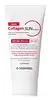 Key Ingredients
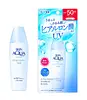
Benefits
Concerns
Ingredients Side-by-side
Water
Skin ConditioningCyclopentasiloxane
Emollient
Zinc Oxide
Cosmetic Colorant


Ethylhexyl Methoxycinnamate
UV Absorber
Acrylates Copolymer
Butyloctyl Salicylate
Skin Conditioning
Silica
Abrasive

Isoamyl P-Methoxycinnamate
UV Absorber
Titanium Dioxide
Cosmetic Colorant
Octocrylene
UV Absorber
Butylene Glycol
Humectant

Glycerin
Humectant
Niacinamide
Smoothing







Cetyl PEG/PPG-10/1 Dimethicone
Emulsifying
1,2-Hexanediol
Skin Conditioning
Dimethicone
Emollient
PEG-30 Dipolyhydroxystearate
Emulsifying
Quaternium-18 Bentonite
Magnesium Sulfate
Lauryl PEG-10 Tris(Trimethylsiloxy)Silylethyl Dimethicone
Emulsifying
Sorbitan Sesquioleate
Emulsifying
Triethoxycaprylylsilane
Disteardimonium Hectorite
StabilisingMentha Arvensis Leaf Oil
Masking

Hydrolyzed Collagen
Emollient
Barosma Betulina Leaf Extract
Perfuming
Canola Oil
Emollient
Ethylhexylglycerin
Skin ConditioningDisodium EDTA
Rosa Damascena Flower Water
Masking
Adenosine
Skin Conditioning
Lactobacillus Ferment
Skin Conditioning
Bifida Ferment Filtrate
Skin Conditioning
Lactococcus Ferment
Skin ConditioningPropanediol
Solvent
Xylitylglucoside
Humectant
Anhydroxylitol
Humectant
Daucus Carota Sativa Seed Oil
Emollient
Xylitol
Humectant
Diospyros Kaki Leaf Extract
Skin Protecting
Vitis Vinifera Fruit Extract
Skin ConditioningCoffea Arabica Seed Extract
Masking
Carthamus Tinctorius Flower Extract
Skin ConditioningPolygonum Cuspidatum Root Extract
Antioxidant
Castanea Crenata Shell Extract
Skin ConditioningCamellia Sinensis Leaf Extract
Antimicrobial
Zanthoxylum Piperitum Fruit Extract
Skin ConditioningDaucus Carota Sativa Root Extract
Skin Conditioning
Tocopheryl Acetate
Antioxidant
Beta-Carotene
Skin ConditioningHelianthus Annuus Seed Oil
Emollient
Glucose
Humectant
Glycine
Buffering
Sodium Hyaluronate
Humectant
Serine
Masking
Glutamic Acid
Humectant
Pentaerythrityl Tetra-Di-T-Butyl Hydroxyhydrocinnamate
Antioxidant
Hydrolyzed Elastin
EmollientAspartic Acid
Masking
Leucine
Skin ConditioningHydrolyzed Pea Protein
EmollientAlanine
Masking
Lysine
Skin ConditioningPhytosterols
Skin Conditioning
Arginine
Masking
Tyrosine
MaskingPhenylalanine
Masking
Olea Europaea Fruit Oil
Masking
Proline
Skin Conditioning
Dunaliella Salina Extract
Skin ConditioningLecithin
Emollient
Valine
MaskingSqualane
Emollient
Threonine
Isoleucine
Skin ConditioningPinus Palustris Leaf Extract
TonicOenothera Biennis Flower Extract
AstringentPueraria Lobata Root Extract
HumectantUlmus Davidiana Root Extract
Skin Conditioning
Histidine
Humectant
Cysteine
Antioxidant
Methionine
Skin ConditioningMorus Alba Bark Extract
Skin ConditioningHydrolyzed Hyaluronic Acid
Humectant
Sesamum Indicum Seed Extract
Skin Conditioning
Scutellaria Baicalensis Root Extract
Astringent
Paeonia Lactiflora Root Extract
Skin ConditioningPhellinus Linteus Extract
Skin ConditioningPolygonum Multiflorum Root Extract
Skin ConditioningGlycyrrhiza Glabra Root Extract
Bleaching
Angelica Gigas Root Extract
Skin ConditioningCimicifuga Racemosa Root Extract
Antimicrobial
Sophora Angustifolia Root Extract
Skin ConditioningCeramide NP
Skin Conditioning
Butyrospermum Parkii Butter
Skin Conditioning
Sodium Acetylated Hyaluronate
Humectant
Water, Cyclopentasiloxane, Zinc Oxide, Ethylhexyl Methoxycinnamate, Acrylates Copolymer, Butyloctyl Salicylate, Silica, Isoamyl P-Methoxycinnamate, Titanium Dioxide, Octocrylene, Butylene Glycol, Glycerin, Niacinamide, Cetyl PEG/PPG-10/1 Dimethicone, 1,2-Hexanediol, Dimethicone, PEG-30 Dipolyhydroxystearate, Quaternium-18 Bentonite, Magnesium Sulfate, Lauryl PEG-10 Tris(Trimethylsiloxy)Silylethyl Dimethicone, Sorbitan Sesquioleate, Triethoxycaprylylsilane, Disteardimonium Hectorite, Mentha Arvensis Leaf Oil, Hydrolyzed Collagen, Barosma Betulina Leaf Extract, Canola Oil, Ethylhexylglycerin, Disodium EDTA, Rosa Damascena Flower Water, Adenosine, Lactobacillus Ferment, Bifida Ferment Filtrate, Lactococcus Ferment, Propanediol, Xylitylglucoside, Anhydroxylitol, Daucus Carota Sativa Seed Oil, Xylitol, Diospyros Kaki Leaf Extract, Vitis Vinifera Fruit Extract, Coffea Arabica Seed Extract, Carthamus Tinctorius Flower Extract, Polygonum Cuspidatum Root Extract, Castanea Crenata Shell Extract, Camellia Sinensis Leaf Extract, Zanthoxylum Piperitum Fruit Extract, Daucus Carota Sativa Root Extract, Tocopheryl Acetate, Beta-Carotene, Helianthus Annuus Seed Oil, Glucose, Glycine, Sodium Hyaluronate, Serine, Glutamic Acid, Pentaerythrityl Tetra-Di-T-Butyl Hydroxyhydrocinnamate, Hydrolyzed Elastin, Aspartic Acid, Leucine, Hydrolyzed Pea Protein, Alanine, Lysine, Phytosterols, Arginine, Tyrosine, Phenylalanine, Olea Europaea Fruit Oil, Proline, Dunaliella Salina Extract, Lecithin, Valine, Squalane, Threonine, Isoleucine, Pinus Palustris Leaf Extract, Oenothera Biennis Flower Extract, Pueraria Lobata Root Extract, Ulmus Davidiana Root Extract, Histidine, Cysteine, Methionine, Morus Alba Bark Extract, Hydrolyzed Hyaluronic Acid, Sesamum Indicum Seed Extract, Scutellaria Baicalensis Root Extract, Paeonia Lactiflora Root Extract, Phellinus Linteus Extract, Polygonum Multiflorum Root Extract, Glycyrrhiza Glabra Root Extract, Angelica Gigas Root Extract, Cimicifuga Racemosa Root Extract, Sophora Angustifolia Root Extract, Ceramide NP, Butyrospermum Parkii Butter, Sodium Acetylated Hyaluronate
Water
Skin ConditioningCyclopentasiloxane
Emollient
Zinc Oxide
Cosmetic Colorant
Ethylhexyl Methoxycinnamate
UV Absorber
Butylene Glycol
Humectant
Diethylhexyl Succinate
EmollientPolymethylsilsesquioxane
Hydrated Silica
Abrasive
Glycerin
Humectant
Lauroyl Lysine
Skin Conditioning
Lauryl PEG-9 Polydimethylsiloxyethyl Dimethicone
Skin Conditioning
Diethylamino Hydroxybenzoyl Hexyl Benzoate
UV Filter
Sodium Hyaluronate
Humectant
Acrylates Copolymer
Hydrogen Dimethicone
Phenoxyethanol
Preservative
Triethoxysilylethyl Polydimethylsiloxyethyl Dimethicone
Skin Conditioning
Methylparaben
Preservative
Disodium EDTA
Sodium Acetylated Hyaluronate
Humectant
Hydrolyzed Collagen
Emollient
Arginine
Masking
Bis-Ethylhexyl Hydroxydimethoxy Benzylmalonate
Antioxidant
Water, Cyclopentasiloxane, Zinc Oxide, Ethylhexyl Methoxycinnamate, Butylene Glycol, Diethylhexyl Succinate, Polymethylsilsesquioxane, Hydrated Silica, Glycerin, Lauroyl Lysine, Lauryl PEG-9 Polydimethylsiloxyethyl Dimethicone, Diethylamino Hydroxybenzoyl Hexyl Benzoate, Sodium Hyaluronate, Acrylates Copolymer, Hydrogen Dimethicone, Phenoxyethanol, Triethoxysilylethyl Polydimethylsiloxyethyl Dimethicone, Methylparaben, Disodium EDTA, Sodium Acetylated Hyaluronate, Hydrolyzed Collagen, Arginine, Bis-Ethylhexyl Hydroxydimethoxy Benzylmalonate
Reviews
Ingredients Explained
These ingredients are found in both products.
Ingredients higher up in an ingredient list are typically present in a larger amount.
Acrylates Copolymer is used as a film-forming agent and texture enhancer.
After applied, Acrylates Copolymer forms a thin film cover that helps skin feel more soft. It can help sunscreens become more water-resistant.
It is also used to make a product more thick.
Learn more about Acrylates CopolymerArginine is a semi-essential amino acid. This just means our bodies can product a bit on its own, but sometimes needs a little boost from food sources.
It is a part of your skin's natural moisturizing factor (NMF), or the water-loving molecules in your outermost layer of skin (stratum corneum) that keeps everything hydrated and happy.
Here's an interesting thing about Arginine: your skin converts it into urea through the Krebs-Henseleit urea cycle. Urea is one of the most effective humectants your skin naturally produces.
A clinical study showed applying 2.5% arginine hydrochloride to atopic dermatitis skin showed significant urea levels in the stratum corneum and improved moisture in just four weeks.
Arginine is also a precursor to nitric oxide; nitric oxide improves microcirculation and supports wound healing and collagen synthesis.
One study found that an amino acid complex containing Arginine reduced skin irritation, improved hydration, and accelerated skin repair in clinical / in-vivo studies.
Arginine itself is an amino acid and not a fatty acid, oil, or ester. On its own, it's not a direct food source for Malassezia, or the yeast that causes fungal acne.
Learn more about ArginineButylene Glycol (or BG) is used within cosmetic products for a few different reasons:
Overall, Butylene Glycol is a safe and well-rounded ingredient that works well with other ingredients.
Though this ingredient works well with most skin types, some people with sensitive skin may experience a reaction such as allergic rashes, closed comedones, or itchiness.
Learn more about Butylene GlycolCyclopentasiloxane, or D5, is a silicone used to improve texture of products and trap moisture.
D5 is considered lightweight and volatile. Volatile means it evaporates quickly after application. Once evaporated, D5 leaves a thin barrier that helps keep skin hydrated.
It is also an emollient. Emollients help soften the skin and prevent water loss. Silicones create a silky texture in products. D5 helps other ingredients become more spreadable.
Studies show D5 is safe to use in skincare products. We recommend speaking with a skincare professional if you have concerns.
Learn more about CyclopentasiloxaneDisodium EDTA is a chelating agent. It grabs onto and deactivates metal ions that sneak into your products from water, packaging, or air.
This ingredient mainly works behind the scenes and helps with:
On top of that, this ingredient can counteract the effects of hard water by binding to the minerals in it.
One thing worth knowing is that Disodium EDTA has been shown to be a mild penetration enhancer. It can help other ingredients absorb into skin more effectively which can be a double-edged sword (great for actives, but can also make the active too strong if you have sensitive skin).
Clinical patch testing showed no significant skin irritation at typical use concentrations and minimal dermal absorption.
You'll most likely see this ingredient near the end of an ingredient list. It's typically found in concentrations less than 1%.
Learn more about Disodium EDTAEthylhexyl Methoxycinnamate is an organic compound that provides UVB protection. It often goes by the more common name of octinoxate. It is created from methoxycinnamic acid and 2-ethylhexanol.
Ethylhexyl Methoxycinnamate absorbs UVB rays with wavelengths between 280-320 nm. UV absorbers protect your skin by using chemical reactions to convert UV rays into heat and energy.
UVB (290-320 nm) rays emit more energy than UVA rays. They are capable of damaging DNA, causing sunburns and are thought to be linked to skin cancer.
The state of Hawaii has banned sunscreens containing octinoxate due to its potential impact on coral reefs. More research is needed to bridge gaps in this research. The European Union allows higher levels of octinoxate in sunscreens than the US and Australia.
Ethylhexyl Methoxycinnamate is oil soluble. It is not stable and may lose efficacy when exposed to sunlight.
Learn more about Ethylhexyl MethoxycinnamateGlycerin (or glycerol) is a compound naturally found in your skin. It's a powerhouse humectant that pulls water into the stratum corneum.
Topically, glycerin does several things at once:
Your skin makes glycerin on its own (mostly from sebaceous oil breakdown) and shuttles it to your outermost layer of skin, or your epidermis, via aquaporin-3.
Aquaporin-3 is a transporter that is essential for normal skin hydration, elasticity, and repair. Interestingly, mice lacking in AQP3 have dry and less elastic skin that can be fully corrected with glycerin.
This ingredient is non-irritating, plays well with almost every ingredient, and works across all skin types. Typical use is anywhere between 3-10% but can go up to 79% in some leave-on products.
Just know very high concentrations (>40%) can feel tacky in low humidity.
Glycerin is the name for this ingredient in American English. British English uses Glycerol/Glycerine.
Learn more about GlycerinHydrolyzed collagen has a misleading name because it is actually a mixture of various proteins/peptides. This ingredient has skin hydrating properties.
Collagen is the most abundant type of structural protein found in your body. In your skin, it is responsible for keeping it firm and youthful.
Hydrolyzed Collagen is created by breaking up proteins into smaller peptide bonds. These peptides act as humectants and emollients.
Humectants are great at holding onto water, keeping skin hydrated. Emollients create a thin barrier on the skin to prevent moisture from escaping.
There is ongoing debate about whether hydrolyzed collagen works because it increases skin hydration. Skin hydration is also linked to elasticity and the appearance of wrinkles.
Collagen or peptide ingredients can be used in the morning or night. They will not increase sun sensitivity, but you should always wear sunscreen during the day.
According to a manufacturer, this ingredient is a great hair conditioner as well.
This ingredient can be extracted from different sources, including:
Vegan collagen is derived from yeast, bacteria, or plant sources. Vegan collagen would go by a different INCI name, such as hydrolyzed soy protein.
The results are varied.
A study from 2021 found hydrolyzed collagen increased elasticity and improved wrinkles in 1,125 participants between age 20 and 70. Another study found increased skin thickness in participants between the ages of 45 to 59.
However, It is difficult to prove that oral collagen will end up working on your skin. Many of the studies using hydrolyzed collagen also add several vitamins and nutrients into the test mixture as well.
Further studies are needed at this time.
Learn more about Hydrolyzed CollagenSodium Acetylated Hyaluronate is a type of Hyaluronic Acid.
Hyaluronic Acids help moisturize, soothe, and protect the skin.
Read about common types of Hyaluronic Acid here:
Learn more about Sodium Acetylated HyaluronateSodium Hyaluronate is the salt form of hyaluronic acid. It is a long sugar chain that is naturally found in your skin, joints, and connective tissue that maintains hydration and elasticity.
In skincare, it works as a humectant. It pulls water from the environment and deeper layers of skin and binds it to the surface.
Interestingly, the size of the molecule affects its behavior:
Some clinical evidence links low molecular weight versions to improved wrinkle depth, elasticity, anti-inflammatory effects, and barrier repair.
Many serums use a blend of both weights so you can get surface hydration plus longer-lasting and deeper effects.
You'll typically see concentrations between 0.1-2% for this ingredient.
Learn more about Sodium HyaluronateWater. It's the most common cosmetic ingredient of all. You'll usually see it at the top of ingredient lists, meaning that it makes up the largest part of the product.
So why is it so popular? Water most often acts as a solvent - this means that it helps dissolve other ingredients into the formulation.
You'll also recognize water as that liquid we all need to stay alive. If you see this, drink a glass of water. Remember to stay hydrated!
Learn more about WaterZinc Oxide is a mineral broad-spectrum UV filter; it is the broadest UVA and UVB reflector approved by the FDA. It also has skin protectant and skin soothing properties.
Zinc oxide is one of the most effective broad-spectrum UV filters. It protects against UVB, UVAII, and UVAI. In comparison to its counterpart titanium dioxide, zinc oxide provides uniform and extended UVA protection.
Another great benefit? This ingredient is highly photostable so it won't degrade easily under sunlight.
A common myth is that mineral UV filters are widely believed to primarily reflect UV light.
However, modern research shows titanium dioxide absorbs UV radiation like chemical filters (~95% absorption & 5% reflection).
Zinc oxide has great skin soothing properties so you'll likely find this in sunscreens formulated for sensitive skin or babies/children. It is unlikely to cause "eye sting" like other sunscreen ingredients.
Regulatory agencies consider zinc oxide to be non-toxic and safe. It has also been shown to not penetrate the skin.
Unfortunately, this ingredient does leave a visible white cast. This is why mineral sunscreens are often less cosmetically elegant than chemical or hybrid ones.
In cosmetics, zinc oxide can be found in both non-nano and nano-sized forms. The nano version is used to reduce white cast and improve the texture of sunscreen formulas.
There are ongoing concerns surrounding nano-zinc oxide's impact on marine ecosystems and whether it can be absorbed into skin.
Regarding marine ecosystems and coral reefs, there is no conclusive evidence that any form of zinc oxide (or any other sunscreen ingredients) will cause harm. The science is still developing but many consumers are keeping a close eye on this issue.
Please note, many destinations have reef-safety sunscreen rules. For instance, the U.S. Virgin Islands advises all visitors to use non-nano mineral sunscreens.
There has also been some stir about whether micronized or nano zinc oxide has potential photoxicity and absorption through the skin/lungs.
An in-vitro (done in a test tube or petri dish) study demonstrated micronized zinc oxide to have potential phototoxicity. There's no need to fret; the EU Commission's Scientific Committee on Consumer Safety has stated, "The relevance of these findings needs to be clarified by appropriate investigations in vivo." Or in other words, further studies done on living organisms are needed to prove this.
Current research shows zinc oxide nanoparticles do not penetrate intact or sunburned skin. They either remain on the surface or in the outermost layer of dead skin (stratum corneum).
Zinc oxide is one of only two classified mineral UV filters with titanium dioxide being the other one.
Fun fact: Zinc has been used throughout history as an ingredient in paint and medicine. An Indian text from 500BC is believed to list zinc oxide as a salve for open wound. The Ancient Greek physician Dioscorides has also mentioned the use of zinc as an ointment in 1AD.
Learn more about Zinc Oxide
