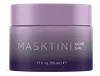
This barrier-repair moisturizer is formulated around Aloe Barbadensis Leaf Juice and Niacinamide to strengthen the skin barrier and calm redness.
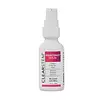
This barrier-repair serum is formulated around Palmitoyl Tripeptide-8 and Copper Tripeptide-1 to strengthen the skin barrier and soften the look of wrinkles.

What's inside
What's inside
 Key Ingredients
Benefits
Concerns
Ingredients Side-by-side
Water
Skin ConditioningGlycerin
Humectant


Caprylyl Caprylate/Caprate
Emollient
Aloe Barbadensis Leaf Juice
Skin Conditioning

Niacinamide
Smoothing







Ethylhexyl Olivate
Skin Conditioning

Cetearyl Olivate
Undecane
EmollientCetearyl Alcohol
Emollient




Imperata Cylindrica Root Extract
Skin ConditioningSorbitan Olivate
Emulsifying
Cucumis Sativus Fruit Water
Skin ConditioningOrbignya Oleifera Seed Oil
Emollient
Tetrahexyldecyl Ascorbate
Antioxidant

Ectoin
Skin Conditioning
Bakuchiol
Antimicrobial
Theobroma Cacao Seed Butter
Emollient
Mangifera Indica Seed Butter
Skin Conditioning
Butyrospermum Parkii Butter
Skin Conditioning
Sodium Hyaluronate
Humectant
Squalane
Emollient
Tocopherol
Antioxidant
Retinyl Palmitate
Skin Conditioning
Pseudoalteromonas Ferment Extract
Humectant
Salicornia Herbacea Extract
Skin ConditioningLeucojum Aestivum Bulb Extract
Skin ProtectingPalmitoyl Tripeptide-1
Skin Conditioning
Palmitoyl Tetrapeptide-7
Skin Conditioning
Glyceryl Linoleate
Emollient
Glyceryl Linolenate
Emollient
Tocopheryl Acetate
Antioxidant
Sodium Ascorbyl Phosphate
Antioxidant
Biotin
AntiseborrhoeicCitrus Nobilis Peel Oil
Masking
Citrus Paradisi Peel Oil
Masking



Citrus Aurantium Dulcis Peel Oil
Masking
Xanthan Gum
EmulsifyingButylene Glycol
Humectant
Lecithin
Emollient
Maltodextrin
Absorbent
Polysorbate 20
Emulsifying
Caprylic/Capric Triglyceride
Masking
Sorbitol
Humectant
Glyceryl Caprylate
EmollientCarbomer
Emulsion StabilisingSodium Polyacrylate
Absorbent
Tridecane
Perfuming
PEG-8
HumectantTetrasodium EDTA
Sodium Citrate
BufferingCitric Acid
Buffering
Disodium EDTA
Caprylyl Glycol
Emollient
Ethylhexylglycerin
Skin ConditioningPhenoxyethanol
Preservative
Sodium Benzoate
Masking
Potassium Sorbate
Preservative
Limonene
Perfuming
Water, Glycerin, Caprylyl Caprylate/Caprate, Aloe Barbadensis Leaf Juice, Niacinamide, Ethylhexyl Olivate, Cetearyl Olivate, Undecane, Cetearyl Alcohol, Imperata Cylindrica Root Extract, Sorbitan Olivate, Cucumis Sativus Fruit Water, Orbignya Oleifera Seed Oil, Tetrahexyldecyl Ascorbate, Ectoin, Bakuchiol, Theobroma Cacao Seed Butter, Mangifera Indica Seed Butter, Butyrospermum Parkii Butter, Sodium Hyaluronate, Squalane, Tocopherol, Retinyl Palmitate, Pseudoalteromonas Ferment Extract, Salicornia Herbacea Extract, Leucojum Aestivum Bulb Extract, Palmitoyl Tripeptide-1, Palmitoyl Tetrapeptide-7, Glyceryl Linoleate, Glyceryl Linolenate, Tocopheryl Acetate, Sodium Ascorbyl Phosphate, Biotin, Citrus Nobilis Peel Oil, Citrus Paradisi Peel Oil, Citrus Aurantium Dulcis Peel Oil, Xanthan Gum, Butylene Glycol, Lecithin, Maltodextrin, Polysorbate 20, Caprylic/Capric Triglyceride, Sorbitol, Glyceryl Caprylate, Carbomer, Sodium Polyacrylate, Tridecane, PEG-8, Tetrasodium EDTA, Sodium Citrate, Citric Acid, Disodium EDTA, Caprylyl Glycol, Ethylhexylglycerin, Phenoxyethanol, Sodium Benzoate, Potassium Sorbate, Limonene
Water
Skin ConditioningGlycerin
Humectant
Propanediol
Solvent
Maltodextrin
Absorbent
Saccharide Isomerate
Humectant
Human Bone Marrow Stem Cell Conditioned Media
Skin ConditioningCamellia Sinensis Leaf Extract
Antimicrobial
Aloe Barbadensis Leaf Extract
Emollient
Curcuma Wenyujin/Curcuma Kwangsiensis Rhizome Extract
AntiseborrhoeicAngelica Polymorpha Sinensis Root Extract
Skin ConditioningPalmitoyl Tripeptide-8
Skin Conditioning
Copper Tripeptide-1
Skin Conditioning
Caprooyl Tetrapeptide-3
Skin Protecting
Argania Spinosa Kernel Oil
Emollient
Mangifera Indica Fruit Extract
Skin ConditioningJasminum Officinale Oil
Masking
Swertia Chirata Extract
HumectantPhyscomitrella Patens Protonema Extract
Skin ConditioningIsomalt
HumectantCaprylyl Glycol
Emollient
Caprylhydroxamic Acid
Ammonium Polyacryloyldimethyl Taurate
Emulsion StabilisingTetrasodium Glutamate Diacetate
Lactic Acid
Buffering
Panthenol
Skin Conditioning
Sodium Hyaluronate
Humectant
Mica
Cosmetic ColorantCitric Acid
Buffering
Sodium Citrate
BufferingDextran
Phospholipids
Skin Conditioning
Butylene Glycol
Humectant
Polysorbate 20
Emulsifying
Water, Glycerin, Propanediol, Maltodextrin, Saccharide Isomerate, Human Bone Marrow Stem Cell Conditioned Media, Camellia Sinensis Leaf Extract, Aloe Barbadensis Leaf Extract, Curcuma Wenyujin/Curcuma Kwangsiensis Rhizome Extract, Angelica Polymorpha Sinensis Root Extract, Palmitoyl Tripeptide-8, Copper Tripeptide-1, Caprooyl Tetrapeptide-3, Argania Spinosa Kernel Oil, Mangifera Indica Fruit Extract, Jasminum Officinale Oil, Swertia Chirata Extract, Physcomitrella Patens Protonema Extract, Isomalt, Caprylyl Glycol, Caprylhydroxamic Acid, Ammonium Polyacryloyldimethyl Taurate, Tetrasodium Glutamate Diacetate, Lactic Acid, Panthenol, Sodium Hyaluronate, Mica, Citric Acid, Sodium Citrate, Dextran, Phospholipids, Butylene Glycol, Polysorbate 20
Ingredients Explained
These ingredients are found in both products.
Ingredients higher up in an ingredient list are typically present in a larger amount.
Butylene Glycol (or BG) is used within cosmetic products for a few different reasons:
Overall, Butylene Glycol is a safe and well-rounded ingredient that works well with other ingredients.
Though this ingredient works well with most skin types, some people with sensitive skin may experience a reaction such as allergic rashes, closed comedones, or itchiness.
Learn more about Butylene GlycolCaprylyl Glycol is a humectant, skin conditioner, emollient, and preservative booster derived from either caprylic acid or synthetically created.
Typical use levels vary from 0.3-1% as a preservative booster and go up to 2% to condition skin.
Because it is not a free-fatty acid, this ingredient is fungal acne safe (there's nothing for Malassezia to feed on).
Learn more about Caprylyl GlycolCitric Acid is an alpha hydroxy acid (AHA) naturally found in citrus fruits like oranges, lemons, and limes.
Like other AHAs, citric acid can exfoliate skin by breaking down the bonds that hold dead skin cells together. This helps reveal smoother and brighter skin underneath.
However, this exfoliating effect only happens at high concentrations (20%) which can be hard to find in cosmetic products.
Due to this, citric acid is usually included in small amounts as a pH adjuster. This helps keep products slightly more acidic and compatible with skin's natural pH.
In skincare formulas, citric acid can:
While it can provide some skin benefits, research shows lactic acid and glycolic acid are generally more effective and less irritating exfoliants.
Most citric acid used in skincare today is made by fermenting sugars (usually from molasses). This synthetic version is identical to the natural citrus form but easier to stabilize and use in formulations.
Rosacea skin has a lower threshold for acids generally, with 62.5% of rosacea subjects in one study reacting to lactic acid in a sting test. This is why we mark citric acid as a potential rosacea trigger.
However, this ingredient shows up as a pH adjuster or chelator at roughly 0.1-1% in many products. These low levels are unlikely to be an issue for rosacea skin and becomes a potential trigger at exfoliating concentrations (20%). Because everybody's skin is unique, we recommend a patch test if you are unsure.
Learn more about Citric AcidGlycerin (or glycerol) is a compound naturally found in your skin. It's a powerhouse humectant that pulls water into the stratum corneum.
Topically, glycerin does several things at once:
Your skin makes glycerin on its own (mostly from sebaceous oil breakdown) and shuttles it to your outermost layer of skin, or your epidermis, via aquaporin-3.
Aquaporin-3 is a transporter that is essential for normal skin hydration, elasticity, and repair. Interestingly, mice lacking in AQP3 have dry and less elastic skin that can be fully corrected with glycerin.
This ingredient is non-irritating, plays well with almost every ingredient, and works across all skin types. Typical use is anywhere between 3-10% but can go up to 79% in some leave-on products.
Just know very high concentrations (>40%) can feel tacky in low humidity.
Glycerin is the name for this ingredient in American English. British English uses Glycerol/Glycerine.
Learn more about GlycerinMaltodextrin is a plant-derived carbohydrate made by breaking down starch (usually from corn, potato, or rice). In cosmetic formulas, it's a multitasking absorbent, emulsion stabilizer, and skin conditioner.
This ingredient is mostly used to stabilize emulsions and improve the powdery, non-greasy feel of products (like dry shampoos).
Safety-wise, this ingredient is pretty solid; it's even recognized as a food additive. Both animal and clinical studies found no adverse effects at the levels used in cosmetics.
Industry data shows this ingredient is used up to 45.7% in spray products and up to 33% in powder products.
Learn more about MaltodextrinPolysorbate 20 is a gentle, water-soluble emulsifier and mild surfactant. It stops oil and water from separating to keep your formulas blended and stable.
It also acts as a mild penetration enhancer by helping active ingredients absorb slightly better.
The common safety discussion around this ingredient involves a manufacturing byproduct called 1,4-dioxane.
Trace amounts can form during production but the EU's Scientific Committee on Consumer Safety has concluded that levels at/below 10 ppm in finished products are safe (commercial products consistently fall within acceptable margins).
True allergic reactions are uncommon and the CIR Expert Panel has confirmed this ingredient to be safe as used in cosmetics.
Because it is derived from lauric acid, it may not be fungal acne safe.
Learn more about Polysorbate 20Sodium Citrate is the sodium salts of citric acid. In skincare, it is used to alter pH levels and acts as a preservative.
Its main functions are to maintain the pH of a product and neutralize metal ions.
The acidity of our skin is maintained by our glands and skin biome; normal pH level of skin is slightly acidic (~4.75-5.5).
Being slightly acidic allows our skin to create an "acid mantle". This acid mantle is a thin barrier that protects our skin from bacteria and contaminants.
Learn more about Sodium CitrateSodium Hyaluronate is the salt form of hyaluronic acid. It is a long sugar chain that is naturally found in your skin, joints, and connective tissue that maintains hydration and elasticity.
In skincare, it works as a humectant. It pulls water from the environment and deeper layers of skin and binds it to the surface.
Interestingly, the size of the molecule affects its behavior:
Some clinical evidence links low molecular weight versions to improved wrinkle depth, elasticity, anti-inflammatory effects, and barrier repair.
Many serums use a blend of both weights so you can get surface hydration plus longer-lasting and deeper effects.
You'll typically see concentrations between 0.1-2% for this ingredient.
Learn more about Sodium HyaluronateWater. It's the most common cosmetic ingredient of all. You'll usually see it at the top of ingredient lists, meaning that it makes up the largest part of the product.
So why is it so popular? Water most often acts as a solvent - this means that it helps dissolve other ingredients into the formulation.
You'll also recognize water as that liquid we all need to stay alive. If you see this, drink a glass of water. Remember to stay hydrated!
Learn more about Water

