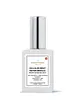
This barrier-repair serum is formulated around Simmondsia Chinensis Seed Oil and Argania Spinosa Kernel Oil to strengthen the skin barrier and hydrate skin.
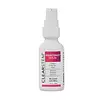
This barrier-repair serum is formulated around Palmitoyl Tripeptide-8 and Copper Tripeptide-1 to strengthen the skin barrier and soften the look of wrinkles.


What's inside
What's inside
 Key Ingredients
Benefits
Concerns
Ingredients Side-by-side
Simmondsia Chinensis Seed Oil
Emollient





Argania Spinosa Kernel Oil
Emollient


Symphytum Officinale Callus Culture Extract
Skin ConditioningIsomalt
HumectantLecithin
Emollient
Helianthus Annuus Sprout Extract
Skin ConditioningMaltodextrin
Absorbent
Phloretin
Antioxidant
Pistacia Lentiscus Gum
MaskingGlyceryl Caprylate
EmollientCetyl Caprate
EmollientCaprylic/Capric Triglyceride
Masking
Xylitol
Humectant
Caprylyl Glycol
Emollient
Ketoglutaric Acid
Sodium Hyaluronate
Humectant


Aloe Barbadensis Leaf Extract
Emollient
Water
Skin ConditioningAdansonia Digitata Seed Oil
Emollient
Sodium Stearoyl Lactylate
EmulsifyingCetyl Alcohol
Emollient
Glycine Soja Sterols
Emollient
Glycerin
Humectant
Sodium Carboxymethyl Betaglucan
Sodium Lactate
Buffering
Carnosine
Skin Conditioning
Lactic Acid
Buffering





Rosa Canina Fruit Oil
Emollient
Persea Gratissima Oil
Skin Conditioning
Vitis Vinifera Seed Oil
Emollient
Brassica Alba Seed Oil
Skin Protecting
Carica Papaya Seed Oil
Humectant
Melia Azadirachta Seed Oil
Emollient
Cananga Odorata Flower Oil
Masking


Rosmarinus Officinalis Leaf Extract
AntimicrobialHelianthus Annuus Seed Oil
Emollient
Tocopherol
Antioxidant
Santalum Spicata Wood Oil
Perfuming
Citrus Aurantium Amara Peel Oil
Skin Conditioning
Simmondsia Chinensis Seed Oil, Argania Spinosa Kernel Oil, Symphytum Officinale Callus Culture Extract, Isomalt, Lecithin, Helianthus Annuus Sprout Extract, Maltodextrin, Phloretin, Pistacia Lentiscus Gum, Glyceryl Caprylate, Cetyl Caprate, Caprylic/Capric Triglyceride, Xylitol, Caprylyl Glycol, Ketoglutaric Acid, Sodium Hyaluronate, Aloe Barbadensis Leaf Extract, Water, Adansonia Digitata Seed Oil, Sodium Stearoyl Lactylate, Cetyl Alcohol, Glycine Soja Sterols, Glycerin, Sodium Carboxymethyl Betaglucan, Sodium Lactate, Carnosine, Lactic Acid, Rosa Canina Fruit Oil, Persea Gratissima Oil, Vitis Vinifera Seed Oil, Brassica Alba Seed Oil, Carica Papaya Seed Oil, Melia Azadirachta Seed Oil, Cananga Odorata Flower Oil, Rosmarinus Officinalis Leaf Extract, Helianthus Annuus Seed Oil, Tocopherol, Santalum Spicata Wood Oil, Citrus Aurantium Amara Peel Oil
Water
Skin ConditioningGlycerin
Humectant
Propanediol
Solvent
Maltodextrin
Absorbent
Saccharide Isomerate
Humectant
Human Bone Marrow Stem Cell Conditioned Media
Skin ConditioningCamellia Sinensis Leaf Extract
Antimicrobial
Aloe Barbadensis Leaf Extract
Emollient
Curcuma Wenyujin/Curcuma Kwangsiensis Rhizome Extract
AntiseborrhoeicAngelica Polymorpha Sinensis Root Extract
Skin ConditioningPalmitoyl Tripeptide-8
Skin Conditioning
Copper Tripeptide-1
Skin Conditioning
Caprooyl Tetrapeptide-3
Skin Protecting
Argania Spinosa Kernel Oil
Emollient
Mangifera Indica Fruit Extract
Skin ConditioningJasminum Officinale Oil
Masking
Swertia Chirata Extract
HumectantPhyscomitrella Patens Protonema Extract
Skin ConditioningIsomalt
HumectantCaprylyl Glycol
Emollient
Caprylhydroxamic Acid
Ammonium Polyacryloyldimethyl Taurate
Emulsion StabilisingTetrasodium Glutamate Diacetate
Lactic Acid
Buffering
Panthenol
Skin Conditioning
Sodium Hyaluronate
Humectant
Mica
Cosmetic ColorantCitric Acid
Buffering
Sodium Citrate
BufferingDextran
Phospholipids
Skin Conditioning
Butylene Glycol
Humectant
Polysorbate 20
Emulsifying
Water, Glycerin, Propanediol, Maltodextrin, Saccharide Isomerate, Human Bone Marrow Stem Cell Conditioned Media, Camellia Sinensis Leaf Extract, Aloe Barbadensis Leaf Extract, Curcuma Wenyujin/Curcuma Kwangsiensis Rhizome Extract, Angelica Polymorpha Sinensis Root Extract, Palmitoyl Tripeptide-8, Copper Tripeptide-1, Caprooyl Tetrapeptide-3, Argania Spinosa Kernel Oil, Mangifera Indica Fruit Extract, Jasminum Officinale Oil, Swertia Chirata Extract, Physcomitrella Patens Protonema Extract, Isomalt, Caprylyl Glycol, Caprylhydroxamic Acid, Ammonium Polyacryloyldimethyl Taurate, Tetrasodium Glutamate Diacetate, Lactic Acid, Panthenol, Sodium Hyaluronate, Mica, Citric Acid, Sodium Citrate, Dextran, Phospholipids, Butylene Glycol, Polysorbate 20
Ingredients Explained
These ingredients are found in both products.
Ingredients higher up in an ingredient list are typically present in a larger amount.
Aloe Barbadensis Leaf Extract is a botanical extract pulled from the leaves of aloe vera and one of the most studied plant ingredients in cosmetics.
The inner leaf gel it comes from is mostly water (~99-99.5%) and the remaining fraction is made up of pretty good stuff: polysaccharides, vitamins, phenolics, and enzymes.
Its headline job is hydration.
The star polysaccharide in aloe, acemannan, is a humectant that retains moisture and helps reduce trans-epidermal water loss.
Aloe also has real soothing credentials; it contains anti-inflammatory compounds like bradykinase and C-glucosyl chromone that help calm irritation and redness.
On the repair side, lab work shows that acemannan wakes up your skin's repair cells (fibroblasts), prompting them to multiply and speed up healing.
There's some human data for cosmetic benefit too: a cream containing 10% Aloe Barbadensis leaf extract improved skin hydration and elasticity in a real-use study.
Safety-wise, this ingredient is well-regarded with just one rare downside; there have been some case reports of acute eczema, contact urticaria, and dermatitis in people who applied aloe-derived ingredients topically. Those with a known aloe or Liliaceae sensitivity should patch test.
Typical use levels range widely, from under 1% up to 90%+ depending on the format and the effect you are after.
Learn more about Aloe Barbadensis Leaf ExtractYou may know this ingredient as argan oil. It has emollient and skin conditioning properties that help soften skin and reinforce the lipid barrier.
The fatty acid profile of argan oil is roughly 45-55% oleic acid, 28-36% linoleic acid, 10-15% palmitic acid, and 5-7% stearic acid. It also contains vitamin E, sterols, squalene, and polyphenols like ferulic acid.
Two clinical studies in postmenopausal women found that applying argan oil for 60 days significantly improved skin elasticity and moisturization (reduced transepidermal water loss and increased epidermal water content).
Since it is high in oleic and linoleic acid, this ingredient may not be fungal acne safe. Both of these fall in the C11-C24 range that Malassezia yeast can metabolize.
Learn more about Argania Spinosa Kernel OilCaprylyl Glycol is a humectant, skin conditioner, emollient, and preservative booster derived from either caprylic acid or synthetically created.
Typical use levels vary from 0.3-1% as a preservative booster and go up to 2% to condition skin.
Because it is not a free-fatty acid, this ingredient is fungal acne safe (there's nothing for Malassezia to feed on).
Learn more about Caprylyl GlycolGlycerin (or glycerol) is a compound naturally found in your skin. It's a powerhouse humectant that pulls water into the stratum corneum.
Topically, glycerin does several things at once:
Your skin makes glycerin on its own (mostly from sebaceous oil breakdown) and shuttles it to your outermost layer of skin, or your epidermis, via aquaporin-3.
Aquaporin-3 is a transporter that is essential for normal skin hydration, elasticity, and repair. Interestingly, mice lacking in AQP3 have dry and less elastic skin that can be fully corrected with glycerin.
This ingredient is non-irritating, plays well with almost every ingredient, and works across all skin types. Typical use is anywhere between 3-10% but can go up to 79% in some leave-on products.
Just know very high concentrations (>40%) can feel tacky in low humidity.
Glycerin is the name for this ingredient in American English. British English uses Glycerol/Glycerine.
Learn more about GlycerinWe don't have a description for Isomalt yet.
Lactic Acid is another well-loved alpha hydroxy acid (AHA). It is gentler than glycolic acid but still highly effective.
Its main role is to exfoliate the surface of the skin by loosening the “glue” that holds dead skin cells together. Shedding those old cells leads to smoother, softer, and more even-toned skin.
Because lactic acid molecules are larger than glycolic acid, they don’t penetrate as deeply. This means they’re less likely to sting or irritate, making it a great choice for beginners or those with sensitive skin.
Like glycolic acid, it can:
Lactic acid also acts as a humectant (like hyaluronic acid). It can draw water into the skin to improve hydration and also plays a role in the skin's natural moisturizing factor (NMF) in the form of sodium lactate.
Studies show it can boost ceramide production to strengthen the skin barrier and even help balance the skin’s microbiome.
To get results, choose products with a pH between 3-4.
Lower strengths (5-12%) focus on surface exfoliation; higher strengths (12% and up) can reach deeper in the dermis (deeper, supportive layer) to improve skin texture and firmness over time.
Though it was originally derived from milk, most modern lactic acid used in skincare is vegan. It is made through non-dairy fermentation to create a bio-identical and stable form suitable for all formulations.
When lactic acid shows up near the end of an ingredient list, it usually means the brand added just a tiny amount to adjust the product’s pH.
Legend has it that Cleopatra used to bathe in sour milk to help reduce wrinkles.
Lactic acid is truly a gentle multitasker: it exfoliates, hydrates, strengthens, and brightens. It's a great ingredient for giving your skin a smooth, glowing, and healthy look without the harshness of stronger acids.
Read more about some other popular AHA's here:
Learn more about Lactic AcidMaltodextrin is a plant-derived carbohydrate made by breaking down starch (usually from corn, potato, or rice). In cosmetic formulas, it's a multitasking absorbent, emulsion stabilizer, and skin conditioner.
This ingredient is mostly used to stabilize emulsions and improve the powdery, non-greasy feel of products (like dry shampoos).
Safety-wise, this ingredient is pretty solid; it's even recognized as a food additive. Both animal and clinical studies found no adverse effects at the levels used in cosmetics.
Industry data shows this ingredient is used up to 45.7% in spray products and up to 33% in powder products.
Learn more about MaltodextrinSodium Hyaluronate is the salt form of hyaluronic acid. It is a long sugar chain that is naturally found in your skin, joints, and connective tissue that maintains hydration and elasticity.
In skincare, it works as a humectant. It pulls water from the environment and deeper layers of skin and binds it to the surface.
Interestingly, the size of the molecule affects its behavior:
Some clinical evidence links low molecular weight versions to improved wrinkle depth, elasticity, anti-inflammatory effects, and barrier repair.
Many serums use a blend of both weights so you can get surface hydration plus longer-lasting and deeper effects.
You'll typically see concentrations between 0.1-2% for this ingredient.
Learn more about Sodium HyaluronateWater. It's the most common cosmetic ingredient of all. You'll usually see it at the top of ingredient lists, meaning that it makes up the largest part of the product.
So why is it so popular? Water most often acts as a solvent - this means that it helps dissolve other ingredients into the formulation.
You'll also recognize water as that liquid we all need to stay alive. If you see this, drink a glass of water. Remember to stay hydrated!
Learn more about Water

