Mama’s Choice Daily Protection Face Moisturizer SPF 20 PA++ Versus Pyunkang Yul Calming Sun Cream SPF 50+ PA++++
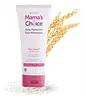
This barrier-repair day moisturizer is formulated around Butyrospermum Parkii Butter and Oryza Sativa Extract to strengthen the skin barrier and hydrate skin.
This chemical sunscreen covers the full UV range and blocks ~98% of UVB at SPF 50.


What's inside
What's inside
 Key Ingredients
Benefits
Concerns
Ingredients Side-by-side
Water
Skin ConditioningButyrospermum Parkii Butter
Skin Conditioning






Zinc Oxide
Cosmetic Colorant


Isopropyl Myristate
Emollient
Cetyl Alcohol
Emollient

Glycerin
Humectant
Glyceryl Stearate Se
Emulsifying
Titanium Dioxide
Cosmetic Colorant
Butylene Glycol
Humectant
PEG-100 Stearate
Surfactant
PEG-9 Dimethicone
Skin Conditioning
Hydrated Silica
Abrasive
Ethyl Lauroyl Arginate Hcl
Skin ConditioningCitric Acid
Buffering

Acrylates/C10-30 Alkyl Acrylate Crosspolymer
Emulsion StabilisingHydrogen Dimethicone
Tocopheryl Acetate
Antioxidant

Aminomethyl Propanol
BufferingOryza Sativa Extract
Absorbent


Sodium Hyaluronate
Humectant

Citrus Aurantium Dulcis Peel Oil
Masking

Hyaluronic Acid
Humectant
1,2-Hexanediol
Skin Conditioning
2-Aminobutanol
BufferingWater, Butyrospermum Parkii Butter, Zinc Oxide, Isopropyl Myristate, Cetyl Alcohol, Glycerin, Glyceryl Stearate Se, Titanium Dioxide, Butylene Glycol, PEG-100 Stearate, PEG-9 Dimethicone, Hydrated Silica, Ethyl Lauroyl Arginate Hcl, Citric Acid, Acrylates/C10-30 Alkyl Acrylate Crosspolymer, Hydrogen Dimethicone, Tocopheryl Acetate, Aminomethyl Propanol, Oryza Sativa Extract, Sodium Hyaluronate, Citrus Aurantium Dulcis Peel Oil, Hyaluronic Acid, 1,2-Hexanediol, 2-Aminobutanol
Water
Skin ConditioningDipropylene Glycol
HumectantEthylhexyl Methoxycinnamate
UV Absorber
Homosalate
Skin Conditioning
Bis-Ethylhexyloxyphenol Methoxyphenyl Triazine
UV Absorber
Ethylhexyl Salicylate
UV Absorber
Glycerin
Humectant
Niacinamide
Smoothing



Polyglyceryl-3 Distearate
Emulsifying
Cetyl Alcohol
Emollient
Butyloctyl Salicylate
Skin Conditioning
Aluminum Starch Octenylsuccinate
Absorbent
Allantoin
Skin Conditioning
Panthenol
Skin Conditioning
Lecithin
Emollient
Hydroxyacetophenone
Antioxidant
Pentylene Glycol
Skin Conditioning
Caprylyl Glycol
Emollient
Citric Acid
Buffering
Centella Asiatica Extract
Cleansing
Gluconolactone
Chelating
Lonicera Japonica Flower Extract
Skin ConditioningSodium Hyaluronate
Humectant
Salvia Officinalis Leaf Extract
CleansingMelaleuca Alternifolia Leaf Extract
Perfuming
Camellia Japonica Flower Extract
EmollientCentella Asiatica Leaf Extract
Skin Conditioning
Caprylic/Capric Triglyceride
Masking
Cetyl Ethylhexanoate
EmollientEthylhexyl Palmitate
Emollient
Arginine
Masking
Hydrolyzed Hyaluronic Acid
Humectant
Hydroxypropyltrimonium Hyaluronate
Ceramide NP
Skin Conditioning
Dipotassium Glycyrrhizate
Humectant
Sodium Hyaluronate Crosspolymer
Humectant
Madecassoside
Antioxidant
Madecassic Acid
Skin Conditioning
Sodium Acetylated Hyaluronate
Humectant
Asiaticoside
Antioxidant
Asiatic Acid
Skin Conditioning
Dimethicone/Vinyl Dimethicone Crosspolymer
Skin Conditioning
Glyceryl Stearate
Emollient
Glyceryl Caprylate
EmollientTrehalose
Humectant
Sorbitan Sesquioleate
Emulsifying
Potassium Cetyl Phosphate
EmulsifyingTromethamine
BufferingAcrylates/C10-30 Alkyl Acrylate Crosspolymer
Emulsion StabilisingCarbomer
Emulsion StabilisingGlyceryl Stearate Citrate
Emollient
Butylene Glycol
Humectant
Polyglyceryl-10 Myristate
Skin Conditioning
Ethylhexylglycerin
Skin ConditioningAdenosine
Skin Conditioning
Disodium EDTA
ChelatingTocopheryl Acetate
Antioxidant
1,2-Hexanediol
Skin Conditioning
Water, Dipropylene Glycol, Ethylhexyl Methoxycinnamate, Homosalate, Bis-Ethylhexyloxyphenol Methoxyphenyl Triazine, Ethylhexyl Salicylate, Glycerin, Niacinamide, Polyglyceryl-3 Distearate, Cetyl Alcohol, Butyloctyl Salicylate, Aluminum Starch Octenylsuccinate, Allantoin, Panthenol, Lecithin, Hydroxyacetophenone, Pentylene Glycol, Caprylyl Glycol, Citric Acid, Centella Asiatica Extract, Gluconolactone, Lonicera Japonica Flower Extract, Sodium Hyaluronate, Salvia Officinalis Leaf Extract, Melaleuca Alternifolia Leaf Extract, Camellia Japonica Flower Extract, Centella Asiatica Leaf Extract, Caprylic/Capric Triglyceride, Cetyl Ethylhexanoate, Ethylhexyl Palmitate, Arginine, Hydrolyzed Hyaluronic Acid, Hydroxypropyltrimonium Hyaluronate, Ceramide NP, Dipotassium Glycyrrhizate, Sodium Hyaluronate Crosspolymer, Madecassoside, Madecassic Acid, Sodium Acetylated Hyaluronate, Asiaticoside, Asiatic Acid, Dimethicone/Vinyl Dimethicone Crosspolymer, Glyceryl Stearate, Glyceryl Caprylate, Trehalose, Sorbitan Sesquioleate, Potassium Cetyl Phosphate, Tromethamine, Acrylates/C10-30 Alkyl Acrylate Crosspolymer, Carbomer, Glyceryl Stearate Citrate, Butylene Glycol, Polyglyceryl-10 Myristate, Ethylhexylglycerin, Adenosine, Disodium EDTA, Tocopheryl Acetate, 1,2-Hexanediol
Reviews
Ingredients Explained
These ingredients are found in both products.
Ingredients higher up in an ingredient list are typically present in a larger amount.
1,2-Hexanediol is a synthetic liquid and another multi-functional powerhouse.
It is a:
- Humectant, drawing moisture into the skin
- Emollient, helping to soften skin
- Solvent, dispersing and stabilizing formulas
- Preservative booster, enhancing the antimicrobial activity of other preservatives
Acrylates/C10-30 Alkyl Acrylate Crosspolymer is a synthetic polymer. It is used to thicken, emulsify, and improve the texture of products.
As an emulsifier, it helps stabilize oil-in-water emulsions to give products an elegant feel when applied.
It can also form a thin protective film on skin. One study found that a formula using this polymer helped slow down how quickly other ingredients (like DEET) were absorbed through skin.
A 2024 study of over 1,300 patients confirmed that sensitization to this ingredient is rare. It is also non-mutagenic and has a clean track record.
Learn more about Acrylates/C10-30 Alkyl Acrylate CrosspolymerButylene Glycol (or BG) is used within cosmetic products for a few different reasons:
Overall, Butylene Glycol is a safe and well-rounded ingredient that works well with other ingredients.
Though this ingredient works well with most skin types, some people with sensitive skin may experience a reaction such as allergic rashes, closed comedones, or itchiness.
Learn more about Butylene GlycolCetyl Alcohol is a fatty alcohol. Fatty Alcohols are most often used as an emollient or to thicken a product.
Its main roles are:
Though it has "alcohol" in the name, it is not related to denatured alcohol or ethyl alcohol.
The FDA allows products labeled "alcohol-free" to have fatty alcohols.
This ingredient may not be fungal acne safe. It is a primary fatty alcohol with a chain length above 12 carbons. A study from 2019 show Malassezia can feed on fatty alcohols in this range, so it may trigger fungal acne in those prone to it.
Learn more about Cetyl AlcoholCitric Acid is an alpha hydroxy acid (AHA) naturally found in citrus fruits like oranges, lemons, and limes.
Like other AHAs, citric acid can exfoliate skin by breaking down the bonds that hold dead skin cells together. This helps reveal smoother and brighter skin underneath.
However, this exfoliating effect only happens at high concentrations (20%) which can be hard to find in cosmetic products.
Due to this, citric acid is usually included in small amounts as a pH adjuster. This helps keep products slightly more acidic and compatible with skin's natural pH.
In skincare formulas, citric acid can:
While it can provide some skin benefits, research shows lactic acid and glycolic acid are generally more effective and less irritating exfoliants.
Most citric acid used in skincare today is made by fermenting sugars (usually from molasses). This synthetic version is identical to the natural citrus form but easier to stabilize and use in formulations.
Rosacea skin has a lower threshold for acids generally, with 62.5% of rosacea subjects in one study reacting to lactic acid in a sting test. This is why we mark citric acid as a potential rosacea trigger.
However, this ingredient shows up as a pH adjuster or chelator at roughly 0.1-1% in many products. These low levels are unlikely to be an issue for rosacea skin and becomes a potential trigger at exfoliating concentrations (20%). Because everybody's skin is unique, we recommend a patch test if you are unsure.
Learn more about Citric AcidGlycerin (or glycerol) is a compound naturally found in your skin. It's a powerhouse humectant that pulls water into the stratum corneum.
Topically, glycerin does several things at once:
Your skin makes glycerin on its own (mostly from sebaceous oil breakdown) and shuttles it to your outermost layer of skin, or your epidermis, via aquaporin-3.
Aquaporin-3 is a transporter that is essential for normal skin hydration, elasticity, and repair. Interestingly, mice lacking in AQP3 have dry and less elastic skin that can be fully corrected with glycerin.
This ingredient is non-irritating, plays well with almost every ingredient, and works across all skin types. Typical use is anywhere between 3-10% but can go up to 79% in some leave-on products.
Just know very high concentrations (>40%) can feel tacky in low humidity.
Glycerin is the name for this ingredient in American English. British English uses Glycerol/Glycerine.
Learn more about GlycerinSodium Hyaluronate is the salt form of hyaluronic acid. It is a long sugar chain that is naturally found in your skin, joints, and connective tissue that maintains hydration and elasticity.
In skincare, it works as a humectant. It pulls water from the environment and deeper layers of skin and binds it to the surface.
Interestingly, the size of the molecule affects its behavior:
Some clinical evidence links low molecular weight versions to improved wrinkle depth, elasticity, anti-inflammatory effects, and barrier repair.
Many serums use a blend of both weights so you can get surface hydration plus longer-lasting and deeper effects.
You'll typically see concentrations between 0.1-2% for this ingredient.
Learn more about Sodium HyaluronateTocopheryl Acetate is a stable, shelf-friendly form of vitamin E.
Formulators love it because plain vitamin E oxidizes quickly once it hits air. This acetate version stays stable and resists going off, helping to extend a product's shelf life.
It's actually inactive on its own and works like a slow-release "storage" form; the enzymes in your skin called esterases gradually convert it into active vitamin E over time.
One in vivo study showed 5% of the acetate in the living layer of the epidermis converted to vitamin E after 5 days of application. This study also found the skin gained protection against UV damage even though the conversion was slow and small.
Once converted, vitamin E acts as a skin's main fat-soluble antioxidant that fights free radicals to protect skin from damage.
Topical vitamin E generally boosts the skin's photoprotection, and it reduced UV-damage in animal models.
This ingredient has some brightening potential but it's more of a prevention ingredient than spot-fader. Cell studies show it can slow down melanin production but it's worth noting that it's not the most powerful brightener out there.
Overall, it has a pretty solid safety profile and has been found to be non-irritating and non-comedogenic. Allergic reactions may happen but stay rare due to how widely the ingredient gets used.
The concentration will vary depending on the formula; industry data shows 0.1% in baby lotions, 3% in lipsticks, and 5% in foot powders. You can also find this ingredient at 100% in a pure vitamin E oil.
Most leave-on skincare keeps it at the lower end, often between 0.5-1%.
Learn more about Tocopheryl AcetateWater. It's the most common cosmetic ingredient of all. You'll usually see it at the top of ingredient lists, meaning that it makes up the largest part of the product.
So why is it so popular? Water most often acts as a solvent - this means that it helps dissolve other ingredients into the formulation.
You'll also recognize water as that liquid we all need to stay alive. If you see this, drink a glass of water. Remember to stay hydrated!
Learn more about Water

