
What's inside
What's inside
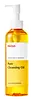 Key Ingredients
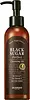
Benefits
Concerns
Ingredients Side-by-side
Glycine Soja Oil
Emollient






Corylus Avellana Seed Oil
Emollient
Sorbeth-30 Tetraoleate
Emulsifying
Vitis Vinifera Seed Oil
Emollient
Olea Europaea Fruit Oil
Masking
Caprylic/Capric Triglyceride
Masking

Squalane
Emollient
Isoamyl Laurate
Emollient
Camellia Japonica Seed Oil
Emollient
Oenothera Biennis Oil
Emollient
Simmondsia Chinensis Seed Oil
Emollient
Helianthus Annuus Seed Oil
Emollient
Argania Spinosa Kernel Oil
Emollient
Orbignya Oleifera Seed Oil
Emollient
Saponaria Officinalis Leaf Extract
AntimicrobialCamellia Sinensis Leaf Extract
Antimicrobial


Oryza Sativa Bran Oil
Emollient
Rice Ferment Filtrate
Skin Conditioning
Decyl Glucoside
Cleansing
Ginkgo Biloba Leaf Extract
Skin Conditioning
Lavandula Angustifolia Oil
Masking


Aloe Barbadensis Leaf Extract
Emollient
Citrus Aurantium Dulcis Oil
Masking
Melaleuca Alternifolia Leaf Oil
Antioxidant

Tocopherol
Antioxidant
Glycine Soja Oil, Corylus Avellana Seed Oil, Sorbeth-30 Tetraoleate, Vitis Vinifera Seed Oil, Olea Europaea Fruit Oil, Caprylic/Capric Triglyceride, Squalane, Isoamyl Laurate, Camellia Japonica Seed Oil, Oenothera Biennis Oil, Simmondsia Chinensis Seed Oil, Helianthus Annuus Seed Oil, Argania Spinosa Kernel Oil, Orbignya Oleifera Seed Oil, Saponaria Officinalis Leaf Extract, Camellia Sinensis Leaf Extract, Oryza Sativa Bran Oil, Rice Ferment Filtrate, Decyl Glucoside, Ginkgo Biloba Leaf Extract, Lavandula Angustifolia Oil, Aloe Barbadensis Leaf Extract, Citrus Aurantium Dulcis Oil, Melaleuca Alternifolia Leaf Oil, Tocopherol
Ethylhexyl Palmitate
Emollient
PEG-20 Glyceryl Triisostearate
Emollient
Pentaerythrityl Tetraethylhexanoate
Emollient
C12-15 Alkyl Benzoate
AntimicrobialPentaerythrityl Tetraisostearate
Emollient
PEG-10 Isostearate
Emulsifying
Bis-Ethoxydiglycol Cyclohexane 1,4-Dicarboxylate
EmollientSimmondsia Chinensis Seed Oil
Emollient
Olea Europaea Fruit Oil
Masking
Camellia Oleifera Seed Oil
Skin Conditioning
Limnanthes Alba Seed Oil
Skin Conditioning
Macadamia Ternifolia Seed Oil
Emollient
Oenothera Biennis Oil
Emollient
Tocopheryl Acetate
Antioxidant
Threonine
Sorbitol
Humectant
Sodium PCA
Humectant
Serine
Masking
Rice Ferment Filtrate
Skin Conditioning
Pyrus Malus Fruit Extract
Skin Conditioning
Proline
Skin Conditioning
Hydrogenated Lecithin
Emulsifying
Ethylhexylglycerin
Skin ConditioningCitrus Aurantium Dulcis Fruit Extract
MaskingCholesterol
Emollient
Carica Papaya Fruit Extract
Skin ConditioningSaccharum Officinarum Extract 0.1%
MoisturisingButylene Glycol
Humectant
Arginine
Masking
Alanine
Masking
Betaine
Humectant
Lepidium Meyenii Root Extract
Skin ConditioningCeramide NP
Skin Conditioning
Dimethicone
Emollient
Citrus Limon Fruit Extract
Masking
Lysine
Skin ConditioningWater
Skin ConditioningSarcodon Aspratus Extract
Antioxidant
Glutamic Acid
Humectant
Glycine
Buffering
Disodium EDTA
1,2-Hexanediol
Skin Conditioning
Alcohol
Antimicrobial


Sucrose 0%
Humectant
Phenoxyethanol
Preservative
Parfum
Masking
Ethylhexyl Palmitate, PEG-20 Glyceryl Triisostearate, Pentaerythrityl Tetraethylhexanoate, C12-15 Alkyl Benzoate, Pentaerythrityl Tetraisostearate, PEG-10 Isostearate, Bis-Ethoxydiglycol Cyclohexane 1,4-Dicarboxylate, Simmondsia Chinensis Seed Oil, Olea Europaea Fruit Oil, Camellia Oleifera Seed Oil, Limnanthes Alba Seed Oil, Macadamia Ternifolia Seed Oil, Oenothera Biennis Oil, Tocopheryl Acetate, Threonine, Sorbitol, Sodium PCA, Serine, Rice Ferment Filtrate, Pyrus Malus Fruit Extract, Proline, Hydrogenated Lecithin, Ethylhexylglycerin, Citrus Aurantium Dulcis Fruit Extract, Cholesterol, Carica Papaya Fruit Extract, Saccharum Officinarum Extract 0.1%, Butylene Glycol, Arginine, Alanine, Betaine, Lepidium Meyenii Root Extract, Ceramide NP, Dimethicone, Citrus Limon Fruit Extract, Lysine, Water, Sarcodon Aspratus Extract, Glutamic Acid, Glycine, Disodium EDTA, 1,2-Hexanediol, Alcohol, Sucrose 0%, Phenoxyethanol, Parfum
Reviews
Ingredients Explained
These ingredients are found in both products.
Ingredients higher up in an ingredient list are typically present in a larger amount.
Oenothera Biennis Oil is the fixed oil derived from the seeds of the Evening Primrose.
Evening primrose oil is rich in fatty acids. These fatty acids include linoleic (60-85%), oleic (5-12%), palmitic (4-10%), and stearic (2-4%).
The fatty acid composition makes it a great ingredient for soothing and moisturizing skin. However, it may not be Malassezia folliculitis, or fungal acne safe.
Further research is needed on the role of evening primrose in treating eczema.
Evening primrose is native to North America.
Learn more about Oenothera Biennis OilThis ingredient is also known as olive oil. It has been used in skincare for centuries and science largely backs up its reputation as a nourishing emollient.
The main components of olive oil are oleic acid (55-83%), linoleic acid (3.5-20%), and palmitic acid (7-20%). Oleic acid promotes skin regeneration and helps regulate inflammatory responses.
Squalene is also naturally present in olive oil and exhibits moisturizing and antioxidant properties.
The polyphenols in olive oil also show anti-aging promise; one clinical study found a measurable improvement in skin appearance after 30 days of topical serum use.
Just be aware that applying olive oil directly to skin can weaken the barrier and cause redness. One study with volunteers found even people without sensitive skin experienced a significant reduction in stratum corneum integrity and induced mild erythema.
It's best to use this ingredient as part of a carefully crafted formula (instead of putting it on skin directly from the bottle).
Because it has a 2-3 on the comedogenic scale, it is a moderate risk for acne-prone skin. However, the overall formulation of a product matters more than a few ingredients with comedogenic ratings.
This ingredient may not be fungal acne safe because of the oleic and palmitic acid content. These fall within the C11-24 fatty acid range that the Malassezia yeast can metabolize to grow.
Overall, olive oil is a well-studied and nourishing skincare ingredient.
Learn more about Olea Europaea Fruit OilRice Ferment Filtrate is created by fermenting rice, or oryza sativa. A common name for this ingredient is sake, the traditional Japanese fermented rice alcoholic beverage.
Rice ferment is skin-conditioning and contains anti-aging components.
Rice contains numerous antioxidants which may help with anti-aging, such as vitamin E. Antioxidants help stabilize free-radical molecules. Unstable free-radical molecules may damage your skin cells and accelerate signs of aging.
A study from 2013 found fermented rice water to help decrease sun damage by increasing collagen production.
Learn more about Rice Ferment FiltrateJojoba oil is one of the most well-studied plant-derived ingredients in cosmetics. It is an emollient with a special structure.
Because it is made up of 97-98% wax esters, it closely mirrors the linear monoesters found in human sebum. This makes it skin compatible, non-greasy, and lightweight.
Unlike other plant oils, jojoba wax doesn't easily penetrate skin. It mostly works in the uppermost layers as an emollient. This just means it forms a light barrier on the skin to help retain moisture.
Formulations with jojoba esters up to 90% reduced transepidermal water loss (TEWL) and increased barrier recovery by 81% (outperforming bisabolol at 47%).
Besides barrier support, the science also suggests jojoba to have anti-inflammatory effects and potential applications for skin infections, aging, and wound healing.
Fun fact: Indigenous cultures have used jojoba as a moisturizer and to help treat burns for centuries.
Due to its fatty acid content, Jojoba oil may not be fungal acne safe.
Learn more about Simmondsia Chinensis Seed Oil
