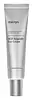
This anti-aging eye moisturizer is formulated around Bifida Ferment Lysate and Niacinamide to soften the look of wrinkles and strengthen the skin barrier.
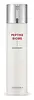
This anti-aging toner is formulated around Niacinamide and Acetyl Hexapeptide-8 to soften the look of wrinkles and strengthen the skin barrier.

What's inside
What's inside
 Key Ingredients
Benefits
Concerns
Ingredients Side-by-side
Water
Skin ConditioningBifida Ferment Lysate
Skin Conditioning



Hydrolyzed Collagen Extract
Skin Protecting
Cetearyl Alcohol
Emollient






Glycerin
Humectant
Squalane
Emollient
1,2-Hexanediol
Skin Conditioning
Niacinamide
Smoothing






Propylene Glycol Dicaprylate
EmollientArachidyl Alcohol
Emollient
Sodium Hyaluronate
Humectant
Sh-Oligopeptide-1
Skin Conditioning
Sh-Oligopeptide-2
Skin Conditioning
Sh-Polypeptide-1
Skin Conditioning
Sh-Polypeptide-2
Skin Conditioning
Panthenol
Skin Conditioning
Beta-Glucan
Skin Conditioning
Acetyl Hexapeptide-8
Humectant
Calendula Officinalis Flower Water
Masking
Rosa Centifolia Flower Water
Skin ConditioningDaucus Carota Sativa Root Extract
Skin Conditioning
Sophora Angustifolia Root Extract
Skin ConditioningLactobacillus/Pumpkin Fruit Ferment Filtrate
Skin ConditioningChamomilla Recutita Flower Extract
Masking
Triticum Vulgare Germ Protein
EmollientHippophae Rhamnoides Water
Masking
Citrus Aurantifolia Fruit Water
Skin ConditioningMorus Alba Bark Extract
Skin ConditioningMalus Domestica Fruit Extract
Antioxidant
Portulaca Oleracea Extract
Skin Conditioning
Euterpe Oleracea Fruit Extract
Chenopodium Quinoa Extract
Skin ConditioningPadina Pavonica Extract
Skin ConditioningCaprylic/Capric Triglyceride
Masking
Trehalose
Humectant
Cetyl Ethylhexanoate
EmollientBehenyl Alcohol
Emollient
Cetearyl Olivate
Cetearyl Glucoside
Emulsifying
Arachidyl Glucoside
EmulsifyingSorbitan Olivate
Emulsifying
Propanediol Dicaprylate
EmollientHydrogenated Olive Oil Unsaponifiables
Emollient
Propanediol
Solvent
Glyceryl Caprylate
EmollientBetaine
Humectant
Ethylhexylglycerin
Skin ConditioningOlea Europaea Fruit Oil
Masking
Sesamum Indicum Seed Oil
Emollient
Oenothera Biennis Oil
Emollient
Adenosine
Skin Conditioning
Water, Bifida Ferment Lysate, Hydrolyzed Collagen Extract, Cetearyl Alcohol, Glycerin, Squalane, 1,2-Hexanediol, Niacinamide, Propylene Glycol Dicaprylate, Arachidyl Alcohol, Sodium Hyaluronate, Sh-Oligopeptide-1, Sh-Oligopeptide-2, Sh-Polypeptide-1, Sh-Polypeptide-2, Panthenol, Beta-Glucan, Acetyl Hexapeptide-8, Calendula Officinalis Flower Water, Rosa Centifolia Flower Water, Daucus Carota Sativa Root Extract, Sophora Angustifolia Root Extract, Lactobacillus/Pumpkin Fruit Ferment Filtrate, Chamomilla Recutita Flower Extract, Triticum Vulgare Germ Protein, Hippophae Rhamnoides Water, Citrus Aurantifolia Fruit Water, Morus Alba Bark Extract, Malus Domestica Fruit Extract, Portulaca Oleracea Extract, Euterpe Oleracea Fruit Extract, Chenopodium Quinoa Extract, Padina Pavonica Extract, Caprylic/Capric Triglyceride, Trehalose, Cetyl Ethylhexanoate, Behenyl Alcohol, Cetearyl Olivate, Cetearyl Glucoside, Arachidyl Glucoside, Sorbitan Olivate, Propanediol Dicaprylate, Hydrogenated Olive Oil Unsaponifiables, Propanediol, Glyceryl Caprylate, Betaine, Ethylhexylglycerin, Olea Europaea Fruit Oil, Sesamum Indicum Seed Oil, Oenothera Biennis Oil, Adenosine
Panax Ginseng Callus Culture Extract
Skin ConditioningAspergillus/Rice Ferment Filtrate
Skin ConditioningButylene Glycol
Humectant
Niacinamide
Smoothing
1,2-Hexanediol
Skin Conditioning
Glycerin
Humectant
Lactobacillus/Lemon Peel Ferment Extract
Skin ConditioningCitrus Aurantium Dulcis Peel Extract
Emulsion Stabilising
Sh-Polypeptide-11
Sh-Oligopeptide-2
Skin Conditioning
Acetyl Hexapeptide-8
Humectant
Hexapeptide-12
Skin Conditioning
Sodium Hyaluronate
Humectant
Saussurea Involucrata Extract
HumectantPalmitoyl Tripeptide-5
Skin Conditioning
Copper Tripeptide-1
Skin Conditioning
Sorbitan Laurate
Emulsifying
Hydroxyethylcellulose
Emulsion StabilisingAcetyl Dipeptide-1 Cetyl Ester
Skin Conditioning
Ginsenosides
Skin ConditioningColloidal Platinum
Antimicrobial
Hydrolyzed Collagen
Emollient
Angelica Gigas Extract
Skin ConditioningGlycyrrhiza Glabra Root Extract
Bleaching
Bletia Hyacinthina Bulb Extract
Skin ConditioningTrichosanthes Kirilowii Root Extract
Skin ProtectingPrunus Armeniaca Fruit Extract
Skin ConditioningCarthamus Tinctorius Flower Extract
Skin ConditioningLycium Chinense Fruit Extract
Antioxidant
Polyglutamic Acid
Skin Conditioning
Magnolia Kobus Bark Extract
Skin ConditioningHydrolyzed Hyaluronic Acid
Humectant
Honey Extract
Humectant
Rosmarinus Officinalis Leaf Extract
AntimicrobialChlorella Vulgaris Extract
Skin ConditioningCentella Asiatica Extract
Cleansing
Tocopherol
Antioxidant
Caprylic/Capric Triglyceride
Masking
Erythritol
Humectant
Carbomer
Emulsion StabilisingAllantoin
Skin Conditioning
Arginine
Masking
Polyglyceryl-10 Oleate
Skin Conditioning
Lavandula Angustifolia Oil
Masking


Boswellia Carterii Oil
Masking
Citrus Aurantium Dulcis Peel Oil
Masking
Citrus Nobilis Peel Oil
Masking
Adenosine
Skin Conditioning
Limonene
Perfuming
Linalool
Perfuming
Panax Ginseng Callus Culture Extract, Aspergillus/Rice Ferment Filtrate, Butylene Glycol, Niacinamide, 1,2-Hexanediol, Glycerin, Lactobacillus/Lemon Peel Ferment Extract, Citrus Aurantium Dulcis Peel Extract, Sh-Polypeptide-11, Sh-Oligopeptide-2, Acetyl Hexapeptide-8, Hexapeptide-12, Sodium Hyaluronate, Saussurea Involucrata Extract, Palmitoyl Tripeptide-5, Copper Tripeptide-1, Sorbitan Laurate, Hydroxyethylcellulose, Acetyl Dipeptide-1 Cetyl Ester, Ginsenosides, Colloidal Platinum, Hydrolyzed Collagen, Angelica Gigas Extract, Glycyrrhiza Glabra Root Extract, Bletia Hyacinthina Bulb Extract, Trichosanthes Kirilowii Root Extract, Prunus Armeniaca Fruit Extract, Carthamus Tinctorius Flower Extract, Lycium Chinense Fruit Extract, Polyglutamic Acid, Magnolia Kobus Bark Extract, Hydrolyzed Hyaluronic Acid, Honey Extract, Rosmarinus Officinalis Leaf Extract, Chlorella Vulgaris Extract, Centella Asiatica Extract, Tocopherol, Caprylic/Capric Triglyceride, Erythritol, Carbomer, Allantoin, Arginine, Polyglyceryl-10 Oleate, Lavandula Angustifolia Oil, Boswellia Carterii Oil, Citrus Aurantium Dulcis Peel Oil, Citrus Nobilis Peel Oil, Adenosine, Limonene, Linalool
Ingredients Explained
These ingredients are found in both products.
Ingredients higher up in an ingredient list are typically present in a larger amount.
1,2-Hexanediol is a synthetic liquid and another multi-functional powerhouse.
It is a:
- Humectant, drawing moisture into the skin
- Emollient, helping to soften skin
- Solvent, dispersing and stabilizing formulas
- Preservative booster, enhancing the antimicrobial activity of other preservatives
Acetyl Hexapeptide-8 (also known as Argireline) is a synthetic hexapeptide that is often called a "topical Botox alternative".
It works by mimicking how Botox relaxes muscles; it interferes with the signaling process that tells your facial muscles to contract. This can help soften expression lines like forehead wrinkles or crow's feet over time.
The comparison to Botox does have limits because the molecule is water-loving and relatively large.
Acetyl Hexapeptide-8 has a hard time absorbing deeply enough through the skin's outer barrier to actually reach the muscles.
So whether it truly works the way Botox does at a biological level is still up for debate, but early clinical outcomes are fairly encouraging.
A 12 week human study of a multi-ingredient regimen containing this ingredient saw:
While some studies have observed improvements in wrinkle appearance, it is important to note that more consistent results are seen in multi-ingredient formulations (vs just Acetyl Hexapeptide-8 alone).
Some research studies also used higher concentrations (up to 10%) while this ingredient is usually found in concentrations up to 0.005% in leave-on formulations.
Learn more about Acetyl Hexapeptide-8Adenosine is a purine nucleoside that your body already makes in every cell. In skincare, it acts mainly as a skin conditioning and anti-aging agent.
The way it works is fairly well mapped out:
Your skin has cells called fibroblasts that build collagen (the stuff that keeps skin firm and smooth). Adenosine basically flips a switch on these cells that tells them to get to work making more collagen and other proteins. These cells slow down on their own as skin ages, so Adenosine helps give them a little nudge to keep going.
The clinical backing is pretty solid too.
A blind, randomized, placebo-controlled trial of 126 women aged 45-65 tested a 0.1% cream twice daily and found real improvements in crow's feet and frown lines using a precise 3D skin-mapping technique; these changes showed up by week 3 and held at 2 months.
A later study using Adenosine-loaded dissolving microneedle patches reported gains in wrinkle depth, dermal density, elasticity, and hydration.
On concentrations, South Korea's Ministry of Food and Drug Safety has set 0.04% as the approved functional anti-wrinkle level. You'll typically see this ingredient used somewhere in the 0.04-0.1% range since it works at low doses.
This ingredient has been found safe for cosmetics with the data showing no irritation or sensitization.
Overall, this is a great ingredient for any anti-aging routine and has no photosensitizing effect, so it suits both AM and PM use.
Learn more about AdenosineCaprylic/Capric Triglyceride (aka MCT Oil) is a lightweight emollient, solvent, and texture enhancer. It is considered a skin-softener by helping to prevent moisture loss.
Though it behaves like an oil, it is not technically one due to its chemical composition. One perk of this ingredient is that it is very stable, resistant to oxidation, and unlikely to go rancid.
In practice, that translates to a long shelf life and a consistently elegant skin feel.
While there is an assumption Caprylic Triglyceride can clog pores due to it being derived from coconut oil, there is no research supporting this. Just patch test if you have concerns.
Fractionated coconut oil and MCT Oil are both listed as Caprylic/Capric Triglyceride according to INCI. This is because INCI names are based on the ingredient’s final chemical composition and not its marketing name or source.
This ingredient is treated as the gold standard fungal acne safe oil. Even though it is coconut derived, the problematic lauric acid is stripped out.
This leaves just caprylic (C8) and capric (C10) acid. These chain lengths actually trend antifungal; a 2020 study found caprylic acid was enough to disrupt Malassezia furfur cell membrane, with a caprylic acid derivative damaging membrane structures at concentrations as low as 0.2%.
Learn more about Caprylic/Capric TriglycerideGlycerin (or glycerol) is a compound naturally found in your skin. It's a powerhouse humectant that pulls water into the stratum corneum.
Topically, glycerin does several things at once:
Your skin makes glycerin on its own (mostly from sebaceous oil breakdown) and shuttles it to your outermost layer of skin, or your epidermis, via aquaporin-3.
Aquaporin-3 is a transporter that is essential for normal skin hydration, elasticity, and repair. Interestingly, mice lacking in AQP3 have dry and less elastic skin that can be fully corrected with glycerin.
This ingredient is non-irritating, plays well with almost every ingredient, and works across all skin types. Typical use is anywhere between 3-10% but can go up to 79% in some leave-on products.
Just know very high concentrations (>40%) can feel tacky in low humidity.
Glycerin is the name for this ingredient in American English. British English uses Glycerol/Glycerine.
Learn more about GlycerinNiacinamide is a multitasking form of vitamin B3 that strengthens the skin barrier, reduces pores and dark spots, regulates oil, and improves signs of aging.
And the best part? It's gentle and well-tolerated by most skin types, including sensitive and reactive skin.
You might have heard of "niacin flush", or the reddening of skin that causes itchiness. Niacinamide has not been found to cause this.
In very rare cases, some individuals may not be able to tolerate niacinamide at all or experience an allergic reaction to it.
If you are experiencing flaking, irritation, and dryness with this ingredient, be sure to double check all your products as this ingredient can be found in all categories of skincare.
When incorporating niacinamide into your routine, look out for concentration amounts. Typically, 5% niacinamide provides benefits such as fading dark spots. However, if you have sensitive skin, it is better to begin with a smaller concentration.
When you apply niacinamide to your skin, your body converts it into nicotinamide adenine dinucleotide (NAD). NAD is an essential coenzyme that is already found in your cells as "fuel" and powers countless biological processes.
In your skin, NAD helps repair cell damage, produce new healthy cells, support collagen production, strengthen the skin barrier, and fight environmental stressors (like UV and pollution).
Our natural NAD levels start to decline with age, leading to slower skin repair, visible aging, and a weaker skin barrier. By providing your skin niacinamide, you're recharging your skin's NAD levels. This leads to stronger, healthier, and younger looking skin.
Another name for vitamin B3 is nicotinamide. This vitamin is water-soluble and our bodies don't store it. We obtain Vitamin B3 from either food or skincare. Meat, fish, wheat, yeast, and leafy greens contain vitamin B3.
The type of niacinamide used in skincare is synthetically created.
Learn more about NiacinamideThis peptide has similar properties to Sh-Oligopeptide-1.
In cosmetics, this ingredient is bioengineered to be identical to a human gene that codes for epidermal growth factor (EGF). EGF are signal molecules that simulate cell growth and healing.
There is also controversy surrounding EGF. The controversy is due to their mitogenic activity, or their ability to increase the number of cells. It is best to avoid using growth factors if you have psoriasis or are at risk of skin cancer. However, it should be noted EGF are not mutagenic - meaning they will not cause cancer.
Learn more about Sh-Oligopeptide-2Sodium Hyaluronate is the salt form of hyaluronic acid. It is a long sugar chain that is naturally found in your skin, joints, and connective tissue that maintains hydration and elasticity.
In skincare, it works as a humectant. It pulls water from the environment and deeper layers of skin and binds it to the surface.
Interestingly, the size of the molecule affects its behavior:
Some clinical evidence links low molecular weight versions to improved wrinkle depth, elasticity, anti-inflammatory effects, and barrier repair.
Many serums use a blend of both weights so you can get surface hydration plus longer-lasting and deeper effects.
You'll typically see concentrations between 0.1-2% for this ingredient.
Learn more about Sodium Hyaluronate

