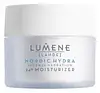
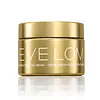
Lumene Nordic Hydra Intense Hydration 24 Hour Moisturizer Versus Eve Lom Time Retreat Daily Rejuvenating Cream
This barrier-repair moisturizer is formulated around Butyrospermum Parkii Butter and Saccharide Isomerate to strengthen the skin barrier and hydrate skin.
This anti-aging moisturizer is formulated around Sodium Hyaluronate and Retinol to soften the look of wrinkles and hydrate skin.


What's inside
What's inside
 Key Ingredients
Benefits
Concerns
Ingredients Side-by-side
Water
Skin ConditioningCaprylic/Capric Triglyceride
Masking


Butyrospermum Parkii Butter
Skin Conditioning




Glycerin
Humectant
Hydrogenated Polydecene
EmollientBetula Alba Juice
AstringentButylene Glycol
Humectant
Aluminum Starch Octenylsuccinate
Absorbent
Dimethicone
Emollient
Phenoxyethanol
Preservative
Ammonium Acryloyldimethyltaurate/Vp Copolymer
Betaine
Humectant
Saccharide Isomerate
Humectant
Tocopheryl Acetate
Antioxidant


Undecane
EmollientXylitylglucoside
Humectant
Ceteth-20
CleansingCetyl Alcohol
Emollient
Glyceryl Stearate
Emollient
PEG-75 Stearate
Surfactant
Steareth-20
CleansingPropanediol
Solvent
Anhydroxylitol
Humectant
Trehalose
Humectant
Tridecane
Perfuming

Urea
Buffering

Xylitol
Humectant
Ethylhexylglycerin
Skin ConditioningAllantoin
Skin Conditioning
PEG-8
HumectantPentylene Glycol
Skin Conditioning
Serine
Masking
Disodium EDTA
ChelatingTocopherol
Antioxidant
Citric Acid
Buffering
Sodium Citrate
BufferingAlgin
MaskingCaprylyl Glycol
Emollient
Disodium Phosphate
BufferingGlyceryl Polyacrylate
Pullulan
Sodium Hyaluronate
Humectant
Ascorbyl Palmitate
Antioxidant
Sodium Hydroxide
BufferingPotassium Phosphate
BufferingAscorbic Acid
Antioxidant
Helianthus Annuus Seed Oil
Emollient
Linalool
Perfuming

Benzyl Salicylate
Perfuming
Alpha-Isomethyl Ionone
Perfuming
Limonene
Perfuming
Citronellol
Perfuming
Parfum
Masking
Water, Caprylic/Capric Triglyceride, Butyrospermum Parkii Butter, Glycerin, Hydrogenated Polydecene, Betula Alba Juice, Butylene Glycol, Aluminum Starch Octenylsuccinate, Dimethicone, Phenoxyethanol, Ammonium Acryloyldimethyltaurate/Vp Copolymer, Betaine, Saccharide Isomerate, Tocopheryl Acetate, Undecane, Xylitylglucoside, Ceteth-20, Cetyl Alcohol, Glyceryl Stearate, PEG-75 Stearate, Steareth-20, Propanediol, Anhydroxylitol, Trehalose, Tridecane, Urea, Xylitol, Ethylhexylglycerin, Allantoin, PEG-8, Pentylene Glycol, Serine, Disodium EDTA, Tocopherol, Citric Acid, Sodium Citrate, Algin, Caprylyl Glycol, Disodium Phosphate, Glyceryl Polyacrylate, Pullulan, Sodium Hyaluronate, Ascorbyl Palmitate, Sodium Hydroxide, Potassium Phosphate, Ascorbic Acid, Helianthus Annuus Seed Oil, Linalool, Benzyl Salicylate, Alpha-Isomethyl Ionone, Limonene, Citronellol, Parfum
Water
Skin ConditioningCaprylic/Capric Triglyceride
Masking
Propanediol
Solvent
C12-15 Alkyl Benzoate
AntimicrobialC12-16 Alcohols
EmollientGlycerin
Humectant
Dimethicone
Emollient
Pentylene Glycol
Skin Conditioning
Sodium Acrylates Crosspolymer-2
AbsorbentGlyceryl Stearate Se
Emulsifying
Xylitylglucoside
Humectant
Betaine
Humectant
Palmitic Acid
Emollient
Anhydroxylitol
Humectant
Hydrogenated Lecithin
Emulsifying
Lecithin
Emollient
1,2-Hexanediol
Skin Conditioning
Crambe Abyssinica Seed Oil
Skin Conditioning
Hydroxyacetophenone
Antioxidant
Sodium Hyaluronate
Humectant
Helianthus Annuus Seed Oil
Emollient
Methylpropanediol
SolventPolyacrylate Crosspolymer-6
Emulsion StabilisingXylitol
Humectant
Tocopheryl Acetate
Antioxidant
Alcohol
Antimicrobial

Polysorbate 20
Emulsifying
Retinol
Skin Conditioning


Citric Acid
Buffering
Avena Sativa Kernel Extract
Abrasive
Lactobacillus Ferment
Skin Conditioning
Disodium EDTA
ChelatingRosmarinus Officinalis Leaf Extract
AntimicrobialRosa Damascena Extract
MaskingTephrosia Purpurea Seed Extract
Skin ConditioningRosa Damascena Flower Oil
Masking
Sodium Benzoate
Masking
Potassium Phosphate
BufferingHyaluronic Acid
Humectant
Silanetriol
BHT
Antioxidant
Potassium Sorbate
Preservative
BHA
Antioxidant
Tocopherol
Antioxidant
Ascorbyl Palmitate
Antioxidant
Citronellol
Perfuming
Geraniol
Perfuming
Water, Caprylic/Capric Triglyceride, Propanediol, C12-15 Alkyl Benzoate, C12-16 Alcohols, Glycerin, Dimethicone, Pentylene Glycol, Sodium Acrylates Crosspolymer-2, Glyceryl Stearate Se, Xylitylglucoside, Betaine, Palmitic Acid, Anhydroxylitol, Hydrogenated Lecithin, Lecithin, 1,2-Hexanediol, Crambe Abyssinica Seed Oil, Hydroxyacetophenone, Sodium Hyaluronate, Helianthus Annuus Seed Oil, Methylpropanediol, Polyacrylate Crosspolymer-6, Xylitol, Tocopheryl Acetate, Alcohol, Polysorbate 20, Retinol, Citric Acid, Avena Sativa Kernel Extract, Lactobacillus Ferment, Disodium EDTA, Rosmarinus Officinalis Leaf Extract, Rosa Damascena Extract, Tephrosia Purpurea Seed Extract, Rosa Damascena Flower Oil, Sodium Benzoate, Potassium Phosphate, Hyaluronic Acid, Silanetriol, BHT, Potassium Sorbate, BHA, Tocopherol, Ascorbyl Palmitate, Citronellol, Geraniol
Ingredients Explained
These ingredients are found in both products.
Ingredients higher up in an ingredient list are typically present in a larger amount.
This ingredient is created from dehydrating xylitol in acidic conditions. Xylitol is a famous sugar and humectant.
Much like its predecessor, anhydroxylitol is a humectant. Humectants attract and hold water to moisturize the skin.
This ingredient is most commonly found in a popular trio called Aquaxyl. Aquaxyl is made up of anhydroxylitol (24 - 34%), xylitylglucoside (35 - 50%), and xylitol (5 - 15%).
According to a manufacturer, Aquaxyl is known for a 3-D hydration concept and an anti-dehydration shield to reinforce the outer layer of skin.
This ingredient is often derived from plants such as wood and sugarcane.
Learn more about AnhydroxylitolAscorbyl Palmitate is a fat-soluble form of vitamin C (Ascorbic Acid) made by combining it with palmitic acid.
It is able to blend easily into creams and oil-based formulas because it dissolves in oils rather than water.
As you may know, regular vitamin C is notorious for breaking down when exposed to sunlight and air. Ascorbyl Palmitate is more stable and degrades at a slower rate.
Research on whether it converts efficiently into active vitamin C once it's applied on your skin is still limited.
Some in-vitro studies suggest it may support collagen production, but it is not considered one of the stronger vitamin C derivatives, like:
Due to the palmitic acid base, this ingredient may not be fungal acne safe. Comedogenic studies have also shown this ingredient to have a rating of 2.
It's also worth keeping in mind that comedogenic and irritancy ratings are tested on individual ingredients, not finished formulas. The final product's formulation, concentration, and other ingredients all play a role in how something actually behaves on your skin.
Learn more about Ascorbyl PalmitateBetaine is a humectant. Like hyaluronic acid, it helps attract and retain moisture in the skin. It’s known for being gentle and for helping the skin maintain balanced hydration.
Betaine is mainly used to improve hydration and support calmer skin. It helps skin cells regulate water balance because it functions as an osmolyte.
Some studies suggest betaine may support making skin tone more even.
Fun fact: Betaine naturally exists in the skin and the body. In cosmetic products, it can be either plant-derived (most commonly from sugar beets) or synthetically produced for consistency and stability.
Betaine is also known as trimethylglycine.
Learn more about BetaineCaprylic/Capric Triglyceride (aka MCT Oil) is a lightweight emollient, solvent, and texture enhancer. It is considered a skin-softener by helping to prevent moisture loss.
Though it behaves like an oil, it is not technically one due to its chemical composition. One perk of this ingredient is that it is very stable, resistant to oxidation, and unlikely to go rancid.
In practice, that translates to a long shelf life and a consistently elegant skin feel.
While there is an assumption Caprylic Triglyceride can clog pores due to it being derived from coconut oil, there is no research supporting this. Just patch test if you have concerns.
Fractionated coconut oil and MCT Oil are both listed as Caprylic/Capric Triglyceride according to INCI. This is because INCI names are based on the ingredient’s final chemical composition and not its marketing name or source.
This ingredient is treated as the gold standard fungal acne safe oil. Even though it is coconut derived, the problematic lauric acid is stripped out.
This leaves just caprylic (C8) and capric (C10) acid. These chain lengths actually trend antifungal; a 2020 study found caprylic acid was enough to disrupt Malassezia furfur cell membrane, with a caprylic acid derivative damaging membrane structures at concentrations as low as 0.2%.
Learn more about Caprylic/Capric TriglycerideCitric Acid is an alpha hydroxy acid (AHA) naturally found in citrus fruits like oranges, lemons, and limes.
Like other AHAs, citric acid can exfoliate skin by breaking down the bonds that hold dead skin cells together. This helps reveal smoother and brighter skin underneath.
However, this exfoliating effect only happens at high concentrations (20%) which can be hard to find in cosmetic products.
Due to this, citric acid is usually included in small amounts as a pH adjuster. This helps keep products slightly more acidic and compatible with skin's natural pH.
In skincare formulas, citric acid can:
While it can provide some skin benefits, research shows lactic acid and glycolic acid are generally more effective and less irritating exfoliants.
Most citric acid used in skincare today is made by fermenting sugars (usually from molasses). This synthetic version is identical to the natural citrus form but easier to stabilize and use in formulations.
Rosacea skin has a lower threshold for acids generally, with 62.5% of rosacea subjects in one study reacting to lactic acid in a sting test. This is why we mark citric acid as a potential rosacea trigger.
However, this ingredient shows up as a pH adjuster or chelator at roughly 0.1-1% in many products. These low levels are unlikely to be an issue for rosacea skin and becomes a potential trigger at exfoliating concentrations (20%). Because everybody's skin is unique, we recommend a patch test if you are unsure.
Learn more about Citric AcidCitronellol is used to add fragrance/parfum to a product. It is often derived from plants such as roses. In fact, it can be found in many essential oils including geranium, lavender, neroli, and more. The scent of Citronellol is often described as "fresh, grassy, and citrus-like".
Since the Citronellol molecule is already unstable, Citronellol becomes irritating on the skin when exposed to air.
Citronellol is a modified terpene. Terpenes are unsaturated hydrocarbons found in plants. They make up the primary part of essential oils.
Citronellol is not able to be absorbed into deeper layers of the skin. It has low permeability,
Citronellol is also a natural insect repellent.
Learn more about CitronellolDimethicone is a type of synthetic silicone created from natural materials such as quartz. It is also known as polydimethylsiloxane.
What it does:
Dimethicone comes in different viscosities:
Depending on the viscosity, dimethicone has different properties.
Ingredients lists don't always show which type is used, so we recommend reaching out to the brand if you have questions about the viscosity.
This ingredient is unlikely to cause irritation because it does not get absorbed into skin. However, people with silicone allergies should be careful about using this ingredient.
Note: Dimethicone may contribute to pilling. This is because it is not oil or water soluble, so pilling may occur when layered with products. When mixed with heavy oils in a formula, the outcome is also quite greasy.
Learn more about DimethiconeDisodium EDTA is a chelating agent. It grabs onto and deactivates metal ions that sneak into your products from water, packaging, or air.
This ingredient mainly works behind the scenes and helps with:
On top of that, this ingredient can counteract the effects of hard water by binding to the minerals in it.
One thing worth knowing is that Disodium EDTA has been shown to be a mild penetration enhancer. It can help other ingredients absorb into skin more effectively which can be a double-edged sword (great for actives, but can also make the active too strong if you have sensitive skin).
Clinical patch testing showed no significant skin irritation at typical use concentrations and minimal dermal absorption.
You'll most likely see this ingredient near the end of an ingredient list. It's typically found in concentrations less than 1%.
Learn more about Disodium EDTAGlycerin (or glycerol) is a compound naturally found in your skin. It's a powerhouse humectant that pulls water into the stratum corneum.
Topically, glycerin does several things at once:
Your skin makes glycerin on its own (mostly from sebaceous oil breakdown) and shuttles it to your outermost layer of skin, or your epidermis, via aquaporin-3.
Aquaporin-3 is a transporter that is essential for normal skin hydration, elasticity, and repair. Interestingly, mice lacking in AQP3 have dry and less elastic skin that can be fully corrected with glycerin.
This ingredient is non-irritating, plays well with almost every ingredient, and works across all skin types. Typical use is anywhere between 3-10% but can go up to 79% in some leave-on products.
Just know very high concentrations (>40%) can feel tacky in low humidity.
Glycerin is the name for this ingredient in American English. British English uses Glycerol/Glycerine.
Learn more about GlycerinHelianthus Annuus Seed Oil is a plant oil derived from the seeds of a sunflower.
It is rich in fatty acids, primarily linoleic acid and oleic acid. This gives it emollient and skin conditioning properties.
The reason this ingredient is so effective is because it forms a thin film on the skin that reduces transepidermal water loss (TEWL) while supplying linoleic acid to the stratum corneum to improve barrier strength.
The high linoleic acid content is particularly noteworthy for acne-prone skin.
Research suggests that acne-prone skin tends to be deficient in linoleic acid in sebum. Topical application may help replenish this to support a healthier follicular environment and less comedone-promoting sebum.
One randomized study found sunflower seed oil preserved skin barrier integrity in adult volunteers with and without atopic dermatitis (outperforming olive oil).
This ingredient is well-studied, gentle, and an effective emollient suitable for most skin types.
On fungal acne: This ingredient may not be Fungal acne (Malassezia folliculitis) safe. This is because it contains fatty acids with carbon chain lengths in the C11-C24 range.
Learn more about Helianthus Annuus Seed OilPentylene Glycol (1,2-pentanediol) is a multitasking little diol with three main roles in a formula:
Research on alkanediols (the family pentylene glycol belongs to) show they work by disrupting microbial cell membranes. This disruption helps the primary preservative system in a product work more effectively at lower doses.
On the safety side, the Cosmetic Ingredient Review Expert Panel has concluded this ingredient to be safe as used in current cosmetic practices + concentrations.
Typical use levels in a formula run about 1-5%.
Learn more about Pentylene GlycolPotassium Phosphate is the term for the salts of potassium and phosphate ions. Our bodies naturally create and use potassium phosphate.
In cosmetics, potassium phosphate is used to adjust the pH level of products. Our skin has a natural pH level. Maintaining this pH level is important for our skin barrier. If the skin barrier is disrupted, our skin can experience dehydration and irritation.
This ingredient is used in medicine to help treat low blood levels of phosphorus.
Learn more about Potassium PhosphatePropanediol is an all-star ingredient. It softens, hydrates, and smooths the skin.
It’s often used to:
Propanediol is not likely to cause sensitivity and considered safe to use. It is derived from corn or petroleum with a clear color and no scent.
Learn more about PropanediolSodium Hyaluronate is the salt form of hyaluronic acid. It is a long sugar chain that is naturally found in your skin, joints, and connective tissue that maintains hydration and elasticity.
In skincare, it works as a humectant. It pulls water from the environment and deeper layers of skin and binds it to the surface.
Interestingly, the size of the molecule affects its behavior:
Some clinical evidence links low molecular weight versions to improved wrinkle depth, elasticity, anti-inflammatory effects, and barrier repair.
Many serums use a blend of both weights so you can get surface hydration plus longer-lasting and deeper effects.
You'll typically see concentrations between 0.1-2% for this ingredient.
Learn more about Sodium HyaluronateTocopherol is a fat-soluble antioxidant known as Vitamin E.
You'll find this ingredient in the vast majority of skincare (for good reason). It works to neutralize free radicals, or unstable molecules generated by UV exposure, pollution, and other environmental stressors, before they can cause oxidative damage to your skin cells.
Topically applied tocopherol has been shown to protect against UV damage by ramping up the skin's own natural defense enzymes.
It also acts as a skin conditioning agent; some studies show that regular topical use can improve the skin's water-binding capacity over 2-4 weeks.
This ingredient is especially loved for being a team player. When combined with Vitamin C, the photoprotective effect of both ingredients roughly doubles and the combo also helps reduce UV-induced DNA damage.
This ingredient has some brightening potential but it's more of a prevention ingredient than spot-fader. Cell studies show it can slow down melanin production but it's worth noting that it's not the most powerful brightener out there.
In formulations, it also serves as a stabilizer that helps protect other oxidation-prone ingredients from degrading.
Concentrations usually range from 0.1-1% in most leave-on products.
Learn more about TocopherolTocopheryl Acetate is a stable, shelf-friendly form of vitamin E.
Formulators love it because plain vitamin E oxidizes quickly once it hits air. This acetate version stays stable and resists going off, helping to extend a product's shelf life.
It's actually inactive on its own and works like a slow-release "storage" form; the enzymes in your skin called esterases gradually convert it into active vitamin E over time.
One in vivo study showed 5% of the acetate in the living layer of the epidermis converted to vitamin E after 5 days of application. This study also found the skin gained protection against UV damage even though the conversion was slow and small.
Once converted, vitamin E acts as a skin's main fat-soluble antioxidant that fights free radicals to protect skin from damage.
Topical vitamin E generally boosts the skin's photoprotection, and it reduced UV-damage in animal models.
This ingredient has some brightening potential but it's more of a prevention ingredient than spot-fader. Cell studies show it can slow down melanin production but it's worth noting that it's not the most powerful brightener out there.
Overall, it has a pretty solid safety profile and has been found to be non-irritating and non-comedogenic. Allergic reactions may happen but stay rare due to how widely the ingredient gets used.
The concentration will vary depending on the formula; industry data shows 0.1% in baby lotions, 3% in lipsticks, and 5% in foot powders. You can also find this ingredient at 100% in a pure vitamin E oil.
Most leave-on skincare keeps it at the lower end, often between 0.5-1%.
Learn more about Tocopheryl AcetateWater. It's the most common cosmetic ingredient of all. You'll usually see it at the top of ingredient lists, meaning that it makes up the largest part of the product.
So why is it so popular? Water most often acts as a solvent - this means that it helps dissolve other ingredients into the formulation.
You'll also recognize water as that liquid we all need to stay alive. If you see this, drink a glass of water. Remember to stay hydrated!
Learn more about WaterXylitol is a humectant and prebiotic. It can help with dry skin.
In studies, xylitol has been shown to improve dry skin. It decreased transepidermal water loss, or when water passes through the skin and evaporates. Xylitol also showed to help improve the biomechanical properties of the skin barrier.
The prebiotic property of xylitol may also help reinforce our skin's natural microbiome. Having a healthy microbiome prevents infection by bad bacteria and helps with hydration.
As a humectant, Xylitol helps draw moisture from both the air and from deeper skin layers. This helps keep skin hydrated.
Xylitol is a sugar alcohol and commonly used as a sugar substitute. It is naturally occurring in plants such as strawberries and pumpkin.
Learn more about XylitolXylitylglucoside is created from xylitol and glucose, two humectants.
Not surprisingly, this ingredient is also a humectant. It attracts and holds water in your skin, helping to maintain hydration.
This ingredient is most commonly found in a popular trio called Aquaxyl. Aquaxyl is made up of anhydroxylitol(24 - 34%), xylitylglucoside (35 - 50%), and xylitol (5 - 15%).
According to a manufacturer, Aquaxyl is known for a 3-D hydration concept and an anti-dehydration shield to reinforce the outer layer of skin.
Learn more about Xylitylglucoside

