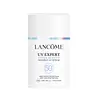
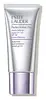
Lancôme UV Expert Supra Screen Invisible UV Serum SPF 50+ Versus Estée Lauder Perfectionist Pro Multi-Defense Aqua UV Gel SPF 50
This oil-control day moisturizer is formulated around Niacinamide to balance excess oil and fade the look of dark spots.
This chemical sunscreen covers most of the UV range, lighter on the deep UVA that drives aging.


What's inside
What's inside
 Key Ingredients
Benefits
Concerns
Ingredients Side-by-side
Water
Skin ConditioningDicaprylyl Carbonate
EmollientPhenylbenzimidazole Sulfonic Acid
UV Absorber
Alcohol Denat.
Antimicrobial




Dimethicone
Emollient

Niacinamide
Smoothing










Propanediol
Solvent
Bis-Ethylhexyloxyphenol Methoxyphenyl Triazine
UV Absorber
Butyl Methoxydibenzoylmethane
UV Absorber
Ethylhexyl Triazone
UV Absorber
Methylene Bis-Benzotriazolyl Tetramethylbutylphenol
UV Filter
Silica
Abrasive
Diethylamino Hydroxybenzoyl Hexyl Benzoate
UV Filter
Cetearyl Alcohol
Emollient




Hydroxyethyl Acrylate/Sodium Acryloyldimethyl Taurate Copolymer
Emulsion StabilisingSodium Hydroxide
BufferingTocopherol
Antioxidant

Sodium Stearoyl Glutamate
CleansingPhenoxyethanol
Preservative
PEG-20
HumectantTrisodium Ethylenediamine Disuccinate
ChelatingPolyglyceryl-10 Laurate
Skin Conditioning
Cellulose
Absorbent
Maltodextrin
Absorbent
Polysorbate 60
Emulsifying
Pentylene Glycol
Skin Conditioning
Xanthan Gum
EmulsifyingParfum
Masking

Taraxacum Officinale Rhizome/Root Extract
Skin ConditioningTaraxacum Officinale Extract
Skin ConditioningSorbitan Isostearate
Emulsifying
Butylene Glycol
Humectant
Cetearyl Glucoside
Emulsifying
Lauroyl Lysine
Skin Conditioning
Inulin Lauryl Carbamate
Emulsion StabilisingBixa Orellana Seed Extract
MaskingGlycerin
Humectant
Water, Dicaprylyl Carbonate, Phenylbenzimidazole Sulfonic Acid, Alcohol Denat., Dimethicone, Niacinamide, Propanediol, Bis-Ethylhexyloxyphenol Methoxyphenyl Triazine, Butyl Methoxydibenzoylmethane, Ethylhexyl Triazone, Methylene Bis-Benzotriazolyl Tetramethylbutylphenol, Silica, Diethylamino Hydroxybenzoyl Hexyl Benzoate, Cetearyl Alcohol, Hydroxyethyl Acrylate/Sodium Acryloyldimethyl Taurate Copolymer, Sodium Hydroxide, Tocopherol, Sodium Stearoyl Glutamate, Phenoxyethanol, PEG-20, Trisodium Ethylenediamine Disuccinate, Polyglyceryl-10 Laurate, Cellulose, Maltodextrin, Polysorbate 60, Pentylene Glycol, Xanthan Gum, Parfum, Taraxacum Officinale Rhizome/Root Extract, Taraxacum Officinale Extract, Sorbitan Isostearate, Butylene Glycol, Cetearyl Glucoside, Lauroyl Lysine, Inulin Lauryl Carbamate, Bixa Orellana Seed Extract, Glycerin
Butyl Methoxydibenzoylmethane 3%
UV Absorber
Homosalate 5%
Skin Conditioning
Ethylhexyl Salicylate 4.5%
UV Absorber
Octocrylene 2.8%
UV Absorber
Benzophenone-3 3%
UV Absorber
Water
Skin ConditioningAlcohol Denat.
Antimicrobial
Butylene Glycol
Humectant
Tocopheryl Acetate
Antioxidant
Sodium Hyaluronate
Humectant
Camellia Sinensis Leaf Extract
Antimicrobial
Anthemis Nobilis Flower Extract
Masking
Algae Extract
Emollient
Triticum Vulgare Germ Extract
Skin ConditioningLaminaria Ochroleuca Extract
Skin Conditioning
Polygonum Cuspidatum Root Extract
Antioxidant
Squalane
Emollient
Hordeum Vulgare Extract
EmollientLilium Tigrinum Extract
Skin ConditioningOpuntia Tuna Fruit Extract
Skin ConditioningCaffeine
Skin Conditioning
Acrylates Copolymer
Caprylic/Capric Triglyceride
Masking
Caprylyl Glycol
Emollient
Cholesterol
Emollient
Ergothioneine
Antioxidant
Glycerin
Humectant
Sucrose
Humectant
Alcaligenes Polysaccharides
EmollientThermus Thermophillus Ferment
Skin ConditioningSorbitan Sesquiisostearate
Emulsifying
Tetrahexyldecyl Ascorbate
Antioxidant
Hexylene Glycol
EmulsifyingAcrylates/Beheneth-25 Methacrylate Copolymer
Sodium Hydroxide
BufferingDehydroxanthan Gum
Emulsion StabilisingDipropylene Glycol
HumectantCarbomer
Emulsion StabilisingPPG-8-Ceteth-20
EmulsifyingDextrin Palmitate
Emulsifying
Cyclodextrin
AbsorbentAcrylates/C10-30 Alkyl Acrylate Crosspolymer
Emulsion StabilisingSorbeth-30 Tetraisostearate
Emulsifying
Glyceryl Stearate
Emollient
Polymethylsilsesquioxane
Ammonium Acryloyldimethyltaurate/Vp Copolymer
BHT
Antioxidant
Ethylbisiminomethylguaiacol Manganese Chloride
Antioxidant
Disodium EDTA
ChelatingPhenoxyethanol
Preservative
Butyl Methoxydibenzoylmethane 3%, Homosalate 5%, Ethylhexyl Salicylate 4.5%, Octocrylene 2.8%, Benzophenone-3 3%, Water, Alcohol Denat., Butylene Glycol, Tocopheryl Acetate, Sodium Hyaluronate, Camellia Sinensis Leaf Extract, Anthemis Nobilis Flower Extract, Algae Extract, Triticum Vulgare Germ Extract, Laminaria Ochroleuca Extract, Polygonum Cuspidatum Root Extract, Squalane, Hordeum Vulgare Extract, Lilium Tigrinum Extract, Opuntia Tuna Fruit Extract, Caffeine, Acrylates Copolymer, Caprylic/Capric Triglyceride, Caprylyl Glycol, Cholesterol, Ergothioneine, Glycerin, Sucrose, Alcaligenes Polysaccharides, Thermus Thermophillus Ferment, Sorbitan Sesquiisostearate, Tetrahexyldecyl Ascorbate, Hexylene Glycol, Acrylates/Beheneth-25 Methacrylate Copolymer, Sodium Hydroxide, Dehydroxanthan Gum, Dipropylene Glycol, Carbomer, PPG-8-Ceteth-20, Dextrin Palmitate, Cyclodextrin, Acrylates/C10-30 Alkyl Acrylate Crosspolymer, Sorbeth-30 Tetraisostearate, Glyceryl Stearate, Polymethylsilsesquioxane, Ammonium Acryloyldimethyltaurate/Vp Copolymer, BHT, Ethylbisiminomethylguaiacol Manganese Chloride, Disodium EDTA, Phenoxyethanol
Reviews
Ingredients Explained
These ingredients are found in both products.
Ingredients higher up in an ingredient list are typically present in a larger amount.
Alcohol Denat. is an alcohol with a denaturant property. It is created by mixing ethanol with other additives.
The "denat" part just means "denatured"; common denaturants include Denatonium Benzoate, t-butyl alcohol, and Diethyl Phthalate. This step makes the alcohol undrinkable (and lets brand skip taxes related to beverage alcohol).
This ingredient gets a bad rep because it is irritating and drying due to its astringent property. Astringents draw out natural oils in tissue to constrict pores and dry out your skin.
However, alcohol denat. is not all that bad.
Due to its low molecular weight, alcohol denat. tends to evaporate quickly. One study on pig skin found half of applied alcohol evaporated in 10 seconds and less than 3% stayed on skin.
This also helps other ingredients become better absorbed upon application.
Studies are conflicted about whether this ingredient causes skin dehydration. One study from 2005 found adding emollients to propanol-based sanitizer decreased skin dryness and irritation. Another study found irritation only occurs if your skin is already damaged.
Small amounts of alcohol are generally tolerated by oily skin or people who live in humid environments.
The rule of thumb is this ingredient will probably not affect your skin much if it is near the end of an ingredients list.
One thing to note:
People with ALDH2 (aldehyde dehydrogenase 2) deficiency may experience skin irritation from continued alcohol use. About 8% of the world's population have this deficiency.
The Cosmetic Ingredient Review Expert Panel has determined denatured alcohols to be safe for use in concentrations between 0.05% and 12% (depending on which denaturant is used).
Also...
This ingredient has antimicrobial and solvent properties.
The antimicrobial property helps preserve products and increase their shelf life. As a solvent, it helps dissolve other ingredients.
Look for formulas that contain glycerin, hyaluronic acid, or panthenol if you want to offset any drying effect.
This ingredient will trip away your skin's natural oils/lipids that help it lock in moisture. This can worsen dryness, trigger eczema flare-ups, and aggravate rosacea.
Be sure to patch test any product with this ingredient if you have dry or sensitive skin, eczema, or rosacea.
Learn more about Alcohol Denat.Also known as Avobenzone, this ingredient is an oil-soluble used to absorb the full spectrum of UVA rays (peak 357 nm).
It's one of the most effective UVA filters available but has a major caveat of photostability: avobenzone is susceptible to photodegradation.
This means it can lose efficacy when exposed to sunlight without the help of a stabilizing agent.
Studies show antioxidants (like vitamin E or vitamin C) and some UV filters (like octocrylene and Tinosorb S) can meaningfully improve its stability in a formulation.
The maximum allowable concentration according to regulation is 3% in the US + Canada, and 5% in the EU, Australia, China, Korea, and ASEAN countries.
It has a well-support safety profile: a comprehensive 2025 review found minimal toxicity with no evidence of carcinogenicity.
Overall, avobenzone is a safe and regulated ingredient used in sunscreen for over 40 years.
Learn more about Butyl MethoxydibenzoylmethaneButylene Glycol (or BG) is used within cosmetic products for a few different reasons:
Overall, Butylene Glycol is a safe and well-rounded ingredient that works well with other ingredients.
Though this ingredient works well with most skin types, some people with sensitive skin may experience a reaction such as allergic rashes, closed comedones, or itchiness.
Learn more about Butylene GlycolGlycerin (or glycerol) is a compound naturally found in your skin. It's a powerhouse humectant that pulls water into the stratum corneum.
Topically, glycerin does several things at once:
Your skin makes glycerin on its own (mostly from sebaceous oil breakdown) and shuttles it to your outermost layer of skin, or your epidermis, via aquaporin-3.
Aquaporin-3 is a transporter that is essential for normal skin hydration, elasticity, and repair. Interestingly, mice lacking in AQP3 have dry and less elastic skin that can be fully corrected with glycerin.
This ingredient is non-irritating, plays well with almost every ingredient, and works across all skin types. Typical use is anywhere between 3-10% but can go up to 79% in some leave-on products.
Just know very high concentrations (>40%) can feel tacky in low humidity.
Glycerin is the name for this ingredient in American English. British English uses Glycerol/Glycerine.
Learn more about GlycerinPhenoxyethanol is one of the most widely used preservatives in skincare (and for good reason!).
It has a large spectrum of antimicrobial activity and especially effective bacteria, yeast, and mold while only having a weak effect on your skin's natural microbiome.
On a cellular level, it disrupts the cell membranes of microbes by poking holes that make the cell leak. This shuts down the chemical reactions the microbe needs to make energy so it can no longer survive.
Another perk of this ingredient is that it stays functional across a wide pH range (3-10).
You'll often see it paired with boosters like Ethylhexylglycerin; one study showed that a 1:9 ratio of Ethylhexylglycerin to Phenoxyethanol damages bacterial membranes as effectively as doubling the Phenoxyethanol concentration on its own.
Typical use concentrations range from 0.3-1% depending on the formula, and this ingredient is capped at 1% int the EU.
Safety-wise, the fear mongering does not hold up to the evidence. The EU's Scientific Committee on Consumer Safety and FDA consider it safe as a preservative at up to 1%, including for children of all ages.
Adverse systemic effects only showed up in animal studies at exposures roughly 200x higher than what people get from cosmetics. And despite its very widespread use, this ingredient is a rare sensitizer and allergic reactions are uncommon.
Learn more about PhenoxyethanolSodium Hydroxide is also known as lye or caustic soda. It is used to adjust the pH of products; many ingredients require a specific pH to be effective.
In small amounts, sodium hydroxide is considered safe to use. However, large amounts may cause chemical burns due to its high alkaline.
Your skin has a natural pH and acid mantle. This acid mantle helps prevent harmful bacteria from breaking through. The acid mantle also helps keep your skin hydrated.
"Alkaline" refers to a high pH level. A low pH level would be considered acidic.
Learn more about Sodium HydroxideWater. It's the most common cosmetic ingredient of all. You'll usually see it at the top of ingredient lists, meaning that it makes up the largest part of the product.
So why is it so popular? Water most often acts as a solvent - this means that it helps dissolve other ingredients into the formulation.
You'll also recognize water as that liquid we all need to stay alive. If you see this, drink a glass of water. Remember to stay hydrated!
Learn more about Water

