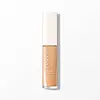
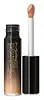
Lancôme Teint Idôle Ultra Wear Care And Glow Concealer Versus Mac Cosmetics Studio Radiance 24Hr Luminous Lift Concealer


What's inside
What's inside
 Key Ingredients
Benefits
Concerns
Ingredients Side-by-side
Water
Skin ConditioningDimethicone
Emollient

Isododecane
EmollientAlcohol Denat.
Antimicrobial




Trimethylsiloxysilicate
Emollient
Butylene Glycol
Humectant

PEG-10 Dimethicone
Skin Conditioning
Perlite
Absorbent

Synthetic Fluorphlogopite
Moringa Oleifera Seed Extract
Skin Conditioning
Polymnia Sonchifolia Root Juice
Skin ConditioningCalcium Aluminum Borosilicate
Glycerin
Humectant
Dipentaerythrityl Tetrahydroxystearate/Tetraisostearate
Skin Conditioning
Alpha-Glucan Oligosaccharide
Cleansing
Sodium Hyaluronate
Humectant


Silica
Abrasive
Silica Silylate
Emollient
Hdi/Trimethylol Hexyllactone Crosspolymer
Cellulose
Absorbent
Aluminum Hydroxide
EmollientMagnesium Sulfate
Nylon-12

Disodium Phosphate
BufferingDisodium Stearoyl Glutamate
CleansingIsopropyl Lauroyl Sarcosinate
Skin ConditioningHydrogen Dimethicone
Citric Acid
Buffering

Diisopropyl Sebacate
EmollientBis-PEG/PPG-14/14 Dimethicone
Emollient
Lactobacillus
Skin ConditioningMaltodextrin
Absorbent
Disteardimonium Hectorite
StabilisingBHT
Antioxidant
Tocopherol
Antioxidant

Phenoxyethanol
Preservative
Titanium Dioxide
Cosmetic Colorant
Iron Oxides
Water, Dimethicone, Isododecane, Alcohol Denat., Trimethylsiloxysilicate, Butylene Glycol, PEG-10 Dimethicone, Perlite, Synthetic Fluorphlogopite, Moringa Oleifera Seed Extract, Polymnia Sonchifolia Root Juice, Calcium Aluminum Borosilicate, Glycerin, Dipentaerythrityl Tetrahydroxystearate/Tetraisostearate, Alpha-Glucan Oligosaccharide, Sodium Hyaluronate, Silica, Silica Silylate, Hdi/Trimethylol Hexyllactone Crosspolymer, Cellulose, Aluminum Hydroxide, Magnesium Sulfate, Nylon-12, Disodium Phosphate, Disodium Stearoyl Glutamate, Isopropyl Lauroyl Sarcosinate, Hydrogen Dimethicone, Citric Acid, Diisopropyl Sebacate, Bis-PEG/PPG-14/14 Dimethicone, Lactobacillus, Maltodextrin, Disteardimonium Hectorite, BHT, Tocopherol, Phenoxyethanol, Titanium Dioxide, Iron Oxides
Water
Skin ConditioningPhenyl Trimethicone
Skin Conditioning
Trimethylsiloxysilicate
Emollient
Methyl Trimethicone
Skin Conditioning
Glycerin
Humectant
C9-12 Alkane
SolventNiacinamide
Smoothing


Butylene Glycol
Humectant
Neopentyl Glycol Diheptanoate
EmollientAscorbyl Glucoside
Antioxidant
Lauryl PEG-9 Polydimethylsiloxyethyl Dimethicone
Skin Conditioning
Silica
Abrasive
Olea Europaea Fruit Oil
Masking


Simmondsia Chinensis Seed Oil
Emollient
Hydrogenated Polyisobutene
EmollientPolysilicone-11
Hydroxyethyl Urea
Humectant
Algae Extract
Emollient
Tocopheryl Acetate
Antioxidant
Sodium PCA
Humectant
Helianthus Annuus Seed Extract
Skin Conditioning
Caffeine
Skin Conditioning
Sodium Hyaluronate
Humectant
Hordeum Vulgare Extract
EmollientTrametes Versicolor Extract
Cucumis Sativus Fruit Extract
Emollient
PEG-10 Dimethicone
Skin Conditioning
Propylene Glycol Dicaprate
EmollientSorbitol
Humectant
Caprylyl Glycol
Emollient
Trehalose
Humectant
Triethyl Citrate
Masking
Dipotassium Glycyrrhizate
Humectant
Salicylic Acid
Masking
Sodium Chloride
MaskingVinyl Dimethicone/Methicone Silsesquioxane Crosspolymer
Triethoxycaprylylsilane
Disteardimonium Hectorite
StabilisingAmmonium Acryloyldimethyltaurate/Vp Copolymer
Dimethicone/PEG-10/15 Crosspolymer
Alumina
Abrasive
Lecithin
Emollient
Zinc Stearate
Cosmetic ColorantPropylene Glycol Caprylate
Skin ConditioningSodium Hydroxide
BufferingSodium Citrate
BufferingLaureth-7
EmulsifyingSynthetic Fluorphlogopite
Magnesium Aluminum Silicate
Absorbent
Hexylene Glycol
EmulsifyingDisodium EDTA
ChelatingCitric Acid
Buffering
Dipropylene Glycol
HumectantTin Oxide
Abrasive
Resveratrol
Antioxidant
Phenoxyethanol
Preservative
Potassium Sorbate
Preservative
CI 77891
Cosmetic ColorantCI 77492
Cosmetic ColorantCI 77491
Cosmetic ColorantCI 77499
Cosmetic ColorantWater, Phenyl Trimethicone, Trimethylsiloxysilicate, Methyl Trimethicone, Glycerin, C9-12 Alkane, Niacinamide, Butylene Glycol, Neopentyl Glycol Diheptanoate, Ascorbyl Glucoside, Lauryl PEG-9 Polydimethylsiloxyethyl Dimethicone, Silica, Olea Europaea Fruit Oil, Simmondsia Chinensis Seed Oil, Hydrogenated Polyisobutene, Polysilicone-11, Hydroxyethyl Urea, Algae Extract, Tocopheryl Acetate, Sodium PCA, Helianthus Annuus Seed Extract, Caffeine, Sodium Hyaluronate, Hordeum Vulgare Extract, Trametes Versicolor Extract, Cucumis Sativus Fruit Extract, PEG-10 Dimethicone, Propylene Glycol Dicaprate, Sorbitol, Caprylyl Glycol, Trehalose, Triethyl Citrate, Dipotassium Glycyrrhizate, Salicylic Acid, Sodium Chloride, Vinyl Dimethicone/Methicone Silsesquioxane Crosspolymer, Triethoxycaprylylsilane, Disteardimonium Hectorite, Ammonium Acryloyldimethyltaurate/Vp Copolymer, Dimethicone/PEG-10/15 Crosspolymer, Alumina, Lecithin, Zinc Stearate, Propylene Glycol Caprylate, Sodium Hydroxide, Sodium Citrate, Laureth-7, Synthetic Fluorphlogopite, Magnesium Aluminum Silicate, Hexylene Glycol, Disodium EDTA, Citric Acid, Dipropylene Glycol, Tin Oxide, Resveratrol, Phenoxyethanol, Potassium Sorbate, CI 77891, CI 77492, CI 77491, CI 77499
Reviews
Ingredients Explained
These ingredients are found in both products.
Ingredients higher up in an ingredient list are typically present in a larger amount.
Butylene Glycol (or BG) is used within cosmetic products for a few different reasons:
Overall, Butylene Glycol is a safe and well-rounded ingredient that works well with other ingredients.
Though this ingredient works well with most skin types, some people with sensitive skin may experience a reaction such as allergic rashes, closed comedones, or itchiness.
Learn more about Butylene GlycolCitric Acid is an alpha hydroxy acid (AHA) naturally found in citrus fruits like oranges, lemons, and limes.
Like other AHAs, citric acid can exfoliate skin by breaking down the bonds that hold dead skin cells together. This helps reveal smoother and brighter skin underneath.
However, this exfoliating effect only happens at high concentrations (20%) which can be hard to find in cosmetic products.
Due to this, citric acid is usually included in small amounts as a pH adjuster. This helps keep products slightly more acidic and compatible with skin's natural pH.
In skincare formulas, citric acid can:
While it can provide some skin benefits, research shows lactic acid and glycolic acid are generally more effective and less irritating exfoliants.
Most citric acid used in skincare today is made by fermenting sugars (usually from molasses). This synthetic version is identical to the natural citrus form but easier to stabilize and use in formulations.
Rosacea skin has a lower threshold for acids generally, with 62.5% of rosacea subjects in one study reacting to lactic acid in a sting test. This is why we mark citric acid as a potential rosacea trigger.
However, this ingredient shows up as a pH adjuster or chelator at roughly 0.1-1% in many products. These low levels are unlikely to be an issue for rosacea skin and becomes a potential trigger at exfoliating concentrations (20%). Because everybody's skin is unique, we recommend a patch test if you are unsure.
Learn more about Citric AcidDisteardimonium Hectorite comes from the clay mineral named hectorite. It is used to add thickness to a product.
It can also help stabilize a product by helping to disperse other ingredients.
Hectorite is a rare, white clay mineral.
Learn more about Disteardimonium HectoriteGlycerin (or glycerol) is a compound naturally found in your skin. It's a powerhouse humectant that pulls water into the stratum corneum.
Topically, glycerin does several things at once:
Your skin makes glycerin on its own (mostly from sebaceous oil breakdown) and shuttles it to your outermost layer of skin, or your epidermis, via aquaporin-3.
Aquaporin-3 is a transporter that is essential for normal skin hydration, elasticity, and repair. Interestingly, mice lacking in AQP3 have dry and less elastic skin that can be fully corrected with glycerin.
This ingredient is non-irritating, plays well with almost every ingredient, and works across all skin types. Typical use is anywhere between 3-10% but can go up to 79% in some leave-on products.
Just know very high concentrations (>40%) can feel tacky in low humidity.
Glycerin is the name for this ingredient in American English. British English uses Glycerol/Glycerine.
Learn more about GlycerinPeg-10 Dimethicone is silicone with conditioner and emulsifier properties. It mostly acts as an emollient in skincare and and humectant in haircare.
According to the manufacturer, acidic formulations decrease the stability of this ingredient. It works best in neutral or near neutral formulations.
Phenoxyethanol is one of the most widely used preservatives in skincare (and for good reason!).
It has a large spectrum of antimicrobial activity and especially effective bacteria, yeast, and mold while only having a weak effect on your skin's natural microbiome.
On a cellular level, it disrupts the cell membranes of microbes by poking holes that make the cell leak. This shuts down the chemical reactions the microbe needs to make energy so it can no longer survive.
Another perk of this ingredient is that it stays functional across a wide pH range (3-10).
You'll often see it paired with boosters like Ethylhexylglycerin; one study showed that a 1:9 ratio of Ethylhexylglycerin to Phenoxyethanol damages bacterial membranes as effectively as doubling the Phenoxyethanol concentration on its own.
Typical use concentrations range from 0.3-1% depending on the formula, and this ingredient is capped at 1% int the EU.
Safety-wise, the fear mongering does not hold up to the evidence. The EU's Scientific Committee on Consumer Safety and FDA consider it safe as a preservative at up to 1%, including for children of all ages.
Adverse systemic effects only showed up in animal studies at exposures roughly 200x higher than what people get from cosmetics. And despite its very widespread use, this ingredient is a rare sensitizer and allergic reactions are uncommon.
Learn more about PhenoxyethanolSilica, also known as silicon dioxide, is a naturally occurring mineral. It is used as a fine, spherical, and porous powder in cosmetics.
Though it has exfoliant properties, the function of silica varies depending on the product.
The unique structure of silica enhances the spreadability and adds smoothness, making it a great texture enhancer.
It is also used as an active carrier, emulsifier, and mattifier due to its ability to absorb excess oil.
In some products, tiny microneedles called spicules are made from silica or hydrolyzed sponge. When you rub them in, they lightly polish away dead skin layers and enhance the penetration of active ingredients.
Learn more about SilicaSodium Hyaluronate is the salt form of hyaluronic acid. It is a long sugar chain that is naturally found in your skin, joints, and connective tissue that maintains hydration and elasticity.
In skincare, it works as a humectant. It pulls water from the environment and deeper layers of skin and binds it to the surface.
Interestingly, the size of the molecule affects its behavior:
Some clinical evidence links low molecular weight versions to improved wrinkle depth, elasticity, anti-inflammatory effects, and barrier repair.
Many serums use a blend of both weights so you can get surface hydration plus longer-lasting and deeper effects.
You'll typically see concentrations between 0.1-2% for this ingredient.
Learn more about Sodium HyaluronateSynthetic Fluorphlogopite is the synthethic version of mica. It consists of fluorine, aluminum and silicate.
Synthetic Fluorphlogopite is used to add volume to products.
It is considered non-irritating on the skin.
Learn more about Synthetic FluorphlogopiteThis silicone is an emollient. Emollients create a thin film on the skin to prevent moisture from escaping.
It is not soluble in water and helps increase water-resistance in products.
According to a manufacturer, it can blend seamlessly with silicone oils, such as Cyclopentasiloxane.
Learn more about TrimethylsiloxysilicateWater. It's the most common cosmetic ingredient of all. You'll usually see it at the top of ingredient lists, meaning that it makes up the largest part of the product.
So why is it so popular? Water most often acts as a solvent - this means that it helps dissolve other ingredients into the formulation.
You'll also recognize water as that liquid we all need to stay alive. If you see this, drink a glass of water. Remember to stay hydrated!
Learn more about Water