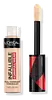
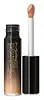
L'Oreal Infallible Full Wear Waterproof Concealer Versus Mac Cosmetics Studio Radiance 24Hr Luminous Lift Concealer


What's inside
What's inside
 Key Ingredients
Benefits
Concerns
Ingredients Side-by-side
Water
Skin ConditioningUndecane
EmollientGlycerin
Humectant


Dimethicone
Emollient
Polyglyceryl-4 Isostearate
Emulsifying

Synthetic Fluorphlogopite
Pentylene Glycol
Skin Conditioning
Butylene Glycol
Humectant
Tridecane
Perfuming

Cetyl PEG/PPG-10/1 Dimethicone
Emulsifying
Hexyl Laurate
Emollient
Magnesium Sulfate
Polyhydroxystearic Acid
Emulsifying
Octyldodecanol
Emollient
Disteardimonium Hectorite
StabilisingDisodium Stearoyl Glutamate
CleansingCellulose Gum
Emulsion StabilisingEthylhexylglycerin
Skin ConditioningSilica Silylate
Emollient
Acrylonitrile/Methyl Methacrylate/Vinylidene Chloride Copolymer
Parfum
Masking

Trihydroxystearin
Skin Conditioning
Aluminum Hydroxide
EmollientAcetylated Glycol Stearate
Emollient
Isobutane
Hexyl Cinnamal
Perfuming
Benzyl Salicylate
Perfuming
Linalool
Perfuming
Alpha-Isomethyl Ionone
Perfuming
Benzyl Alcohol
Perfuming

Tocopherol
Antioxidant





Citronellol
Perfuming
Helianthus Annuus Seed Oil
Emollient
Pentaerythrityl Tetra-Di-T-Butyl Hydroxyhydrocinnamate
Antioxidant
CI 77891
Cosmetic ColorantCI 77491
Cosmetic ColorantCI 77492
Cosmetic ColorantCI 77499
Cosmetic ColorantCI 77510
Cosmetic ColorantWater, Undecane, Glycerin, Dimethicone, Polyglyceryl-4 Isostearate, Synthetic Fluorphlogopite, Pentylene Glycol, Butylene Glycol, Tridecane, Cetyl PEG/PPG-10/1 Dimethicone, Hexyl Laurate, Magnesium Sulfate, Polyhydroxystearic Acid, Octyldodecanol, Disteardimonium Hectorite, Disodium Stearoyl Glutamate, Cellulose Gum, Ethylhexylglycerin, Silica Silylate, Acrylonitrile/Methyl Methacrylate/Vinylidene Chloride Copolymer, Parfum, Trihydroxystearin, Aluminum Hydroxide, Acetylated Glycol Stearate, Isobutane, Hexyl Cinnamal, Benzyl Salicylate, Linalool, Alpha-Isomethyl Ionone, Benzyl Alcohol, Tocopherol, Citronellol, Helianthus Annuus Seed Oil, Pentaerythrityl Tetra-Di-T-Butyl Hydroxyhydrocinnamate, CI 77891, CI 77491, CI 77492, CI 77499, CI 77510
Water
Skin ConditioningPhenyl Trimethicone
Skin Conditioning
Trimethylsiloxysilicate
Emollient
Methyl Trimethicone
Skin Conditioning
Glycerin
Humectant
C9-12 Alkane
SolventNiacinamide
Smoothing




Butylene Glycol
Humectant
Neopentyl Glycol Diheptanoate
EmollientAscorbyl Glucoside
Antioxidant
Lauryl PEG-9 Polydimethylsiloxyethyl Dimethicone
Skin Conditioning
Silica
Abrasive
Olea Europaea Fruit Oil
Masking
Simmondsia Chinensis Seed Oil
Emollient
Hydrogenated Polyisobutene
EmollientPolysilicone-11
Hydroxyethyl Urea
Humectant
Algae Extract
Emollient
Tocopheryl Acetate
Antioxidant
Sodium PCA
Humectant
Helianthus Annuus Seed Extract
Skin Conditioning
Caffeine
Skin Conditioning
Sodium Hyaluronate
Humectant
Hordeum Vulgare Extract
EmollientTrametes Versicolor Extract
Cucumis Sativus Fruit Extract
Emollient
PEG-10 Dimethicone
Skin Conditioning
Propylene Glycol Dicaprate
EmollientSorbitol
Humectant
Caprylyl Glycol
Emollient
Trehalose
Humectant
Triethyl Citrate
Masking
Dipotassium Glycyrrhizate
Humectant
Salicylic Acid
Masking

Sodium Chloride
MaskingVinyl Dimethicone/Methicone Silsesquioxane Crosspolymer
Triethoxycaprylylsilane
Disteardimonium Hectorite
StabilisingAmmonium Acryloyldimethyltaurate/Vp Copolymer
Dimethicone/PEG-10/15 Crosspolymer
Alumina
Abrasive
Lecithin
Emollient
Zinc Stearate
Cosmetic ColorantPropylene Glycol Caprylate
Skin ConditioningSodium Hydroxide
BufferingSodium Citrate
BufferingLaureth-7
EmulsifyingSynthetic Fluorphlogopite
Magnesium Aluminum Silicate
Absorbent
Hexylene Glycol
EmulsifyingDisodium EDTA
ChelatingCitric Acid
Buffering
Dipropylene Glycol
HumectantTin Oxide
Abrasive
Resveratrol
Antioxidant
Phenoxyethanol
Preservative
Potassium Sorbate
Preservative
CI 77891
Cosmetic ColorantCI 77492
Cosmetic ColorantCI 77491
Cosmetic ColorantCI 77499
Cosmetic ColorantWater, Phenyl Trimethicone, Trimethylsiloxysilicate, Methyl Trimethicone, Glycerin, C9-12 Alkane, Niacinamide, Butylene Glycol, Neopentyl Glycol Diheptanoate, Ascorbyl Glucoside, Lauryl PEG-9 Polydimethylsiloxyethyl Dimethicone, Silica, Olea Europaea Fruit Oil, Simmondsia Chinensis Seed Oil, Hydrogenated Polyisobutene, Polysilicone-11, Hydroxyethyl Urea, Algae Extract, Tocopheryl Acetate, Sodium PCA, Helianthus Annuus Seed Extract, Caffeine, Sodium Hyaluronate, Hordeum Vulgare Extract, Trametes Versicolor Extract, Cucumis Sativus Fruit Extract, PEG-10 Dimethicone, Propylene Glycol Dicaprate, Sorbitol, Caprylyl Glycol, Trehalose, Triethyl Citrate, Dipotassium Glycyrrhizate, Salicylic Acid, Sodium Chloride, Vinyl Dimethicone/Methicone Silsesquioxane Crosspolymer, Triethoxycaprylylsilane, Disteardimonium Hectorite, Ammonium Acryloyldimethyltaurate/Vp Copolymer, Dimethicone/PEG-10/15 Crosspolymer, Alumina, Lecithin, Zinc Stearate, Propylene Glycol Caprylate, Sodium Hydroxide, Sodium Citrate, Laureth-7, Synthetic Fluorphlogopite, Magnesium Aluminum Silicate, Hexylene Glycol, Disodium EDTA, Citric Acid, Dipropylene Glycol, Tin Oxide, Resveratrol, Phenoxyethanol, Potassium Sorbate, CI 77891, CI 77492, CI 77491, CI 77499
Reviews
Ingredients Explained
These ingredients are found in both products.
Ingredients higher up in an ingredient list are typically present in a larger amount.
Butylene Glycol (or BG) is used within cosmetic products for a few different reasons:
Overall, Butylene Glycol is a safe and well-rounded ingredient that works well with other ingredients.
Though this ingredient works well with most skin types, some people with sensitive skin may experience a reaction such as allergic rashes, closed comedones, or itchiness.
Learn more about Butylene GlycolCi 77491 is also hydrated iron III oxide. It's sole purpose is to give a red/pink hue to products.
Iron III oxides are classified as inorganic chemicals for coloring.
Synthetically created Ci 77491 is considered safer than those naturally found. This is because the synthetically created version may contain less impurities. Iron oxides are generally non-toxic and non-allergenic.
Learn more about CI 77491CI 77492 is also hydrated iron III oxide. It's sole purpose is to give a yellow hue to products.
Iron III oxides are classified as inorganic chemicals for coloring.
Synthetically created CI 77492 is considered safer than those naturally found. This is because the synthetically created version may contain less impurities. Iron oxides are generally non-toxic and non-allergenic.
Learn more about CI 77492Ci 77499 is also hydrated iron III oxide. It is created from mixing red and black iron oxides. This helps give shades of darkness to a product.
Iron III oxides are classified as inorganic chemicals for coloring.
Ci 77891 is a white pigment from Titanium dioxide. It is naturally found in minerals such as rutile and ilmenite.
It's main function is to add a white color to cosmetics. It can also be mixed with other colors to create different shades.
Ci 77891 is commonly found in sunscreens due to its ability to block UV rays.
Learn more about CI 77891Disteardimonium Hectorite comes from the clay mineral named hectorite. It is used to add thickness to a product.
It can also help stabilize a product by helping to disperse other ingredients.
Hectorite is a rare, white clay mineral.
Learn more about Disteardimonium HectoriteGlycerin (or glycerol) is a compound naturally found in your skin. It's a powerhouse humectant that pulls water into the stratum corneum.
Topically, glycerin does several things at once:
Your skin makes glycerin on its own (mostly from sebaceous oil breakdown) and shuttles it to your outermost layer of skin, or your epidermis, via aquaporin-3.
Aquaporin-3 is a transporter that is essential for normal skin hydration, elasticity, and repair. Interestingly, mice lacking in AQP3 have dry and less elastic skin that can be fully corrected with glycerin.
This ingredient is non-irritating, plays well with almost every ingredient, and works across all skin types. Typical use is anywhere between 3-10% but can go up to 79% in some leave-on products.
Just know very high concentrations (>40%) can feel tacky in low humidity.
Glycerin is the name for this ingredient in American English. British English uses Glycerol/Glycerine.
Learn more about GlycerinSynthetic Fluorphlogopite is the synthethic version of mica. It consists of fluorine, aluminum and silicate.
Synthetic Fluorphlogopite is used to add volume to products.
It is considered non-irritating on the skin.
Learn more about Synthetic FluorphlogopiteWater. It's the most common cosmetic ingredient of all. You'll usually see it at the top of ingredient lists, meaning that it makes up the largest part of the product.
So why is it so popular? Water most often acts as a solvent - this means that it helps dissolve other ingredients into the formulation.
You'll also recognize water as that liquid we all need to stay alive. If you see this, drink a glass of water. Remember to stay hydrated!
Learn more about Water

