

What's inside
What's inside
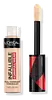 Key Ingredients
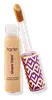
Benefits
Concerns
Ingredients Side-by-side
Water
Skin ConditioningUndecane
EmollientGlycerin
Humectant


Dimethicone
Emollient
Polyglyceryl-4 Isostearate
Emulsifying

Synthetic Fluorphlogopite
Pentylene Glycol
Skin Conditioning
Butylene Glycol
Humectant
Tridecane
Perfuming

Cetyl PEG/PPG-10/1 Dimethicone
Emulsifying
Hexyl Laurate
Emollient
Magnesium Sulfate
Polyhydroxystearic Acid
Emulsifying
Octyldodecanol
Emollient
Disteardimonium Hectorite
StabilisingDisodium Stearoyl Glutamate
CleansingCellulose Gum
Emulsion StabilisingEthylhexylglycerin
Skin ConditioningSilica Silylate
Emollient
Acrylonitrile/Methyl Methacrylate/Vinylidene Chloride Copolymer
Parfum
Masking

Trihydroxystearin
Skin Conditioning
Aluminum Hydroxide
EmollientAcetylated Glycol Stearate
Emollient
Isobutane
Hexyl Cinnamal
Perfuming
Benzyl Salicylate
Perfuming
Linalool
Perfuming
Alpha-Isomethyl Ionone
Perfuming
Benzyl Alcohol
Perfuming

Tocopherol
Antioxidant





Citronellol
Perfuming
Helianthus Annuus Seed Oil
Emollient
Pentaerythrityl Tetra-Di-T-Butyl Hydroxyhydrocinnamate
Antioxidant
CI 77891
Cosmetic ColorantCI 77491
Cosmetic ColorantCI 77492
Cosmetic ColorantCI 77499
Cosmetic ColorantCI 77510
Cosmetic ColorantWater, Undecane, Glycerin, Dimethicone, Polyglyceryl-4 Isostearate, Synthetic Fluorphlogopite, Pentylene Glycol, Butylene Glycol, Tridecane, Cetyl PEG/PPG-10/1 Dimethicone, Hexyl Laurate, Magnesium Sulfate, Polyhydroxystearic Acid, Octyldodecanol, Disteardimonium Hectorite, Disodium Stearoyl Glutamate, Cellulose Gum, Ethylhexylglycerin, Silica Silylate, Acrylonitrile/Methyl Methacrylate/Vinylidene Chloride Copolymer, Parfum, Trihydroxystearin, Aluminum Hydroxide, Acetylated Glycol Stearate, Isobutane, Hexyl Cinnamal, Benzyl Salicylate, Linalool, Alpha-Isomethyl Ionone, Benzyl Alcohol, Tocopherol, Citronellol, Helianthus Annuus Seed Oil, Pentaerythrityl Tetra-Di-T-Butyl Hydroxyhydrocinnamate, CI 77891, CI 77491, CI 77492, CI 77499, CI 77510
Water
Skin ConditioningCyclopentasiloxane
Emollient
Methyl Methacrylate Crosspolymer
Cyclohexasiloxane
Emollient
Butylene Glycol
Humectant
PEG-10 Dimethicone
Skin Conditioning
Trimethylsiloxysilicate
Emollient
Sodium Chloride
MaskingDisteardimonium Hectorite
StabilisingCetyl PEG/PPG-10/1 Dimethicone
Emulsifying
Triethyl Citrate
Masking
Dimethicone/Vinyl Dimethicone Crosspolymer
Skin Conditioning
Phenoxyethanol
Preservative
Triethoxycaprylylsilane
Parfum
Masking
Aluminum Hydroxide
EmollientEthylhexylglycerin
Skin ConditioningOlea Europaea Fruit Oil
Masking
Disodium EDTA
ChelatingMangifera Indica Seed Butter
Skin Conditioning
Benzyl Salicylate
Perfuming
Hexyl Cinnamal
Perfuming
Limonene
Perfuming
Hydroxycitronellal
Perfuming
Glycyrrhiza Glabra Root Extract
Bleaching
Geraniol
Perfuming
Amyl Cinnamal
Perfuming
Linalool
Perfuming
Helianthus Annuus Seed Oil
Emollient
Convallaria Majalis Bulb/Root Extract
Skin ConditioningLeontopodium Alpinum Flower/Leaf Extract
Skin ConditioningLilium Candidum Flower Extract
Skin ConditioningMagnolia Liliflora Flower Extract
Skin ConditioningPaeonia Lactiflora Root Extract
Skin ConditioningButyrospermum Parkii Butter
Skin Conditioning
Pentaerythrityl Tetra-Di-T-Butyl Hydroxyhydrocinnamate
Antioxidant
Ulmus Davidiana Root Extract
Skin Conditioning
Tbhq
Antioxidant
Tocopherol
Antioxidant
Glycerin
Humectant
Titanium Dioxide
Cosmetic Colorant

Iron Oxides
Water, Cyclopentasiloxane, Methyl Methacrylate Crosspolymer, Cyclohexasiloxane, Butylene Glycol, PEG-10 Dimethicone, Trimethylsiloxysilicate, Sodium Chloride, Disteardimonium Hectorite, Cetyl PEG/PPG-10/1 Dimethicone, Triethyl Citrate, Dimethicone/Vinyl Dimethicone Crosspolymer, Phenoxyethanol, Triethoxycaprylylsilane, Parfum, Aluminum Hydroxide, Ethylhexylglycerin, Olea Europaea Fruit Oil, Disodium EDTA, Mangifera Indica Seed Butter, Benzyl Salicylate, Hexyl Cinnamal, Limonene, Hydroxycitronellal, Glycyrrhiza Glabra Root Extract, Geraniol, Amyl Cinnamal, Linalool, Helianthus Annuus Seed Oil, Convallaria Majalis Bulb/Root Extract, Leontopodium Alpinum Flower/Leaf Extract, Lilium Candidum Flower Extract, Magnolia Liliflora Flower Extract, Paeonia Lactiflora Root Extract, Butyrospermum Parkii Butter, Pentaerythrityl Tetra-Di-T-Butyl Hydroxyhydrocinnamate, Ulmus Davidiana Root Extract, Tbhq, Tocopherol, Glycerin, Titanium Dioxide, Iron Oxides
Reviews
Ingredients Explained
These ingredients are found in both products.
Ingredients higher up in an ingredient list are typically present in a larger amount.
Aluminum Hydroxide is a form of aluminum. It can be naturally found in nature as the mineral gibbsite. In cosmetics, Aluminum Hydroxide is used as a colorant, pH adjuster, and absorbent.
As a colorant, Aluminum Hydroxide may add opacity, or reduce the transparency. Aluminum hydroxide is contains both basic and acidic properties.
According to manufacturers, this ingredient is an emollient and humectant. This means it helps hydrate the skin.
In medicine, this ingredient is used to help relieve heartburn and help heal ulcers.
There is currently no credible scientific evidence linking aluminum hydroxide in cosmetics to increased cancer risk.
Major health organizations allow the use of aluminum hydroxide in personal care products and have not flagged it as a carcinogenic risk at typical usage levels.
Learn more about Aluminum HydroxideBenzyl Salicylate is a solvent and fragrance additive. It is an ester of benzyl alcohol and salicylic acid. This ingredient can be naturally found in some plants and plant extracts.
In fragrances, Benzyl Salicylate may be a solvent or a fragrance component. In synthetic musk scents, it is used as a solvent. For floral fragrances such as lilac and jasmine, it is used as a fragrance component. The natural scent of Benzyl Salicylate is described as "lightly-sweet, slightly balsamic".
While Benzyl Salicylate has been associated with contact dermatitis and allergies, emerging studies show it may not be caused by this ingredient alone.
However, this ingredient is often used with fragrances and other components that may cause allergies. It is still listed as a known allergen in the EU. We recommend speaking with a professional if you have concerns.
Another study from 2021 shows Benzyl Salicylate may have anti-inflammatory properties.
Learn more about Benzyl SalicylateButylene Glycol (or BG) is used within cosmetic products for a few different reasons:
Overall, Butylene Glycol is a safe and well-rounded ingredient that works well with other ingredients.
Though this ingredient works well with most skin types, some people with sensitive skin may experience a reaction such as allergic rashes, closed comedones, or itchiness.
Learn more about Butylene GlycolThis ingredient is a silicone-based emulsifer that helps the water and oil phases play nicely together.
It's pretty effective because one end of the molecule loves oil and the other one loves water.
Besides holding formulas together, it also leaves a silky and lightweight feel on skin without the greasiness. A manufacturer also claims it can help with the controlled release of active ingredients.
The CIR Expert Panel found this ingredient to not be sensitizing in concentrations up to 15% in human maximazation testing and dimethicone-based compounds were not comedogenic.
It has a high molecular weight well above 1,000 g/mol which means it limits meaningful skin penetration.
A 2019 study specifically tested this ingredient and found no observable Malassezia growth in its presence.
Learn more about Cetyl PEG/PPG-10/1 DimethiconeDisteardimonium Hectorite comes from the clay mineral named hectorite. It is used to add thickness to a product.
It can also help stabilize a product by helping to disperse other ingredients.
Hectorite is a rare, white clay mineral.
Learn more about Disteardimonium HectoriteEthylhexylglycerin is created from glycerin. It is a multitasker ingredient that:
The CIR Expert Panel found minimal skin absorption or sensitization of any kind in a safety assessment. Though this ingredient is considered well-tolerated, a small number of cases of allergic dermatitis have been published since 2002. Just be sure to patch test if you are unsure.
Industry-reported use ranges from 8% in rinse-off products and 2% in leave-on formulations.
Learn more about EthylhexylglycerinGlycerin (or glycerol) is a compound naturally found in your skin. It's a powerhouse humectant that pulls water into the stratum corneum.
Topically, glycerin does several things at once:
Your skin makes glycerin on its own (mostly from sebaceous oil breakdown) and shuttles it to your outermost layer of skin, or your epidermis, via aquaporin-3.
Aquaporin-3 is a transporter that is essential for normal skin hydration, elasticity, and repair. Interestingly, mice lacking in AQP3 have dry and less elastic skin that can be fully corrected with glycerin.
This ingredient is non-irritating, plays well with almost every ingredient, and works across all skin types. Typical use is anywhere between 3-10% but can go up to 79% in some leave-on products.
Just know very high concentrations (>40%) can feel tacky in low humidity.
Glycerin is the name for this ingredient in American English. British English uses Glycerol/Glycerine.
Learn more about GlycerinHelianthus Annuus Seed Oil is a plant oil derived from the seeds of a sunflower.
It is rich in fatty acids, primarily linoleic acid and oleic acid. This gives it emollient and skin conditioning properties.
The reason this ingredient is so effective is because it forms a thin film on the skin that reduces transepidermal water loss (TEWL) while supplying linoleic acid to the stratum corneum to improve barrier strength.
The high linoleic acid content is particularly noteworthy for acne-prone skin.
Research suggests that acne-prone skin tends to be deficient in linoleic acid in sebum. Topical application may help replenish this to support a healthier follicular environment and less comedone-promoting sebum.
One randomized study found sunflower seed oil preserved skin barrier integrity in adult volunteers with and without atopic dermatitis (outperforming olive oil).
This ingredient is well-studied, gentle, and an effective emollient suitable for most skin types.
On fungal acne: This ingredient may not be Fungal acne (Malassezia folliculitis) safe. This is because it contains fatty acids with carbon chain lengths in the C11-C24 range.
Learn more about Helianthus Annuus Seed OilHexyl Cinnamal is a fragrance ingredient with a similar scent to jasmine. It can be naturally found in chamomile essential oil.
This ingredient is a known EU allergen and may sensitize the skin. The EU requires this ingredient to be listed separately on an ingredients list.
Hexyl Cinnamal is not water soluble but is soluble in oils.
Learn more about Hexyl CinnamalLinalool is a small, naturally occurring scent molecule found in plants like lavender, coriander, bergamot, and more.
It is one of the two most-used fragrance ingredients in cosmetics and added purely for smell. Since it's not used for a skin benefit, there's no "effective dose". Concentration depends on the fragrance load of the product.
The EU requires it to be named on the label above 0.001% in leave-on and 0.01% in rinse-off products.
Fresh linalool is a weak sensitizer but air exposure turns some of it into hydroperoxides, which are strong sensitizers. Those oxidation products are the actual allergy concern.
Patch-test clinics see positive reactions to linalool hydroperoxides in about 4% to 12% of dermatitis patients depending on country and test concentration.
Resassuringly, one analytical study found hydroperoxide levels in real fragranced products to be orders of magnitude below what induced sensitization in animal studies with no evidence of oxidation building up during normal storage.
The practical takeaway is that linalool is fine for most people but worth avoiding if you have a confirmed fragrance contact allergy or a badly compromised barrier.
Products stored a long time after opening are also the high-risk scenario since that is when oxidation happens.
The scent of linalool is described as floral, spicy tropical, and citrus-like.
Learn more about LinaloolParfum is a catch-all term for an ingredient or more that is used to give a scent to products.
Also called "fragrance", this ingredient can be a blend of hundreds of chemicals or plant oils. This means every product with "fragrance" or "parfum" in the ingredients list is a different mixture.
For instance, Habanolide is a proprietary trade name for a specific aroma chemical. When used as a fragrance ingredient in cosmetics, most aroma chemicals fall under the broad labeling category of “FRAGRANCE” or “PARFUM” according to EU and US regulations.
The term 'parfum' or 'fragrance' is not regulated in many countries. In many cases, it is up to the brand to define this term.
For instance, many brands choose to label themselves as "fragrance-free" because they are not using synthetic fragrances. However, their products may still contain ingredients such as essential oils that are considered a fragrance by INCI standards.
One example is Calendula flower extract. Calendula is an essential oil that still imparts a scent or 'fragrance'.
Depending on the blend, the ingredients in the mixture can cause allergies and sensitivities on the skin. Some ingredients that are known EU allergens include linalool and citronellol.
Parfum can also be used to mask or cover an unpleasant scent.
The bottom line is: not all fragrances/parfum/ingredients are created equally. If you are worried about fragrances, we recommend taking a closer look at an ingredient. And of course, we always recommend speaking with a professional.
Learn more about ParfumPentaerythrityl Tetra-Di-T-Butyl Hydroxyhydrocinnamate (long name, huh?) is a synthetic antioxidant.
It is used to help stabilize other antioxidants or prevent the color from changing in a product.
As an antioxidant, it helps fight free-radical molecules. Free-radical molecules are capable of damaging our cells and other genetic material. Thus, antioxidants may reduce the signs of aging.
This ingredient is oil-soluble.
Learn more about Pentaerythrityl Tetra-Di-T-Butyl HydroxyhydrocinnamateTocopherol is a fat-soluble antioxidant known as Vitamin E.
You'll find this ingredient in the vast majority of skincare (for good reason). It works to neutralize free radicals, or unstable molecules generated by UV exposure, pollution, and other environmental stressors, before they can cause oxidative damage to your skin cells.
Topically applied tocopherol has been shown to protect against UV damage by ramping up the skin's own natural defense enzymes.
It also acts as a skin conditioning agent; some studies show that regular topical use can improve the skin's water-binding capacity over 2-4 weeks.
This ingredient is especially loved for being a team player. When combined with Vitamin C, the photoprotective effect of both ingredients roughly doubles and the combo also helps reduce UV-induced DNA damage.
This ingredient has some brightening potential but it's more of a prevention ingredient than spot-fader. Cell studies show it can slow down melanin production but it's worth noting that it's not the most powerful brightener out there.
In formulations, it also serves as a stabilizer that helps protect other oxidation-prone ingredients from degrading.
Concentrations usually range from 0.1-1% in most leave-on products.
Learn more about TocopherolWater. It's the most common cosmetic ingredient of all. You'll usually see it at the top of ingredient lists, meaning that it makes up the largest part of the product.
So why is it so popular? Water most often acts as a solvent - this means that it helps dissolve other ingredients into the formulation.
You'll also recognize water as that liquid we all need to stay alive. If you see this, drink a glass of water. Remember to stay hydrated!
Learn more about Water

