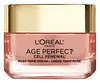
This brightening moisturizer is formulated around Squalane and Capryloyl Salicylic Acid to brighten dull-looking skin.
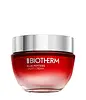
This anti-aging moisturizer is formulated around Palmitoyl Tetrapeptide-7 and Palmitoyl Tripeptide-1 to soften the look of wrinkles.

What's inside
What's inside
 Key Ingredients
Benefits
Concerns
Ingredients Side-by-side
Water
Skin ConditioningSqualane
Emollient


Cyclohexasiloxane
Emollient
Glycerin
Humectant
Cetyl Alcohol
Emollient



Glyceryl Stearate
Emollient
PEG-40 Stearate
Emulsifying
Paraffinum Liquidum
Emollient


Myristyl Myristate
Emollient

Pentaerythrityl Tetraethylhexanoate
Emollient
Octyldodecanol
Emollient
Sorbitan Tristearate
EmulsifyingButylene Glycol
Humectant
Acrylamide/Sodium Acryloyldimethyltaurate Copolymer
Emulsion StabilisingPhenoxyethanol
Preservative
Synthetic Fluorphlogopite
CI 77891
Cosmetic ColorantIsohexadecane
EmollientCapryloyl Salicylic Acid
Exfoliating




Acrylonitrile/Methyl Methacrylate/Vinylidene Chloride Copolymer
Mannitol
Humectant
Methylparaben
Preservative

Ascorbyl Glucoside
Antioxidant


Parfum
Masking

Chlorphenesin
Antimicrobial
Stearyl Alcohol
Emollient
Myristyl Alcohol
Emollient
Mica
Cosmetic ColorantPolysorbate 80
Emulsifying
Paeonia Albiflora Root Extract
Skin ConditioningDisodium EDTA
ChelatingCI 77163
Cosmetic Colorant
CI 77491
Cosmetic ColorantHydrolyzed Cicer Seed Extract
Skin ProtectingSorbitan Oleate
Emulsifying
Isobutane
Sodium Hydroxide
BufferingIris Florentina Root Extract
MaskingVigna Aconitifolia Seed Extract
Skin ConditioningCyclodextrin
AbsorbentSodium Cocoyl Glutamate
Cleansing
Yeast Extract
Skin ConditioningHexyl Cinnamal
Perfuming
Tin Oxide
Abrasive
Benzyl Alcohol
Perfuming
Hydroxycitronellal
Perfuming
Benzyl Salicylate
Perfuming
Linalool
Perfuming
Citronellol
Perfuming
Limonene
Perfuming
Geraniol
Perfuming
Alpha-Isomethyl Ionone
Perfuming
Disodium Succinate
MaskingWater, Squalane, Cyclohexasiloxane, Glycerin, Cetyl Alcohol, Glyceryl Stearate, PEG-40 Stearate, Paraffinum Liquidum, Myristyl Myristate, Pentaerythrityl Tetraethylhexanoate, Octyldodecanol, Sorbitan Tristearate, Butylene Glycol, Acrylamide/Sodium Acryloyldimethyltaurate Copolymer, Phenoxyethanol, Synthetic Fluorphlogopite, CI 77891, Isohexadecane, Capryloyl Salicylic Acid, Acrylonitrile/Methyl Methacrylate/Vinylidene Chloride Copolymer, Mannitol, Methylparaben, Ascorbyl Glucoside, Parfum, Chlorphenesin, Stearyl Alcohol, Myristyl Alcohol, Mica, Polysorbate 80, Paeonia Albiflora Root Extract, Disodium EDTA, CI 77163, CI 77491, Hydrolyzed Cicer Seed Extract, Sorbitan Oleate, Isobutane, Sodium Hydroxide, Iris Florentina Root Extract, Vigna Aconitifolia Seed Extract, Cyclodextrin, Sodium Cocoyl Glutamate, Yeast Extract, Hexyl Cinnamal, Tin Oxide, Benzyl Alcohol, Hydroxycitronellal, Benzyl Salicylate, Linalool, Citronellol, Limonene, Geraniol, Alpha-Isomethyl Ionone, Disodium Succinate
Water
Skin ConditioningGlycerin
Humectant
Dicaprylyl Carbonate
EmollientAlcohol Denat.
Antimicrobial
Simmondsia Chinensis Seed Oil
Emollient
Cocos Nucifera Oil
Masking
Persea Gratissima Oil
Skin Conditioning
Mangifera Indica Seed Butter
Skin Conditioning
Hydrogenated Coco-Glycerides
Emollient
Pentylene Glycol
Skin Conditioning
Cetearyl Alcohol
Emollient
Arachidyl Alcohol
Emollient
Copernicia Cerifera Cera
Emollient
Gardenia Taitensis Flower
Skin ConditioningPrunus Armeniaca Kernel Oil
Masking
Alaria Esculenta Extract
Skin Protecting
Carrageenan
Tin Oxide
Abrasive
Stearic Acid
Cleansing
Ceramide NP
Skin Conditioning


Squalane
Emollient
Carbomer
Emulsion StabilisingArachidyl Glucoside
EmulsifyingCalcium Chloride
AstringentBehenyl Alcohol
Emollient
Ceteareth-20
Cleansing
Cetearyl Glucoside
Emulsifying
Sodium Hyaluronate
Humectant
Sodium Hydroxide
BufferingSodium Lactate
Buffering
Sodium Stearate
CleansingSodium Stearoyl Glutamate
CleansingSilica
Abrasive
Myristic Acid
Cleansing
2-Oleamido-1,3-Octadecanediol
Skin ConditioningPalmitic Acid
Emollient
Palmitoyl Tetrapeptide-7
Skin Conditioning

Palmitoyl Tripeptide-1
Skin Conditioning
Adenosine
Skin Conditioning
Phenylethyl Resorcinol
Antioxidant
Ammonium Acryloyldimethyltaurate/Steareth-25 Methacrylate Crosspolymer
Emulsion StabilisingHydroxypalmitoyl Sphinganine
Skin Conditioning
Caprylic/Capric Triglyceride
Masking
Caprylyl Glycol
Emollient
Vitreoscilla Ferment
Skin Conditioning
Acetyl Dipeptide-1 Cetyl Ester
Skin Conditioning
Synthetic Fluorphlogopite
Polysorbate 20
Emulsifying
Butylene Glycol
Humectant
Tocopherol
Antioxidant
Tocopheryl Acetate
Antioxidant
Pentaerythrityl Tetra-Di-T-Butyl Hydroxyhydrocinnamate
Antioxidant
Salicylic Acid
Masking
Mica
Cosmetic ColorantCI 77163
Cosmetic Colorant
CI 77491
Cosmetic ColorantCI 77891
Cosmetic ColorantParfum
Masking
Water, Glycerin, Dicaprylyl Carbonate, Alcohol Denat., Simmondsia Chinensis Seed Oil, Cocos Nucifera Oil, Persea Gratissima Oil, Mangifera Indica Seed Butter, Hydrogenated Coco-Glycerides, Pentylene Glycol, Cetearyl Alcohol, Arachidyl Alcohol, Copernicia Cerifera Cera, Gardenia Taitensis Flower, Prunus Armeniaca Kernel Oil, Alaria Esculenta Extract, Carrageenan, Tin Oxide, Stearic Acid, Ceramide NP, Squalane, Carbomer, Arachidyl Glucoside, Calcium Chloride, Behenyl Alcohol, Ceteareth-20, Cetearyl Glucoside, Sodium Hyaluronate, Sodium Hydroxide, Sodium Lactate, Sodium Stearate, Sodium Stearoyl Glutamate, Silica, Myristic Acid, 2-Oleamido-1,3-Octadecanediol, Palmitic Acid, Palmitoyl Tetrapeptide-7, Palmitoyl Tripeptide-1, Adenosine, Phenylethyl Resorcinol, Ammonium Acryloyldimethyltaurate/Steareth-25 Methacrylate Crosspolymer, Hydroxypalmitoyl Sphinganine, Caprylic/Capric Triglyceride, Caprylyl Glycol, Vitreoscilla Ferment, Acetyl Dipeptide-1 Cetyl Ester, Synthetic Fluorphlogopite, Polysorbate 20, Butylene Glycol, Tocopherol, Tocopheryl Acetate, Pentaerythrityl Tetra-Di-T-Butyl Hydroxyhydrocinnamate, Salicylic Acid, Mica, CI 77163, CI 77491, CI 77891, Parfum
Ingredients Explained
These ingredients are found in both products.
Ingredients higher up in an ingredient list are typically present in a larger amount.
Butylene Glycol (or BG) is used within cosmetic products for a few different reasons:
Overall, Butylene Glycol is a safe and well-rounded ingredient that works well with other ingredients.
Though this ingredient works well with most skin types, some people with sensitive skin may experience a reaction such as allergic rashes, closed comedones, or itchiness.
Learn more about Butylene GlycolCI 77163 is the color-index name for Bismuth Oxychloride, a lab-made white powder that acts as a pearl pigment.
It's what gives a lot of pressed powders, eyeshadows, highlighteres, and mineral foundations that soft pearly glow.
Due to its structure as flat, plate-like crystals that stack like tiles, it feels silky and sticks to skin well. This also makes it very chemically stable and insoluble under normal skin conditions (this just means it sits on top of skin rather than going into it).
It has an interesting quirk: it slowly goes gray in sunlight and the graying is partly reversible in the dark.
At this time, there's no legal cap on how much a brand can use. Both the FDA and the EU permit it without restriction so real-world concentration levels come down to formulation:
Allergy risk is low as well since it's insoluble and doesn't release free metal ions into skin. True allergic contact dermatitis to it is rare enough that there's very little published cases.
However, mineral makeup users do report itching or stinging. The leading explanation for this is irritation from those stiff platelet crystals rubbing on skin (also more likely with heavy, high-percentage loose mineral powders) rather than an immune reaction.
This ingredient shows up on a lot of "pore-clogging" lists but there's no real evidence behind that. It doesn't even have a comedogenic rating from an actual study; the numbers you'll find online come from blogs citing other blogs.
Some people still find it breaks them out. So if that's you, definitely trust your skin.
Learn more about CI 77163Ci 77491 is also hydrated iron III oxide. It's sole purpose is to give a red/pink hue to products.
Iron III oxides are classified as inorganic chemicals for coloring.
Synthetically created Ci 77491 is considered safer than those naturally found. This is because the synthetically created version may contain less impurities. Iron oxides are generally non-toxic and non-allergenic.
Learn more about CI 77491Ci 77891 is a white pigment from Titanium dioxide. It is naturally found in minerals such as rutile and ilmenite.
It's main function is to add a white color to cosmetics. It can also be mixed with other colors to create different shades.
Ci 77891 is commonly found in sunscreens due to its ability to block UV rays.
Learn more about CI 77891Glycerin (or glycerol) is a compound naturally found in your skin. It's a powerhouse humectant that pulls water into the stratum corneum.
Topically, glycerin does several things at once:
Your skin makes glycerin on its own (mostly from sebaceous oil breakdown) and shuttles it to your outermost layer of skin, or your epidermis, via aquaporin-3.
Aquaporin-3 is a transporter that is essential for normal skin hydration, elasticity, and repair. Interestingly, mice lacking in AQP3 have dry and less elastic skin that can be fully corrected with glycerin.
This ingredient is non-irritating, plays well with almost every ingredient, and works across all skin types. Typical use is anywhere between 3-10% but can go up to 79% in some leave-on products.
Just know very high concentrations (>40%) can feel tacky in low humidity.
Glycerin is the name for this ingredient in American English. British English uses Glycerol/Glycerine.
Learn more about GlycerinMica is a naturally occurring mineral used to add shimmer and color in cosmetics. It can also help improve the texture of a product or give it an opaque, white/silver color.
Serecite is the name for very fine but ragged grains of mica.
This ingredient is often coated with metal oxides like titanium dioxide. Trace amounts of heavy metals may be found in mica, but these metals are not harmful in our personal products.
Mica has been used since prehistoric times throughout the world. Ancient Egyptian, Indian, Greek, Roman, Aztec, and Chinese civilizations have used mica.
Learn more about MicaParfum is a catch-all term for an ingredient or more that is used to give a scent to products.
Also called "fragrance", this ingredient can be a blend of hundreds of chemicals or plant oils. This means every product with "fragrance" or "parfum" in the ingredients list is a different mixture.
For instance, Habanolide is a proprietary trade name for a specific aroma chemical. When used as a fragrance ingredient in cosmetics, most aroma chemicals fall under the broad labeling category of “FRAGRANCE” or “PARFUM” according to EU and US regulations.
The term 'parfum' or 'fragrance' is not regulated in many countries. In many cases, it is up to the brand to define this term.
For instance, many brands choose to label themselves as "fragrance-free" because they are not using synthetic fragrances. However, their products may still contain ingredients such as essential oils that are considered a fragrance by INCI standards.
One example is Calendula flower extract. Calendula is an essential oil that still imparts a scent or 'fragrance'.
Depending on the blend, the ingredients in the mixture can cause allergies and sensitivities on the skin. Some ingredients that are known EU allergens include linalool and citronellol.
Parfum can also be used to mask or cover an unpleasant scent.
The bottom line is: not all fragrances/parfum/ingredients are created equally. If you are worried about fragrances, we recommend taking a closer look at an ingredient. And of course, we always recommend speaking with a professional.
Learn more about ParfumSodium Hydroxide is also known as lye or caustic soda. It is used to adjust the pH of products; many ingredients require a specific pH to be effective.
In small amounts, sodium hydroxide is considered safe to use. However, large amounts may cause chemical burns due to its high alkaline.
Your skin has a natural pH and acid mantle. This acid mantle helps prevent harmful bacteria from breaking through. The acid mantle also helps keep your skin hydrated.
"Alkaline" refers to a high pH level. A low pH level would be considered acidic.
Learn more about Sodium HydroxideSqualane is the hydrogenated and shelf-stable form of squalene (a lipid that naturally occurs in human sebum).
It is an emollient and skin conditioning agent that is able to integrate seamlessly into the skin's lipid barrier without clogging pores.
This is due to how structurally similar it is to what your skin already produces.
Though it is mostly an emollient that helps soften and hydrate skin, it also has some humectant and occlusive action. Humectants help the skin retain moisture while occlusives seal it in, making squalane a triple-threat moisturizer.
Research shows it has antioxidant capabilities that help protect against stressors like UV exposure, specifically UVA induced oxidative stress. This study also found that it supports collagen biosynthesis in human dermal fibroblasts.
No clinical study has reported significant adverse effects and irritation reactions are very rare from this ingredient (even at 100% concentration).
Overall, it's a fantastic ingredient for hydration and is suitable for all skin types.
This depends on the source. Squalane can be derived from both plants and animals. Most squalane used in skincare comes from plants.
Please note: the source of squalane is only known if disclosed by the brand. We recommend reaching out to the brand if you have any questions about their squalane.
Read more about squalene with an "e".
Though squalane is often called an oil, it’s technically not one. It is a hydrocarbon, meaning it is only made of carbon and hydrogen. True oils are triglycerides and made of fatty acids and glycerol.
The term “oil-free” isn’t regulated so companies can define it however they want. Some exclude all oils, while others just avoid mineral oil or comedogenic oils.
Squalane has a comedogenic rating of 1 from the original 1972 study that tested raw ingredients under occlusion on rabbit ears. This system is not standardized or peer-reviewed, and using the raw ingredients is very different from how diluted cosmetic formulations are used on human skin.
A comedogenic rating of 1 means it is "unlikely to clog pores" according to the original rating system.
The overall formula of a product matters more than the individual ingredients on whether or not it will cause clogged pores.
Learn more about SqualaneSynthetic Fluorphlogopite is the synthethic version of mica. It consists of fluorine, aluminum and silicate.
Synthetic Fluorphlogopite is used to add volume to products.
It is considered non-irritating on the skin.
Learn more about Synthetic FluorphlogopiteTin Oxide is an inorganic oxide used to add opacity and volume to a product. In nature, it is already found in mineral form. The main ore of tin is an opaque and shiny mineral called casseterite.
Tin Oxide helps remove translucency in a product, or make it more opaque. Besides adding opacity, tin oxide is used for bulking to add volume.
Water. It's the most common cosmetic ingredient of all. You'll usually see it at the top of ingredient lists, meaning that it makes up the largest part of the product.
So why is it so popular? Water most often acts as a solvent - this means that it helps dissolve other ingredients into the formulation.
You'll also recognize water as that liquid we all need to stay alive. If you see this, drink a glass of water. Remember to stay hydrated!
Learn more about Water

