
What's inside
What's inside
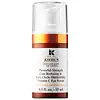 Key Ingredients
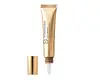
Benefits
Concerns
Ingredients Side-by-side
Propylene Glycol
Humectant


Dimethicone
Emollient
Glycerin
Humectant


Ascorbic Acid
Antioxidant






Dimethicone Crosspolymer
Emulsion Stabilising
Cetyl PEG/PPG-10/1 Dimethicone
Emulsifying
Cyclohexasiloxane
Emollient
Water
Skin ConditioningHydroxyethylpiperazine Ethane Sulfonic Acid
BufferingLauroyl Lysine
Skin ConditioningAluminum Starch Octenylsuccinate
Absorbent
Polysilicone-11
CI 77891
Cosmetic ColorantAdenosine
Skin Conditioning
Hydrolyzed Hyaluronic Acid
Humectant
Steareth-20
CleansingChlorhexidine Digluconate
Antimicrobial
N-Hydroxysuccinimide
Skin ConditioningSodium Citrate
BufferingPotassium Sorbate
Preservative
Palmitoyl Tripeptide-1
Skin Conditioning

Chrysin
Skin ConditioningPentaerythrityl Tetra-Di-T-Butyl Hydroxyhydrocinnamate
Antioxidant
Palmitoyl Tetrapeptide-7
Skin Conditioning
Citric Acid
Buffering
Biotin
AntiseborrhoeicPropylene Glycol, Dimethicone, Glycerin, Ascorbic Acid, Dimethicone Crosspolymer, Cetyl PEG/PPG-10/1 Dimethicone, Cyclohexasiloxane, Water, Hydroxyethylpiperazine Ethane Sulfonic Acid, Lauroyl Lysine, Aluminum Starch Octenylsuccinate, Polysilicone-11, CI 77891, Adenosine, Hydrolyzed Hyaluronic Acid, Steareth-20, Chlorhexidine Digluconate, N-Hydroxysuccinimide, Sodium Citrate, Potassium Sorbate, Palmitoyl Tripeptide-1, Chrysin, Pentaerythrityl Tetra-Di-T-Butyl Hydroxyhydrocinnamate, Palmitoyl Tetrapeptide-7, Citric Acid, Biotin
Water
Skin ConditioningEthylhexyl Palmitate
Emollient

Isopropyl Palmitate
Emollient
Glycerin
Humectant
Caprylic/Capric Triglyceride
Masking
Butyrospermum Parkii Butter
Skin Conditioning
Propanediol
Solvent
Glyceryl Stearate Se
Emulsifying
Cetearyl Alcohol
Emollient
Sodium Hyaluronate
Humectant
Ectoin
Skin Conditioning
Sodium Hyaluronate Crosspolymer
Humectant
Palmitoyl Tetrapeptide-7
Skin Conditioning
Palmitoyl Tripeptide-1
Skin Conditioning
Heptapeptide-6
Skin Conditioning
Sodium Acetylated Hyaluronate
Humectant
Hydrolyzed Sodium Hyaluronate
Skin Conditioning
Resveratrol
Antioxidant
Linolenic Acid
Cleansing
Linoleic Acid
Cleansing
Ceramide NP
Skin Conditioning
Ceramide AP
Skin Conditioning
Ceramide EOP
Skin Conditioning
Phytosphingosine
Skin Conditioning
Phospholipids
Skin Conditioning
Leontopodium Alpinum Callus Culture Extract
Antioxidant
Simmondsia Chinensis Seed Oil
Emollient
Avena Sativa Kernel Oil
Skin Conditioning
Squalane
Emollient
Saccharide Isomerate
Humectant
Adenosine
Skin Conditioning
Dimethyl Isosorbide
SolventEthylhexylglycerin
Skin ConditioningPentylene Glycol
Skin ConditioningButylene Glycol
Humectant
Cetearyl Glucoside
EmulsifyingSodium Stearoyl Glutamate
CleansingGlyceryl Undecylenate
Emollient
Glyceryl Caprylate
EmollientCaprylyl Glycol
Emollient
Cholesterol
Emollient
Carbomer
Emulsion StabilisingCoco-Glucoside
CleansingSodium Lauroyl Lactylate
EmulsifyingAmmonium Acryloyldimethyltaurate/Vp Copolymer
Sodium Lactate
BufferingHydroxyapatite
Abrasive
Sodium Hydroxide
BufferingSodium Polyacrylate
Absorbent
Xanthan Gum
EmulsifyingChlorphenesin
Antimicrobial
Sodium Citrate
BufferingCitric Acid
Buffering
Sodium Gluconate
Skin ConditioningPhenoxyethanol
Preservative
Water, Ethylhexyl Palmitate, Isopropyl Palmitate, Glycerin, Caprylic/Capric Triglyceride, Butyrospermum Parkii Butter, Propanediol, Glyceryl Stearate Se, Cetearyl Alcohol, Sodium Hyaluronate, Ectoin, Sodium Hyaluronate Crosspolymer, Palmitoyl Tetrapeptide-7, Palmitoyl Tripeptide-1, Heptapeptide-6, Sodium Acetylated Hyaluronate, Hydrolyzed Sodium Hyaluronate, Resveratrol, Linolenic Acid, Linoleic Acid, Ceramide NP, Ceramide AP, Ceramide EOP, Phytosphingosine, Phospholipids, Leontopodium Alpinum Callus Culture Extract, Simmondsia Chinensis Seed Oil, Avena Sativa Kernel Oil, Squalane, Saccharide Isomerate, Adenosine, Dimethyl Isosorbide, Ethylhexylglycerin, Pentylene Glycol, Butylene Glycol, Cetearyl Glucoside, Sodium Stearoyl Glutamate, Glyceryl Undecylenate, Glyceryl Caprylate, Caprylyl Glycol, Cholesterol, Carbomer, Coco-Glucoside, Sodium Lauroyl Lactylate, Ammonium Acryloyldimethyltaurate/Vp Copolymer, Sodium Lactate, Hydroxyapatite, Sodium Hydroxide, Sodium Polyacrylate, Xanthan Gum, Chlorphenesin, Sodium Citrate, Citric Acid, Sodium Gluconate, Phenoxyethanol
Ingredients Explained
These ingredients are found in both products.
Ingredients higher up in an ingredient list are typically present in a larger amount.
Adenosine is in every living organism. It is one of four components in nucleic acids that helps store our DNA.
Adenosine has many benefits when used. These benefits include hydrating the skin, smoothing skin, and reducing wrinkles. Once applied, adenosine increases collagen production. It also helps with improving firmness and tissue repair.
Studies have found adenosine may also help with wound healing.
In skincare products, Adenosine is usually derived from yeast.
Learn more about AdenosineCitric Acid is an alpha hydroxy acid (AHA) naturally found in citrus fruits like oranges, lemons, and limes.
Like other AHAs, citric acid can exfoliate skin by breaking down the bonds that hold dead skin cells together. This helps reveal smoother and brighter skin underneath.
However, this exfoliating effect only happens at high concentrations (20%) which can be hard to find in cosmetic products.
Due to this, citric acid is usually included in small amounts as a pH adjuster. This helps keep products slightly more acidic and compatible with skin's natural pH.
In skincare formulas, citric acid can:
While it can provide some skin benefits, research shows lactic acid and glycolic acid are generally more effective and less irritating exfoliants.
Most citric acid used in skincare today is made by fermenting sugars (usually from molasses). This synthetic version is identical to the natural citrus form but easier to stabilize and use in formulations.
Read more about some other popular AHA's here:
Learn more about Citric AcidGlycerin is already naturally found in your skin. It helps moisturize and protect your skin.
A study from 2016 found glycerin to be more effective as a humectant than AHAs and hyaluronic acid.
As a humectant, it helps the skin stay hydrated by pulling moisture to your skin. The low molecular weight of glycerin allows it to pull moisture into the deeper layers of your skin.
Hydrated skin improves your skin barrier; Your skin barrier helps protect against irritants and bacteria.
Glycerin has also been found to have antimicrobial and antiviral properties. Due to these properties, glycerin is often used in wound and burn treatments.
In cosmetics, glycerin is usually derived from plants such as soybean or palm. However, it can also be sourced from animals, such as tallow or animal fat.
This ingredient is organic, colorless, odorless, and non-toxic.
Glycerin is the name for this ingredient in American English. British English uses Glycerol/Glycerine.
Learn more about GlycerinPalmitoyl Tetrapeptide-7 (formerly Palmitoyl Tetrapeptide-3) is a lab-made peptide with anti-inflammatory and skin-repairing benefits. It's made up of four amino acids (glycine, glutamine, proline, and arginine) and palmitic acid (which helps it penetrate skin more effectively).
This ingredient helps reduce inflammation by limiting the production of interleukin-6 (IL-6), a chemical that triggers inflammatory responses, particularly after UV exposure.
Less inflammation = slower collagen breakdown and a longer-lasting, youthful appearance.
Palmitoyl Tetrapeptide-7 also stimulates collagen production and supports a healthier skin barrier.
Over time, this can improve skin firmness, hydration, and reduce the appearance of fine lines. It’s commonly paired with Palmitoyl Tripeptide-1 in the well-known Matrixyl 3000 complex for enhanced anti-aging effects.
This ingredient has been shown to be effective and safe in cosmetic use and you'll typically find it in small amounts (less than 0.01%).
Due to its palmitic acid base, it may not be safe for Malassezia folliculitis.
Read more about other common types of peptides here:
Learn more about Palmitoyl Tetrapeptide-7Palmitoyl Tripeptide-1 is also known as pal-GHK. It is made up of 3 amino acids and palmitic acid, a fatty acid that helps it absorb into skin more easily.
This peptide is as a signal peptide, meaning it tells the skin to produce more collagen. Collagen is the key protein that helps form the skin's structure and keep it plump, firm, and hydrated.
By boosting collagen production, this ingredient supports a stronger skin barrier and helps reduce the appearance of wrinkles.
You'll most likely see this ingredient paired with Palmitoyl Tetrapeptide-7 in the well-known Matrixyl 3000 complex. While results from in-house testing should be viewed cautiously, this peptide duo is among the most studied and widely used in modern skincare.
Due to its palmitic acid base, this ingredient may not be safe for Malassezia folliculitis.
Read more about other common types of peptides here:
Learn more about Palmitoyl Tripeptide-1Sodium Citrate is the sodium salts of citric acid. In skincare, it is used to alter pH levels and acts as a preservative.
Its main functions are to maintain the pH of a product and neutralize metal ions.
The acidity of our skin is maintained by our glands and skin biome; normal pH level of skin is slightly acidic (~4.75-5.5).
Being slightly acidic allows our skin to create an "acid mantle". This acid mantle is a thin barrier that protects our skin from bacteria and contaminants.
Learn more about Sodium CitrateWater. It's the most common cosmetic ingredient of all. You'll usually see it at the top of ingredient lists, meaning that it makes up the largest part of the product.
So why is it so popular? Water most often acts as a solvent - this means that it helps dissolve other ingredients into the formulation.
You'll also recognize water as that liquid we all need to stay alive. If you see this, drink a glass of water. Stay hydrated!
Learn more about Water
