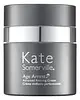
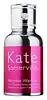
Kate Somerville Age Arrest Advanced Reviving Cream Versus Kate Somerville Wrinkle Warrior™ 2-in-1 Plumping Moisturizer + Serum
This anti-aging moisturizer is formulated around Ergothioneine and Adenosine to soften the look of wrinkles.
This anti-aging serum is formulated around Hydrolyzed Hyaluronic Acid and Polyglutamic Acid to soften the look of wrinkles and hydrate skin.

What's inside
What's inside
 Key Ingredients
Benefits
Concerns
Ingredients Side-by-side
Water
Skin ConditioningNeopentyl Glycol Diheptanoate
EmollientCaprylic/Capric Triglyceride
Masking


Cetearyl Alcohol
Emollient





Cocoglycerides
Emollient
Propanediol
Solvent
Glycerin
Humectant
Cetyl Esters
Emollient
Dimethicone
Emollient
Tridecyl Neopentanoate
EmollientStearyl Alcohol
Emollient
Glyceryl Stearate
Emollient
Ergothioneine
Antioxidant



Panthenol
Skin Conditioning
Tocopheryl Acetate
Antioxidant

Palmitoyl Dipeptide-10
Skin Conditioning
Kappaphycus Alvarezii Extract
Skin Conditioning
Tocopherol
Antioxidant
Tocotrienols
Skin Conditioning
Aloe Barbadensis Leaf Juice
Skin Conditioning
Avena Sativa Bran Extract
Abrasive
Hydrolyzed Hyaluronic Acid
Humectant
Adenosine
Skin Conditioning
Sea Whip Extract
Skin ConditioningTripleurospermum Maritimum Extract
Skin ProtectingRosmarinus Officinalis Leaf Extract
AntimicrobialLavandula Angustifolia Flower/Leaf/Stem Extract
Masking

Mentha Piperita Leaf Extract
Skin ConditioningPassiflora Incarnata Fruit Extract
Skin ConditioningAniba Rosaeodora Wood Extract
Masking
Camellia Sinensis Leaf Extract
Antimicrobial

Cananga Odorata Flower Extract
Perfuming
Cupressus Sempervirens Seed Extract
Perfuming
Fucus Vesiculosus Extract
Emollient
Prunus Armeniaca Fruit Extract
Skin ConditioningJasminum Officinale Flower/Leaf Extract
Masking
Vanilla Planifolia Fruit Extract
Skin Conditioning
Citrus Aurantium Bergamia Fruit Extract
Skin ConditioningSantalum Album Wood Extract
Perfuming
Coriandrum Sativum Seed Extract
Skin ConditioningCucumis Melo Cantalupensis Fruit Extract
AstringentCucumis Sativus Fruit Extract
Emollient
Prunus Persica Fruit Extract
Abrasive
Pyrus Malus Fruit Extract
Skin Conditioning
Rose Extract
Skin ConditioningRubus Idaeus Fruit Extract
AstringentTetrahexyldecyl Ascorbate
Antioxidant

Ceteareth-20
Cleansing
PEG-40 Stearate
Emulsifying
Sodium Acrylate/Sodium Acryloyldimethyl Taurate Copolymer
Emulsion StabilisingArachidyl Alcohol
Emollient
Elaeis Guineensis Oil
Emollient
Cetyl Alcohol
Emollient
Sorbitan Oleate
Emulsifying
Isohexadecane
EmollientXanthan Gum
EmulsifyingEthylhexylglycerin
Skin ConditioningPolysorbate 80
Emulsifying
Disodium EDTA
ChelatingPotassium Sorbate
Preservative
Citric Acid
Buffering
Phenoxyethanol
Preservative
Sodium Benzoate
Masking
Sorbic Acid
Preservative
Water, Neopentyl Glycol Diheptanoate, Caprylic/Capric Triglyceride, Cetearyl Alcohol, Cocoglycerides, Propanediol, Glycerin, Cetyl Esters, Dimethicone, Tridecyl Neopentanoate, Stearyl Alcohol, Glyceryl Stearate, Ergothioneine, Panthenol, Tocopheryl Acetate, Palmitoyl Dipeptide-10, Kappaphycus Alvarezii Extract, Tocopherol, Tocotrienols, Aloe Barbadensis Leaf Juice, Avena Sativa Bran Extract, Hydrolyzed Hyaluronic Acid, Adenosine, Sea Whip Extract, Tripleurospermum Maritimum Extract, Rosmarinus Officinalis Leaf Extract, Lavandula Angustifolia Flower/Leaf/Stem Extract, Mentha Piperita Leaf Extract, Passiflora Incarnata Fruit Extract, Aniba Rosaeodora Wood Extract, Camellia Sinensis Leaf Extract, Cananga Odorata Flower Extract, Cupressus Sempervirens Seed Extract, Fucus Vesiculosus Extract, Prunus Armeniaca Fruit Extract, Jasminum Officinale Flower/Leaf Extract, Vanilla Planifolia Fruit Extract, Citrus Aurantium Bergamia Fruit Extract, Santalum Album Wood Extract, Coriandrum Sativum Seed Extract, Cucumis Melo Cantalupensis Fruit Extract, Cucumis Sativus Fruit Extract, Prunus Persica Fruit Extract, Pyrus Malus Fruit Extract, Rose Extract, Rubus Idaeus Fruit Extract, Tetrahexyldecyl Ascorbate, Ceteareth-20, PEG-40 Stearate, Sodium Acrylate/Sodium Acryloyldimethyl Taurate Copolymer, Arachidyl Alcohol, Elaeis Guineensis Oil, Cetyl Alcohol, Sorbitan Oleate, Isohexadecane, Xanthan Gum, Ethylhexylglycerin, Polysorbate 80, Disodium EDTA, Potassium Sorbate, Citric Acid, Phenoxyethanol, Sodium Benzoate, Sorbic Acid
Water
Skin ConditioningDimethicone
Emollient
Propanediol
Solvent
Dimethyl Isosorbide
SolventHydrolyzed Vegetable Protein
Skin ConditioningGlycerin
Humectant
Polysilicone-11
Ammonium Acryloyldimethyltaurate/Vp Copolymer
Butylene Glycol
Humectant
Polymethylsilsesquioxane
Trehalose
Humectant
Betaine
Humectant
Hydrolyzed Hyaluronic Acid
Humectant
Sodium Hyaluronate
Humectant
Disodium Acetyl Glucosamine Phosphate
Skin ConditioningPolyglutamic Acid
Skin Conditioning
Zanthoxylum Bungeanum Fruit Extract
Skin ConditioningCopper Lysinate/Prolinate
Skin ConditioningMethylglucoside Phosphate
Skin ConditioningChondrus Crispus Extract
Skin Conditioning
Glycine Soja Extract
Skin ConditioningAloe Barbadensis Leaf Juice
Skin Conditioning
Adenosine
Skin Conditioning
PEG-12 Dimethicone
Skin Conditioning
Phenoxyethanol
Preservative
Hdi/Trimethylol Hexyllactone Crosspolymer
Oleyl Alcohol
Emollient
Decyl Glucoside
Cleansing
Parfum
Masking
Ethylhexylglycerin
Skin ConditioningDisodium EDTA
ChelatingGluconolactone
Chelating

Benzyl Salicylate
Perfuming
Citric Acid
Buffering
Linalool
Perfuming
Sodium Benzoate
Masking
Caprylyl Glycol
Emollient
Hexylene Glycol
EmulsifyingGeraniol
Perfuming
Citronellol
Perfuming
Water, Dimethicone, Propanediol, Dimethyl Isosorbide, Hydrolyzed Vegetable Protein, Glycerin, Polysilicone-11, Ammonium Acryloyldimethyltaurate/Vp Copolymer, Butylene Glycol, Polymethylsilsesquioxane, Trehalose, Betaine, Hydrolyzed Hyaluronic Acid, Sodium Hyaluronate, Disodium Acetyl Glucosamine Phosphate, Polyglutamic Acid, Zanthoxylum Bungeanum Fruit Extract, Copper Lysinate/Prolinate, Methylglucoside Phosphate, Chondrus Crispus Extract, Glycine Soja Extract, Aloe Barbadensis Leaf Juice, Adenosine, PEG-12 Dimethicone, Phenoxyethanol, Hdi/Trimethylol Hexyllactone Crosspolymer, Oleyl Alcohol, Decyl Glucoside, Parfum, Ethylhexylglycerin, Disodium EDTA, Gluconolactone, Benzyl Salicylate, Citric Acid, Linalool, Sodium Benzoate, Caprylyl Glycol, Hexylene Glycol, Geraniol, Citronellol
Reviews
Ingredients Explained
These ingredients are found in both products.
Ingredients higher up in an ingredient list are typically present in a larger amount.
Adenosine is a purine nucleoside that your body already makes in every cell. In skincare, it acts mainly as a skin conditioning and anti-aging agent.
The way it works is fairly well mapped out:
Your skin has cells called fibroblasts that build collagen (the stuff that keeps skin firm and smooth). Adenosine basically flips a switch on these cells that tells them to get to work making more collagen and other proteins. These cells slow down on their own as skin ages, so Adenosine helps give them a little nudge to keep going.
The clinical backing is pretty solid too.
A blind, randomized, placebo-controlled trial of 126 women aged 45-65 tested a 0.1% cream twice daily and found real improvements in crow's feet and frown lines using a precise 3D skin-mapping technique; these changes showed up by week 3 and held at 2 months.
A later study using Adenosine-loaded dissolving microneedle patches reported gains in wrinkle depth, dermal density, elasticity, and hydration.
On concentrations, South Korea's Ministry of Food and Drug Safety has set 0.04% as the approved functional anti-wrinkle level. You'll typically see this ingredient used somewhere in the 0.04-0.1% range since it works at low doses.
This ingredient has been found safe for cosmetics with the data showing no irritation or sensitization.
Overall, this is a great ingredient for any anti-aging routine and has no photosensitizing effect, so it suits both AM and PM use.
Learn more about AdenosineAloe Barbadensis Leaf Juice is the filtered, stabilized liquid pressed from the inner gel of the aloe vera leaf.
In cosmetics, it shows up as either soothing active or a water-replacement base. It is roughly 98-99% water and the last 1-2% is an interesting mix of polysaccharides, amino acids, vitamins, minerals, and enzymes.
The polysaccharides do most of the work: they bind water at the skin surface for a light, non-greasy hydration boost. And one of the polysaccharides, glycomannan, is linked to fibroblast stimulation + collagen synthesis. This is also why aloe has such a long track record in wound and burn healing.
This ingredient is also calming with anti-inflammatory and mild antimicrobial activity, making it a great pick for sensitive, irritated, or post-sun skin.
Realistic expectations matter though; the solid evidence is mostly limited to hydration, soothing, and wound support. Deeper claims about anti-aging or sun protection are not well backed, and science reviews note it does not prevent radiation-induced skin injury.
Because it plays well with almost everything, it's commonly used as a base alongside other actives like niacinamide or vitamin C.
Typical usage concentrations range from 0.5% (where hydration benefits already show up) all the way to 90%+ (where it replaces water as the main base).
The safety for this ingredient is well-establish as well. Overall, this is a great supporting ingredient for those who want a boost in hydration.
Learn more about Aloe Barbadensis Leaf JuiceCitric Acid is an alpha hydroxy acid (AHA) naturally found in citrus fruits like oranges, lemons, and limes.
Like other AHAs, citric acid can exfoliate skin by breaking down the bonds that hold dead skin cells together. This helps reveal smoother and brighter skin underneath.
However, this exfoliating effect only happens at high concentrations (20%) which can be hard to find in cosmetic products.
Due to this, citric acid is usually included in small amounts as a pH adjuster. This helps keep products slightly more acidic and compatible with skin's natural pH.
In skincare formulas, citric acid can:
While it can provide some skin benefits, research shows lactic acid and glycolic acid are generally more effective and less irritating exfoliants.
Most citric acid used in skincare today is made by fermenting sugars (usually from molasses). This synthetic version is identical to the natural citrus form but easier to stabilize and use in formulations.
Rosacea skin has a lower threshold for acids generally, with 62.5% of rosacea subjects in one study reacting to lactic acid in a sting test. This is why we mark citric acid as a potential rosacea trigger.
However, this ingredient shows up as a pH adjuster or chelator at roughly 0.1-1% in many products. These low levels are unlikely to be an issue for rosacea skin and becomes a potential trigger at exfoliating concentrations (20%). Because everybody's skin is unique, we recommend a patch test if you are unsure.
Learn more about Citric AcidDimethicone is a type of synthetic silicone created from natural materials such as quartz. It is also known as polydimethylsiloxane.
What it does:
Dimethicone comes in different viscosities:
Depending on the viscosity, dimethicone has different properties.
Ingredients lists don't always show which type is used, so we recommend reaching out to the brand if you have questions about the viscosity.
This ingredient is unlikely to cause irritation because it does not get absorbed into skin. However, people with silicone allergies should be careful about using this ingredient.
Note: Dimethicone may contribute to pilling. This is because it is not oil or water soluble, so pilling may occur when layered with products. When mixed with heavy oils in a formula, the outcome is also quite greasy.
Learn more about DimethiconeDisodium EDTA is a chelating agent. It grabs onto and deactivates metal ions that sneak into your products from water, packaging, or air.
This ingredient mainly works behind the scenes and helps with:
On top of that, this ingredient can counteract the effects of hard water by binding to the minerals in it.
One thing worth knowing is that Disodium EDTA has been shown to be a mild penetration enhancer. It can help other ingredients absorb into skin more effectively which can be a double-edged sword (great for actives, but can also make the active too strong if you have sensitive skin).
Clinical patch testing showed no significant skin irritation at typical use concentrations and minimal dermal absorption.
You'll most likely see this ingredient near the end of an ingredient list. It's typically found in concentrations less than 1%.
Learn more about Disodium EDTAEthylhexylglycerin is created from glycerin. It is a multitasker ingredient that:
The CIR Expert Panel found minimal skin absorption or sensitization of any kind in a safety assessment. Though this ingredient is considered well-tolerated, a small number of cases of allergic dermatitis have been published since 2002. Just be sure to patch test if you are unsure.
Industry-reported use ranges from 8% in rinse-off products and 2% in leave-on formulations.
Learn more about EthylhexylglycerinGlycerin (or glycerol) is a compound naturally found in your skin. It's a powerhouse humectant that pulls water into the stratum corneum.
Topically, glycerin does several things at once:
Your skin makes glycerin on its own (mostly from sebaceous oil breakdown) and shuttles it to your outermost layer of skin, or your epidermis, via aquaporin-3.
Aquaporin-3 is a transporter that is essential for normal skin hydration, elasticity, and repair. Interestingly, mice lacking in AQP3 have dry and less elastic skin that can be fully corrected with glycerin.
This ingredient is non-irritating, plays well with almost every ingredient, and works across all skin types. Typical use is anywhere between 3-10% but can go up to 79% in some leave-on products.
Just know very high concentrations (>40%) can feel tacky in low humidity.
Glycerin is the name for this ingredient in American English. British English uses Glycerol/Glycerine.
Learn more about GlycerinHydrolyzed Hyaluronic Acid is hyaluronic acid (HA) that is broken down into lower molecular weight fragments.
It's a humectant that pulls and holds water in the skin to help with hydration, plumpness, and reduce transepidermal water loss.
Because hydrolyzed hyaluronic acid is smaller in size, it can slip past your outermost layer of skin more easily than full-sized HA.
Most formulations will combine all sizes to get the best of both worlds.
Typical usage levels range from 0.01-1%. Any percentage higher than 2% might become goopy and tacky.
Learn more about Hydrolyzed Hyaluronic AcidPhenoxyethanol is one of the most widely used preservatives in skincare (and for good reason!).
It has a large spectrum of antimicrobial activity and especially effective bacteria, yeast, and mold while only having a weak effect on your skin's natural microbiome.
On a cellular level, it disrupts the cell membranes of microbes by poking holes that make the cell leak. This shuts down the chemical reactions the microbe needs to make energy so it can no longer survive.
Another perk of this ingredient is that it stays functional across a wide pH range (3-10).
You'll often see it paired with boosters like Ethylhexylglycerin; one study showed that a 1:9 ratio of Ethylhexylglycerin to Phenoxyethanol damages bacterial membranes as effectively as doubling the Phenoxyethanol concentration on its own.
Typical use concentrations range from 0.3-1% depending on the formula, and this ingredient is capped at 1% int the EU.
Safety-wise, the fear mongering does not hold up to the evidence. The EU's Scientific Committee on Consumer Safety and FDA consider it safe as a preservative at up to 1%, including for children of all ages.
Adverse systemic effects only showed up in animal studies at exposures roughly 200x higher than what people get from cosmetics. And despite its very widespread use, this ingredient is a rare sensitizer and allergic reactions are uncommon.
Learn more about PhenoxyethanolPropanediol is an all-star ingredient. It softens, hydrates, and smooths the skin.
It’s often used to:
Propanediol is not likely to cause sensitivity and considered safe to use. It is derived from corn or petroleum with a clear color and no scent.
Learn more about PropanediolSodium Benzoate is a preservative. It's used in both cosmetic and food products to inhibit the growth of mold and bacteria. It is typically produced synthetically.
Both the US FDA and EU Health Committee have approved the use of sodium benzoate. In the US, levels of 0.1% (of the total product) are allowed.
Sodium benzoate works as a preservative by inhibiting the growth of bacteria inside of cells. It prevents the cell from fermenting a type of sugar using an enzyme called phosphofructokinase.
It is the salt of benzoic acid. Foods containing sodium benzoate include soda, salad dressings, condiments, fruit juices, wines, and snack foods.
Studies for using ascorbic acid and sodium benzoate in cosmetics are lacking, especially in skincare routines with multiple steps.
We always recommend speaking with a professional, such as a dermatologist, if you have any concerns.
Learn more about Sodium BenzoateWater. It's the most common cosmetic ingredient of all. You'll usually see it at the top of ingredient lists, meaning that it makes up the largest part of the product.
So why is it so popular? Water most often acts as a solvent - this means that it helps dissolve other ingredients into the formulation.
You'll also recognize water as that liquid we all need to stay alive. If you see this, drink a glass of water. Remember to stay hydrated!
Learn more about Water

