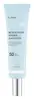
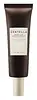
iUNIK Beta-Glucan Barrier Sunscreen SPF 50+ Versus SKIN1004 Madagascar Centella Probio-Cica Glow Sun Ampoule SPF50+ PA++++
This chemical sunscreen covers the full UV range and blocks ~98% of UVB at SPF 50.
This chemical sunscreen covers the full UV range and blocks ~98% of UVB at SPF 50.

What's inside
What's inside
 Key Ingredients
Benefits
Concerns
Ingredients Side-by-side
Water
Skin ConditioningDibutyl Adipate
Emollient2,3-Butanediol
HumectantEthylhexyl Triazone
UV Absorber
Diethylamino Hydroxybenzoyl Hexyl Benzoate
UV Filter
Drometrizole Trisiloxane
UV Absorber
Terephthalylidene Dicamphor Sulfonic Acid
UV Absorber
1,2-Hexanediol
Skin Conditioning
Butyloctyl Salicylate
Skin Conditioning
Behenyl Alcohol
Emollient
Tromethamine
BufferingDiethylhexyl Butamido Triazone
UV Absorber
Diisopropyl Sebacate
EmollientVinyldimethicone
Arachidyl Alcohol
Emollient
Acrylates/C10-30 Alkyl Acrylate Crosspolymer
Emulsion StabilisingMethyl Methacrylate Crosspolymer

Caprylyl Methicone
Skin Conditioning
Batyl Alcohol
EmollientStearic Acid
Cleansing


Sodium Polyacryloyldimethyl Taurate
Emulsion StabilisingArachidyl Glucoside
EmulsifyingPolyacrylate Crosspolymer-6
Emulsion StabilisingStearyl Alcohol
Emollient
Allantoin
Skin Conditioning



Ethylhexylglycerin
Skin ConditioningPanthenol
Skin Conditioning
Lecithin
Emollient
Caprylic/Capric Triglyceride
Masking
Microcrystalline Cellulose
AbsorbentCellulose Gum
Emulsion StabilisingGlucose
Humectant
Butylene Glycol
Humectant
Propanediol
Solvent
Beta-Glucan
Skin Conditioning
Maltodextrin
Absorbent
Chlorella Ferment
Skin Conditioning
Lactobacillus Ferment
Skin Conditioning
Panax Ginseng Extract
Antioxidant
Sodium Benzoate
Masking
Glyceryl Caprylate
EmollientAcetyl Hexapeptide-8
Humectant

Water, Dibutyl Adipate, 2,3-Butanediol, Ethylhexyl Triazone, Diethylamino Hydroxybenzoyl Hexyl Benzoate, Drometrizole Trisiloxane, Terephthalylidene Dicamphor Sulfonic Acid, 1,2-Hexanediol, Butyloctyl Salicylate, Behenyl Alcohol, Tromethamine, Diethylhexyl Butamido Triazone, Diisopropyl Sebacate, Vinyldimethicone, Arachidyl Alcohol, Acrylates/C10-30 Alkyl Acrylate Crosspolymer, Methyl Methacrylate Crosspolymer, Caprylyl Methicone, Batyl Alcohol, Stearic Acid, Sodium Polyacryloyldimethyl Taurate, Arachidyl Glucoside, Polyacrylate Crosspolymer-6, Stearyl Alcohol, Allantoin, Ethylhexylglycerin, Panthenol, Lecithin, Caprylic/Capric Triglyceride, Microcrystalline Cellulose, Cellulose Gum, Glucose, Butylene Glycol, Propanediol, Beta-Glucan, Maltodextrin, Chlorella Ferment, Lactobacillus Ferment, Panax Ginseng Extract, Sodium Benzoate, Glyceryl Caprylate, Acetyl Hexapeptide-8
Water
Skin ConditioningDibutyl Adipate
EmollientButyloctyl Salicylate
Skin Conditioning
Ethylhexyl Triazone
UV Absorber
Diethylamino Hydroxybenzoyl Hexyl Benzoate
UV Filter
Propanediol
Solvent
Niacinamide
Smoothing





Bis-Ethylhexyloxyphenol Methoxyphenyl Triazine
UV Absorber
Terephthalylidene Dicamphor Sulfonic Acid
UV Absorber
1,2-Hexanediol
Skin Conditioning
Poly C10-30 Alkyl Acrylate
Emulsion StabilisingGlycerin
Humectant
Tromethamine
BufferingPanthenol
Skin Conditioning
Vp/Hexadecene Copolymer
Sodium Polyacryloyldimethyl Taurate
Emulsion StabilisingPolyglyceryl-3 Distearate
Emulsifying
Sodium Acrylate/Sodium Acryloyldimethyl Taurate Copolymer
Emulsion StabilisingHydrogenated Poly(C6-14 Olefin)
EmollientCentella Asiatica Extract
Cleansing
Betaine
Humectant
Hydroxypropyl Methylcellulose Stearoxy Ether
Ammonium Polyacryloyldimethyl Taurate
Emulsion StabilisingEthylhexylglycerin
Skin ConditioningAdenosine
Skin Conditioning
Glyceryl Stearate Citrate
Emollient
Laminaria Japonica Extract
Skin Protecting
Ulmus Davidiana Root Extract
Skin Conditioning
Aloe Barbadensis Leaf Extract
Emollient
Viola Tricolor Extract
EmollientDioscorea Japonica Root Extract
Skin Conditioning
Lauryl Glucoside
CleansingButylene Glycol
Humectant
T-Butyl Alcohol
Perfuming




Caprylic/Capric Triglyceride
Masking
Hydrogenated Lecithin
Emulsifying
Macadamia Integrifolia Seed Oil
Skin Conditioning
Hydroxystearic Acid
Cleansing
Ceramide NP
Skin Conditioning
Lactobacillus Ferment
Skin Conditioning
Madecassic Acid
Skin Conditioning
Asiaticoside
Antioxidant
Polyglyceryl-10 Myristate
Skin Conditioning
Phytosphingosine
Skin Conditioning
Asiatic Acid
Skin Conditioning
Sucrose Distearate
Emollient
Lauric Acid
Cleansing
Phytosterols
Skin Conditioning
Water, Dibutyl Adipate, Butyloctyl Salicylate, Ethylhexyl Triazone, Diethylamino Hydroxybenzoyl Hexyl Benzoate, Propanediol, Niacinamide, Bis-Ethylhexyloxyphenol Methoxyphenyl Triazine, Terephthalylidene Dicamphor Sulfonic Acid, 1,2-Hexanediol, Poly C10-30 Alkyl Acrylate, Glycerin, Tromethamine, Panthenol, Vp/Hexadecene Copolymer, Sodium Polyacryloyldimethyl Taurate, Polyglyceryl-3 Distearate, Sodium Acrylate/Sodium Acryloyldimethyl Taurate Copolymer, Hydrogenated Poly(C6-14 Olefin), Centella Asiatica Extract, Betaine, Hydroxypropyl Methylcellulose Stearoxy Ether, Ammonium Polyacryloyldimethyl Taurate, Ethylhexylglycerin, Adenosine, Glyceryl Stearate Citrate, Laminaria Japonica Extract, Ulmus Davidiana Root Extract, Aloe Barbadensis Leaf Extract, Viola Tricolor Extract, Dioscorea Japonica Root Extract, Lauryl Glucoside, Butylene Glycol, T-Butyl Alcohol, Caprylic/Capric Triglyceride, Hydrogenated Lecithin, Macadamia Integrifolia Seed Oil, Hydroxystearic Acid, Ceramide NP, Lactobacillus Ferment, Madecassic Acid, Asiaticoside, Polyglyceryl-10 Myristate, Phytosphingosine, Asiatic Acid, Sucrose Distearate, Lauric Acid, Phytosterols
Reviews
Ingredients Explained
These ingredients are found in both products.
Ingredients higher up in an ingredient list are typically present in a larger amount.
1,2-Hexanediol is a synthetic liquid and another multi-functional powerhouse.
It is a:
- Humectant, drawing moisture into the skin
- Emollient, helping to soften skin
- Solvent, dispersing and stabilizing formulas
- Preservative booster, enhancing the antimicrobial activity of other preservatives
Butylene Glycol (or BG) is used within cosmetic products for a few different reasons:
Overall, Butylene Glycol is a safe and well-rounded ingredient that works well with other ingredients.
Though this ingredient works well with most skin types, some people with sensitive skin may experience a reaction such as allergic rashes, closed comedones, or itchiness.
Learn more about Butylene GlycolButyloctyl Salicylate is a chemical UV filter structurally similar to octisalate. It is a photostabilizer, SPF booster, emollient and solvent. This ingredient helps evenly spread out ingredients.
According to a manufacturer, it is suitable for pairing with micro Titanium Dioxide, Zinc Oxide, and pigments.
Photostabilizers help stabilize UV-filters and prevents them from degrading quickly.
Learn more about Butyloctyl SalicylateCaprylic/Capric Triglyceride (aka MCT Oil) is a lightweight emollient, solvent, and texture enhancer. It is considered a skin-softener by helping to prevent moisture loss.
Though it behaves like an oil, it is not technically one due to its chemical composition. One perk of this ingredient is that it is very stable, resistant to oxidation, and unlikely to go rancid.
In practice, that translates to a long shelf life and a consistently elegant skin feel.
While there is an assumption Caprylic Triglyceride can clog pores due to it being derived from coconut oil, there is no research supporting this. Just patch test if you have concerns.
Fractionated coconut oil and MCT Oil are both listed as Caprylic/Capric Triglyceride according to INCI. This is because INCI names are based on the ingredient’s final chemical composition and not its marketing name or source.
This ingredient is treated as the gold standard fungal acne safe oil. Even though it is coconut derived, the problematic lauric acid is stripped out.
This leaves just caprylic (C8) and capric (C10) acid. These chain lengths actually trend antifungal; a 2020 study found caprylic acid was enough to disrupt Malassezia furfur cell membrane, with a caprylic acid derivative damaging membrane structures at concentrations as low as 0.2%.
Learn more about Caprylic/Capric TriglycerideDibutyl Adipate is a lightweight, oil-soluble ester that acts as an emollient and solvent. It helps products spread more easily and leaves a soft, silky, dry-touch finish without being greasy.
You'll likely see this ingredient in sunscreens because it does a nice job dissolving UV filters and keeping them evenly distributed.
This ingredient has been found to be safe as used in cosmetics, wasn't a skin or eye irritant in clinical patch testing, and wasn't phototoxic.
In a clinical comedogenicity test, this ingredient tested negative so it isn't likely to clog pores.
Typical use levels are about 5-8% for sunscreens + nail products, but can range from 0.005%-8% depending on the product.
Learn more about Dibutyl AdipateDiethylamino Hydroxybenzoyl Hexyl Benzoate (DHHB) is a chemical UV-A absorber. It is formulated for high UVA protection (320-400 nm).
DHHB is well-liked for:
DHHB has been approved by the EU, Japan, Taiwan, and South America for use up to 10%. Unfortunately, it has not been approved for use in the US or Canada due to slow regulatory processes.
This ingredient is soluble in oils, fats, and lipids.
Learn more about Diethylamino Hydroxybenzoyl Hexyl BenzoateEthylhexyl Triazone (aka Octyl Triazone) is an oil-soluble organic UVB filter. It has peak absorption around 314 nm, right in the middle of the UVB range.
This ingredient is described as one of the most effective UVB filters available and small concentrations are enough to deliver a high SPF thanks to its strong UV absorbing power.
Formulators love it for its stability; its ability to filter UV stays practically unchanged even under intense radiation and it can also help boost the photostability of less stable filters like avobenzone.
It's also a great pick for water resistant products because it's insoluble in water and has a good affinity for keratin.
Because it's a big, heavy molecule, the European Scientific Committee has found to to have very low dermal penetration and negative results for allergenicity.
In vitro testing also showed a low absorption rate and clean results on irritation.
Typical use levels are 1-5% with 5% being the maximum in the EU, Japan, and other markets that allow it. However, this ingredient is not approved yet in the US or Canada.
Learn more about Ethylhexyl TriazoneEthylhexylglycerin is created from glycerin. It is a multitasker ingredient that:
The CIR Expert Panel found minimal skin absorption or sensitization of any kind in a safety assessment. Though this ingredient is considered well-tolerated, a small number of cases of allergic dermatitis have been published since 2002. Just be sure to patch test if you are unsure.
Industry-reported use ranges from 8% in rinse-off products and 2% in leave-on formulations.
Learn more about EthylhexylglycerinThis ingredient is made when the Lactobacillus bacteria (the same kind that makes yogurt and kimchi) are allowed to ferment a nutrient medium.
As it ferments, it collects lactic acid, peptides, enzymes, and other bioactive metabolites to provide:
A 2023 review noted that probiotic fermentation ingredients like this one can enhance antioxidant capacity, reduce UV-induced oxidative damage, and support barrier function.
One clinical study from the same year showed a Lactobacillus ferment lysate significantly reduced transepidermal water loss and improved skin hydration.
Another review highlighted that topical Lactobacillus-based preparations can improve ceramide levels in the stratum corneum, support barrier integrity, and even help reduce S. aureus colonization in atopic dermatitis.
Why is this so cool?
Basically, your skin's outer layer works as a brick wall; skin cells are bricks and ceramides are the mortar holding it together. Moisture escapes, irritants get in, and your skin gets dry and reactive when ceramide levels drop. On top of that, "bad" skin bacteria S. aureus loves to move in when your barrier is weak to make inflammation and irritation worse.
So Lactobacillus ferment is basically patching the wall and evicting the troublemaker when it boosts ceramide production and help keep S. aureus in check.
On top of all this, it also acts as a mild antimicrobial preservative booster.
Just so you know, most studies focus on specific strains or the lysate form rather than this generic "Lactobacillus Ferment", so results can vary.
Though it's a promising ingredient, it doesn't have decades of robust clinical data behind it just yet.
Lactobacillus Ferment is generally considered safe for fungal-acne prone skin. The key thing to understand is that it comes from bacteria, not yeast or fungus.
Yeast-derived ferments (like galactomyces) have been shown to activate a protein that's linked to Malassezia-related skin issues whereas lactobacillus doesn't have that problem.
Its byproducts also don't contain the types of fatty acids (C11-24 chain lengths) that Malassezia feeds on.
Learn more about Lactobacillus FermentPanthenol is a common ingredient that helps hydrate and soothe the skin. It is found naturally in our skin and hair.
There are two forms of panthenol: D and L.
D-panthenol is also known as dexpanthenol. Most cosmetics use dexpanthenol or a mixture of D and L-panthenol.
Panthenol is famous due to its ability to go deeper into the skin's layers. Using this ingredient has numerous pros (and no cons):
Like hyaluronic acid, panthenol is a humectant. Humectants are able to bind and hold large amounts of water to keep skin hydrated.
This ingredient works well for wound healing. It works by increasing tissue in the wound and helps close open wounds.
Once oxidized, panthenol converts to pantothenic acid. Panthothenic acid is found in all living cells.
This ingredient is also referred to as pro-vitamin B5.
Learn more about PanthenolPropanediol is an all-star ingredient. It softens, hydrates, and smooths the skin.
It’s often used to:
Propanediol is not likely to cause sensitivity and considered safe to use. It is derived from corn or petroleum with a clear color and no scent.
Learn more about PropanediolThis is a lab-made ingredient that plays a huge role in improving the texture of a formula.
It's used to thicken watery gel-creams, prevent water + oil from separating, and give products a silky, non-greasy glide.
Safety-wise, a panel of independent toxicologists reviewed this ingredient and concluded it to be safe in cosmetics in the present practices of use and concentration.
A separate sensitization patch test on humans also showed no evidence of allergic reactivity, and a true allergy to this ingredient is considered rare.
Typical usage levels range from 0.015%-3% in leave-on products and 0.078%-3.2% in rinse-off products.
Learn more about Sodium Polyacryloyldimethyl TaurateTerephthalylidene Dicamphor Sulfonic Acid (aka ecamsule or Mexoryl SX) is a water-soluble organic UV filter developed and patented by L'Oreal back in 1982.
It's one of the better UVA protectors out there and shields skin across a broad UVA range (~290-390 nm) with peak absorption right around 345 nm.
This peak absorption happens to be the exact type of UVA light that sinks deepest into skin and does the most to cause aging and dark spots.
Ecamsule works by soaking up UV rays and turning them into a tiny bit of harmless heat. The molecule basically flips, releases that energy as heat, then snaps back to its original shape and does it all over again. This is also why it's so stable in sunlight and doesn't break down or wear out the way some filters do.
The clinical backing for this ingredient is solid as well:
A large 2008 review by Fourtanier & colleagues (2008) pulled together human trials showing ecamsule-containing sunscreens prevented UV-induced pigmentation, DNA damage, and signs of aging.
That built on earlier work by Seite et al. (1998) that found it protected skin from repeated low-level UVA exposure. And a controlled study by DeLeo et al. (2009) showed that even an SPF 40 cream with ecamsule helped prevent sun-triggered rash even under the real sun.
On concentrations:
Because this ingredient is an acid, it has to be neutralized so it doesn't tank the product's pH.
Safety-wise, it's pretty well tolerated. There are some rare cases of mild irritation mostly in people with sensitivities towards camphor derivatives.
A 2019 FDA study found that volunteers who slathered on sunscreen heavily for several days had tiny amounts of ecamsule show up in their blood. This was slightly above the level at which the FDA asks for extra safety testing; this just means the FDA wants more safety studies done and not evidence that anything harmful actually happens. No problems were found and dermatologists still recommend using sunscreen.
Learn more about Terephthalylidene Dicamphor Sulfonic AcidTromethamine (aka THAM) is a synthetic amino acid that shows up in skincare as a helper ingredient.
It functions as a pH adjuster to help neutralize acidic ingredients and set a formula's pH to the right spot.
This matters a lot because a lot of actives (like vitamin C) needs a specific pH to work well and feel comfortable on skin.
Concentration use ranges from 0.1-1.0% depending on the formula.
Learn more about TromethamineWater. It's the most common cosmetic ingredient of all. You'll usually see it at the top of ingredient lists, meaning that it makes up the largest part of the product.
So why is it so popular? Water most often acts as a solvent - this means that it helps dissolve other ingredients into the formulation.
You'll also recognize water as that liquid we all need to stay alive. If you see this, drink a glass of water. Remember to stay hydrated!
Learn more about Water

