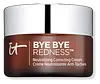
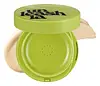
IT Cosmetics Bye Bye Redness™ Neutralizing Correcting Cream Versus Unleashia Satin Wear Healthy-Green Cushion


What's inside
What's inside
 Key Ingredients
Benefits
Concerns
Ingredients Side-by-side
Cyclopentasiloxane
Emollient
Water
Skin ConditioningSilica
Abrasive


PEG/PPG-18/18 Dimethicone
Emulsifying
Dimethicone/Vinyl Dimethicone Crosspolymer
Skin Conditioning
Isododecane
EmollientPropanediol
Solvent

Dimethicone
Emollient
Polysilicone-11
Lauryl PEG/PPG-18/18 Methicone
Skin Conditioning
PEG-10 Dimethicone
Skin Conditioning
Magnesium Aluminum Silicate
Absorbent
Sodium Chloride
MaskingPolyglyceryl-4 Isostearate
Emulsifying
Butylene Glycol
Humectant
Decyl Glucoside
Cleansing
Disteardimonium Hectorite
StabilisingCetyl PEG/PPG-10/1 Dimethicone
Emulsifying
Methicone
Emollient
Hexyl Laurate
Emollient
Retinyl Palmitate
Skin Conditioning


Ascorbyl Palmitate
Antioxidant

Tocopheryl Acetate
Antioxidant
Hydrolyzed Collagen
Emollient
Hydrolyzed Silk
Humectant
Acetyl Octapeptide-3
Humectant
Dipeptide Diaminobutyroyl Benzylamide Diacetate
Skin Conditioning
Acetyl Hexapeptide-8
Humectant
Camellia Sinensis Leaf Extract
Antimicrobial

Caprylic/Capric Triglyceride
Masking
Aloe Barbadensis Leaf Extract
Emollient
Olea Europaea Leaf Extract
Perfuming
Punica Granatum Extract
AstringentGlycyrrhiza Glabra Root Extract
Bleaching
Carthamus Tinctorius Seed Oil
Masking
Vitis Vinifera Seed Extract
Antimicrobial
Chamomilla Recutita Flower Extract
Masking
Prunus Domestica Seed Oil
Skin Conditioning
Persea Gratissima Oil
Skin Conditioning
Perfluorodecalin
Skin ConditioningNiacinamide
Smoothing


Glycerin
Humectant
Carbomer
Emulsion StabilisingPolysorbate 20
Emulsifying
Palmitoyl Oligopeptide
Cleansing
Palmitoyl Tetrapeptide-7
Skin Conditioning
Ethylhexyl Palmitate
Emollient

Silica Dimethyl Silylate
EmollientHyaluronic Acid
Humectant
Cholesteryl Nonanoate
EmollientCholesteryl Oleyl Carbonate
Skin ConditioningCholesteryl Chloride
Skin ConditioningColloidal Oatmeal
Absorbent
Magnolia Acuminata Bark Extract
Skin ConditioningChrysanthemum Parthenium Extract
Skin ConditioningCitrus Grandis Peel Oil
Masking

Lithospermum Officinale Extract
MaskingAgaricus Bisporus Extract
Skin ConditioningGlycine Soja Seed Extract
Skin Conditioning
Curcuma Longa Root Extract
Masking
Phenoxyethanol
Preservative
Ethylhexylglycerin
Skin ConditioningCI 77891
Cosmetic ColorantIron Oxides
Cyclopentasiloxane, Water, Silica, PEG/PPG-18/18 Dimethicone, Dimethicone/Vinyl Dimethicone Crosspolymer, Isododecane, Propanediol, Dimethicone, Polysilicone-11, Lauryl PEG/PPG-18/18 Methicone, PEG-10 Dimethicone, Magnesium Aluminum Silicate, Sodium Chloride, Polyglyceryl-4 Isostearate, Butylene Glycol, Decyl Glucoside, Disteardimonium Hectorite, Cetyl PEG/PPG-10/1 Dimethicone, Methicone, Hexyl Laurate, Retinyl Palmitate, Ascorbyl Palmitate, Tocopheryl Acetate, Hydrolyzed Collagen, Hydrolyzed Silk, Acetyl Octapeptide-3, Dipeptide Diaminobutyroyl Benzylamide Diacetate, Acetyl Hexapeptide-8, Camellia Sinensis Leaf Extract, Caprylic/Capric Triglyceride, Aloe Barbadensis Leaf Extract, Olea Europaea Leaf Extract, Punica Granatum Extract, Glycyrrhiza Glabra Root Extract, Carthamus Tinctorius Seed Oil, Vitis Vinifera Seed Extract, Chamomilla Recutita Flower Extract, Prunus Domestica Seed Oil, Persea Gratissima Oil, Perfluorodecalin, Niacinamide, Glycerin, Carbomer, Polysorbate 20, Palmitoyl Oligopeptide, Palmitoyl Tetrapeptide-7, Ethylhexyl Palmitate, Silica Dimethyl Silylate, Hyaluronic Acid, Cholesteryl Nonanoate, Cholesteryl Oleyl Carbonate, Cholesteryl Chloride, Colloidal Oatmeal, Magnolia Acuminata Bark Extract, Chrysanthemum Parthenium Extract, Citrus Grandis Peel Oil, Lithospermum Officinale Extract, Agaricus Bisporus Extract, Glycine Soja Seed Extract, Curcuma Longa Root Extract, Phenoxyethanol, Ethylhexylglycerin, CI 77891, Iron Oxides
Water
Skin ConditioningTitanium Dioxide
Cosmetic Colorant

Diphenylsiloxy Phenyl Trimethicone
Skin Conditioning
Butylene Glycol
Humectant
Butyloctyl Salicylate
Skin Conditioning
Ethylhexyl Stearate
Emollient
C12-15 Alkyl Benzoate
AntimicrobialCyclopentasiloxane
Emollient
Glycerin
Humectant
Cetyl PEG/PPG-10/1 Dimethicone
Emulsifying
Polyglyceryl-4 Isostearate
Emulsifying
Pentaerythrityl Tetraisostearate
Emollient
Niacinamide
Smoothing
Squalane
Emollient
Pvp
Emulsion StabilisingCyclohexasiloxane
Emollient
Dimer Dilinoleyl Dimer Dilinoleate
EmollientDisteardimonium Hectorite
StabilisingMagnesium Sulfate
Trimethylsiloxysilicate
Emollient
Polyphenylsilsesquioxane
CI 77492
Cosmetic ColorantTribehenin
Emollient
Acrylates/Stearyl Acrylate/Dimethicone Methacrylate Copolymer
Aluminum Hydroxide
EmollientCaprylyl Glycol
Emollient
Triethoxycaprylylsilane
Bakuchiol
Antimicrobial
CI 77491
Cosmetic ColorantEthylhexylglycerin
Skin ConditioningCI 77499
Cosmetic ColorantAdenosine
Skin Conditioning
1,2-Hexanediol
Skin Conditioning
Carica Papaya Fruit Water
Skin ConditioningChamomilla Recutita Flower Extract
Masking
Polyglutamic Acid
Skin Conditioning
Polymethylsilsesquioxane
Carum Petroselinum Extract
Skin ConditioningWater, Titanium Dioxide, Diphenylsiloxy Phenyl Trimethicone, Butylene Glycol, Butyloctyl Salicylate, Ethylhexyl Stearate, C12-15 Alkyl Benzoate, Cyclopentasiloxane, Glycerin, Cetyl PEG/PPG-10/1 Dimethicone, Polyglyceryl-4 Isostearate, Pentaerythrityl Tetraisostearate, Niacinamide, Squalane, Pvp, Cyclohexasiloxane, Dimer Dilinoleyl Dimer Dilinoleate, Disteardimonium Hectorite, Magnesium Sulfate, Trimethylsiloxysilicate, Polyphenylsilsesquioxane, CI 77492, Tribehenin, Acrylates/Stearyl Acrylate/Dimethicone Methacrylate Copolymer, Aluminum Hydroxide, Caprylyl Glycol, Triethoxycaprylylsilane, Bakuchiol, CI 77491, Ethylhexylglycerin, CI 77499, Adenosine, 1,2-Hexanediol, Carica Papaya Fruit Water, Chamomilla Recutita Flower Extract, Polyglutamic Acid, Polymethylsilsesquioxane, Carum Petroselinum Extract
Reviews
Ingredients Explained
These ingredients are found in both products.
Ingredients higher up in an ingredient list are typically present in a larger amount.
Butylene Glycol (or BG) is used within cosmetic products for a few different reasons:
Overall, Butylene Glycol is a safe and well-rounded ingredient that works well with other ingredients.
Though this ingredient works well with most skin types, some people with sensitive skin may experience a reaction such as allergic rashes, closed comedones, or itchiness.
Learn more about Butylene GlycolThis ingredient is a silicone-based emulsifer that helps the water and oil phases play nicely together. It's so effective because one end of the molecule loves oil and the other one loves water.
Besides holding formulas together, it also leaves a silky and lightweight feel on skin without the greasiness. A manufacturer also claims it can help with the controlled release of active ingredients.
The CIR Expert Panel found this ingredient to not be sensitizing in concentrations up to 15% in human maximazation testing and dimethicone-based compounds were not comedogenic.
It has a high molecular weight well above 1,000 g/mol which means it limits meaningful skin penetration.
A 2019 study specifically tested this ingredient and found no observable Malassezia growth in its presence.
Learn more about Cetyl PEG/PPG-10/1 DimethiconeChamomilla Recutita Flower Extract comes from the Chamomile flower.
Chamomile is rich in antioxidants and has anti-inflammatory properties. Several compounds found in chamomile help with soothing, such as bisbolol.
Antioxidant components in chamomile make it an effective ingredient to help slow the signs of aging. Antioxidants help fight free-radical molecules, or molecules that may damage your skin.
Essential oils from chamomile have been found to improve wound healing due to its antimicrobial properties.
Ancient Greeks and Egyptians used Chamomile to treat skin redness and dryness. Chamomile has also been used to help treat stomach issues.
Learn more about Chamomilla Recutita Flower ExtractCyclopentasiloxane, or D5, is a silicone used to improve texture of products and trap moisture.
D5 is considered lightweight and volatile. Volatile means it evaporates quickly after application. Once evaporated, D5 leaves a thin barrier that helps keep skin hydrated.
It is also an emollient. Emollients help soften the skin and prevent water loss. Silicones create a silky texture in products. D5 helps other ingredients become more spreadable.
Studies show D5 is safe to use in skincare products. We recommend speaking with a skincare professional if you have concerns.
Learn more about CyclopentasiloxaneDisteardimonium Hectorite comes from the clay mineral named hectorite. It is used to add thickness to a product.
It can also help stabilize a product by helping to disperse other ingredients.
Hectorite is a rare, white clay mineral.
Learn more about Disteardimonium HectoriteEthylhexylglycerin is created from glycerin. It is a multitasker ingredient that:
The CIR Expert Panel found minimal skin absorption or sensitization of any kind in a safety assessment. Though this ingredient is considered well-tolerated, a small number of cases of allergic dermatitis have been published since 2002. Just be sure to patch test if you are unsure.
Industry-reported use ranges from 8% in rinse-off products and 2% in leave-on formulations.
Learn more about EthylhexylglycerinGlycerin (or glycerol) is a compound naturally found in your skin. It's a powerhouse humectant that pulls water into the stratum corneum.
Topically, glycerin does several things at once:
Your skin makes glycerin on its own (mostly from sebaceous oil breakdown) and shuttles it to your outermost layer of skin, or your epidermis, via aquaporin-3.
Aquaporin-3 is a transporter that is essential for normal skin hydration, elasticity, and repair. Interestingly, mice lacking in AQP3 have dry and less elastic skin that can be fully corrected with glycerin.
This ingredient is non-irritating, plays well with almost every ingredient, and works across all skin types. Typical use is anywhere between 3-10% but can go up to 79% in some leave-on products.
Just know very high concentrations (>40%) can feel tacky in low humidity.
Glycerin is the name for this ingredient in American English. British English uses Glycerol/Glycerine.
Learn more about GlycerinNiacinamide is a multitasking form of vitamin B3 that strengthens the skin barrier, reduces pores and dark spots, regulates oil, and improves signs of aging.
And the best part? It's gentle and well-tolerated by most skin types, including sensitive and reactive skin.
You might have heard of "niacin flush", or the reddening of skin that causes itchiness. Niacinamide has not been found to cause this.
In very rare cases, some individuals may not be able to tolerate niacinamide at all or experience an allergic reaction to it.
If you are experiencing flaking, irritation, and dryness with this ingredient, be sure to double check all your products as this ingredient can be found in all categories of skincare.
When incorporating niacinamide into your routine, look out for concentration amounts. Typically, 5% niacinamide provides benefits such as fading dark spots. However, if you have sensitive skin, it is better to begin with a smaller concentration.
When you apply niacinamide to your skin, your body converts it into nicotinamide adenine dinucleotide (NAD). NAD is an essential coenzyme that is already found in your cells as "fuel" and powers countless biological processes.
In your skin, NAD helps repair cell damage, produce new healthy cells, support collagen production, strengthen the skin barrier, and fight environmental stressors (like UV and pollution).
Our natural NAD levels start to decline with age, leading to slower skin repair, visible aging, and a weaker skin barrier. By providing your skin niacinamide, you're recharging your skin's NAD levels. This leads to stronger, healthier, and younger looking skin.
Another name for vitamin B3 is nicotinamide. This vitamin is water-soluble and our bodies don't store it. We obtain Vitamin B3 from either food or skincare. Meat, fish, wheat, yeast, and leafy greens contain vitamin B3.
The type of niacinamide used in skincare is synthetically created.
Learn more about NiacinamideThis ingredient is an emulsifer and stabilizer. It comes from isostearic acid and polyglycerin.
As an emulsifier, it helps blend oil and water to improve texture, spreadbility, and application.
Due to it being derived from isostearic acid, this ingredient may not be fungal acne safe.
Learn more about Polyglyceryl-4 IsostearateWater. It's the most common cosmetic ingredient of all. You'll usually see it at the top of ingredient lists, meaning that it makes up the largest part of the product.
So why is it so popular? Water most often acts as a solvent - this means that it helps dissolve other ingredients into the formulation.
You'll also recognize water as that liquid we all need to stay alive. If you see this, drink a glass of water. Remember to stay hydrated!
Learn more about Water
