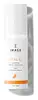
This brightening moisturizer is formulated around Butyrospermum Parkii Butter and Tetrahexyldecyl Ascorbate to brighten dull-looking skin and hydrate skin.
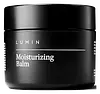
This barrier-repair moisturizer is formulated around Niacinamide and Panthenol to strengthen the skin barrier and hydrate skin.

What's inside
What's inside
 Key Ingredients
Benefits
Concerns
Ingredients Side-by-side
Water
Skin ConditioningGlycerin
Humectant


Caprylic/Capric Triglyceride
Masking
Olea Europaea Fruit Oil
Masking





Cetearyl Alcohol
Emollient

Butylene Glycol
Humectant
Butyrospermum Parkii Butter
Skin Conditioning
PPG-3 Benzyl Ether Myristate
EmollientDi-C12-15 Alkyl Fumarate
EmollientDimethicone
Emollient
Glyceryl Stearate
Emollient
PEG-100 Stearate
Surfactant
Citrus Aurantium Dulcis Peel Oil
Masking
Erythritol
Humectant
Polysorbate 20
Emulsifying
Acrylates/C10-30 Alkyl Acrylate Crosspolymer
Emulsion StabilisingTetrahexyldecyl Ascorbate
Antioxidant





Carbomer
Emulsion StabilisingEugenia Caryophyllus Leaf Oil
Masking

Ethylhexylglycerin
Skin ConditioningTocopheryl Acetate
Antioxidant
Retinyl Palmitate
Skin Conditioning

Sodium Ascorbyl Phosphate
Antioxidant
Mannitol
Humectant
Sodium Hyaluronate
Humectant
Sodium Lactate
Buffering
Ceramide Ns
Skin Conditioning

Ascorbic Acid
Antioxidant
Homarine Hcl
Skin ConditioningTocopherol
Antioxidant
Biotin
AntiseborrhoeicPentaerythrityl Tetra-Di-T-Butyl Hydroxyhydrocinnamate
Antioxidant
Saccharomyces Cerevisiae Extract
Skin Conditioning
Vitis Vinifera Seed Extract
Antimicrobial
Palmitoyl Tripeptide-1
Skin Conditioning
Palmitoyl Tetrapeptide-7
Skin Conditioning
Phenoxyethanol
Preservative
Potassium Sorbate
Preservative
Sodium Benzoate
Masking
Sodium Hydroxide
BufferingLimonene
Perfuming
Eugenol
Perfuming
Linalool
Perfuming
Isoeugenol
Perfuming
Water, Glycerin, Caprylic/Capric Triglyceride, Olea Europaea Fruit Oil, Cetearyl Alcohol, Butylene Glycol, Butyrospermum Parkii Butter, PPG-3 Benzyl Ether Myristate, Di-C12-15 Alkyl Fumarate, Dimethicone, Glyceryl Stearate, PEG-100 Stearate, Citrus Aurantium Dulcis Peel Oil, Erythritol, Polysorbate 20, Acrylates/C10-30 Alkyl Acrylate Crosspolymer, Tetrahexyldecyl Ascorbate, Carbomer, Eugenia Caryophyllus Leaf Oil, Ethylhexylglycerin, Tocopheryl Acetate, Retinyl Palmitate, Sodium Ascorbyl Phosphate, Mannitol, Sodium Hyaluronate, Sodium Lactate, Ceramide Ns, Ascorbic Acid, Homarine Hcl, Tocopherol, Biotin, Pentaerythrityl Tetra-Di-T-Butyl Hydroxyhydrocinnamate, Saccharomyces Cerevisiae Extract, Vitis Vinifera Seed Extract, Palmitoyl Tripeptide-1, Palmitoyl Tetrapeptide-7, Phenoxyethanol, Potassium Sorbate, Sodium Benzoate, Sodium Hydroxide, Limonene, Eugenol, Linalool, Isoeugenol
Water
Skin ConditioningGlycerin
Humectant
Dipropylene Glycol
HumectantCaprylic/Capric Triglyceride
Masking
Limnanthes Alba Seed Oil
Skin Conditioning
Hydrogenated Polyisobutene
EmollientCyclopentasiloxane
Emollient
Polysorbate 60
Emulsifying
Niacinamide
Smoothing


Cyclohexasiloxane
Emollient
Hydrogenated Polydecene
EmollientSorbitan Sesquioleate
Emulsifying
Cetyl Alcohol
Emollient
Panthenol
Skin Conditioning
Zingiber Officinale Root Extract
Masking
Schisandra Chinensis Fruit Extract
Skin Conditioning
Hydroxyethyl Acrylate/Sodium Acryloyldimethyl Taurate Copolymer
Emulsion StabilisingGlycyrrhiza Glabra Root Extract
Bleaching
Dimethicone/Vinyl Dimethicone Crosspolymer
Skin Conditioning
Coptis Japonica Root Extract
Skin ConditioningCamellia Sinensis Leaf Extract
Antimicrobial
Asiaticoside
Antioxidant
Ammonium Acryloyldimethyltaurate/Vp Copolymer
Acrylates/C10-30 Alkyl Acrylate Crosspolymer
Emulsion StabilisingPropolis Wax
EmollientChlorphenesin
Antimicrobial
Dimethicone
Emollient
Stearyl Alcohol
Emollient
Sorbitan Olivate
Emulsifying
Sodium Polyacrylate
Absorbent
Sodium Hyaluronate
Humectant
Pyrus Malus Fruit Extract
Skin Conditioning
Propanediol
Solvent
PEG-100 Stearate
Surfactant
Oligopeptide-1
Skin Conditioning
Lactobacillus Ferment Filtrate
Skin ConditioningGlyceryl Stearate
Emollient
Cetearyl Olivate
Myristyl Alcohol
Emollient
1,2-Hexanediol
Skin Conditioning
Ascorbic Acid
Antioxidant
Parfum
Masking
Citric Acid
Buffering
Caprylyl Glycol
Emollient
Butylene Glycol
Humectant
Arginine
Masking
Phenoxyethanol
Preservative
Disodium EDTA
ChelatingWater, Glycerin, Dipropylene Glycol, Caprylic/Capric Triglyceride, Limnanthes Alba Seed Oil, Hydrogenated Polyisobutene, Cyclopentasiloxane, Polysorbate 60, Niacinamide, Cyclohexasiloxane, Hydrogenated Polydecene, Sorbitan Sesquioleate, Cetyl Alcohol, Panthenol, Zingiber Officinale Root Extract, Schisandra Chinensis Fruit Extract, Hydroxyethyl Acrylate/Sodium Acryloyldimethyl Taurate Copolymer, Glycyrrhiza Glabra Root Extract, Dimethicone/Vinyl Dimethicone Crosspolymer, Coptis Japonica Root Extract, Camellia Sinensis Leaf Extract, Asiaticoside, Ammonium Acryloyldimethyltaurate/Vp Copolymer, Acrylates/C10-30 Alkyl Acrylate Crosspolymer, Propolis Wax, Chlorphenesin, Dimethicone, Stearyl Alcohol, Sorbitan Olivate, Sodium Polyacrylate, Sodium Hyaluronate, Pyrus Malus Fruit Extract, Propanediol, PEG-100 Stearate, Oligopeptide-1, Lactobacillus Ferment Filtrate, Glyceryl Stearate, Cetearyl Olivate, Myristyl Alcohol, 1,2-Hexanediol, Ascorbic Acid, Parfum, Citric Acid, Caprylyl Glycol, Butylene Glycol, Arginine, Phenoxyethanol, Disodium EDTA
Ingredients Explained
These ingredients are found in both products.
Ingredients higher up in an ingredient list are typically present in a larger amount.
Acrylates/C10-30 Alkyl Acrylate Crosspolymer is a synthetic polymer. It is used to thicken, emulsify, and improve the texture of products.
As an emulsifier, it helps stabilize oil-in-water emulsions to give products an elegant feel when applied.
It can also form a thin protective film on skin. One study found that a formula using this polymer helped slow down how quickly other ingredients (like DEET) were absorbed through skin.
A 2024 study of over 1,300 patients confirmed that sensitization to this ingredient is rare. It is also non-mutagenic and has a clean track record.
Learn more about Acrylates/C10-30 Alkyl Acrylate CrosspolymerAscorbic Acid is is pure Vitamin C and is the biologically active form used directly by skin.
Not only is vitamin C great for your overall health and immune system, but it also has plenty of benefits for your skin. It is best supported by academic literature for:
Topical vitamin C has been shown to help neutralize oxidative stress from UV and pollution, helping to improve photoaging and hyperpigmentation when used consistently.
One clinical study found that using 5% topical vitamin C for six months improved signs of photodamaged skin, both on the surface and in the deeper structural layers of the skin.
While vitamin C doesn’t replace sunscreen, studies show it can boost photoprotection when combined with Vitamin E and ferulic acid. These two ingredients help improve stability and protective effects.
The big downside of this ingredient is formulation difficulty. Vitamin C is prone to oxidation and doesn't penetrate the skin unless formulated correctly. Research found that vitamin C absorbs into the skin best at a low pH (< 3.5) with about 20% being the upper limit for effective absorption.
Skin levels can saturate after repeated application; this means your skin won’t keep absorbing more once it’s full of vitamin C. This is why more isn’t always better with vitamin C and why very high concentrations don’t necessarily give extra benefits.
Ascorbic acid generally works well with many skincare ingredients but can be irritating when combined with other active ingredients. Strong oxidizing acne treatments like benzoyl peroxide can reduce the effectiveness of vitamin C if they are used at the same time; they are often recommended for use at different times of day.
Read more about other types of Vitamin C:
Foods rich with vitamin C include oranges, strawberries, broccoli, bell peppers, and more. When consuming Vitamin C, your skin receives a portion of the nutrients.
Learn more about Ascorbic AcidButylene Glycol (or BG) is used within cosmetic products for a few different reasons:
Overall, Butylene Glycol is a safe and well-rounded ingredient that works well with other ingredients.
Though this ingredient works well with most skin types, some people with sensitive skin may experience a reaction such as allergic rashes, closed comedones, or itchiness.
Learn more about Butylene GlycolCaprylic/Capric Triglyceride (aka MCT Oil) is a lightweight emollient, solvent, and texture enhancer. It is considered a skin-softener by helping to prevent moisture loss.
Though it behaves like an oil, it is not technically one due to its chemical composition. One perk of this ingredient is that it is very stable, resistant to oxidation, and unlikely to go rancid.
In practice, that translates to a long shelf life and a consistently elegant skin feel.
While there is an assumption Caprylic Triglyceride can clog pores due to it being derived from coconut oil, there is no research supporting this. Just patch test if you have concerns.
Fractionated coconut oil and MCT Oil are both listed as Caprylic/Capric Triglyceride according to INCI. This is because INCI names are based on the ingredient’s final chemical composition and not its marketing name or source.
This ingredient is treated as the gold standard fungal acne safe oil. Even though it is coconut derived, the problematic lauric acid is stripped out.
This leaves just caprylic (C8) and capric (C10) acid. These chain lengths actually trend antifungal; a 2020 study found caprylic acid was enough to disrupt Malassezia furfur cell membrane, with a caprylic acid derivative damaging membrane structures at concentrations as low as 0.2%.
Learn more about Caprylic/Capric TriglycerideDimethicone is a type of synthetic silicone created from natural materials such as quartz. It is also known as polydimethylsiloxane.
What it does:
Dimethicone comes in different viscosities:
Depending on the viscosity, dimethicone has different properties.
Ingredients lists don't always show which type is used, so we recommend reaching out to the brand if you have questions about the viscosity.
This ingredient is unlikely to cause irritation because it does not get absorbed into skin. However, people with silicone allergies should be careful about using this ingredient.
Note: Dimethicone may contribute to pilling. This is because it is not oil or water soluble, so pilling may occur when layered with products. When mixed with heavy oils in a formula, the outcome is also quite greasy.
Learn more about DimethiconeGlycerin (or glycerol) is a compound naturally found in your skin. It's a powerhouse humectant that pulls water into the stratum corneum.
Topically, glycerin does several things at once:
Your skin makes glycerin on its own (mostly from sebaceous oil breakdown) and shuttles it to your outermost layer of skin, or your epidermis, via aquaporin-3.
Aquaporin-3 is a transporter that is essential for normal skin hydration, elasticity, and repair. Interestingly, mice lacking in AQP3 have dry and less elastic skin that can be fully corrected with glycerin.
This ingredient is non-irritating, plays well with almost every ingredient, and works across all skin types. Typical use is anywhere between 3-10% but can go up to 79% in some leave-on products.
Just know very high concentrations (>40%) can feel tacky in low humidity.
Glycerin is the name for this ingredient in American English. British English uses Glycerol/Glycerine.
Learn more about GlycerinGlyceryl Stearate is made by reacting glycerin with stearic acid (typically sourced from plant oils like palm or coconut). It's an emulsifier, emollient, and mild occlusive.
Emulsifiers help ingredients like oil and water stay mixed so your formula stays nicely blended and uniform in texture.
This ingredient is typically used in concentrations between 1-10%. Studies have found it to be non-sensitizing, non-phototoxic, and non-photoallergenic.
A close cousin of this ingredient is Glyceryl Stearate SE ("self-emulsifying"). This just has a small amount of sodium or potassium stearate added so it can emulsify without a co-emulsifier.
Since this ingredient is an ester of a C18 fatty acid, it may not be fungal acne safe. The Malassezia yeast can potentially metabolize within the C11-C24 range.
Fun fact: The human body also creates Glyceryl Stearate naturally.
Learn more about Glyceryl StearatePeg-100 Stearate is an emollient and emulsifier. As an emollient, it helps keep skin soft by trapping moisture in. On the other hand, emulsifiers help prevent oil and water from separating in a product.
PEGS are a hydrophilic polyether compound . There are 100 ethylene oxide monomers in Peg-100 Stearate. Peg-100 Stearate is polyethylene glycol ester of stearic acid.
Phenoxyethanol is one of the most widely used preservatives in skincare (and for good reason!).
It has a large spectrum of antimicrobial activity and especially effective bacteria, yeast, and mold while only having a weak effect on your skin's natural microbiome.
On a cellular level, it disrupts the cell membranes of microbes by poking holes that make the cell leak. This shuts down the chemical reactions the microbe needs to make energy so it can no longer survive.
Another perk of this ingredient is that it stays functional across a wide pH range (3-10).
You'll often see it paired with boosters like Ethylhexylglycerin; one study showed that a 1:9 ratio of Ethylhexylglycerin to Phenoxyethanol damages bacterial membranes as effectively as doubling the Phenoxyethanol concentration on its own.
Typical use concentrations range from 0.3-1% depending on the formula, and this ingredient is capped at 1% int the EU.
Safety-wise, the fear mongering does not hold up to the evidence. The EU's Scientific Committee on Consumer Safety and FDA consider it safe as a preservative at up to 1%, including for children of all ages.
Adverse systemic effects only showed up in animal studies at exposures roughly 200x higher than what people get from cosmetics. And despite its very widespread use, this ingredient is a rare sensitizer and allergic reactions are uncommon.
Learn more about PhenoxyethanolSodium Hyaluronate is the salt form of hyaluronic acid. It is a long sugar chain that is naturally found in your skin, joints, and connective tissue that maintains hydration and elasticity.
In skincare, it works as a humectant. It pulls water from the environment and deeper layers of skin and binds it to the surface.
Interestingly, the size of the molecule affects its behavior:
Some clinical evidence links low molecular weight versions to improved wrinkle depth, elasticity, anti-inflammatory effects, and barrier repair.
Many serums use a blend of both weights so you can get surface hydration plus longer-lasting and deeper effects.
You'll typically see concentrations between 0.1-2% for this ingredient.
Learn more about Sodium HyaluronateWater. It's the most common cosmetic ingredient of all. You'll usually see it at the top of ingredient lists, meaning that it makes up the largest part of the product.
So why is it so popular? Water most often acts as a solvent - this means that it helps dissolve other ingredients into the formulation.
You'll also recognize water as that liquid we all need to stay alive. If you see this, drink a glass of water. Remember to stay hydrated!
Learn more about Water

