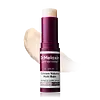
Holika Holika Purple Collagen Anti Wrinkle Multi Balm Versus Dr.Melaxin Cemenrete Calcium Multi Balm
This anti-aging moisturizer is formulated around Helianthus Annuus Seed Oil and Resveratrol to soften the look of wrinkles and hydrate skin.
This anti-aging moisturizer is formulated around Simmondsia Chinensis Seed Oil and Glycyrrhiza Glabra Root Extract to soften the look of wrinkles and hydrate skin.

What's inside
What's inside
 Key Ingredients
Benefits
Concerns
Ingredients Side-by-side
Helianthus Annuus Seed Oil
Emollient



Beeswax
Emulsion Stabilising


Octyldodecanol
Emollient
Polyglyceryl-2 Triisostearate
Emulsifying
Diisostearyl Malate
EmollientButyrospermum Parkii Butter
Skin Conditioning
Hydrogenated Polyisobutene
EmollientEuphorbia Cerifera Wax
Tocopheryl Acetate
Antioxidant


Tridecyl Trimellitate
EmollientRicinus Communis Seed Oil
Masking
Polyethylene
Abrasive
Sorbitan Olivate
Emulsifying
Prunus Amygdalus Dulcis Oil
Skin Conditioning
Bisabolol
Antioxidant


Microcrystalline Wax
Emulsion StabilisingCaprylic/Capric Triglyceride
Masking
Lavandula Angustifolia Oil
Masking


Sorbitan Sesquioleate
Emulsifying
Tocopherol
Antioxidant

Hippophae Rhamnoides Fruit Oil
Skin Protecting
Camellia Sinensis Seed Oil
Humectant
Camellia Japonica Seed Oil
Emollient
Argania Spinosa Kernel Oil
Emollient
Olea Europaea Fruit Oil
Masking
Macadamia Integrifolia Seed Oil
Skin Conditioning
Simmondsia Chinensis Seed Oil
Emollient
Dehydroacetic Acid
Preservative
Water
Skin ConditioningMonascus Extract
Skin ConditioningEclipta Prostrata Extract
Skin Conditioning
Glycerin
Humectant
Daucus Carota Sativa Root Extract
Skin Conditioning
Perilla Ocymoides Leaf Extract
TonicCentella Asiatica Extract
Cleansing
Borago Officinalis Extract
Emollient
Beta Vulgaris Root Extract
Skin ConditioningAngelica Gigas Extract
Skin ConditioningAnthemis Nobilis Flower Extract
Masking
Calendula Officinalis Flower Extract
Masking
Melia Azadirachta Leaf Extract
Skin ConditioningGlycolipids
Skin ConditioningPolyglyceryl-10 Oleate
Skin Conditioning
1,2-Hexanediol
Skin Conditioning
Moringa Oleifera Seed Oil
Emollient
Resveratrol
Antioxidant
Collagen Extract
Skin Conditioning
Hydrolyzed Collagen
Emollient
Helianthus Annuus Seed Oil, Beeswax, Octyldodecanol, Polyglyceryl-2 Triisostearate, Diisostearyl Malate, Butyrospermum Parkii Butter, Hydrogenated Polyisobutene, Euphorbia Cerifera Wax, Tocopheryl Acetate, Tridecyl Trimellitate, Ricinus Communis Seed Oil, Polyethylene, Sorbitan Olivate, Prunus Amygdalus Dulcis Oil, Bisabolol, Microcrystalline Wax, Caprylic/Capric Triglyceride, Lavandula Angustifolia Oil, Sorbitan Sesquioleate, Tocopherol, Hippophae Rhamnoides Fruit Oil, Camellia Sinensis Seed Oil, Camellia Japonica Seed Oil, Argania Spinosa Kernel Oil, Olea Europaea Fruit Oil, Macadamia Integrifolia Seed Oil, Simmondsia Chinensis Seed Oil, Dehydroacetic Acid, Water, Monascus Extract, Eclipta Prostrata Extract, Glycerin, Daucus Carota Sativa Root Extract, Perilla Ocymoides Leaf Extract, Centella Asiatica Extract, Borago Officinalis Extract, Beta Vulgaris Root Extract, Angelica Gigas Extract, Anthemis Nobilis Flower Extract, Calendula Officinalis Flower Extract, Melia Azadirachta Leaf Extract, Glycolipids, Polyglyceryl-10 Oleate, 1,2-Hexanediol, Moringa Oleifera Seed Oil, Resveratrol, Collagen Extract, Hydrolyzed Collagen
Caprylic/Capric Triglyceride
Masking
Polyglyceryl-2 Triisostearate
Emulsifying
Polyethylene
Abrasive
Microcrystalline Wax
Emulsion StabilisingOctyldodecanol
Emollient
Triethylhexanoin
Masking1,2-Hexanediol
Skin Conditioning
Caprylyl Glycol
Emollient
Limnanthes Alba Seed Oil
Skin Conditioning
Macadamia Ternifolia Seed Oil
Emollient
Olea Europaea Fruit Oil
Masking
Persea Gratissima Oil
Skin Conditioning
Simmondsia Chinensis Seed Oil
Emollient
Eclipta Prostrata Extract
Skin Conditioning
Eclipta Prostrata Leaf Extract
Skin ConditioningGlycyrrhiza Glabra Root Extract
Bleaching
Adenosine
Skin Conditioning
Moringa Oleifera Seed Oil
Emollient
Water
Skin ConditioningButylene Glycol
Humectant
Glycerin
Humectant
Prunus Amygdalus Dulcis Fruit Extract
Skin ConditioningTremella Fuciformis Extract
Humectant
Tabebuia Impetiginosa Bark Extract
Skin ConditioningHydrolyzed Elastin
EmollientHydrogenated Lecithin
Emulsifying
Glucose
Humectant
Arginine
Masking
Hydroxypropyl Methylcellulose
Emulsion StabilisingCitric Acid
Buffering
CI 77220
Cosmetic ColorantAscorbic Acid
Antioxidant
Acetyl Glucosamine
Skin Conditioning
Glutathione
Collagen Extract
Skin Conditioning
Caprylic/Capric Triglyceride, Polyglyceryl-2 Triisostearate, Polyethylene, Microcrystalline Wax, Octyldodecanol, Triethylhexanoin, 1,2-Hexanediol, Caprylyl Glycol, Limnanthes Alba Seed Oil, Macadamia Ternifolia Seed Oil, Olea Europaea Fruit Oil, Persea Gratissima Oil, Simmondsia Chinensis Seed Oil, Eclipta Prostrata Extract, Eclipta Prostrata Leaf Extract, Glycyrrhiza Glabra Root Extract, Adenosine, Moringa Oleifera Seed Oil, Water, Butylene Glycol, Glycerin, Prunus Amygdalus Dulcis Fruit Extract, Tremella Fuciformis Extract, Tabebuia Impetiginosa Bark Extract, Hydrolyzed Elastin, Hydrogenated Lecithin, Glucose, Arginine, Hydroxypropyl Methylcellulose, Citric Acid, CI 77220, Ascorbic Acid, Acetyl Glucosamine, Glutathione, Collagen Extract
Reviews
Ingredients Explained
These ingredients are found in both products.
Ingredients higher up in an ingredient list are typically present in a larger amount.
1,2-Hexanediol is a synthetic liquid and another multi-functional powerhouse.
It is a:
- Humectant, drawing moisture into the skin
- Emollient, helping to soften skin
- Solvent, dispersing and stabilizing formulas
- Preservative booster, enhancing the antimicrobial activity of other preservatives
Caprylic/Capric Triglyceride (aka MCT Oil) is a lightweight emollient, solvent, and texture enhancer. It is considered a skin-softener by helping to prevent moisture loss.
Though it behaves like an oil, it is not technically one due to its chemical composition. One perk of this ingredient is that it is very stable, resistant to oxidation, and unlikely to go rancid.
In practice, that translates to a long shelf life and a consistently elegant skin feel.
While there is an assumption Caprylic Triglyceride can clog pores due to it being derived from coconut oil, there is no research supporting this. Just patch test if you have concerns.
Fractionated coconut oil and MCT Oil are both listed as Caprylic/Capric Triglyceride according to INCI. This is because INCI names are based on the ingredient’s final chemical composition and not its marketing name or source.
This ingredient is treated as the gold standard fungal acne safe oil. Even though it is coconut derived, the problematic lauric acid is stripped out.
This leaves just caprylic (C8) and capric (C10) acid. These chain lengths actually trend antifungal; a 2020 study found caprylic acid was enough to disrupt Malassezia furfur cell membrane, with a caprylic acid derivative damaging membrane structures at concentrations as low as 0.2%.
Learn more about Caprylic/Capric TriglycerideCollagen extract is derived from parts of animals. It has skin conditioning properties and is mostly comprised of glycine, proline, and hydroxypoline. These are amino acids.
While our skin does have collagen, this ingredient is not used by the skin for anti-aging. Applying collagen topically has not been linked to helping with collagen loss in skin. All the benefits of collagen are related to hydration.
This ingredient will not increase sun sensitivity, but you should always wear sunscreen during the day.
Learn more about Collagen ExtractThis ingredient is also known as Bhringaraj extract or False Daisy. It is a skin conditioning ingredient that keeps skin soft and hydrated.
Research shows it has antioxidant properties; lab studies have found it can protect skin cells from UV-induced damage and help suppress inflammation.
There's also some interesting research on its potential to support hair growth by promoting the growth phase of the hair cycle.
Those with an allergy to plants in the daisy family may want to patch test this ingredient. This ingredient is generally well-tolerated otherwise.
Learn more about Eclipta Prostrata ExtractGlycerin (or glycerol) is a compound naturally found in your skin. It's a powerhouse humectant that pulls water into the stratum corneum.
Topically, glycerin does several things at once:
Your skin makes glycerin on its own (mostly from sebaceous oil breakdown) and shuttles it to your outermost layer of skin, or your epidermis, via aquaporin-3.
Aquaporin-3 is a transporter that is essential for normal skin hydration, elasticity, and repair. Interestingly, mice lacking in AQP3 have dry and less elastic skin that can be fully corrected with glycerin.
This ingredient is non-irritating, plays well with almost every ingredient, and works across all skin types. Typical use is anywhere between 3-10% but can go up to 79% in some leave-on products.
Just know very high concentrations (>40%) can feel tacky in low humidity.
Glycerin is the name for this ingredient in American English. British English uses Glycerol/Glycerine.
Learn more about GlycerinMicrocrystalline Wax is derived from petroleum through a de-oiling process, then highly refined and purified before use in cosmetics.
In skincare formulations, it is used to improve texture and create a smooth, even consistency. It also helps stabilize products by preventing ingredients from separating.
Moringa Oleifera Seed Oil is a lightweight oil from the seeds of the Moringa oleifera tree. In cosmetics, it's an emollient that forms a light film to slow water loss and soften skin.
Its fatty acid composition is dominated by oleic acid (70-78%), with smaller amounts of behenic, palmitic, and stearic acids (this profile is actually pretty similar to olive oil).
Notably, this ingredient is oxidatively stable for an oil and resists going rancid as fast as other oils.
A small, in vivo study on 32 participants found a cream with this ingredient increased skin hydration with no reported skin irritation. It also found the tocopherol content gave it some antioxidant activity as well.
Because this oil is so high in oleic acid, Malassezia can use it as a food source and this ingredient may not be fungal acne safe.
For everyone else, this ingredient is well-tolerated and nourishing with a good safety track record.
This ingredient shows up on a lot of "pore-clogging" lists but there's no real evidence behind that. It doesn't even have a comedogenic rating from an actual study; the numbers you'll find online come from blogs citing other blogs.
Ratings for other ingredients mostly come from a 1980s rabbit ear test. This test doesn't translate well to human skin or to real products because the ingredient sits at a much lower percentage.
Some people still find it breaks them out. So if that's you, definitely trust your skin.
Learn more about Moringa Oleifera Seed OilOctyldodecanol is a fatty alcohol sourced from plant oils like coconut or palm (or made synthetically).
It is:
You'll likely see this in many BHA products because this is the go-to solvent for salicylic acid.
This ingredient is typically used at levels between 2-20%.
Regarding fungal acne:
In 2019, this ingredient was tested against multiple Malassezia species (the yeast that causes fungal acne) and showed no growth.
This ingredient is also known as olive oil. It has been used in skincare for centuries and science largely backs up its reputation as a nourishing emollient.
The main components of olive oil are oleic acid (55-83%), linoleic acid (3.5-20%), and palmitic acid (7-20%). Oleic acid promotes skin regeneration and helps regulate inflammatory responses.
Squalene is also naturally present in olive oil and exhibits moisturizing and antioxidant properties.
The polyphenols in olive oil also show anti-aging promise; one clinical study found a measurable improvement in skin appearance after 30 days of topical serum use.
Just be aware that applying olive oil directly to skin can weaken the barrier and cause redness. One study with volunteers found even people without sensitive skin experienced a significant reduction in stratum corneum integrity and induced mild erythema.
It's best to use this ingredient as part of a carefully crafted formula (instead of putting it on skin directly from the bottle).
Because it has a 0-2 on the comedogenic scale, it is low risk for acne-prone skin. Just remember the overall formulation of a product matters more than a few ingredients with comedogenic ratings.
This ingredient may not be fungal acne safe because of the oleic and palmitic acid content. These fall within the C11-24 fatty acid range that the Malassezia yeast can metabolize to grow.
Overall, olive oil is a well-studied and nourishing skincare ingredient.
Learn more about Olea Europaea Fruit OilPolyethylene is a synthetic ingredient that helps the skin retain moisture. It is a polymer.
It is also typically used within product formulations to help bind solid ingredients together and thicken oil-based ingredients. When added to balms and emulsions, it helps increase the melting point temperature.
Polyglyceryl-2 Triisostearate is a plant-derived emulsifier and pigment-dispersing agent with a non-sticky skin feel.
It helps products glide on smoothly and prevents oil and water from separating in a formula, making it suitable for sunscreen and makeup formulations.
The EU inventory of cosmetics has no use restrictions on this ingredient and it is considered well-tolerated.
This ingredient may not be fungal acne safe because it is derived from isostearic acid.
Learn more about Polyglyceryl-2 TriisostearateJojoba oil is one of the most well-studied plant-derived ingredients in cosmetics. It is an emollient with a special structure.
Because it is made up of 97-98% wax esters, it closely mirrors the linear monoesters found in human sebum. This makes it skin compatible, non-greasy, and lightweight.
Unlike other plant oils, jojoba wax doesn't easily penetrate skin. It mostly works in the uppermost layers as an emollient. This just means it forms a light barrier on the skin to help retain moisture.
Formulations with jojoba esters up to 90% reduced transepidermal water loss (TEWL) and increased barrier recovery by 81% (outperforming bisabolol at 47%).
Besides barrier support, the science also suggests jojoba to have anti-inflammatory effects and potential applications for skin infections, aging, and wound healing.
Fun fact: Indigenous cultures have used jojoba as a moisturizer and to help treat burns for centuries.
Fungal acne: The Malassezia yeast is known to metabolize fatty acids in the C11-24 range and jojoba's dominant fatty acid components fall into this range. This ingredient may not be fungal acne safe.
Learn more about Simmondsia Chinensis Seed OilWater. It's the most common cosmetic ingredient of all. You'll usually see it at the top of ingredient lists, meaning that it makes up the largest part of the product.
So why is it so popular? Water most often acts as a solvent - this means that it helps dissolve other ingredients into the formulation.
You'll also recognize water as that liquid we all need to stay alive. If you see this, drink a glass of water. Remember to stay hydrated!
Learn more about Water