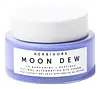
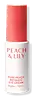
Herbivore Moon Dew 1% Bakuchiol + Peptides Retinol Alternative Eye Cream Versus Peach & Lily Pure Peach Retinoic Eye Cream
This anti-aging eye moisturizer is formulated around Bakuchiol and Chenopodium Quinoa Seed Extract to soften the look of wrinkles and hydrate skin.
This anti-aging eye moisturizer is formulated around Niacinamide and Bakuchiol to soften the look of wrinkles.


What's inside
What's inside
 Key Ingredients
Benefits
Concerns
Ingredients Side-by-side
Water
Skin ConditioningCaprylic/Capric Triglyceride
Masking


Octyldodecanol
Emollient
Glycerin
Humectant
Cetearyl Alcohol
Emollient




Squalane
Emollient
Butyrospermum Parkii Butter
Skin Conditioning
Glyceryl Stearate
Emollient
Vaccinium Myrtillus Seed Oil
Skin Conditioning
Cetearyl Olivate
Melia Azadirachta Flower Extract
Skin ConditioningGlyceryl Caprylate
EmollientSorbitan Olivate
Emulsifying
Bakuchiol
Antimicrobial







Pullulan
Aloe Barbadensis Flower Extract
EmollientChenopodium Quinoa Seed Extract
Skin Conditioning
Coccinia Indica Fruit Extract
Skin Conditioning
Corallina Officinalis Extract
Skin Conditioning
Melia Azadirachta Leaf Extract
Skin ConditioningRosa Damascena Extract
MaskingTremella Fuciformis Sporocarp Extract
Antioxidant
Vaccinium Angustifolium Fruit Extract
Skin Protecting
Vanilla Planifolia Fruit Extract
Skin Conditioning
Citrus Aurantium Amara Leaf/Twig Extract
Skin ConditioningCitrus Aurantium Dulcis Peel Extract
Emulsion Stabilising
Musa Sapientum Fruit Extract
Skin ConditioningPyrus Malus Fruit Extract
Skin Conditioning
Rubus Idaeus Fruit Extract
AstringentLavandula Angustifolia Flower/Leaf/Stem Extract
Masking
Gleditsia Triacanthos Seed Extract
Ocimum Basilicum Flower/Leaf Extract
TonicCurcuma Longa Root Extract
Antioxidant
Ocimum Sanctum Leaf Extract
Skin ConditioningSolanum Melongena Fruit Extract
Skin ConditioningDecyl Glucoside
Cleansing
Lauryl Glucoside
CleansingSodium Stearoyl Glutamate
CleansingCetyl Hydroxyethylcellulose
Emulsion StabilisingCitric Acid
Buffering
Caprylhydroxamic Acid
ChelatingAlcohol
Antimicrobial

Hydrated Silica
Abrasive
Sodium Nitrate
SoothingDisodium Phosphate
BufferingSilica Dimethyl Silylate
EmollientSodium Phosphate
BufferingCaprylyl Glycol
Emollient
Sodium Benzoate
Masking
Water, Caprylic/Capric Triglyceride, Octyldodecanol, Glycerin, Cetearyl Alcohol, Squalane, Butyrospermum Parkii Butter, Glyceryl Stearate, Vaccinium Myrtillus Seed Oil, Cetearyl Olivate, Melia Azadirachta Flower Extract, Glyceryl Caprylate, Sorbitan Olivate, Bakuchiol, Pullulan, Aloe Barbadensis Flower Extract, Chenopodium Quinoa Seed Extract, Coccinia Indica Fruit Extract, Corallina Officinalis Extract, Melia Azadirachta Leaf Extract, Rosa Damascena Extract, Tremella Fuciformis Sporocarp Extract, Vaccinium Angustifolium Fruit Extract, Vanilla Planifolia Fruit Extract, Citrus Aurantium Amara Leaf/Twig Extract, Citrus Aurantium Dulcis Peel Extract, Musa Sapientum Fruit Extract, Pyrus Malus Fruit Extract, Rubus Idaeus Fruit Extract, Lavandula Angustifolia Flower/Leaf/Stem Extract, Gleditsia Triacanthos Seed Extract, Ocimum Basilicum Flower/Leaf Extract, Curcuma Longa Root Extract, Ocimum Sanctum Leaf Extract, Solanum Melongena Fruit Extract, Decyl Glucoside, Lauryl Glucoside, Sodium Stearoyl Glutamate, Cetyl Hydroxyethylcellulose, Citric Acid, Caprylhydroxamic Acid, Alcohol, Hydrated Silica, Sodium Nitrate, Disodium Phosphate, Silica Dimethyl Silylate, Sodium Phosphate, Caprylyl Glycol, Sodium Benzoate
Water
Skin ConditioningCetyl Ethylhexanoate
EmollientPropanediol
Solvent
Butylene Glycol
Humectant
1,2-Hexanediol
Skin Conditioning
Glycerin
Humectant
Niacinamide
Smoothing


Cetearyl Alcohol
Emollient
Sodium Hyaluronate
Humectant
Sodium Acetylated Hyaluronate
Humectant
Hydrolyzed Hyaluronic Acid
Humectant
Bambusa Textilis Stem Extract
Skin ConditioningArctium Lappa Root Extract
Skin Conditioning
Morus Alba Leaf Extract
Skin ConditioningPrunus Persica Fruit Extract
Abrasive
Bakuchiol
Antimicrobial
Rosa Rubiginosa Seed Oil
Emollient
Daucus Carota Sativa Root Water
MaskingBrassica Oleracea Italica Extract
AstringentPanax Ginseng Root Extract
Emollient
Spinacia Oleracea Leaf Extract
Skin ConditioningAloe Barbadensis Leaf Extract
Emollient
Acetyl Octapeptide-3
Humectant
Camellia Sinensis Leaf Extract
Antimicrobial
Cucumis Sativus Extract
Skin Conditioning
Apium Graveolens Extract
Skin ConditioningMelia Azadirachta Leaf Extract
Skin ConditioningCaprylyl Glycol
Emollient
Sorbitan Olivate
Emulsifying
Lactuca Scariola Sativa Leaf Extract
Skin ConditioningCeramide NP
Skin Conditioning
Coccinia Indica Fruit Extract
Skin Conditioning
Melia Azadirachta Flower Extract
Skin ConditioningTocopheryl Acetate
Antioxidant
Ferulic Acid
Antimicrobial
Tocopherol
Antioxidant
Panthenol
Skin Conditioning
Caprylic/Capric Triglyceride
Masking
Mangifera Indica Seed Butter
Skin Conditioning
Adenosine
Skin Conditioning
Cetearyl Olivate
Hydrogenated Rapeseed Alcohol
Emollient
Betaine
Humectant
Acrylates/C10-30 Alkyl Acrylate Crosspolymer
Emulsion StabilisingTromethamine
BufferingEthylhexylglycerin
Skin ConditioningPolyglyceryl-4 Oleate
Emulsifying
Glyceryl Olivate
Emollient
Glyceryl Stearate
Emollient
Propylene Glycol
Humectant
Asparagus Officinalis Extract
Skin ConditioningHydrogenated Lecithin
Emulsifying
Phosphoric Acid
BufferingCorallina Officinalis Extract
Skin Conditioning
Water, Cetyl Ethylhexanoate, Propanediol, Butylene Glycol, 1,2-Hexanediol, Glycerin, Niacinamide, Cetearyl Alcohol, Sodium Hyaluronate, Sodium Acetylated Hyaluronate, Hydrolyzed Hyaluronic Acid, Bambusa Textilis Stem Extract, Arctium Lappa Root Extract, Morus Alba Leaf Extract, Prunus Persica Fruit Extract, Bakuchiol, Rosa Rubiginosa Seed Oil, Daucus Carota Sativa Root Water, Brassica Oleracea Italica Extract, Panax Ginseng Root Extract, Spinacia Oleracea Leaf Extract, Aloe Barbadensis Leaf Extract, Acetyl Octapeptide-3, Camellia Sinensis Leaf Extract, Cucumis Sativus Extract, Apium Graveolens Extract, Melia Azadirachta Leaf Extract, Caprylyl Glycol, Sorbitan Olivate, Lactuca Scariola Sativa Leaf Extract, Ceramide NP, Coccinia Indica Fruit Extract, Melia Azadirachta Flower Extract, Tocopheryl Acetate, Ferulic Acid, Tocopherol, Panthenol, Caprylic/Capric Triglyceride, Mangifera Indica Seed Butter, Adenosine, Cetearyl Olivate, Hydrogenated Rapeseed Alcohol, Betaine, Acrylates/C10-30 Alkyl Acrylate Crosspolymer, Tromethamine, Ethylhexylglycerin, Polyglyceryl-4 Oleate, Glyceryl Olivate, Glyceryl Stearate, Propylene Glycol, Asparagus Officinalis Extract, Hydrogenated Lecithin, Phosphoric Acid, Corallina Officinalis Extract
Reviews
Ingredients Explained
These ingredients are found in both products.
Ingredients higher up in an ingredient list are typically present in a larger amount.
Bakuchiol is a plant-derived antioxidant from the seeds of the Psoralea corylifolia plant. It has antimicrobial, emollient, skin conditioning, and antioxidant properties.
You'll likely see it called a "retinol replacement" but the two are technically not related. This is because bakuchiol is able to flip many of the same switches in your skin cells to tell them to:
1) produce more collagen (type I, III, and IV)
2) activate the same genes retinoids do
Unlike retinoids, this ingredient will not increase photosensitivity and is safe to use during pregnancy (but please still check in with your doctor!).
The flagship clinical trial from Dhaliwal et al. 2019 found 0.5% bakuchiol (twice daily) and 0.5% retinol (once daily) reduced wrinkles and hyperpigmentation equally, but bakuchiol had significantly less irritation.
Systematic reviews also back this up:
Bakuchiol is comparable to retinol for photoaging but with better tolerability. It also has mild antibacterial properties against Cutibacterium acnes and antifungal activity in vitro against Candida and dermatophytes.
The reason bakuchiol works well is due to its structure; it is a meroterpene phenol, or a hybrid molecule. The phenol half acts as an antioxidant while the terpene half is fat-loving. This helps the molecule slip through the skin barrier.
This ingredient is usually used between 0.5-2%. Only one case of contact dermatitis has ever been reported for this ingredient.
Learn more about BakuchiolCaprylic/Capric Triglyceride (aka MCT Oil) is a lightweight emollient, solvent, and texture enhancer. It is considered a skin-softener by helping to prevent moisture loss.
Though it behaves like an oil, it is not technically one due to its chemical composition. One perk of this ingredient is that it is very stable, resistant to oxidation, and unlikely to go rancid.
In practice, that translates to a long shelf life and a consistently elegant skin feel.
While there is an assumption Caprylic Triglyceride can clog pores due to it being derived from coconut oil, there is no research supporting this. Just patch test if you have concerns.
Fractionated coconut oil and MCT Oil are both listed as Caprylic/Capric Triglyceride according to INCI. This is because INCI names are based on the ingredient’s final chemical composition and not its marketing name or source.
This ingredient is treated as the gold standard fungal acne safe oil. Even though it is coconut derived, the problematic lauric acid is stripped out.
This leaves just caprylic (C8) and capric (C10) acid. These chain lengths actually trend antifungal; a 2020 study found caprylic acid was enough to disrupt Malassezia furfur cell membrane, with a caprylic acid derivative damaging membrane structures at concentrations as low as 0.2%.
Learn more about Caprylic/Capric TriglycerideCaprylyl Glycol is a humectant, skin conditioner, emollient, and preservative booster derived from either caprylic acid or synthetically created.
Typical use levels vary from 0.3-1% as a preservative booster and go up to 2% to condition skin.
Because it is not a free-fatty acid, this ingredient is fungal acne safe (there's nothing for Malassezia to feed on).
Learn more about Caprylyl GlycolCetearyl alcohol is a waxy mixture of two fatty alcohols: cetyl alcohol and stearyl alcohol. It is an emollient and emulsifier.
Despite having "alcohol" in its name, it has nothing to do with drying solvent alcohols; the FDA also allows "alcohol-free" products to contain fatty alcohols like this ingredient.
It plays several roles in a formula:
Typical use levels for this ingredient sit around 1-10% and the Cosmetic Ingredient Review Expert Panel has affirmed safety at concentrations up to 25% in leave-on products.
Multiple assessments have found it to be non-irritating and non-sensitizing to most people.
However, there have been some cases of allergic contact dermatitis in patients with chronically compromised skin barriers.
Cetearyl alcohol has a comedogenic rating of 2 and irritancy rating of 1. Both of these numbers come from the 1989 study that used rabbit ears; a "2" means mildly comedogenic and a "1" means low irritancy.
Here's the catch: rabbit skin is more sensitive than human skin and throws a lot of false positives. A 1996 reappraisal found that ingredients rated 1-2 in the rabbit ear tests are generally safe for humans.
Remember comedogenic ratings are unable to assess the entire formula of a product or how it will react on your skin. Just be sure to patch test if you are unsure about certain ingredients.
This ingredient is not fungal acne safe. Cetearyl alcohol is a fatty alcohol with chain lengths that fall within the range that Malassezia can metabolize.
A 2019 study has also observed Malassezia growth in the presence of this ingredient, confirming it to be not-fungal acne safe.
Learn more about Cetearyl AlcoholCetearyl Olivate is a plant-derived emulsifier and texture enhancer. It helps keep the oil and water phases from separating so your formulas stay stable.
You'll likely see it combined with Sorbitan Olivate (together sold as the trade name Olivem 1000). This combination generates a liquid crystal structure that closely resemble the lipid organization of the stratum corneum.
These "skin-like" liquid crystals improve skin barrier integrity and promote the delivery of actives into the skin.
This ingredient is well-tolerated and has no significant sensitization data.
Because it is derived from the fatty acids in olive oil, this ingredient may not be fungal acne safe.
Learn more about Cetearyl OlivateCoccinia Indica Fruit Extract is also known as Ivy Gourd Fruit Extract. It has skin conditioning properties.
The fruit is rich in flavonoids, phenolic acids, terpenoids, and sterols that show antioxidant and anti-inflammatory effect in vitro. This is because the fruit contains a thick mucilage that forms a protective and soothing layer on the skin's surface.
The extract itself has demonstrated antioxidant, soothing, and potential anti-allergy properties.
Most of this research is done in vitro and dedicated clinical studies on topical application are still limited.
Learn more about Coccinia Indica Fruit ExtractCorallina Officinalis Extract comes from the small red seaweed that grows on rocky coastlines that feels stiff to the touch because it builds calcium carbonate right into its cell walls.
That mineral content is basically its whole selling point: the extract brings calcium, magnesium, and trace minerals along with sugars (polysaccharides) and proteins. This is why formulators use it as a skin-conditioning and hydrating ingredient.
Lab testing does back up decent antioxidant activity for this species. A study comparing twelve red seaweeds found Corallina Officinalis stood out for its free-radical scavenging capacity. And a separate study found meaningful radical scavenging plus antibacterial activity from the raw biomass.
It's worth being clear that most of this is test-tube work on raw-algae and not a clinical trial on a finished cream.
On concentration, a 2020 industry survey found it's used at up to 2% in makeup and skincare. Safety-wise, it's as boring as it gets: the Cosmetic Ingredient Review Expert Panel concluded this ingredient (along with the powder, Thallus Extract, and Hydrolyzed versions) to be safe as used in cosmetics and cited negative sensitization data.
There's no meaningful record of it causing allergic contact dermatitis, but be sure to patch test if you are unsure.
You'll see algae/seaweed listed as a 5/5 on a lot of pore-clogging charts and that number doesn't come from anywhere; it's not in the original rabbit-ear studies that most comedogenic ratings trace back to.
The reasoning behind the reputation is that seaweed is high in iodine and iodine can trigger acne-like breakouts when eaten. This traces back to a 1976 letter in Archives of Dermatology describing two women whose breakouts cleared after they stopped taking high-dose kelp supplements orally.
And the reaction of these two women wasn't clogged pores at all: it was an iodine-triggered pustular rash. Later research found normal dietary iodine doesn't meaningfully affect acne either and nobody has shown topical seaweed delivers enough iodine to matter.
What we do have is dozens of brown and red algae ingredients found to be non-irritating and non-sensitizing, and a handful of studies that found algae compounds may actually help acne.
However, plenty of people do report breaking out from algae-containing products. Skin is individual and it's worth avoiding if yours has reacted to algae before.
Learn more about Corallina Officinalis ExtractGlycerin (or glycerol) is a compound naturally found in your skin. It's a powerhouse humectant that pulls water into the stratum corneum.
Topically, glycerin does several things at once:
Your skin makes glycerin on its own (mostly from sebaceous oil breakdown) and shuttles it to your outermost layer of skin, or your epidermis, via aquaporin-3.
Aquaporin-3 is a transporter that is essential for normal skin hydration, elasticity, and repair. Interestingly, mice lacking in AQP3 have dry and less elastic skin that can be fully corrected with glycerin.
This ingredient is non-irritating, plays well with almost every ingredient, and works across all skin types. Typical use is anywhere between 3-10% but can go up to 79% in some leave-on products.
Just know very high concentrations (>40%) can feel tacky in low humidity.
Glycerin is the name for this ingredient in American English. British English uses Glycerol/Glycerine.
Learn more about GlycerinGlyceryl Stearate is made by reacting glycerin with stearic acid (typically sourced from plant oils like palm or coconut). It's an emulsifier, emollient, and mild occlusive.
Emulsifiers help ingredients like oil and water stay mixed so your formula stays nicely blended and uniform in texture.
This ingredient is typically used in concentrations between 1-10%. Studies have found it to be non-sensitizing, non-phototoxic, and non-photoallergenic.
A close cousin of this ingredient is Glyceryl Stearate SE ("self-emulsifying"). This just has a small amount of sodium or potassium stearate added so it can emulsify without a co-emulsifier.
Since this ingredient is an ester of a C18 fatty acid, it may not be fungal acne safe. The Malassezia yeast can potentially metabolize within the C11-C24 range.
Fun fact: The human body also creates Glyceryl Stearate naturally.
Learn more about Glyceryl StearateMelia Azadirachta Flower Extract is from the Neem tree. Neem trees originate from India.
Melia Azadirachta Flower Extract contains antioxidants. Antioxidants help fight free-radicals. Free-radicals are molecules that may damage your skin cells, such as pollution.
The flowers of this tree are lilac colored.
Learn more about Melia Azadirachta Flower ExtractThis ingredient is also known as neem leaf extract. It contains natural compounds like nimbidin, quercetin, and other polyphenols that give it antibacterial, antifungal, and anti-inflammatory activity.
Lab studies have shown neem leaf extract can inhibit acne-related bacteria and help calm skin. Animal studies on wound gels using 1-3% neem leaf extract found it sped up healing without causing irritation.
A wound-healing study testing gels with the extract at 1%, 2%, and 3% concentrations and found none of them irritated the skin.
Most commercial products also use it in a similar low range (typically under 5%).
Allergy-wise, there are some case reports on neem oil causing allergic contact dermatitis so people with plant/botanical sensitivities may want to patch test first.
Learn more about Melia Azadirachta Leaf ExtractSorbitan Olivate is created from the fatty acids in olive oil and sorbitol.
This ingredient is an oil in water emulsifier. It helps stabilize a product by preventing oils and waters from separating. Sorbitan Olivate also helps hydrate the skin.
This ingredient is also known as part of Olivem 1000, with Cetearyl Olivate being the other part.
According to a manufacturer, this ingredient helps preserve the natural microbiome of skin. Having a healthy microbiome helps keep our skin healthy and protects against harmful bacteria.
Please note, having a healthy microbiome is different from fungal acne; a healthy microbiome includes small amounts of yeast that normally live on your skin without causing problems.
Fungal acne happens when one type of yeast (Malassezia) grows out of control. This is usually because it's feeding on certain oils or fatty acids. Due to the olive oil base, this ingredient may not be fungal acne safe.
Learn more about Sorbitan OlivateWater. It's the most common cosmetic ingredient of all. You'll usually see it at the top of ingredient lists, meaning that it makes up the largest part of the product.
So why is it so popular? Water most often acts as a solvent - this means that it helps dissolve other ingredients into the formulation.
You'll also recognize water as that liquid we all need to stay alive. If you see this, drink a glass of water. Remember to stay hydrated!
Learn more about Water

