

What's inside
What's inside
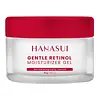 Key Ingredients
Benefits
Concerns
Ingredients Side-by-side
Water
Skin ConditioningNiacinamide
Smoothing











Trehalose
Humectant
Butylene Glycol
Humectant
Hydroxyethyl Urea
Humectant
Propanediol
Solvent
Glycerin
Humectant
Phenoxyethanol
Preservative
Sodium Acrylate/Sodium Acryloyldimethyl Taurate Copolymer
Emulsion StabilisingDimethicone
Emollient
Vaccinium Macrocarpon Fruit Extract
AstringentPanthenol
Skin Conditioning
Acrylates/C10-30 Alkyl Acrylate Crosspolymer
Emulsion StabilisingTocopheryl Acetate
Antioxidant

Allantoin
Skin Conditioning
C15-19 Alkane
SolventIsohexadecane
EmollientHydrogenated Lecithin
Emulsifying
Aminomethyl Propanol
BufferingDisodium EDTA
Phytosteryl/Octyldodecyl Lauroyl Glutamate
Skin ConditioningSqualane
Emollient
Triethylene Glycol
Masking
Polysorbate 80
Emulsifying
Caprylic/Capric Triglyceride
Masking
Hydrolyzed Jojoba Esters
Skin Conditioning
Retinol
Skin Conditioning

C10-16 Alkyl Glucoside
EmulsifyingButyrospermum Parkii Butter
Skin Conditioning

Polysorbate 20
Emulsifying
Sorbitan Oleate
Emulsifying
1,2-Hexanediol
Skin Conditioning
Sucrose Stearate
EmollientHydroxypinacolone Retinoate
Skin Conditioning
Ceramide NP
Skin Conditioning
Tetrahydropiperine
Skin ConditioningBHA
Antioxidant
BHT
Antioxidant
Sodium Benzoate
Masking
Arachis Hypogaea Oil
Skin Conditioning
Ascorbic Acid
Antioxidant
Biotin
AntiseborrhoeicFolic Acid
Skin ConditioningPyridoxine Hcl
Skin ConditioningRetinyl Palmitate
Skin Conditioning
Tocopherol
Antioxidant
Bisabolol
Antioxidant
Ceramide AP
Skin Conditioning
Ceramide As
Skin Conditioning
Ceramide Ng
Skin Conditioning
Dimethylmethoxy Chromanol
Antioxidant
Glycosphingolipids
EmollientWater, Niacinamide, Trehalose, Butylene Glycol, Hydroxyethyl Urea, Propanediol, Glycerin, Phenoxyethanol, Sodium Acrylate/Sodium Acryloyldimethyl Taurate Copolymer, Dimethicone, Vaccinium Macrocarpon Fruit Extract, Panthenol, Acrylates/C10-30 Alkyl Acrylate Crosspolymer, Tocopheryl Acetate, Allantoin, C15-19 Alkane, Isohexadecane, Hydrogenated Lecithin, Aminomethyl Propanol, Disodium EDTA, Phytosteryl/Octyldodecyl Lauroyl Glutamate, Squalane, Triethylene Glycol, Polysorbate 80, Caprylic/Capric Triglyceride, Hydrolyzed Jojoba Esters, Retinol, C10-16 Alkyl Glucoside, Butyrospermum Parkii Butter, Polysorbate 20, Sorbitan Oleate, 1,2-Hexanediol, Sucrose Stearate, Hydroxypinacolone Retinoate, Ceramide NP, Tetrahydropiperine, BHA, BHT, Sodium Benzoate, Arachis Hypogaea Oil, Ascorbic Acid, Biotin, Folic Acid, Pyridoxine Hcl, Retinyl Palmitate, Tocopherol, Bisabolol, Ceramide AP, Ceramide As, Ceramide Ng, Dimethylmethoxy Chromanol, Glycosphingolipids
Aloe Barbadensis Leaf Water
MaskingWater
Skin ConditioningGlycerin
Humectant
Butylene Glycol
Humectant
Dimethicone
Emollient
Glycosyl Trehalose
Emulsion StabilisingHydrogenated Starch Hydrolysate
HumectantCyclopentasiloxane
Emollient
Hydroxyacetophenone
Antioxidant
Allantoin
Skin Conditioning
Cetearyl Alcohol
Emollient
PEG/PPG-17/6 Copolymer
SolventAcrylates/C10-30 Alkyl Acrylate Crosspolymer
Emulsion StabilisingCetearyl Glucoside
Emulsifying
Arginine
Masking
Methylpropanediol
SolventAmmonium Acryloyldimethyltaurate/Vp Copolymer
Sorbitan Olivate
Emulsifying
1,2-Hexanediol
Skin Conditioning
Glyceryl Glucoside
Humectant
Squalane
Emollient
Dimethicone Crosspolymer
Emulsion Stabilising
Sodium Hyaluronate
Humectant
Polysorbate 80
Emulsifying
Camellia Sinensis Extract
Antioxidant
Sorbitan Oleate
Emulsifying
Stephania Tetrandra Root Extract
Skin ConditioningPropylene Glycol
Humectant
Caprylic/Capric Triglyceride
Masking
Beta-Glucan
Skin Conditioning
Hydrogenated Lecithin
Emulsifying
Ergothioneine
Antioxidant
Phospholipids
Skin Conditioning
Potassium Sorbate
Preservative
Sodium Benzoate
Masking
Hexylene Glycol
EmulsifyingStearic Acid
Cleansing
Cholesterol
Emollient
Ceramide NP
Skin Conditioning
Retinol
Skin Conditioning
Retinal
Skin Conditioning
Ceramide EOP
Skin Conditioning
Ceramide As
Skin Conditioning
Ceramide Ng
Skin Conditioning
Ceramide AP
Skin Conditioning
Ubiquinone
Antioxidant
Mannitol
Humectant
Pentylene Glycol
Skin Conditioning
Hydrolyzed Collagen
Emollient
Solanum Lycopersicum Calyx Extract
Skin ConditioningNasturtium Officinale Extract
Perfuming
Hydrolyzed Rice Bran Extract
Skin ConditioningPalmitoyl Grape Seed Extract
Skin ConditioningHydroxypinacolone Retinoate
Skin Conditioning
Oligopeptide-1
Skin Conditioning
Hexapeptide-9
Skin Conditioning
EDTA
Aloe Barbadensis Leaf Water, Water, Glycerin, Butylene Glycol, Dimethicone, Glycosyl Trehalose, Hydrogenated Starch Hydrolysate, Cyclopentasiloxane, Hydroxyacetophenone, Allantoin, Cetearyl Alcohol, PEG/PPG-17/6 Copolymer, Acrylates/C10-30 Alkyl Acrylate Crosspolymer, Cetearyl Glucoside, Arginine, Methylpropanediol, Ammonium Acryloyldimethyltaurate/Vp Copolymer, Sorbitan Olivate, 1,2-Hexanediol, Glyceryl Glucoside, Squalane, Dimethicone Crosspolymer, Sodium Hyaluronate, Polysorbate 80, Camellia Sinensis Extract, Sorbitan Oleate, Stephania Tetrandra Root Extract, Propylene Glycol, Caprylic/Capric Triglyceride, Beta-Glucan, Hydrogenated Lecithin, Ergothioneine, Phospholipids, Potassium Sorbate, Sodium Benzoate, Hexylene Glycol, Stearic Acid, Cholesterol, Ceramide NP, Retinol, Retinal, Ceramide EOP, Ceramide As, Ceramide Ng, Ceramide AP, Ubiquinone, Mannitol, Pentylene Glycol, Hydrolyzed Collagen, Solanum Lycopersicum Calyx Extract, Nasturtium Officinale Extract, Hydrolyzed Rice Bran Extract, Palmitoyl Grape Seed Extract, Hydroxypinacolone Retinoate, Oligopeptide-1, Hexapeptide-9, EDTA
Reviews
Ingredients Explained
These ingredients are found in both products.
Ingredients higher up in an ingredient list are typically present in a larger amount.
1,2-Hexanediol is a synthetic liquid and another multi-functional powerhouse.
It is a:
- Humectant, drawing moisture into the skin
- Emollient, helping to soften skin
- Solvent, dispersing and stabilizing formulas
- Preservative booster, enhancing the antimicrobial activity of other preservatives
Acrylates/C10-30 Alkyl Acrylate Crosspolymer is a synthetic polymer. It is used to thicken, emulsify, and improve the texture of products.
As an emulsifier, it helps stabilize oil-in-water emulsions to give products an elegant feel when applied.
It can also form a thin protective film on skin. One study found that a formula using this polymer helped slow down how quickly other ingredients (like DEET) were absorbed through skin.
A 2024 study of over 1,300 patients confirmed that sensitization to this ingredient is rare. It is also non-mutagenic and has a clean track record.
Learn more about Acrylates/C10-30 Alkyl Acrylate CrosspolymerAllantoin is a soothing ingredient known for its protective and moisturizing properties; it's basically a quiet workhorse ingredient you can find in a huge range of cosmetics.
Though it can be derived from the comfrey plant, allantoin is produced synthetically for cosmetic products to ensure purity.
Research shows it can encourage your skin cells to turn over and renew by stimulating keratinocyte and fibroblast proliferation.
It also has mild keratolytic properties to help loosen and shed dead skin cells without being harsh.
Studies also suggest allantoin can help calm inflammation by dialing down some of the chemical signals your skin sends out when it is irritated.
This ingredient is typically used in the 0.1-0.5% range, and the FDA recognizes it as a skin protectant in OTC products up to 2%.
Overall, allantoin is a wonderful addition to most routines; it is stable across a wide pH range (~4-8), works well with other ingredients, and is considered non-sensitizing/non-irritating.
Fun fact: Allantoin is naturally occurring in comfrey root, beets, chamomile, and wheat sprouts. Our bodies even produce it as a byproduct of uric acid metabolism.
Learn more about AllantoinButylene Glycol (or BG) is used within cosmetic products for a few different reasons:
Overall, Butylene Glycol is a safe and well-rounded ingredient that works well with other ingredients.
Though this ingredient works well with most skin types, some people with sensitive skin may experience a reaction such as allergic rashes, closed comedones, or itchiness.
Learn more about Butylene GlycolCaprylic/Capric Triglyceride (aka MCT Oil) is a lightweight emollient, solvent, and texture enhancer. It is considered a skin-softener by helping to prevent moisture loss.
Though it behaves like an oil, it is not technically one due to its chemical composition. One perk of this ingredient is that it is very stable, resistant to oxidation, and unlikely to go rancid.
In practice, that translates to a long shelf life and a consistently elegant skin feel.
While there is an assumption Caprylic Triglyceride can clog pores due to it being derived from coconut oil, there is no research supporting this. Just patch test if you have concerns.
Fractionated coconut oil and MCT Oil are both listed as Caprylic/Capric Triglyceride according to INCI. This is because INCI names are based on the ingredient’s final chemical composition and not its marketing name or source.
This ingredient is treated as the gold standard fungal acne safe oil. Even though it is coconut derived, the problematic lauric acid is stripped out.
This leaves just caprylic (C8) and capric (C10) acid. These chain lengths actually trend antifungal; a 2020 study found caprylic acid was enough to disrupt Malassezia furfur cell membrane, with a caprylic acid derivative damaging membrane structures at concentrations as low as 0.2%.
Learn more about Caprylic/Capric TriglycerideCeramide AP is is a skin-identical lipid that mimics what your skin already makes naturally. Ceramides help maintain epidermal integrity and barrier function.
You'll often see this ingredient paired with other ceramides (like ceramide NP), cholesterol, or fatty acids because this combination best mimics the natural lipid mix your skin already has.
The skin's ability to produce ceramides gets disrupted in skin conditions like eczema. This in turn weakens the skin barrier and applying ceramides topically has been shown to replenish what's been lost to restore barrier function.
Most of the studies with Ceramide AP test it as part of a multi-ceramide complex; studies reinforce ceramide AP's role in rebalancing ceramides in skin and improving skin hydration.
Learn more about Ceramide APCeramide AS is formally known as Ceramides 4 and 5.
Ceramides are intercellular lipids naturally found in our skin that bonds dead skin cells together to create a barrier. They are known for their ability to hold water and thus are a great ingredient for dry skin.
Ceramide NG is a type of Ceramide. The NG stands for a sphinganine base.
Ceramides are intercellular lipids naturally found in our skin that bonds dead skin cells together to create a barrier. They are known for their ability to hold water and thus are a great ingredient for dry skin.
Ceramides are an important building block for our skin barrier. A stronger barrier helps the skin look more firm and hydrated. By bolstering the skin ceramides act as a barrier against irritating ingredients. This can help with inflammation as well.
If you would like to eat ceramides, sweet potatoes contain a small amount.
Read more about other common types of ceramides here:
Ceramide AP
Ceramide EOP
Ceramide NP
Ceramide NP (formerly known as Ceramide 3) is one of the skin's naturally occurring lipids.
Since ceramides are the major lipid components of the skin, they are crucial for maintaining skin barrier and hydration. Ceramide NP most closely mirrors the dominant kind in human skin amongst ceramide subtypes.
This ceramide works by slotting into gaps within the stratum corneum's lipid matrix to limit trans-epidermal water loss (TEWL) and shield the skin against external irritants.
A study with 312 patients found that using a ceramide-containing routine for 4 weeks reduced the severity of atopic dermatitis by over 61%.
Another clinical study in subjects aged 60 and older found that a ceramide body wash and moisturizer improved skin dryness and itchy skin in 15 days.
Overall, ceramides are considered non-irritating and safety tests have found little to no observable adverse effects from using this ingredient.
Ceramide NP is usually sourced from plants (like soybean or rice bran), or produced synthetically.
Learn more about Ceramide NPDimethicone is a type of synthetic silicone created from natural materials such as quartz. It is also known as polydimethylsiloxane.
What it does:
Dimethicone comes in different viscosities:
Depending on the viscosity, dimethicone has different properties.
Ingredients lists don't always show which type is used, so we recommend reaching out to the brand if you have questions about the viscosity.
This ingredient is unlikely to cause irritation because it does not get absorbed into skin. However, people with silicone allergies should be careful about using this ingredient.
Note: Dimethicone may contribute to pilling. This is because it is not oil or water soluble, so pilling may occur when layered with products. When mixed with heavy oils in a formula, the outcome is also quite greasy.
Learn more about DimethiconeGlycerin (or glycerol) is a compound naturally found in your skin. It's a powerhouse humectant that pulls water into the stratum corneum.
Topically, glycerin does several things at once:
Your skin makes glycerin on its own (mostly from sebaceous oil breakdown) and shuttles it to your outermost layer of skin, or your epidermis, via aquaporin-3.
Aquaporin-3 is a transporter that is essential for normal skin hydration, elasticity, and repair. Interestingly, mice lacking in AQP3 have dry and less elastic skin that can be fully corrected with glycerin.
This ingredient is non-irritating, plays well with almost every ingredient, and works across all skin types. Typical use is anywhere between 3-10% but can go up to 79% in some leave-on products.
Just know very high concentrations (>40%) can feel tacky in low humidity.
Glycerin is the name for this ingredient in American English. British English uses Glycerol/Glycerine.
Learn more about GlycerinHydrogenated Lecithin is a more stable version of lecithin.
It's made by taking lecithin (a phospholipid commonly found in soybeans and egg yolks) and hydrogenating it. This just means the unsaturated fatty acids are turned into saturated ones so they don't go bad as easily.
This ingredient is an emollient, emulsifier, and penetration enhancer. As an emollient, it helps soften and hydrate skin by trapping moisture within. As an emulsifier, it prevents oil and water ingredients from separating.
Hydrogenated Lecithin can form tiny spherical structures made of phospholipid bilayers called liposomes. These liposomes are able to capture compounds inside their structure and deliver them through the skin barrier.
Because phospholipids are a natural component of our cell membranes, this ingredient is inherently compatible with skin.
A 2021 study found lecithin-based surfactants were less harsh and more tolerable comared to Sodium Lauryl Sulfate (SLS).
Learn more about Hydrogenated LecithinThis ingredient is a retinoid. It usually goes by a more common name: "Granactive".
Hydroxypinacolone Retinoate (HPR) belongs to the class of retinoids that also includes retinol and tretinoin.
Retinoids have been proven to:
So what is the difference between all the retinoids?
Most retinoids need to go through a conversion line to become effective on skin. The ending product is retinoic acid. Retinoic acid is AKA tretinoin.
HPR is an ester of tretinoin. Emerging studies suggest HPR to have an added benefit that other retinoids don't have: Low irritation.
A study from 2021 found HPR to have the greatest stability when exposed to light and temperature out of all the commercial retinoids.
A note about naming:
The name "Granactive" is the trade name and the name most commonly used on packages.
Granactive is the name of the mixture - about 90% solvent and 10% HPR. A product with 5% granactive has 0.5% HPR.
Learn more about Hydroxypinacolone RetinoatePolysorbate 80 is a synthetic surfactant and emulsifier derived from sorbitol and oleic acid.
It reduces the surface tension between oil and water phases to help them stay mixed and stable in a formulation. In other words, it prevents your formulas from separating into an oily mess.
The CIR Expert Panel has evaluated the scientific data and found this ingredient to be safe, non-irritating, and non-sensitizing at concentrations up to 5% (it's even approved by the FDA as an OTC eye drop ingredient).
Learn more about Polysorbate 80Retinol is a gold-standard ingredient for anti-aging. It is a form of Vitamin A and belongs to the class of retinoids that also includes tretinoin.
Why is retinol famous?
It has the most scientific studies backing up its skin benefits out of all the non-prescription ingredients.
Retinol is proven to:
This is why retinol is effective at removing wrinkles, fading dark spots, treating acne, and reducing the appearance of pores.
Studies show retinol is less effective when exposed to UV. Be sure to look for appropriate packaging to keep your retinol potent (similar to Vitamin C).
Using retinol or any retinoids will increase sun-sensitivity in the first few months. Though studies show retinoids increase your skin's natural SPF with continuous use, it is best to always wear sunscreen and sun-protection.
We recommend speaking with a medical professional about using this ingredient during pregnancy.
Retinol may cause irritation in some people, so be sure to patch test. Experts recommend 'ramping up' retinol use: start using this ingredient once a week and work up to using it daily.
Read about Tretinoin
Learn more about RetinolSodium Benzoate is a preservative. It's used in both cosmetic and food products to inhibit the growth of mold and bacteria. It is typically produced synthetically.
Both the US FDA and EU Health Committee have approved the use of sodium benzoate. In the US, levels of 0.1% (of the total product) are allowed.
Sodium benzoate works as a preservative by inhibiting the growth of bacteria inside of cells. It prevents the cell from fermenting a type of sugar using an enzyme called phosphofructokinase.
It is the salt of benzoic acid. Foods containing sodium benzoate include soda, salad dressings, condiments, fruit juices, wines, and snack foods.
Studies for using ascorbic acid and sodium benzoate in cosmetics are lacking, especially in skincare routines with multiple steps.
We always recommend speaking with a professional, such as a dermatologist, if you have any concerns.
Learn more about Sodium BenzoateSorbitan Oleate is a PEG-free emulsifier made by esterifying sorbitol with oleic acid.
You'll likely see it paired with Polysorbate 80 to create the right emulsification balance.
Typical use levels in formulas range from 2-10%.
The CIR Expert Panel has concluded this ingredient to be safe as a cosmetic ingredient.
Since this ingredient is an ester of oleic acid, it may not be fungal acne safe. Oleic acid is a fatty acid that falls into the C11-24 range that Malassezia can metabolize.
Learn more about Sorbitan OleateSqualane is the hydrogenated and shelf-stable form of squalene (a lipid that naturally occurs in human sebum).
It is an emollient and skin conditioning agent that is able to integrate seamlessly into the skin's lipid barrier without clogging pores.
This is due to how structurally similar it is to what your skin already produces.
Though it is mostly an emollient that helps soften and hydrate skin, it also has some humectant and occlusive action. Humectants help the skin retain moisture while occlusives seal it in, making squalane a triple-threat moisturizer.
Research shows it has antioxidant capabilities that help protect against stressors like UV exposure, specifically UVA induced oxidative stress. This study also found that it supports collagen biosynthesis in human dermal fibroblasts.
No clinical study has reported significant adverse effects and irritation reactions are very rare from this ingredient (even at 100% concentration).
Overall, it's a fantastic ingredient for hydration and is suitable for all skin types.
This depends on the source. Squalane can be derived from both plants and animals. Most squalane used in skincare comes from plants.
Please note: the source of squalane is only known if disclosed by the brand. We recommend reaching out to the brand if you have any questions about their squalane.
Read more about squalene with an "e".
Though squalane is often called an oil, it’s technically not one. It is a hydrocarbon, meaning it is only made of carbon and hydrogen. True oils are triglycerides and made of fatty acids and glycerol.
The term “oil-free” isn’t regulated so companies can define it however they want. Some exclude all oils, while others just avoid mineral oil or comedogenic oils.
Squalane has a comedogenic rating of 1 from the original 1972 study that tested raw ingredients under occlusion on rabbit ears. This system is not standardized or peer-reviewed, and using the raw ingredients is very different from how diluted cosmetic formulations are used on human skin.
A comedogenic rating of 1 means it is "unlikely to clog pores" according to the original rating system.
The overall formula of a product matters more than the individual ingredients on whether or not it will cause clogged pores.
Learn more about SqualaneWater. It's the most common cosmetic ingredient of all. You'll usually see it at the top of ingredient lists, meaning that it makes up the largest part of the product.
So why is it so popular? Water most often acts as a solvent - this means that it helps dissolve other ingredients into the formulation.
You'll also recognize water as that liquid we all need to stay alive. If you see this, drink a glass of water. Remember to stay hydrated!
Learn more about Water
