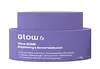
This barrier-repair moisturizer is formulated around Niacinamide and Panthenol to strengthen the skin barrier and brighten dull-looking skin.
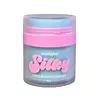
This barrier-repair moisturizer is formulated around Glycyrrhiza Glabra Root Extract and Glycolic Acid to strengthen the skin barrier and hydrate skin.

What's inside
What's inside
 Key Ingredients
Benefits
Concerns
Ingredients Side-by-side
Water
Skin ConditioningPEG/PPG-14/7 Dimethyl Ether
Skin ConditioningNiacinamide
Smoothing











Panthenol
Skin Conditioning
Glycerin
Humectant
Butylene Glycol
Humectant
Hydrogenated Polyisobutene
EmollientAspergillus/Saccharomyces/Rice Ferment Filtrate
Humectant

Propylene Glycol
Humectant
Arachidyl Alcohol
Emollient
Dimethicone
Emollient
Dipropylene Glycol
HumectantBehenyl Alcohol
Emollient
Phenoxyethanol
Preservative
Squalane
Emollient
Acrylates/C10-30 Alkyl Acrylate Crosspolymer
Emulsion StabilisingPolyacrylate Crosspolymer-6
Emulsion StabilisingArachidyl Glucoside
EmulsifyingMethylpropanediol
SolventMadecassoside
Antioxidant
Disodium EDTA
Dipotassium Glycyrrhizate
Humectant
Lauric Acid
Cleansing

Chlorphenesin
Antimicrobial
Aminomethyl Propanol
BufferingPolyglyceryl-10 Laurate
Skin Conditioning
1,2-Hexanediol
Skin Conditioning
Amylopectin
Pentylene Glycol
Skin Conditioning
Tocopherol
Antioxidant
Lecithin
Emollient
Lauryl Alcohol Diphosphonic Acid
Emulsion StabilisingCysteamine Hcl
Antioxidant
Ceramide NP
Skin Conditioning
Ceramide AP
Skin Conditioning
Ceramide EOP
Skin Conditioning
Ceramide As
Skin Conditioning
Ceramide Ns
Skin Conditioning
Cholesterol
Emollient
Lithothamnion Calcareum Extract
Skin ConditioningEthylhexylglycerin
Skin ConditioningLactic Acid
Buffering

Sodium Benzoate
Masking
Laminaria Digitata Extract
Skin Protecting
Potassium Sorbate
Preservative
Citric Acid
Buffering
Biosaccharide Gum-1
Humectant
Hydrogenated Lecithin
Emulsifying
Xanthan Gum
EmulsifyingCetyl-Pg Hydroxyethyl Palmitamide
Skin ConditioningWater, PEG/PPG-14/7 Dimethyl Ether, Niacinamide, Panthenol, Glycerin, Butylene Glycol, Hydrogenated Polyisobutene, Aspergillus/Saccharomyces/Rice Ferment Filtrate, Propylene Glycol, Arachidyl Alcohol, Dimethicone, Dipropylene Glycol, Behenyl Alcohol, Phenoxyethanol, Squalane, Acrylates/C10-30 Alkyl Acrylate Crosspolymer, Polyacrylate Crosspolymer-6, Arachidyl Glucoside, Methylpropanediol, Madecassoside, Disodium EDTA, Dipotassium Glycyrrhizate, Lauric Acid, Chlorphenesin, Aminomethyl Propanol, Polyglyceryl-10 Laurate, 1,2-Hexanediol, Amylopectin, Pentylene Glycol, Tocopherol, Lecithin, Lauryl Alcohol Diphosphonic Acid, Cysteamine Hcl, Ceramide NP, Ceramide AP, Ceramide EOP, Ceramide As, Ceramide Ns, Cholesterol, Lithothamnion Calcareum Extract, Ethylhexylglycerin, Lactic Acid, Sodium Benzoate, Laminaria Digitata Extract, Potassium Sorbate, Citric Acid, Biosaccharide Gum-1, Hydrogenated Lecithin, Xanthan Gum, Cetyl-Pg Hydroxyethyl Palmitamide
Water
Skin ConditioningIsododecane
EmollientGlycerin
Humectant
Cetyl Alcohol
Emollient
Glyceryl Stearate
Emollient
PEG-100 Stearate
Surfactant
Polyacrylamide
Glycyrrhiza Glabra Root Extract
Bleaching
C13-14 Isoparaffin
Emollient
Phenoxyethanol
Preservative
Glycolic Acid
Buffering
Allantoin
Skin Conditioning
BHT
Antioxidant
Chlorphenesin
Antimicrobial
Laureth-7
EmulsifyingCaprylic/Capric Triglyceride
Masking
1,2-Hexanediol
Skin Conditioning
Aloe Barbadensis Leaf Extract
Emollient
Cetyl-Pg Hydroxyethyl Palmitamide
Skin ConditioningCyclopentasiloxane
Emollient
Titanium Dioxide
Cosmetic Colorant

Alumina
Abrasive
PEG-10 Dimethicone
Skin Conditioning
Lauryl Polyglyceryl-3 Polydimethylsiloxyethyl Dimethicone
Skin Conditioning
Hydrogen Dimethicone
Ceramide NP
Skin Conditioning
Cholesterol
Emollient
Sodium Hyaluronate
Humectant
Hydrogenated Lecithin
Emulsifying
Butylene Glycol
Humectant
Hydroxypropyltrimonium Hyaluronate
Hydrolyzed Hyaluronic Acid
Humectant
Hyaluronic Acid
Humectant
Hydrolyzed Sodium Hyaluronate
Skin Conditioning
Sodium Hyaluronate Crosspolymer
Humectant
Pentylene Glycol
Skin Conditioning
Sodium Retinoyl Hyaluronate
Zinc Hydrolyzed Hyaluronate
HumectantSodium Acetylated Hyaluronate
Humectant
Propanediol
Solvent
Dimethylsilanol Hyaluronate
Humectant
Sodium Benzoate
Masking
Ascorbylpropyl Hydrolyzed Hyaluronate
HumectantAscorbyl Propyl Hyaluronate
Skin Conditioning
Water, Isododecane, Glycerin, Cetyl Alcohol, Glyceryl Stearate, PEG-100 Stearate, Polyacrylamide, Glycyrrhiza Glabra Root Extract, C13-14 Isoparaffin, Phenoxyethanol, Glycolic Acid, Allantoin, BHT, Chlorphenesin, Laureth-7, Caprylic/Capric Triglyceride, 1,2-Hexanediol, Aloe Barbadensis Leaf Extract, Cetyl-Pg Hydroxyethyl Palmitamide, Cyclopentasiloxane, Titanium Dioxide, Alumina, PEG-10 Dimethicone, Lauryl Polyglyceryl-3 Polydimethylsiloxyethyl Dimethicone, Hydrogen Dimethicone, Ceramide NP, Cholesterol, Sodium Hyaluronate, Hydrogenated Lecithin, Butylene Glycol, Hydroxypropyltrimonium Hyaluronate, Hydrolyzed Hyaluronic Acid, Hyaluronic Acid, Hydrolyzed Sodium Hyaluronate, Sodium Hyaluronate Crosspolymer, Pentylene Glycol, Sodium Retinoyl Hyaluronate, Zinc Hydrolyzed Hyaluronate, Sodium Acetylated Hyaluronate, Propanediol, Dimethylsilanol Hyaluronate, Sodium Benzoate, Ascorbylpropyl Hydrolyzed Hyaluronate, Ascorbyl Propyl Hyaluronate
Ingredients Explained
These ingredients are found in both products.
Ingredients higher up in an ingredient list are typically present in a larger amount.
1,2-Hexanediol is a synthetic liquid and another multi-functional powerhouse.
It is a:
- Humectant, drawing moisture into the skin
- Emollient, helping to soften skin
- Solvent, dispersing and stabilizing formulas
- Preservative booster, enhancing the antimicrobial activity of other preservatives
Butylene Glycol (or BG) is used within cosmetic products for a few different reasons:
Overall, Butylene Glycol is a safe and well-rounded ingredient that works well with other ingredients.
Though this ingredient works well with most skin types, some people with sensitive skin may experience a reaction such as allergic rashes, closed comedones, or itchiness.
Learn more about Butylene GlycolCeramide NP (formerly known as Ceramide 3) is one of the skin's naturally occurring lipids.
Since ceramides are the major lipid components of the skin, they are crucial for maintaining skin barrier and hydration. Ceramide NP most closely mirrors the dominant kind in human skin amongst ceramide subtypes.
This ceramide works by slotting into gaps within the stratum corneum's lipid matrix to limit trans-epidermal water loss (TEWL) and shield the skin against external irritants.
A study with 312 patients found that using a ceramide-containing routine for 4 weeks reduced the severity of atopic dermatitis by over 61%.
Another clinical study in subjects aged 60 and older found that a ceramide body wash and moisturizer improved skin dryness and itchy skin in 15 days.
Overall, ceramides are considered non-irritating and safety tests have found little to no observable adverse effects from using this ingredient.
Ceramide NP is usually sourced from plants (like soybean or rice bran), or produced synthetically.
Learn more about Ceramide NPThis ingredient is a synthetic mimic for ceramide NS and is often called a "pseudo-ceramide". It was developed by Kao Corporation in Japan (the same corporation that owns Biore and Curel).
Ceramides play a big role in your stratum corneum, or the outermost layer of skin. Your stratum corneum is structured like a brick wall where skin cells are bricks and ceramides are a big part of the mortar holding everything together.
Aging, harsh cleansers, environmental damage, or skin conditions can cause ceramide levels to drop. This leads to moisture loss, irritation, and dryness.
This is where this ingredient steps in: it's structurally designed with the same key features as natural ceramides. Because of this, it can slot into the lipid layers of your stratum corneum and behave just like real ceramides.
Research on patients with atopic dermatitis, seborrheic dermatitis, and sensitive skin has shown that topical application of this ingredient enhances stratum corneum function.
Another four-week randomized study on lip care found formulas containing 0.5% or 2% of this ingredient improved lip dryness and roughness.
A study on hairdressers with occupational hand dermatitis found that a barrier cream containing this ingredient reduced dryness, scaling, cracking, redness, and itching.
And a more recent study confirmed that this ingredient is absorbed into the stratum corneum and reduces transepidermal water loss (TEWL), just like a real ceramide.
This ingredient is more stable, free from contaminants, and significantly cheaper to produce. This makes it more practical for everyday skincare formulations.
Learn more about Cetyl-Pg Hydroxyethyl PalmitamideChlorphenesin is a synthetic preservative. It helps protect a product against bacteria in order to extend shelf life. In most cases, Chlorphenesin is paired with other preservatives such as phenoxyethanol and caprylyl glycol.
Chlorphenesin is a biocide. This means it is able to help fight the microorganisms on our skin. It is also able to fight odor-releasing bacteria.
Chlorphenesin is soluble in both water and glycerin.
Studies show Chlorphenesin is easily absorbed by our skin. You should speak with a skincare professional if you have concerns about using Chlorphenesin.
Learn more about ChlorphenesinCholesterol is a lipid that is naturally found in human skin and is one of the three key components of your skin barrier. In skincare, it is an emollient and barrier-repairing ingredient.
It works by fitting directly into the lipid layers of skin to help restore structure and reduce transepidermal water loss (TEWL).
This is a great ingredient for dry, compromised, or aging skin; our skin starts to produce less cholesterol with age.
Research shows cholesterol works best in combination with ceramides and fatty acids, the other two major components in your skin barrier.
Cholesterol is also a well-establish penetration enhancer and can help other actives absorb more effectively.
Cosmetic-grade cholesterol is usually derived from lanolin but plant and synthetic options also exist. We recommend reaching out to the brand if you have questions about their source of cholesterol.
Learn more about CholesterolGlycerin (or glycerol) is a compound naturally found in your skin. It's a powerhouse humectant that pulls water into the stratum corneum.
Topically, glycerin does several things at once:
Your skin makes glycerin on its own (mostly from sebaceous oil breakdown) and shuttles it to your outermost layer of skin, or your epidermis, via aquaporin-3.
Aquaporin-3 is a transporter that is essential for normal skin hydration, elasticity, and repair. Interestingly, mice lacking in AQP3 have dry and less elastic skin that can be fully corrected with glycerin.
This ingredient is non-irritating, plays well with almost every ingredient, and works across all skin types. Typical use is anywhere between 3-10% but can go up to 79% in some leave-on products.
Just know very high concentrations (>40%) can feel tacky in low humidity.
Glycerin is the name for this ingredient in American English. British English uses Glycerol/Glycerine.
Learn more about GlycerinHydrogenated Lecithin is a more stable version of lecithin.
It's made by taking lecithin (a phospholipid commonly found in soybeans and egg yolks) and hydrogenating it. This just means the unsaturated fatty acids are turned into saturated ones so they don't go bad as easily.
This ingredient is an emollient, emulsifier, and penetration enhancer. As an emollient, it helps soften and hydrate skin by trapping moisture within. As an emulsifier, it prevents oil and water ingredients from separating.
Hydrogenated Lecithin can form tiny spherical structures made of phospholipid bilayers called liposomes. These liposomes are able to capture compounds inside their structure and deliver them through the skin barrier.
Because phospholipids are a natural component of our cell membranes, this ingredient is inherently compatible with skin.
A 2021 study found lecithin-based surfactants were less harsh and more tolerable comared to Sodium Lauryl Sulfate (SLS).
Learn more about Hydrogenated LecithinPentylene Glycol (1,2-pentanediol) is a multitasking little diol with three main roles in a formula:
Research on alkanediols (the family pentylene glycol belongs to) show they work by disrupting microbial cell membranes. This disruption helps the primary preservative system in a product work more effectively at lower doses.
On the safety side, the Cosmetic Ingredient Review Expert Panel has concluded this ingredient to be safe as used in current cosmetic practices + concentrations.
Typical use levels in a formula run about 1-5%.
Learn more about Pentylene GlycolPhenoxyethanol is one of the most widely used preservatives in skincare (and for good reason!).
It has a large spectrum of antimicrobial activity and especially effective bacteria, yeast, and mold while only having a weak effect on your skin's natural microbiome.
On a cellular level, it disrupts the cell membranes of microbes by poking holes that make the cell leak. This shuts down the chemical reactions the microbe needs to make energy so it can no longer survive.
Another perk of this ingredient is that it stays functional across a wide pH range (3-10).
You'll often see it paired with boosters like Ethylhexylglycerin; one study showed that a 1:9 ratio of Ethylhexylglycerin to Phenoxyethanol damages bacterial membranes as effectively as doubling the Phenoxyethanol concentration on its own.
Typical use concentrations range from 0.3-1% depending on the formula, and this ingredient is capped at 1% int the EU.
Safety-wise, the fear mongering does not hold up to the evidence. The EU's Scientific Committee on Consumer Safety and FDA consider it safe as a preservative at up to 1%, including for children of all ages.
Adverse systemic effects only showed up in animal studies at exposures roughly 200x higher than what people get from cosmetics. And despite its very widespread use, this ingredient is a rare sensitizer and allergic reactions are uncommon.
Learn more about PhenoxyethanolSodium Benzoate is a preservative. It's used in both cosmetic and food products to inhibit the growth of mold and bacteria. It is typically produced synthetically.
Both the US FDA and EU Health Committee have approved the use of sodium benzoate. In the US, levels of 0.1% (of the total product) are allowed.
Sodium benzoate works as a preservative by inhibiting the growth of bacteria inside of cells. It prevents the cell from fermenting a type of sugar using an enzyme called phosphofructokinase.
It is the salt of benzoic acid. Foods containing sodium benzoate include soda, salad dressings, condiments, fruit juices, wines, and snack foods.
Studies for using ascorbic acid and sodium benzoate in cosmetics are lacking, especially in skincare routines with multiple steps.
We always recommend speaking with a professional, such as a dermatologist, if you have any concerns.
Learn more about Sodium BenzoateWater. It's the most common cosmetic ingredient of all. You'll usually see it at the top of ingredient lists, meaning that it makes up the largest part of the product.
So why is it so popular? Water most often acts as a solvent - this means that it helps dissolve other ingredients into the formulation.
You'll also recognize water as that liquid we all need to stay alive. If you see this, drink a glass of water. Remember to stay hydrated!
Learn more about Water

