

What's inside
What's inside
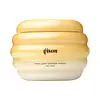 Key Ingredients
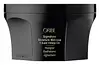
Benefits
Concerns
Ingredients Side-by-side
Water
Skin ConditioningCetearyl Alcohol
Emollient






Behenamidopropyl Dimethylamine
EmulsifyingDicocoylethyl Hydroxyethylmonium Methosulfate
Butyrospermum Parkii Butter
Skin Conditioning

Lactic Acid
Buffering








Mel
EmollientPropolis Cera
AntiseborrhoeicCeramide NP
Skin Conditioning


Hydrolyzed Sodium Hyaluronate
Skin Conditioning
Sodium Hyaluronate
Humectant
Hydroxypropyltrimonium Hyaluronate
Panthenol
Skin Conditioning
Squalane
Emollient
Tocopherol
Antioxidant

Glycerin
Humectant
Ethylhexylglycerin
Skin Conditioning1,2-Hexanediol
Skin Conditioning
Sunflower Seed Oil Glycerides
Emollient
Hydrogenated Ethylhexyl Olivate
EmollientVitis Vinifera Seed Oil
Emollient
Carthamus Tinctorius Seed Oil
Masking
Calendula Officinalis Flower Extract
Masking
Hydrogenated Olive Oil Unsaponifiables
Emollient
Oenothera Biennis Oil
Emollient
Rosa Canina Fruit Oil
Emollient
Helianthus Annuus Seed Oil
Emollient
Helianthus Annuus Sprout Extract
Skin ConditioningCitrus Aurantium Bergamia Fruit Extract
Skin ConditioningDaucus Carota Sativa Root Extract
Skin Conditioning
Caesalpinia Spinosa Fruit Extract
Skin ProtectingParfum
Masking
Sodium Benzoate
Masking
Maltodextrin
Absorbent
Citrus Aurantium Peel Oil

Coumarin
Perfuming
Hexyl Cinnamal
Perfuming
Limonene
Perfuming
Linalool
Perfuming
Linalyl Acetate
Masking
CI 19140
Cosmetic ColorantCI 15510
Cosmetic ColorantWater, Cetearyl Alcohol, Behenamidopropyl Dimethylamine, Dicocoylethyl Hydroxyethylmonium Methosulfate, Butyrospermum Parkii Butter, Lactic Acid, Mel, Propolis Cera, Ceramide NP, Hydrolyzed Sodium Hyaluronate, Sodium Hyaluronate, Hydroxypropyltrimonium Hyaluronate, Panthenol, Squalane, Tocopherol, Glycerin, Ethylhexylglycerin, 1,2-Hexanediol, Sunflower Seed Oil Glycerides, Hydrogenated Ethylhexyl Olivate, Vitis Vinifera Seed Oil, Carthamus Tinctorius Seed Oil, Calendula Officinalis Flower Extract, Hydrogenated Olive Oil Unsaponifiables, Oenothera Biennis Oil, Rosa Canina Fruit Oil, Helianthus Annuus Seed Oil, Helianthus Annuus Sprout Extract, Citrus Aurantium Bergamia Fruit Extract, Daucus Carota Sativa Root Extract, Caesalpinia Spinosa Fruit Extract, Parfum, Sodium Benzoate, Maltodextrin, Citrus Aurantium Peel Oil, Coumarin, Hexyl Cinnamal, Limonene, Linalool, Linalyl Acetate, CI 19140, CI 15510
Water
Skin ConditioningCetearyl Alcohol
Emollient
Dimethicone
Emollient
Cetyl Alcohol
Emollient
Stearyl Alcohol
Emollient
PPG-3 Benzyl Ether Myristate
EmollientHydrogenated Coco-Glycerides
Emollient
Cetyl Esters
Emollient
Isododecane
EmollientIsohexadecane
EmollientParfum
Masking
Glycerin
Humectant
Behentrimonium Methosulfate
SurfactantPhenoxyethanol
Preservative
Stearalkonium Chloride
Preservative
Quaternium-91
Helianthus Annuus Seed Oil
Emollient
Cetrimonium Methosulfate
AntimicrobialPanthenol
Skin Conditioning
Hydroxyethylcellulose
Emulsion StabilisingCetrimonium Chloride
Antimicrobial
Chlorphenesin
Antimicrobial
Dimethiconol
Emollient
Sorbic Acid
Preservative
Alcohol
Antimicrobial

Caprylyl Glycol
Emollient
Trisodium EDTA
ChelatingButylene Glycol
Humectant
Macadamia Ternifolia Seed Oil
Emollient
Octyldodecanol
Emollient
Cinnamidopropyltrimonium Chloride
Trisiloxane
Skin Conditioning
Dimethyl Stearamine
EmulsifyingIrvingia Gabonensis Kernel Butter
Skin Conditioning
Helianthus Annuus Seed Extract
Skin Conditioning
Hydrolyzed Jojoba Protein
Skin ConditioningHydrolyzed Rice Protein
Skin ConditioningStyrax Benzoin Resin Extract
Masking
Wheat Amino Acids
Skin ConditioningCitric Acid
Buffering
Cystine Bis-Pg-Propyl Silanetriol
Skin ConditioningLecithin
Emollient
Hydrolyzed Vegetable Protein Pg-Propyl Silanetriol
Skin ConditioningDisodium Phosphate
BufferingHydrolyzed Vegetable Protein
Skin ConditioningPolysorbate 60
Emulsifying
Potassium Benzoate
Preservative
Kaempferia Galanga Root Extract
Skin ConditioningLeontopodium Alpinum Extract
Skin ConditioningPentaerythrityl Tetra-Di-T-Butyl Hydroxyhydrocinnamate
Antioxidant
Sodium Benzoate
Masking
Tocopherol
Antioxidant
Arachidyl Propionate
EmollientAscorbyl Palmitate
Antioxidant
PPG-26-Buteth-26
Skin ConditioningRetinyl Palmitate
Skin Conditioning
Sodium Phosphate
BufferingPEG-40 Hydrogenated Castor Oil
Emulsifying
Ethyl Linolenate
Emollient
Disodium EDTA
ChelatingEthylhexylglycerin
Skin ConditioningLitchi Chinensis Pericarp Extract
Skin ConditioningMoringa Oleifera Seed Extract
Skin Conditioning
Tetrasodium EDTA
ChelatingEthyl Linoleate
Emollient
Ethyl Oleate
Emollient
Apigenin
Antioxidant
Tocopheryl Acetate
Antioxidant
Citrullus Lanatus Fruit Extract
Skin Conditioning
Oleanolic Acid
Skin ConditioningBiotinoyl Tripeptide-1

Citrulline
Skin ConditioningSodium Hydroxide
BufferingLimonene
Perfuming
Hexyl Cinnamal
Perfuming
Linalool
Perfuming
Water, Cetearyl Alcohol, Dimethicone, Cetyl Alcohol, Stearyl Alcohol, PPG-3 Benzyl Ether Myristate, Hydrogenated Coco-Glycerides, Cetyl Esters, Isododecane, Isohexadecane, Parfum, Glycerin, Behentrimonium Methosulfate, Phenoxyethanol, Stearalkonium Chloride, Quaternium-91, Helianthus Annuus Seed Oil, Cetrimonium Methosulfate, Panthenol, Hydroxyethylcellulose, Cetrimonium Chloride, Chlorphenesin, Dimethiconol, Sorbic Acid, Alcohol, Caprylyl Glycol, Trisodium EDTA, Butylene Glycol, Macadamia Ternifolia Seed Oil, Octyldodecanol, Cinnamidopropyltrimonium Chloride, Trisiloxane, Dimethyl Stearamine, Irvingia Gabonensis Kernel Butter, Helianthus Annuus Seed Extract, Hydrolyzed Jojoba Protein, Hydrolyzed Rice Protein, Styrax Benzoin Resin Extract, Wheat Amino Acids, Citric Acid, Cystine Bis-Pg-Propyl Silanetriol, Lecithin, Hydrolyzed Vegetable Protein Pg-Propyl Silanetriol, Disodium Phosphate, Hydrolyzed Vegetable Protein, Polysorbate 60, Potassium Benzoate, Kaempferia Galanga Root Extract, Leontopodium Alpinum Extract, Pentaerythrityl Tetra-Di-T-Butyl Hydroxyhydrocinnamate, Sodium Benzoate, Tocopherol, Arachidyl Propionate, Ascorbyl Palmitate, PPG-26-Buteth-26, Retinyl Palmitate, Sodium Phosphate, PEG-40 Hydrogenated Castor Oil, Ethyl Linolenate, Disodium EDTA, Ethylhexylglycerin, Litchi Chinensis Pericarp Extract, Moringa Oleifera Seed Extract, Tetrasodium EDTA, Ethyl Linoleate, Ethyl Oleate, Apigenin, Tocopheryl Acetate, Citrullus Lanatus Fruit Extract, Oleanolic Acid, Biotinoyl Tripeptide-1, Citrulline, Sodium Hydroxide, Limonene, Hexyl Cinnamal, Linalool
Reviews
Ingredients Explained
These ingredients are found in both products.
Ingredients higher up in an ingredient list are typically present in a larger amount.
Cetearyl alcohol is a waxy mixture of two fatty alcohols: cetyl alcohol and stearyl alcohol. It is an emollient and emulsifier.
Despite having "alcohol" in its name, it has nothing to do with drying solvent alcohols; the FDA also allows "alcohol-free" products to contain fatty alcohols like this ingredient.
It plays several roles in a formula:
Typical use levels for this ingredient sit around 1-10% and the Cosmetic Ingredient Review Expert Panel has affirmed safety at concentrations up to 25% in leave-on products.
Multiple assessments have found it to be non-irritating and non-sensitizing to most people.
However, there have been some cases of allergic contact dermatitis in patients with chronically compromised skin barriers.
Cetearyl alcohol has a comedogenic rating of 2 and irritancy rating of 1. Both of these numbers come from the 1989 study that used rabbit ears; a "2" means mildly comedogenic and a "1" means low irritancy.
Here's the catch: rabbit skin is more sensitive than human skin and throws a lot of false positives. A 1996 reappraisal found that ingredients rated 1-2 in the rabbit ear tests are generally safe for humans.
Remember comedogenic ratings are unable to assess the entire formula of a product or how it will react on your skin. Just be sure to patch test if you are unsure about certain ingredients.
This ingredient is not fungal acne safe. Cetearyl alcohol is a fatty alcohol with chain lengths that fall within the range that Malassezia can metabolize.
A 2019 study has also observed Malassezia growth in the presence of this ingredient, confirming it to be not-fungal acne safe.
Learn more about Cetearyl AlcoholEthylhexylglycerin is created from glycerin. It is a multitasker ingredient that:
The CIR Expert Panel found minimal skin absorption or sensitization of any kind in a safety assessment. Though this ingredient is considered well-tolerated, a small number of cases of allergic dermatitis have been published since 2002. Just be sure to patch test if you are unsure.
Industry-reported use ranges from 8% in rinse-off products and 2% in leave-on formulations.
Learn more about EthylhexylglycerinGlycerin (or glycerol) is a compound naturally found in your skin. It's a powerhouse humectant that pulls water into the stratum corneum.
Topically, glycerin does several things at once:
Your skin makes glycerin on its own (mostly from sebaceous oil breakdown) and shuttles it to your outermost layer of skin, or your epidermis, via aquaporin-3.
Aquaporin-3 is a transporter that is essential for normal skin hydration, elasticity, and repair. Interestingly, mice lacking in AQP3 have dry and less elastic skin that can be fully corrected with glycerin.
This ingredient is non-irritating, plays well with almost every ingredient, and works across all skin types. Typical use is anywhere between 3-10% but can go up to 79% in some leave-on products.
Just know very high concentrations (>40%) can feel tacky in low humidity.
Glycerin is the name for this ingredient in American English. British English uses Glycerol/Glycerine.
Learn more about GlycerinHelianthus Annuus Seed Oil is a plant oil derived from the seeds of a sunflower.
It is rich in fatty acids, primarily linoleic acid and oleic acid. This gives it emollient and skin conditioning properties.
The reason this ingredient is so effective is because it forms a thin film on the skin that reduces transepidermal water loss (TEWL) while supplying linoleic acid to the stratum corneum to improve barrier strength.
The high linoleic acid content is particularly noteworthy for acne-prone skin.
Research suggests that acne-prone skin tends to be deficient in linoleic acid in sebum. Topical application may help replenish this to support a healthier follicular environment and less comedone-promoting sebum.
One randomized study found sunflower seed oil preserved skin barrier integrity in adult volunteers with and without atopic dermatitis (outperforming olive oil).
This ingredient is well-studied, gentle, and an effective emollient suitable for most skin types.
On fungal acne: This ingredient may not be Fungal acne (Malassezia folliculitis) safe. This is because it contains fatty acids with carbon chain lengths in the C11-C24 range.
Learn more about Helianthus Annuus Seed OilHexyl Cinnamal is a fragrance ingredient with a similar scent to jasmine. It can be naturally found in chamomile essential oil.
This ingredient is a known EU allergen and may sensitize the skin. The EU requires this ingredient to be listed separately on an ingredients list.
Hexyl Cinnamal is not water soluble but is soluble in oils.
Learn more about Hexyl CinnamalLimonene is the compound that gives citrus peel its smell.
In skincare, it shows up as a standalone fragrance ingredient or as a natural compound of citrus and other essential oils.
You'll typically see this ingredient used in very small amounts; anything above 0.001% in a leave-on product or 0.01% in a rinse-off has to be named on the label in the EU. The citrus oils that carry it sit around 0.5-1% in a finished formula.
Fresh limonene is a weak allergen; the real issue is that it slowly reacts with air and then breaks down from oxidation to create hydroperoxides (which are strong sensitizers). This is why suppliers are required to keep the peroxide value below 20 mmol.
Positive reactions in people being investigated for eczema vary:
It's worth skipping if you have a known fragrance allergy or a compromised barrier, but the risk is low for most people.
Older or long-opened products are also more likely to bother you than fresh ones due to oxidation.
Learn more about LimoneneLinalool is a small, naturally occurring scent molecule found in plants like lavender, coriander, bergamot, and more.
It is one of the two most-used fragrance ingredients in cosmetics and added purely for smell. Since it's not used for a skin benefit, there's no "effective dose". Concentration depends on the fragrance load of the product.
The EU requires it to be named on the label above 0.001% in leave-on and 0.01% in rinse-off products.
Fresh linalool is a weak sensitizer but air exposure turns some of it into hydroperoxides, which are strong sensitizers. Those oxidation products are the actual allergy concern.
Patch-test clinics see positive reactions to linalool hydroperoxides in about 4% to 12% of dermatitis patients depending on country and test concentration.
Resassuringly, one analytical study found hydroperoxide levels in real fragranced products to be orders of magnitude below what induced sensitization in animal studies with no evidence of oxidation building up during normal storage.
The practical takeaway is that linalool is fine for most people but worth avoiding if you have a confirmed fragrance contact allergy or a badly compromised barrier.
Products stored a long time after opening are also the high-risk scenario since that is when oxidation happens.
The scent of linalool is described as floral, spicy tropical, and citrus-like.
Learn more about LinaloolPanthenol is a common ingredient that helps hydrate and soothe the skin. It is found naturally in our skin and hair.
There are two forms of panthenol: D and L.
D-panthenol is also known as dexpanthenol. Most cosmetics use dexpanthenol or a mixture of D and L-panthenol.
Panthenol is famous due to its ability to go deeper into the skin's layers. Using this ingredient has numerous pros (and no cons):
Like hyaluronic acid, panthenol is a humectant. Humectants are able to bind and hold large amounts of water to keep skin hydrated.
This ingredient works well for wound healing. It works by increasing tissue in the wound and helps close open wounds.
Once oxidized, panthenol converts to pantothenic acid. Panthothenic acid is found in all living cells.
This ingredient is also referred to as pro-vitamin B5.
Learn more about PanthenolParfum is a catch-all term for an ingredient or more that is used to give a scent to products.
Also called "fragrance", this ingredient can be a blend of hundreds of chemicals or plant oils. This means every product with "fragrance" or "parfum" in the ingredients list is a different mixture.
For instance, Habanolide is a proprietary trade name for a specific aroma chemical. When used as a fragrance ingredient in cosmetics, most aroma chemicals fall under the broad labeling category of “FRAGRANCE” or “PARFUM” according to EU and US regulations.
The term 'parfum' or 'fragrance' is not regulated in many countries. In many cases, it is up to the brand to define this term.
For instance, many brands choose to label themselves as "fragrance-free" because they are not using synthetic fragrances. However, their products may still contain ingredients such as essential oils that are considered a fragrance by INCI standards.
One example is Calendula flower extract. Calendula is an essential oil that still imparts a scent or 'fragrance'.
Depending on the blend, the ingredients in the mixture can cause allergies and sensitivities on the skin. Some ingredients that are known EU allergens include linalool and citronellol.
Parfum can also be used to mask or cover an unpleasant scent.
The bottom line is: not all fragrances/parfum/ingredients are created equally. If you are worried about fragrances, we recommend taking a closer look at an ingredient. And of course, we always recommend speaking with a professional.
Learn more about ParfumSodium Benzoate is a preservative. It's used in both cosmetic and food products to inhibit the growth of mold and bacteria. It is typically produced synthetically.
Both the US FDA and EU Health Committee have approved the use of sodium benzoate. In the US, levels of 0.1% (of the total product) are allowed.
Sodium benzoate works as a preservative by inhibiting the growth of bacteria inside of cells. It prevents the cell from fermenting a type of sugar using an enzyme called phosphofructokinase.
It is the salt of benzoic acid. Foods containing sodium benzoate include soda, salad dressings, condiments, fruit juices, wines, and snack foods.
Studies for using ascorbic acid and sodium benzoate in cosmetics are lacking, especially in skincare routines with multiple steps.
We always recommend speaking with a professional, such as a dermatologist, if you have any concerns.
Learn more about Sodium BenzoateTocopherol is a fat-soluble antioxidant known as Vitamin E.
You'll find this ingredient in the vast majority of skincare (for good reason). It works to neutralize free radicals, or unstable molecules generated by UV exposure, pollution, and other environmental stressors, before they can cause oxidative damage to your skin cells.
Topically applied tocopherol has been shown to protect against UV damage by ramping up the skin's own natural defense enzymes.
It also acts as a skin conditioning agent; some studies show that regular topical use can improve the skin's water-binding capacity over 2-4 weeks.
This ingredient is especially loved for being a team player. When combined with Vitamin C, the photoprotective effect of both ingredients roughly doubles and the combo also helps reduce UV-induced DNA damage.
This ingredient has some brightening potential but it's more of a prevention ingredient than spot-fader. Cell studies show it can slow down melanin production but it's worth noting that it's not the most powerful brightener out there.
In formulations, it also serves as a stabilizer that helps protect other oxidation-prone ingredients from degrading.
Concentrations usually range from 0.1-1% in most leave-on products.
Learn more about TocopherolWater. It's the most common cosmetic ingredient of all. You'll usually see it at the top of ingredient lists, meaning that it makes up the largest part of the product.
So why is it so popular? Water most often acts as a solvent - this means that it helps dissolve other ingredients into the formulation.
You'll also recognize water as that liquid we all need to stay alive. If you see this, drink a glass of water. Remember to stay hydrated!
Learn more about Water

