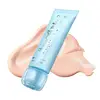
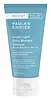
Fwee Spa Glowing UV Tone-Up Base SPF 50+ Versus Paula's Choice Resist Super-Light Wrinkle Defense SPF 30
This mineral sunscreen covers the full UV range and blocks ~97% of UVB at SPF 30.


What's inside
What's inside
 Key Ingredients
Benefits
Concerns
Ingredients Side-by-side
Water
Skin ConditioningDiisopropyl Sebacate
EmollientCI 77891
Cosmetic ColorantGlycerin
Humectant


Butylene Glycol
Humectant
Butyloctyl Salicylate
Skin Conditioning

C12-15 Alkyl Benzoate
AntimicrobialDiethylamino Hydroxybenzoyl Hexyl Benzoate
UV Filter
Diphenylsiloxy Phenyl Trimethicone
Skin Conditioning
Ethylhexyl Triazone
UV Absorber
Dicaprylyl Carbonate
EmollientBis-Ethylhexyloxyphenol Methoxyphenyl Triazine
UV Absorber
Niacinamide
Smoothing









Polysilicone-15
UV Filter
Pentylene Glycol
Skin Conditioning
1,2-Hexanediol
Skin Conditioning
Methylene Bis-Benzotriazolyl Tetramethylbutylphenol
UV Filter
Alpha-Arbutin
Antioxidant

Betula Platyphylla Japonica Juice
Skin Conditioning
Galactomyces Ferment Filtrate
Humectant

Camellia Sinensis Leaf Extract
Antimicrobial
Oryza Sativa Extract
Absorbent
Hydrolyzed Hyaluronic Acid
Humectant
Bifida Ferment Extract
Humectant
Hyaluronic Acid
Humectant
Sodium Hyaluronate
Humectant
Dipentaerythrityl Tri-Polyhydroxystearate
Emollient
Polyglyceryl-3 Methylglucose Distearate
Emulsifying
Isododecane
EmollientOctyldodecanol
Emollient
Polyhydroxystearic Acid
Emulsifying
Aluminum Hydroxide
EmollientAmmonium Acryloyldimethyltaurate/Vp Copolymer
Stearic Acid
Cleansing
Sodium Polyacryloyldimethyl Taurate
Emulsion StabilisingMethylpropanediol
SolventHydroxypropyl Methylcellulose Stearoxy Ether
Polyether-1
Polyglyceryl-4 Isostearate
Emulsifying
Decyl Glucoside
Cleansing
Isopropyl Titanium Triisostearate
Emollient
Ethylhexylglycerin
Skin ConditioningAdenosine
Skin Conditioning
Trisodium Ethylenediamine Disuccinate
ChelatingCitric Acid
Buffering
Triethoxycaprylylsilane
Sodium Citrate
BufferingTocopherol
Antioxidant
Ceramide NP
Skin Conditioning
Glyceryl Caprylate
EmollientCaprylyl Glycol
Emollient
Dimethylsilanol Hyaluronate
Humectant
Hydrolyzed Sodium Hyaluronate
Skin Conditioning
Potassium Hyaluronate
Skin ConditioningHydroxypropyltrimonium Hyaluronate
Sodium Hyaluronate Crosspolymer
Humectant
Sodium Hyaluronate Dimethylsilanol
HumectantSodium Acetylated Hyaluronate
Humectant
Cetearyl Alcohol
Emollient

Xanthan Gum
EmulsifyingParfum
Masking


Mica
Cosmetic ColorantCI 77492
Cosmetic ColorantCI 77491
Cosmetic ColorantWater, Diisopropyl Sebacate, CI 77891, Glycerin, Butylene Glycol, Butyloctyl Salicylate, C12-15 Alkyl Benzoate, Diethylamino Hydroxybenzoyl Hexyl Benzoate, Diphenylsiloxy Phenyl Trimethicone, Ethylhexyl Triazone, Dicaprylyl Carbonate, Bis-Ethylhexyloxyphenol Methoxyphenyl Triazine, Niacinamide, Polysilicone-15, Pentylene Glycol, 1,2-Hexanediol, Methylene Bis-Benzotriazolyl Tetramethylbutylphenol, Alpha-Arbutin, Betula Platyphylla Japonica Juice, Galactomyces Ferment Filtrate, Camellia Sinensis Leaf Extract, Oryza Sativa Extract, Hydrolyzed Hyaluronic Acid, Bifida Ferment Extract, Hyaluronic Acid, Sodium Hyaluronate, Dipentaerythrityl Tri-Polyhydroxystearate, Polyglyceryl-3 Methylglucose Distearate, Isododecane, Octyldodecanol, Polyhydroxystearic Acid, Aluminum Hydroxide, Ammonium Acryloyldimethyltaurate/Vp Copolymer, Stearic Acid, Sodium Polyacryloyldimethyl Taurate, Methylpropanediol, Hydroxypropyl Methylcellulose Stearoxy Ether, Polyether-1, Polyglyceryl-4 Isostearate, Decyl Glucoside, Isopropyl Titanium Triisostearate, Ethylhexylglycerin, Adenosine, Trisodium Ethylenediamine Disuccinate, Citric Acid, Triethoxycaprylylsilane, Sodium Citrate, Tocopherol, Ceramide NP, Glyceryl Caprylate, Caprylyl Glycol, Dimethylsilanol Hyaluronate, Hydrolyzed Sodium Hyaluronate, Potassium Hyaluronate, Hydroxypropyltrimonium Hyaluronate, Sodium Hyaluronate Crosspolymer, Sodium Hyaluronate Dimethylsilanol, Sodium Acetylated Hyaluronate, Cetearyl Alcohol, Xanthan Gum, Parfum, Mica, CI 77492, CI 77491
Water
Skin ConditioningCyclopentasiloxane
Emollient
Zinc Oxide
Cosmetic Colorant
PEG-12 Dimethicone
Skin Conditioning
PEG/PPG-18/18 Dimethicone
Emulsifying
Lauroyl Lysine
Skin Conditioning
Sodium Chloride
MaskingTrihydroxystearin
Skin Conditioning
Dimethicone Crosspolymer
Emulsion Stabilising
Resveratrol
Antioxidant
Quercetin
Antioxidant
Epigallocatechin Gallate
Antioxidant
Tocopheryl Acetate
Antioxidant
Tetrahexyldecyl Ascorbate
Antioxidant
Adenosine
Skin Conditioning
Bisabolol
Antioxidant
Salix Nigra Bark Extract
Skin ProtectingPunica Granatum Extract
AstringentHaematococcus Pluvialis Extract
Antioxidant
Hydrolyzed Corn Starch
HumectantPolysorbate 80
Emulsifying
Hydrated Silica
Abrasive
Triethoxycaprylylsilane
C12-15 Alkyl Benzoate
AntimicrobialIsopropyl Titanium Triisostearate
Emollient
Caprylyl Glycol
Emollient
Hexylene Glycol
EmulsifyingEthylhexylglycerin
Skin ConditioningIron Oxides
Phenoxyethanol
Preservative
Water, Cyclopentasiloxane, Zinc Oxide, PEG-12 Dimethicone, PEG/PPG-18/18 Dimethicone, Lauroyl Lysine, Sodium Chloride, Trihydroxystearin, Dimethicone Crosspolymer, Resveratrol, Quercetin, Epigallocatechin Gallate, Tocopheryl Acetate, Tetrahexyldecyl Ascorbate, Adenosine, Bisabolol, Salix Nigra Bark Extract, Punica Granatum Extract, Haematococcus Pluvialis Extract, Hydrolyzed Corn Starch, Polysorbate 80, Hydrated Silica, Triethoxycaprylylsilane, C12-15 Alkyl Benzoate, Isopropyl Titanium Triisostearate, Caprylyl Glycol, Hexylene Glycol, Ethylhexylglycerin, Iron Oxides, Phenoxyethanol
Reviews
Ingredients Explained
These ingredients are found in both products.
Ingredients higher up in an ingredient list are typically present in a larger amount.
Adenosine is a purine nucleoside that your body already makes in every cell. In skincare, it acts mainly as a skin conditioning and anti-aging agent.
The way it works is fairly well mapped out:
Your skin has cells called fibroblasts that build collagen (the stuff that keeps skin firm and smooth). Adenosine basically flips a switch on these cells that tells them to get to work making more collagen and other proteins. These cells slow down on their own as skin ages, so Adenosine helps give them a little nudge to keep going.
The clinical backing is pretty solid too.
A blind, randomized, placebo-controlled trial of 126 women aged 45-65 tested a 0.1% cream twice daily and found real improvements in crow's feet and frown lines using a precise 3D skin-mapping technique; these changes showed up by week 3 and held at 2 months.
A later study using Adenosine-loaded dissolving microneedle patches reported gains in wrinkle depth, dermal density, elasticity, and hydration.
On concentrations, South Korea's Ministry of Food and Drug Safety has set 0.04% as the approved functional anti-wrinkle level. You'll typically see this ingredient used somewhere in the 0.04-0.1% range since it works at low doses.
This ingredient has been found safe for cosmetics with the data showing no irritation or sensitization.
Overall, this is a great ingredient for any anti-aging routine and has no photosensitizing effect, so it suits both AM and PM use.
Learn more about AdenosineC12-15 Alkyl Benzoate is a lightweight emollient made by combinig benzoic acid with fatty alcohols that are 12-15 carbons long.
In cosmetics, it plays several roles:
The Cosmetic Review Expert Panel has concluded the alkyl benzoate group to be safe as used in cosmetics; it wasn't found to be a skin irritant and unlikely to be absorbed due to its low water solubility.
This report recorded almost 1000 reported uses with concentrations up to 59% in leave-on products but your cosmetics will typically use 0.5-15% depending on the product.
It's often called a "SPF booster": this is because it keeps UV filters properly dissolved and evenly distributed to support a sunscreen's performance. It doesn't actually raise SPF on its own.
Overall, this ingredient is well tolerated.
This ingredient is fungal acne safe because it is an ester of benzoic acid.
Think of this ingredient as two parts stuck together: an oily part and an acid part. Malassezia only gets a meal when it can snip off a fatty acid to eat. With C12-15 Alkyl Benzoate, the acid part is benzoic acid, which isn't a fatty acid and which the yeast can't use as food.
Benzoic acid is actually used as a preservative to stop yeast from growing.
The oily part is a blend of C12-15 fatty alcohols but fatty alcohols in this size range can support only a little Malassezia growth (mostly for one species of Malassezia as well).
In the ingredient, those alcohols stay locked inside the molecule. The yeast can only reach them by snipping the benzoate bond, and that type of bond is harder for it to cut than a normal fatty bond.
So not much gets released. And whatever does get snipped comes packaged with benzoic acid, which discourages yeast growth.
Learn more about C12-15 Alkyl BenzoateCaprylyl Glycol is a humectant, skin conditioner, emollient, and preservative booster derived from either caprylic acid or synthetically created.
Typical use levels vary from 0.3-1% as a preservative booster and go up to 2% to condition skin.
Because it is not a free-fatty acid, this ingredient is fungal acne safe (there's nothing for Malassezia to feed on).
Learn more about Caprylyl GlycolEthylhexylglycerin is created from glycerin. It is a multitasker ingredient that:
The CIR Expert Panel found minimal skin absorption or sensitization of any kind in a safety assessment. Though this ingredient is considered well-tolerated, a small number of cases of allergic dermatitis have been published since 2002. Just be sure to patch test if you are unsure.
Industry-reported use ranges from 8% in rinse-off products and 2% in leave-on formulations.
Learn more about EthylhexylglycerinThis ingredient is an synthetic emollient, emulsifier, and used as a surface treatment for pigment particles (like iron oxides or titanium dioxide).
The “triisostearate” part of this ingredient is an ester derived from isostearic acid, a long-chain fatty acid.
It "wraps" these ingredients in a form of slippery jacket so they disperse more evenly in oils, glide better on skin, and stick longer without smudging.
Human repeat insult patch tests on foundations containing this ingredient found no sensitization concerns.
Since isostearic acid is a C18 fatty acid, it falls within the carbon chain length that Malassezia can potentially metabolize. This is why this ingredient may not be fungal acne safe.
Learn more about Isopropyl Titanium TriisostearateTriethoxycaprylylsilane is a silicon-based surface modifier that makes sunscreens feel silky and makeup stay put.
Its main job is to coat mineral particles like titanium dioxide, zinc oxide, and color pigments in a thin, oily layer so they spread smoothly, don't clump, and stick to skin better.
This ingredient is typically used at low levels (up to 2.5% in eyeshadow and 1% in lipstick).
Learn more about TriethoxycaprylylsilaneWater. It's the most common cosmetic ingredient of all. You'll usually see it at the top of ingredient lists, meaning that it makes up the largest part of the product.
So why is it so popular? Water most often acts as a solvent - this means that it helps dissolve other ingredients into the formulation.
You'll also recognize water as that liquid we all need to stay alive. If you see this, drink a glass of water. Remember to stay hydrated!
Learn more about Water

