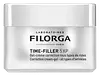
This anti-aging treatment is formulated around Silica and Zinc PCA to soften the look of wrinkles and balance excess oil.
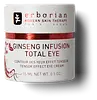
This calming eye moisturizer is formulated around Panax Ginseng Root Extract and Centella Asiatica Extract to calm redness and hydrate skin.


What's inside
What's inside
 Key Ingredients
Benefits
Concerns
Ingredients Side-by-side
Water
Skin ConditioningGlycerin
Humectant


Propylheptyl Caprylate
EmollientSilica
Abrasive


Dicaprylyl Carbonate
EmollientSqualane
Emollient
Imperata Cylindrica Root Extract
Skin ConditioningHydroxyethyl Acrylate/Sodium Acryloyldimethyl Taurate Copolymer
Emulsion StabilisingZinc PCA
Humectant


Polyacrylate Crosspolymer-6
Emulsion StabilisingPhenoxyethanol
Preservative
Butylene Glycol
Humectant
Sucrose Palmitate
Emollient1,2-Hexanediol
Skin Conditioning
Parfum
Masking




Cetyl Alcohol
Emollient


Stearalkonium Hectorite
Gel FormingCaprylic/Capric Triglyceride
Masking
Glyceryl Linoleate
Emollient
Tocopheryl Acetate
Antioxidant


Propylene Carbonate
SolventPolysorbate 60
Emulsifying
Sorbitan Isostearate
Emulsifying
Biosaccharide Gum-1
Humectant
Carbomer
Emulsion StabilisingSodium Phytate
ChelatingHydrogenated Vegetable Oil
Emollient

Adenosine
Skin Conditioning
Anigozanthos Flavidus Extract
Skin ConditioningBenzyl Alcohol
Perfuming

Sodium Lactate
Buffering
Sodium Hydroxide
BufferingCaprylyl Glycol
Emollient
Dipeptide Diaminobutyroyl Benzylamide Diacetate
Skin Conditioning
Glyceryl Caprylate
EmollientLevulinic Acid
Perfuming
Citric Acid
Buffering
T-Butyl Alcohol
Perfuming
Polysorbate 20
Emulsifying
Potassium Sorbate
Preservative
Sodium Citrate
BufferingSodium Hyaluronate
Humectant
Crithmum Maritimum Extract
Skin ConditioningP-Anisic Acid
MaskingTocopherol
Antioxidant
Acrylates/C10-30 Alkyl Acrylate Crosspolymer
Emulsion StabilisingPalmitoyl Tripeptide-1
Skin Conditioning
Palmitoyl Tetrapeptide-7
Skin Conditioning
Water, Glycerin, Propylheptyl Caprylate, Silica, Dicaprylyl Carbonate, Squalane, Imperata Cylindrica Root Extract, Hydroxyethyl Acrylate/Sodium Acryloyldimethyl Taurate Copolymer, Zinc PCA, Polyacrylate Crosspolymer-6, Phenoxyethanol, Butylene Glycol, Sucrose Palmitate, 1,2-Hexanediol, Parfum, Cetyl Alcohol, Stearalkonium Hectorite, Caprylic/Capric Triglyceride, Glyceryl Linoleate, Tocopheryl Acetate, Propylene Carbonate, Polysorbate 60, Sorbitan Isostearate, Biosaccharide Gum-1, Carbomer, Sodium Phytate, Hydrogenated Vegetable Oil, Adenosine, Anigozanthos Flavidus Extract, Benzyl Alcohol, Sodium Lactate, Sodium Hydroxide, Caprylyl Glycol, Dipeptide Diaminobutyroyl Benzylamide Diacetate, Glyceryl Caprylate, Levulinic Acid, Citric Acid, T-Butyl Alcohol, Polysorbate 20, Potassium Sorbate, Sodium Citrate, Sodium Hyaluronate, Crithmum Maritimum Extract, P-Anisic Acid, Tocopherol, Acrylates/C10-30 Alkyl Acrylate Crosspolymer, Palmitoyl Tripeptide-1, Palmitoyl Tetrapeptide-7
Water
Skin ConditioningButylene Glycol
Humectant
Cyclomethicone
Emollient
Butyrospermum Parkii Butter
Skin Conditioning
Octyldodecanol
Emollient
Cetearyl Alcohol
Emollient
Palmitic Acid
Emollient
Talc
Abrasive
Panax Ginseng Root Extract
Emollient
Centella Asiatica Extract
Cleansing
Scutellaria Baicalensis Root Extract
Astringent
Polygonum Cuspidatum Root Extract
Antioxidant
Glycyrrhiza Glabra Root Extract
Bleaching
Camellia Sinensis Leaf Extract
Antimicrobial
Rosmarinus Officinalis Leaf Extract
AntimicrobialSaccharomyces Cerevisiae Extract
Skin Conditioning
Chamomilla Recutita Flower Extract
Masking
Dioscorea Villosa Root Extract
Skin Conditioning
Equisetum Giganteum Extract
Skin ConditioningKigelia Africana Fruit Extract
Skin ConditioningPrunus Amygdalus Dulcis Oil
Skin Conditioning
Hydrogenated Vegetable Oil
Emollient
Glycine Soja Oil
Emollient
Sesamum Indicum Seed Oil
Emollient
Zea Mays Oil
Emulsifying
Vegetable Oil
Skin Conditioning
Ethylhexylglycerin
Skin ConditioningTocopherol
Antioxidant
Tocopheryl Acetate
Antioxidant
Panthenol
Skin Conditioning
Mannitol
Humectant
Arginine
Masking
Stearyl Stearate
Emollient
Stearic Acid
Cleansing
Glyceryl Stearate
Emollient
PEG-100 Stearate
Surfactant
Ozokerite
Emulsion StabilisingBeeswax
Emulsion Stabilising
Hydrogenated Palm Acid
Cellulose
Absorbent
Hydroxypropyl Methylcellulose
Emulsion StabilisingAmmonium Acryloyldimethyltaurate/Vp Copolymer
Mica
Cosmetic ColorantPhenoxyethanol
Preservative
T-Butyl Alcohol
Perfuming
CI 77891
Cosmetic ColorantCI 77492
Cosmetic ColorantWater, Butylene Glycol, Cyclomethicone, Butyrospermum Parkii Butter, Octyldodecanol, Cetearyl Alcohol, Palmitic Acid, Talc, Panax Ginseng Root Extract, Centella Asiatica Extract, Scutellaria Baicalensis Root Extract, Polygonum Cuspidatum Root Extract, Glycyrrhiza Glabra Root Extract, Camellia Sinensis Leaf Extract, Rosmarinus Officinalis Leaf Extract, Saccharomyces Cerevisiae Extract, Chamomilla Recutita Flower Extract, Dioscorea Villosa Root Extract, Equisetum Giganteum Extract, Kigelia Africana Fruit Extract, Prunus Amygdalus Dulcis Oil, Hydrogenated Vegetable Oil, Glycine Soja Oil, Sesamum Indicum Seed Oil, Zea Mays Oil, Vegetable Oil, Ethylhexylglycerin, Tocopherol, Tocopheryl Acetate, Panthenol, Mannitol, Arginine, Stearyl Stearate, Stearic Acid, Glyceryl Stearate, PEG-100 Stearate, Ozokerite, Beeswax, Hydrogenated Palm Acid, Cellulose, Hydroxypropyl Methylcellulose, Ammonium Acryloyldimethyltaurate/Vp Copolymer, Mica, Phenoxyethanol, T-Butyl Alcohol, CI 77891, CI 77492
Ingredients Explained
These ingredients are found in both products.
Ingredients higher up in an ingredient list are typically present in a larger amount.
Butylene Glycol (or BG) is used within cosmetic products for a few different reasons:
Overall, Butylene Glycol is a safe and well-rounded ingredient that works well with other ingredients.
Though this ingredient works well with most skin types, some people with sensitive skin may experience a reaction such as allergic rashes, closed comedones, or itchiness.
Learn more about Butylene GlycolHydrogenated Vegetable Oil isn't a single oil. It's the labeling name for a blend of plant-derived oils that can include canola, rapeseed, safflower, sunflower, sesame, palm, palm kernel, cotton, soybean, olive, and more.
Hydrogenation is the processing step that reduces or removes the unsaturated bonds in the fatty acids to make the oil more resistant to oxidative and thermal damage.
In cosmetics, it acts as a skin conditioner, occlusive, and emollient that give products a rich body.
Concentrations are reported from 0.0004% to 60% with leave-on products going as high as 60% and rinse-off products staying at 8% or below.
The Cosmetic Ingredient Review has concluded this ingredient to be safe as used in cosmetics.
This ingredient does have a comedogenic rating of 3, but this doesn't mean a formula with this ingredient will clog pores. Human testing has proved that any finished product with this ingredient won't automatically make you break out; it really comes down to concentration, formula, and your skin.
Since this ingredient is a triglyceride built mostly from C16 and C18 fatty acids, this ingredient may not be fungal acne safe as that falls into the range the Malassezia yeast can metabolize.
Allergy-wise, the proteins responsible for plant food allergies are taken out of the refined oil. This is why reactions to refined oils are rare even from highly allergenic sources like peanut. Well-designed studies have also shown refined peanut oil is safely tolerated by the vast majority of peanut-allergic people.
However, the issue is with unrefined oils; be sure to reach out to the manufacturer if you have a plant food allergy about the type of oil used in their products.
The other catch for this INCI name is that it doesn't tell you which plants are in the blend so you would need to ask the brand.
Learn more about Hydrogenated Vegetable OilPhenoxyethanol is one of the most widely used preservatives in skincare (and for good reason!).
It has a large spectrum of antimicrobial activity and especially effective bacteria, yeast, and mold while only having a weak effect on your skin's natural microbiome.
On a cellular level, it disrupts the cell membranes of microbes by poking holes that make the cell leak. This shuts down the chemical reactions the microbe needs to make energy so it can no longer survive.
Another perk of this ingredient is that it stays functional across a wide pH range (3-10).
You'll often see it paired with boosters like Ethylhexylglycerin; one study showed that a 1:9 ratio of Ethylhexylglycerin to Phenoxyethanol damages bacterial membranes as effectively as doubling the Phenoxyethanol concentration on its own.
Typical use concentrations range from 0.3-1% depending on the formula, and this ingredient is capped at 1% int the EU.
Safety-wise, the fear mongering does not hold up to the evidence. The EU's Scientific Committee on Consumer Safety and FDA consider it safe as a preservative at up to 1%, including for children of all ages.
Adverse systemic effects only showed up in animal studies at exposures roughly 200x higher than what people get from cosmetics. And despite its very widespread use, this ingredient is a rare sensitizer and allergic reactions are uncommon.
Learn more about PhenoxyethanolT-Butyl Alcohol (aka tert-butanol) is a small, clear, camphor-smelling alcohol.
It has two main jobs:
On the safety side, it's well-studied and has a solid track record. Human repeat-insult patch testing showed no skin irritation or sensitization even at 100%.
Typical use levels are pretty tiny, usually less than 1%.
You might see some fear-mongering around this ingredient:
Studies in male rats showed kidney effects but that's because of a rat-specific protein that humans don't make. So this study isn't really relevant to humans.
Though it's not a typical fragrance like parfum, it does have a natural scent. That's why the official COSIng database lists it as 'perfuming' ingredient. It can be used to modify the scent of a formula.
Learn more about T-Butyl AlcoholTocopherol is a fat-soluble antioxidant known as Vitamin E.
You'll find this ingredient in the vast majority of skincare (for good reason). It works to neutralize free radicals, or unstable molecules generated by UV exposure, pollution, and other environmental stressors, before they can cause oxidative damage to your skin cells.
Topically applied tocopherol has been shown to protect against UV damage by ramping up the skin's own natural defense enzymes.
It also acts as a skin conditioning agent; some studies show that regular topical use can improve the skin's water-binding capacity over 2-4 weeks.
This ingredient is especially loved for being a team player. When combined with Vitamin C, the photoprotective effect of both ingredients roughly doubles and the combo also helps reduce UV-induced DNA damage.
This ingredient has some brightening potential but it's more of a prevention ingredient than spot-fader. Cell studies show it can slow down melanin production but it's worth noting that it's not the most powerful brightener out there.
In formulations, it also serves as a stabilizer that helps protect other oxidation-prone ingredients from degrading.
Concentrations usually range from 0.1-1% in most leave-on products.
Learn more about TocopherolTocopheryl Acetate is a stable, shelf-friendly form of vitamin E.
Formulators love it because plain vitamin E oxidizes quickly once it hits air. This acetate version stays stable and resists going off, helping to extend a product's shelf life.
It's actually inactive on its own and works like a slow-release "storage" form; the enzymes in your skin called esterases gradually convert it into active vitamin E over time.
One in vivo study showed 5% of the acetate in the living layer of the epidermis converted to vitamin E after 5 days of application. This study also found the skin gained protection against UV damage even though the conversion was slow and small.
Once converted, vitamin E acts as a skin's main fat-soluble antioxidant that fights free radicals to protect skin from damage.
Topical vitamin E generally boosts the skin's photoprotection, and it reduced UV-damage in animal models.
This ingredient has some brightening potential but it's more of a prevention ingredient than spot-fader. Cell studies show it can slow down melanin production but it's worth noting that it's not the most powerful brightener out there.
Overall, it has a pretty solid safety profile and has been found to be non-irritating and non-comedogenic. Allergic reactions may happen but stay rare due to how widely the ingredient gets used.
The concentration will vary depending on the formula; industry data shows 0.1% in baby lotions, 3% in lipsticks, and 5% in foot powders. You can also find this ingredient at 100% in a pure vitamin E oil.
Most leave-on skincare keeps it at the lower end, often between 0.5-1%.
Learn more about Tocopheryl AcetateWater. It's the most common cosmetic ingredient of all. You'll usually see it at the top of ingredient lists, meaning that it makes up the largest part of the product.
So why is it so popular? Water most often acts as a solvent - this means that it helps dissolve other ingredients into the formulation.
You'll also recognize water as that liquid we all need to stay alive. If you see this, drink a glass of water. Remember to stay hydrated!
Learn more about Water

