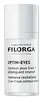
This anti-aging eye moisturizer is formulated around Hesperidin Methyl Chalcone and Dipeptide-2 to soften the look of wrinkles and fade the look of dark spots.
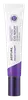
This anti-aging eye moisturizer is formulated around Niacinamide and Hydroxypinacolone Retinoate to soften the look of wrinkles and refine skin texture.


What's inside
What's inside
 Key Ingredients
Benefits
Concerns
Ingredients Side-by-side
Water
Skin ConditioningGlycerin
Humectant


Caprylic/Capric Triglyceride
Masking
C12-16 Alcohols
EmollientCyclopentasiloxane
Emollient
PEG-8
HumectantPolyacrylate-13
Hydrogenated Lecithin
Emulsifying
Palmitic Acid
Emollient




Prunus Domestica Seed Oil
Skin Conditioning
Polyisobutene
Cyclohexasiloxane
Emollient
Sucrose Palmitate
EmollientParfum
Masking


Dimethicone Crosspolymer
Emulsion Stabilising
Steareth-20
CleansingCaprylyl Glycol
Emollient
Chlorphenesin
Antimicrobial
Hesperidin Methyl Chalcone
Antioxidant

Tetrasodium EDTA
ChelatingGlyceryl Linoleate
Emollient
Polysorbate 20
Emulsifying
Tromethamine
BufferingPrunus Amygdalus Dulcis Oil
Skin Conditioning
Sodium Chloride
MaskingSodium Polyacrylate
Absorbent
Chlorhexidine Digluconate
Antimicrobial
Glucose
Humectant
Phenoxyethanol
Preservative
Sodium Hyaluronate
Humectant

Potassium Sorbate
Preservative
Citric Acid
Buffering

N-Hydroxysuccinimide
Skin ConditioningPotassium Chloride
Dipeptide-2
Skin Conditioning
Calcium Chloride
AstringentMagnesium Sulfate
Glutamine
Skin ConditioningSodium Phosphate
BufferingPalmitoyl Tetrapeptide-7
Skin Conditioning
Ascorbic Acid
Antioxidant

Sodium Acetate
BufferingTocopherol
Antioxidant
Lysine Hcl
Skin Conditioning
Arginine
Masking
Alanine
Masking
Histidine
Humectant
Valine
MaskingChrysin
Skin ConditioningPalmitoyl Oligopeptide
Cleansing
Leucine
Skin ConditioningThreonine
Isoleucine
Skin ConditioningTryptophan
MaskingPhenylalanine
Masking
Tyrosine
MaskingGlycine
Buffering
Polysorbate 80
Emulsifying
Serine
Masking
2'-Deoxyadenosine
Cystine
MaskingCyanocobalamin
Skin ConditioningDeoxycytidine
Deoxyguanosine
Thymidine
Skin ConditioningGlutathione
Asparagine
MaskingAspartic Acid
Masking
Ornithine
Skin ConditioningGlutamic Acid
Humectant
Nicotinamide Adenine Dinucleotide
Skin ConditioningProline
Skin Conditioning
Aminobutyric Acid
Methionine
Skin ConditioningTaurine
BufferingHydroxyproline
Skin ConditioningGlucosamine
Coenzyme A
Skin ConditioningGlucuronolactone
Skin ConditioningSodium Glucuronate
HumectantThiamine Diphosphate
Skin ConditioningDisodium Flavine Adenine Dinucleotide
Sodium Trimetaphosphate
BufferingRetinyl Acetate
Skin Conditioning
Inositol
Humectant
Niacin
SmoothingNiacinamide
Smoothing



Pyridoxal 5-Phosphate
Skin ConditioningPyridoxine
Skin ConditioningBiotin
AntiseborrhoeicCalcium Pantothenate
Folic Acid
Skin ConditioningRiboflavin
Cosmetic ColorantTocopheryl Phosphate
CleansingWater, Glycerin, Caprylic/Capric Triglyceride, C12-16 Alcohols, Cyclopentasiloxane, PEG-8, Polyacrylate-13, Hydrogenated Lecithin, Palmitic Acid, Prunus Domestica Seed Oil, Polyisobutene, Cyclohexasiloxane, Sucrose Palmitate, Parfum, Dimethicone Crosspolymer, Steareth-20, Caprylyl Glycol, Chlorphenesin, Hesperidin Methyl Chalcone, Tetrasodium EDTA, Glyceryl Linoleate, Polysorbate 20, Tromethamine, Prunus Amygdalus Dulcis Oil, Sodium Chloride, Sodium Polyacrylate, Chlorhexidine Digluconate, Glucose, Phenoxyethanol, Sodium Hyaluronate, Potassium Sorbate, Citric Acid, N-Hydroxysuccinimide, Potassium Chloride, Dipeptide-2, Calcium Chloride, Magnesium Sulfate, Glutamine, Sodium Phosphate, Palmitoyl Tetrapeptide-7, Ascorbic Acid, Sodium Acetate, Tocopherol, Lysine Hcl, Arginine, Alanine, Histidine, Valine, Chrysin, Palmitoyl Oligopeptide, Leucine, Threonine, Isoleucine, Tryptophan, Phenylalanine, Tyrosine, Glycine, Polysorbate 80, Serine, 2'-Deoxyadenosine, Cystine, Cyanocobalamin, Deoxycytidine, Deoxyguanosine, Thymidine, Glutathione, Asparagine, Aspartic Acid, Ornithine, Glutamic Acid, Nicotinamide Adenine Dinucleotide, Proline, Aminobutyric Acid, Methionine, Taurine, Hydroxyproline, Glucosamine, Coenzyme A, Glucuronolactone, Sodium Glucuronate, Thiamine Diphosphate, Disodium Flavine Adenine Dinucleotide, Sodium Trimetaphosphate, Retinyl Acetate, Inositol, Niacin, Niacinamide, Pyridoxal 5-Phosphate, Pyridoxine, Biotin, Calcium Pantothenate, Folic Acid, Riboflavin, Tocopheryl Phosphate
Water
Skin ConditioningButylene Glycol
Humectant
Glycerin
Humectant
Dimethicone
Emollient
Niacinamide
Smoothing
Ethylhexyl Stearate
Emollient
1,2-Hexanediol
Skin Conditioning
Hydroxyethyl Acrylate/Sodium Acryloyldimethyl Taurate Copolymer
Emulsion StabilisingCetearyl Alcohol
Emollient
Betaine
Humectant
Panthenol
Skin Conditioning
Glyceryl Polymethacrylate
Sodium Hyaluronate
Humectant
Glyceryl Stearate
Emollient
Acrylates/C10-30 Alkyl Acrylate Crosspolymer
Emulsion StabilisingDimethicone/Vinyl Dimethicone Crosspolymer
Skin Conditioning
Dimethiconol
Emollient
Hydrogenated Lecithin
Emulsifying
Cellulose Gum
Emulsion StabilisingGlyceryl Caprylate
EmollientGlucosyl Hesperidin
HumectantStearic Acid
Cleansing
Tromethamine
BufferingPolyglyceryl-3 Methylglucose Distearate
Emulsifying
Palmitic Acid
Emollient
Sorbitan Isostearate
Emulsifying
Ethylhexylglycerin
Skin ConditioningDimethyl Isosorbide
SolventAdenosine
Skin Conditioning
Sodium Polyacrylate
Absorbent
Sodium Metaphosphate
BufferingPolyglyceryl-6 Caprylate
EmulsifyingHydroxypropyl Bispalmitamide Mea
Emollient
Mannitol
Humectant
Hydroxypinacolone Retinoate
Skin Conditioning
Myristic Acid
Cleansing
3-O-Ethyl Ascorbic Acid
Skin Conditioning
Acrylates/Ammonium Methacrylate Copolymer
Lauric Acid
Cleansing
Thymol Trimethoxycinnamate
Antioxidant
Cholesterol
Emollient
Silica
Abrasive
Oleanolic Acid
Skin ConditioningCaprylyl Glycol
Emollient
Pullulan
Acetyl Heptapeptide-4
Humectant
Zein
Skin ConditioningPectin
Emulsion StabilisingAcetyl Hexapeptide-8
Humectant
Hydrolyzed Extensin
Skin ConditioningSimmondsia Chinensis Seed Oil
Emollient
Sodium Hydroxide
BufferingPolyglyceryl-10 Laurate
Skin Conditioning
Acetyl Octapeptide-3
Humectant
Citric Acid
Buffering
Water, Butylene Glycol, Glycerin, Dimethicone, Niacinamide, Ethylhexyl Stearate, 1,2-Hexanediol, Hydroxyethyl Acrylate/Sodium Acryloyldimethyl Taurate Copolymer, Cetearyl Alcohol, Betaine, Panthenol, Glyceryl Polymethacrylate, Sodium Hyaluronate, Glyceryl Stearate, Acrylates/C10-30 Alkyl Acrylate Crosspolymer, Dimethicone/Vinyl Dimethicone Crosspolymer, Dimethiconol, Hydrogenated Lecithin, Cellulose Gum, Glyceryl Caprylate, Glucosyl Hesperidin, Stearic Acid, Tromethamine, Polyglyceryl-3 Methylglucose Distearate, Palmitic Acid, Sorbitan Isostearate, Ethylhexylglycerin, Dimethyl Isosorbide, Adenosine, Sodium Polyacrylate, Sodium Metaphosphate, Polyglyceryl-6 Caprylate, Hydroxypropyl Bispalmitamide Mea, Mannitol, Hydroxypinacolone Retinoate, Myristic Acid, 3-O-Ethyl Ascorbic Acid, Acrylates/Ammonium Methacrylate Copolymer, Lauric Acid, Thymol Trimethoxycinnamate, Cholesterol, Silica, Oleanolic Acid, Caprylyl Glycol, Pullulan, Acetyl Heptapeptide-4, Zein, Pectin, Acetyl Hexapeptide-8, Hydrolyzed Extensin, Simmondsia Chinensis Seed Oil, Sodium Hydroxide, Polyglyceryl-10 Laurate, Acetyl Octapeptide-3, Citric Acid
Reviews
Ingredients Explained
These ingredients are found in both products.
Ingredients higher up in an ingredient list are typically present in a larger amount.
Caprylyl Glycol is a humectant, skin conditioner, emollient, and preservative booster derived from either caprylic acid or synthetically created.
Typical use levels vary from 0.3-1% as a preservative booster and go up to 2% to condition skin.
Because it is not a free-fatty acid, this ingredient is fungal acne safe (there's nothing for Malassezia to feed on).
Learn more about Caprylyl GlycolCitric Acid is an alpha hydroxy acid (AHA) naturally found in citrus fruits like oranges, lemons, and limes.
Like other AHAs, citric acid can exfoliate skin by breaking down the bonds that hold dead skin cells together. This helps reveal smoother and brighter skin underneath.
However, this exfoliating effect only happens at high concentrations (20%) which can be hard to find in cosmetic products.
Due to this, citric acid is usually included in small amounts as a pH adjuster. This helps keep products slightly more acidic and compatible with skin's natural pH.
In skincare formulas, citric acid can:
While it can provide some skin benefits, research shows lactic acid and glycolic acid are generally more effective and less irritating exfoliants.
Most citric acid used in skincare today is made by fermenting sugars (usually from molasses). This synthetic version is identical to the natural citrus form but easier to stabilize and use in formulations.
Rosacea skin has a lower threshold for acids generally, with 62.5% of rosacea subjects in one study reacting to lactic acid in a sting test. This is why we mark citric acid as a potential rosacea trigger.
However, this ingredient shows up as a pH adjuster or chelator at roughly 0.1-1% in many products. These low levels are unlikely to be an issue for rosacea skin and becomes a potential trigger at exfoliating concentrations (20%). Because everybody's skin is unique, we recommend a patch test if you are unsure.
Learn more about Citric AcidGlycerin (or glycerol) is a compound naturally found in your skin. It's a powerhouse humectant that pulls water into the stratum corneum.
Topically, glycerin does several things at once:
Your skin makes glycerin on its own (mostly from sebaceous oil breakdown) and shuttles it to your outermost layer of skin, or your epidermis, via aquaporin-3.
Aquaporin-3 is a transporter that is essential for normal skin hydration, elasticity, and repair. Interestingly, mice lacking in AQP3 have dry and less elastic skin that can be fully corrected with glycerin.
This ingredient is non-irritating, plays well with almost every ingredient, and works across all skin types. Typical use is anywhere between 3-10% but can go up to 79% in some leave-on products.
Just know very high concentrations (>40%) can feel tacky in low humidity.
Glycerin is the name for this ingredient in American English. British English uses Glycerol/Glycerine.
Learn more about GlycerinHydrogenated Lecithin is a more stable version of lecithin.
It's made by taking lecithin (a phospholipid commonly found in soybeans and egg yolks) and hydrogenating it. This just means the unsaturated fatty acids are turned into saturated ones so they don't go bad as easily.
This ingredient is an emollient, emulsifier, and penetration enhancer. As an emollient, it helps soften and hydrate skin by trapping moisture within. As an emulsifier, it prevents oil and water ingredients from separating.
Hydrogenated Lecithin can form tiny spherical structures made of phospholipid bilayers called liposomes. These liposomes are able to capture compounds inside their structure and deliver them through the skin barrier.
Because phospholipids are a natural component of our cell membranes, this ingredient is inherently compatible with skin.
A 2021 study found lecithin-based surfactants were less harsh and more tolerable comared to Sodium Lauryl Sulfate (SLS).
Learn more about Hydrogenated LecithinNiacinamide is a multitasking form of vitamin B3 that strengthens the skin barrier, reduces pores and dark spots, regulates oil, and improves signs of aging.
And the best part? It's gentle and well-tolerated by most skin types, including sensitive and reactive skin.
You might have heard of "niacin flush", or the reddening of skin that causes itchiness. Niacinamide has not been found to cause this.
In very rare cases, some individuals may not be able to tolerate niacinamide at all or experience an allergic reaction to it.
If you are experiencing flaking, irritation, and dryness with this ingredient, be sure to double check all your products as this ingredient can be found in all categories of skincare.
When incorporating niacinamide into your routine, look out for concentration amounts. Typically, 5% niacinamide provides benefits such as fading dark spots. However, if you have sensitive skin, it is better to begin with a smaller concentration.
When you apply niacinamide to your skin, your body converts it into nicotinamide adenine dinucleotide (NAD). NAD is an essential coenzyme that is already found in your cells as "fuel" and powers countless biological processes.
In your skin, NAD helps repair cell damage, produce new healthy cells, support collagen production, strengthen the skin barrier, and fight environmental stressors (like UV and pollution).
Our natural NAD levels start to decline with age, leading to slower skin repair, visible aging, and a weaker skin barrier. By providing your skin niacinamide, you're recharging your skin's NAD levels. This leads to stronger, healthier, and younger looking skin.
Another name for vitamin B3 is nicotinamide. This vitamin is water-soluble and our bodies don't store it. We obtain Vitamin B3 from either food or skincare. Meat, fish, wheat, yeast, and leafy greens contain vitamin B3.
The type of niacinamide used in skincare is synthetically created.
Learn more about NiacinamidePalmitic Acid is a fatty acid naturally found in our skin and in many plant and animal sources.
In cosmetics, it is usually derived from palm oil. It serves many purposes in skincare, acting as a cleanser, emollient, and emulsifier.
Interestingly, topically applied Palmitic Acid can be elongated into longer chain fatty acids and ceramides. A 2019 study found low levels of Palmitic Acid lead to slower development of cells, suggesting it plays a role in keeping your skin's renewal process on track.
The CIR (Cosmetic Ingredient Review) panel determined it safe as used in cosmetics at concentrations up to 13%. It is non-irritating and non-sensitizing in clinical studies.
The culprit behind fungal acne, the Malassezia yeast, feeds on fatty acids with carbon chain lengths between C11-C24. Palmitic Acid, at C16, falls right into that sweet spot.
In vitro studies have shown that Palmitic Acid is one of the fatty acids that induce rapid Malassezia growth in lab settings.
It's worth noting that what feeds yeast in a lab doesn't necessarily feed it on your face since formulation and your skin's chemistry play a bigger role.
This ingredient does have a comedogenic rating of 2, but this doesn't mean a formula with this ingredient will clog pores.
Human testing has proved that any finished product with a comedogenic ingredient won't automatically make you break out; it really comes down to concentration, formula, and your skin.
Learn more about Palmitic AcidSodium Hyaluronate is the salt form of hyaluronic acid. It is a long sugar chain that is naturally found in your skin, joints, and connective tissue that maintains hydration and elasticity.
In skincare, it works as a humectant. It pulls water from the environment and deeper layers of skin and binds it to the surface.
Interestingly, the size of the molecule affects its behavior:
Some clinical evidence links low molecular weight versions to improved wrinkle depth, elasticity, anti-inflammatory effects, and barrier repair.
Many serums use a blend of both weights so you can get surface hydration plus longer-lasting and deeper effects.
You'll typically see concentrations between 0.1-2% for this ingredient.
Learn more about Sodium HyaluronateSodium Polyacrylate is the sodium salt of polyacrylic acid. It is used as an absorber, emollient, and stabilizer.
This ingredient is a super-absorbent polymer - meaning it can absorb 100 to 1000 times its mass in water. As an emollient, Sodium Polyacrylate helps soften and soothe skin. Emollients work by creating a barrier to trap moisture in. This helps keep your skin hydrated.
Tromethamine (aka THAM) is a synthetic amino acid that shows up in skincare as a helper ingredient.
It functions as a pH adjuster to help neutralize acidic ingredients and set a formula's pH to the right spot.
This matters a lot because a lot of actives (like vitamin C) needs a specific pH to work well and feel comfortable on skin.
Concentration use ranges from 0.1-1.0% depending on the formula.
Learn more about TromethamineWater. It's the most common cosmetic ingredient of all. You'll usually see it at the top of ingredient lists, meaning that it makes up the largest part of the product.
So why is it so popular? Water most often acts as a solvent - this means that it helps dissolve other ingredients into the formulation.
You'll also recognize water as that liquid we all need to stay alive. If you see this, drink a glass of water. Remember to stay hydrated!
Learn more about Water

