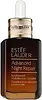
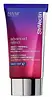
Estée Lauder Advanced Night Repair Synchronized Multi-Recovery Complex Serum Versus StriVectin Advanced Retinol Nightly Renewal Moisturizer
This barrier-repair serum is formulated around Bifida Ferment Lysate and Sodium Hyaluronate to strengthen the skin barrier and soften the look of wrinkles.

What's inside
What's inside
 Key Ingredients
Benefits
Concerns
Ingredients Side-by-side
Water
Skin ConditioningBifida Ferment Lysate
Skin Conditioning



PEG-8
HumectantPropanediol
Solvent
Bis-PEG-18 Methyl Ether Dimethyl Silane
EmollientMethyl Gluceth-20
Humectant
Glycereth-26
Humectant
PEG-75
HumectantButylene Glycol
Humectant
Adansonia Digitata Seed Extract
Skin ConditioningTripeptide-32
Skin Conditioning
Sodium Hyaluronate
Humectant

Faex Extract
Skin ConditioningLactobacillus Ferment
Skin Conditioning
Cola Acuminata Seed Extract
Skin ConditioningAnthemis Nobilis Flower Extract
Masking
Hydrolyzed Algin
Pantethine
EmollientCaffeine
Skin Conditioning
Lecithin
Emollient
Sodium Rna
Skin ConditioningBisabolol
Antioxidant

Squalane
Emollient
Glycerin
Humectant
Oleth-3 Phosphate
SurfactantCaprylyl Glycol
Emollient
Oleth-3
Emulsifying


Oleth-5
Emulsifying
Choleth-24
EmulsifyingHydrogenated Lecithin
Emulsifying
Jojoba Wax PEG-120 Esters
Surfactant

Ceteth-24
CleansingTocopheryl Acetate
Antioxidant

Carbomer
Emulsion StabilisingTriethanolamine
BufferingTetrasodium EDTA
ChelatingBHT
Antioxidant
Xanthan Gum
EmulsifyingPotassium Sorbate
Preservative
Disodium EDTA
ChelatingPhenoxyethanol
Preservative
CI 14700
Cosmetic ColorantCI 19140
Cosmetic ColorantWater, Bifida Ferment Lysate, PEG-8, Propanediol, Bis-PEG-18 Methyl Ether Dimethyl Silane, Methyl Gluceth-20, Glycereth-26, PEG-75, Butylene Glycol, Adansonia Digitata Seed Extract, Tripeptide-32, Sodium Hyaluronate, Faex Extract, Lactobacillus Ferment, Cola Acuminata Seed Extract, Anthemis Nobilis Flower Extract, Hydrolyzed Algin, Pantethine, Caffeine, Lecithin, Sodium Rna, Bisabolol, Squalane, Glycerin, Oleth-3 Phosphate, Caprylyl Glycol, Oleth-3, Oleth-5, Choleth-24, Hydrogenated Lecithin, Jojoba Wax PEG-120 Esters, Ceteth-24, Tocopheryl Acetate, Carbomer, Triethanolamine, Tetrasodium EDTA, BHT, Xanthan Gum, Potassium Sorbate, Disodium EDTA, Phenoxyethanol, CI 14700, CI 19140
Water
Skin ConditioningTrimethylolpropane Tricaprylate/Tricaprate
EmollientCaprylic/Capric/Myristic/Stearic Triglyceride
EmollientCaprylic/Capric Triglyceride
Masking
Glycerin
Humectant
Myristyl Nicotinate
Skin ConditioningDimethicone
Emollient
Cetearyl Alcohol
Emollient
Bis-Stearyl Dimethicone
Emollient
Pentaerythrityl Distearate
Emulsifying
Aloe Barbadensis Leaf Juice
Skin Conditioning
Isosorbide Dicaprylate
Skin ConditioningHydrogenated Ethylhexyl Olivate
EmollientGlyceryl Stearate
Emollient
Stearoxymethicone/Dimethicone Copolymer
Emollient
Cetyl Palmitate
Emollient
1,2-Hexanediol
Skin Conditioning
Retinal
Skin Conditioning






Retinol
Skin Conditioning
Bidens Pilosa Extract
HumectantAcetyl Hexapeptide-8
Humectant
Beta-Glucan
Skin Conditioning
Avena Sativa Kernel Extract
Abrasive
Oryza Sativa Bran Extract
Skin Conditioning
Glycine Soja Seed Extract
Skin Conditioning
Astrocaryum Murumuru Seed Butter
Emollient
Gossypium Herbaceum Seed Oil
Skin Conditioning
Butyrospermum Parkii Butter
Skin Conditioning
Helianthus Annuus Extract
Emollient
Hydrogenated Olive Oil Unsaponifiables
Emollient
Linum Usitatissimum Seed Oil
Perfuming
Rosmarinus Officinalis Leaf Extract
AntimicrobialBacillus/Sea Salt Ferment Filtrate
Skin ConditioningSalix Alba Bark Extract
Astringent
Adenosine
Skin Conditioning
Sodium Hyaluronate
Humectant
Zingiber Officinale Root Extract
Masking
Hydroxyethyl Acrylate/Sodium Acryloyldimethyl Taurate Copolymer
Emulsion StabilisingCeteareth-20
Cleansing
Bisabolol
Antioxidant
Polysorbate 20
Emulsifying
Isohexadecane
EmollientLactic Acid
Buffering
Methyl Methacrylate/Glycol Dimethacrylate Crosspolymer
Ascorbic Acid
Antioxidant
Propyl Gallate
Antioxidant
PEG-40 Stearate
Emulsifying
Polysilicone-11
Sorbitan Isostearate
Emulsifying
Polysorbate 60
Emulsifying
Tocopherol
Antioxidant
Caprylyl Glycol
Emollient
Tocopheryl Acetate
Antioxidant
Pentylene Glycol
Skin Conditioning
Ethylhexylglycerin
Skin ConditioningXanthan Gum
EmulsifyingResveratrol
Antioxidant
Disodium EDTA
ChelatingAminomethyl Propanol
BufferingParfum
Masking
BHT
Antioxidant
Phenoxyethanol
Preservative
Potassium Sorbate
Preservative
Phenethyl Alcohol
MaskingCitric Acid
Buffering
Water, Trimethylolpropane Tricaprylate/Tricaprate, Caprylic/Capric/Myristic/Stearic Triglyceride, Caprylic/Capric Triglyceride, Glycerin, Myristyl Nicotinate, Dimethicone, Cetearyl Alcohol, Bis-Stearyl Dimethicone, Pentaerythrityl Distearate, Aloe Barbadensis Leaf Juice, Isosorbide Dicaprylate, Hydrogenated Ethylhexyl Olivate, Glyceryl Stearate, Stearoxymethicone/Dimethicone Copolymer, Cetyl Palmitate, 1,2-Hexanediol, Retinal, Retinol, Bidens Pilosa Extract, Acetyl Hexapeptide-8, Beta-Glucan, Avena Sativa Kernel Extract, Oryza Sativa Bran Extract, Glycine Soja Seed Extract, Astrocaryum Murumuru Seed Butter, Gossypium Herbaceum Seed Oil, Butyrospermum Parkii Butter, Helianthus Annuus Extract, Hydrogenated Olive Oil Unsaponifiables, Linum Usitatissimum Seed Oil, Rosmarinus Officinalis Leaf Extract, Bacillus/Sea Salt Ferment Filtrate, Salix Alba Bark Extract, Adenosine, Sodium Hyaluronate, Zingiber Officinale Root Extract, Hydroxyethyl Acrylate/Sodium Acryloyldimethyl Taurate Copolymer, Ceteareth-20, Bisabolol, Polysorbate 20, Isohexadecane, Lactic Acid, Methyl Methacrylate/Glycol Dimethacrylate Crosspolymer, Ascorbic Acid, Propyl Gallate, PEG-40 Stearate, Polysilicone-11, Sorbitan Isostearate, Polysorbate 60, Tocopherol, Caprylyl Glycol, Tocopheryl Acetate, Pentylene Glycol, Ethylhexylglycerin, Xanthan Gum, Resveratrol, Disodium EDTA, Aminomethyl Propanol, Parfum, BHT, Phenoxyethanol, Potassium Sorbate, Phenethyl Alcohol, Citric Acid
Reviews
Ingredients Explained
These ingredients are found in both products.
Ingredients higher up in an ingredient list are typically present in a larger amount.
BHT is a synthetic antioxidant and preservative.
As an antioxidant, it helps your body fight off free-radicals. Free-radicals are molecules that may damage your skin cells.
As a preservative, it is used to stabilize products and prevent them from degrading. Specifically, BHT prevents degradation from oxidation.
The concerns related to BHT come from oral studies; this ingredient is currently allowed for use by both the FDA and EU.
However, it was recently restricted for use in the UK as of April 2024.
Learn more about BHTBisabolol is a gentle skin conditioner, antioxidant, and soothing ingredient.
It's primary claim to fame is soothing and research shows topically applied bisabolol can quiet the chemical messengers that cause your skin to become inflamed, helping to sooth any irritation.
A clinical study found that applying 0.5% bisabolol daily for 8 weeks produced an average 9% decrease in skin pigmentation. Researchers found it can also suppress the process that leads to excess melanin production in skin.
In vitro studies found that bisabolol combined with propylene glycol significantly increased skin permeability by increasing lipid fluidity in the stratum corneum.
You'll likely see use concentrations quite low, usually 0.1-0.2%.
Overall, this is a well-tolerated ingredient that works well in formulas designed for sensitive, reactive, or post-procedure skin.
Learn more about BisabololCaprylyl Glycol is a humectant, skin conditioner, emollient, and preservative booster derived from either caprylic acid or synthetically created.
Typical use levels vary from 0.3-1% as a preservative booster and go up to 2% to condition skin.
Because it is not a free-fatty acid, this ingredient is fungal acne safe (there's nothing for Malassezia to feed on).
Learn more about Caprylyl GlycolDisodium EDTA is a chelating agent. It grabs onto and deactivates metal ions that sneak into your products from water, packaging, or air.
This ingredient mainly works behind the scenes and helps with:
On top of that, this ingredient can counteract the effects of hard water by binding to the minerals in it.
One thing worth knowing is that Disodium EDTA has been shown to be a mild penetration enhancer. It can help other ingredients absorb into skin more effectively which can be a double-edged sword (great for actives, but can also make the active too strong if you have sensitive skin).
Clinical patch testing showed no significant skin irritation at typical use concentrations and minimal dermal absorption.
You'll most likely see this ingredient near the end of an ingredient list. It's typically found in concentrations less than 1%.
Learn more about Disodium EDTAGlycerin (or glycerol) is a compound naturally found in your skin. It's a powerhouse humectant that pulls water into the stratum corneum.
Topically, glycerin does several things at once:
Your skin makes glycerin on its own (mostly from sebaceous oil breakdown) and shuttles it to your outermost layer of skin, or your epidermis, via aquaporin-3.
Aquaporin-3 is a transporter that is essential for normal skin hydration, elasticity, and repair. Interestingly, mice lacking in AQP3 have dry and less elastic skin that can be fully corrected with glycerin.
This ingredient is non-irritating, plays well with almost every ingredient, and works across all skin types. Typical use is anywhere between 3-10% but can go up to 79% in some leave-on products.
Just know very high concentrations (>40%) can feel tacky in low humidity.
Glycerin is the name for this ingredient in American English. British English uses Glycerol/Glycerine.
Learn more about GlycerinPhenoxyethanol is one of the most widely used preservatives in skincare (and for good reason!).
It has a large spectrum of antimicrobial activity and especially effective bacteria, yeast, and mold while only having a weak effect on your skin's natural microbiome.
On a cellular level, it disrupts the cell membranes of microbes by poking holes that make the cell leak. This shuts down the chemical reactions the microbe needs to make energy so it can no longer survive.
Another perk of this ingredient is that it stays functional across a wide pH range (3-10).
You'll often see it paired with boosters like Ethylhexylglycerin; one study showed that a 1:9 ratio of Ethylhexylglycerin to Phenoxyethanol damages bacterial membranes as effectively as doubling the Phenoxyethanol concentration on its own.
Typical use concentrations range from 0.3-1% depending on the formula, and this ingredient is capped at 1% int the EU.
Safety-wise, the fear mongering does not hold up to the evidence. The EU's Scientific Committee on Consumer Safety and FDA consider it safe as a preservative at up to 1%, including for children of all ages.
Adverse systemic effects only showed up in animal studies at exposures roughly 200x higher than what people get from cosmetics. And despite its very widespread use, this ingredient is a rare sensitizer and allergic reactions are uncommon.
Learn more about PhenoxyethanolPotassium Sorbate is a preservative used to prevent yeast and mold in products. It is commonly found in both cosmetic and food products.
This ingredient comes from potassium salt derived from sorbic acid. Sorbic acid is a natural antibiotic and effective against fungus.
Both potassium sorbate and sorbic acid can be found in baked goods, cheeses, dried meats, dried fruit, ice cream, pickles, wine, yogurt, and more.
You'll often find this ingredient used with other preservatives.
Learn more about Potassium SorbateSodium Hyaluronate is the salt form of hyaluronic acid. It is a long sugar chain that is naturally found in your skin, joints, and connective tissue that maintains hydration and elasticity.
In skincare, it works as a humectant. It pulls water from the environment and deeper layers of skin and binds it to the surface.
Interestingly, the size of the molecule affects its behavior:
Some clinical evidence links low molecular weight versions to improved wrinkle depth, elasticity, anti-inflammatory effects, and barrier repair.
Many serums use a blend of both weights so you can get surface hydration plus longer-lasting and deeper effects.
You'll typically see concentrations between 0.1-2% for this ingredient.
Learn more about Sodium HyaluronateTocopheryl Acetate is a stable, shelf-friendly form of vitamin E.
Formulators love it because plain vitamin E oxidizes quickly once it hits air. This acetate version stays stable and resists going off, helping to extend a product's shelf life.
It's actually inactive on its own and works like a slow-release "storage" form; the enzymes in your skin called esterases gradually convert it into active vitamin E over time.
One in vivo study showed 5% of the acetate in the living layer of the epidermis converted to vitamin E after 5 days of application. This study also found the skin gained protection against UV damage even though the conversion was slow and small.
Once converted, vitamin E acts as a skin's main fat-soluble antioxidant that fights free radicals to protect skin from damage.
Topical vitamin E generally boosts the skin's photoprotection, and it reduced UV-damage in animal models.
This ingredient has some brightening potential but it's more of a prevention ingredient than spot-fader. Cell studies show it can slow down melanin production but it's worth noting that it's not the most powerful brightener out there.
Overall, it has a pretty solid safety profile and has been found to be non-irritating and non-comedogenic. Allergic reactions may happen but stay rare due to how widely the ingredient gets used.
The concentration will vary depending on the formula; industry data shows 0.1% in baby lotions, 3% in lipsticks, and 5% in foot powders. You can also find this ingredient at 100% in a pure vitamin E oil.
Most leave-on skincare keeps it at the lower end, often between 0.5-1%.
Learn more about Tocopheryl AcetateWater. It's the most common cosmetic ingredient of all. You'll usually see it at the top of ingredient lists, meaning that it makes up the largest part of the product.
So why is it so popular? Water most often acts as a solvent - this means that it helps dissolve other ingredients into the formulation.
You'll also recognize water as that liquid we all need to stay alive. If you see this, drink a glass of water. Remember to stay hydrated!
Learn more about WaterXanthan gum is used as a stabilizer and thickener within cosmetic products. It helps give products a sticky, thick feeling - preventing them from being too runny.
On the technical side of things, xanthan gum is a polysaccharide - a combination consisting of multiple sugar molecules bonded together.
Xanthan gum is a pretty common and great ingredient. It is a natural, non-toxic, non-irritating ingredient that is also commonly used in food products.
Learn more about Xanthan Gum

