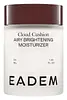
This barrier-repair moisturizer is formulated around Niacinamide and Ceramide NP to strengthen the skin barrier and hydrate skin.
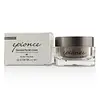
This moisturizer is formulated around Petrolatum and Carthamus Tinctorius Seed Oil to hydrate skin.

What's inside
What's inside
 Key Ingredients
Benefits
Concerns
Ingredients Side-by-side
Water
Skin ConditioningGlycerin
Humectant


Caprylic/Capric Triglyceride
Masking
Glyceryl Stearate Se
Emulsifying




Astrocaryum Vulgare Kernel Oil
Skin Conditioning
Cetearyl Alcohol
Emollient
Niacinamide
Smoothing









Orbignya Oleifera Seed Oil
Emollient
Squalane
Emollient
Methylpropanediol
SolventShorea Stenoptera Seed Butter
Emollient
Nigella Sativa Seed Oil
Emollient
Sodium Polyacrylate
Absorbent
Dimethicone
Emollient
Avena Sativa Bran Extract
Abrasive
Cetyl Alcohol
Emollient
Phenoxyethanol
Preservative
Ceteareth-20
Cleansing
Caprylyl Glycol
Emollient
Sodium Lauroyl Lactylate
EmulsifyingOryza Sativa Bran Extract
Skin Conditioning
Bisabolol
Antioxidant
Citrus Aurantium Dulcis Peel Extract
Emulsion Stabilising
Betaine
Humectant
Adenosine
Skin Conditioning
Sodium Phytate
ChelatingCeramide NP
Skin Conditioning
Helianthus Annuus Extract
Emollient
Ceramide AP
Skin Conditioning
Phytosphingosine
Skin Conditioning
Tremella Fuciformis Sporocarp Extract
Antioxidant
Cholesterol
Emollient
Tocopherol
Antioxidant
Rosmarinus Officinalis Leaf Extract
AntimicrobialXanthan Gum
EmulsifyingCarbomer
Emulsion StabilisingEthylhexylglycerin
Skin ConditioningTetrapeptide-30
Skin Conditioning
Potassium Sorbate
Preservative
Zingiber Officinale Root Extract
Masking
Ceramide EOP
Skin Conditioning
Water, Glycerin, Caprylic/Capric Triglyceride, Glyceryl Stearate Se, Astrocaryum Vulgare Kernel Oil, Cetearyl Alcohol, Niacinamide, Orbignya Oleifera Seed Oil, Squalane, Methylpropanediol, Shorea Stenoptera Seed Butter, Nigella Sativa Seed Oil, Sodium Polyacrylate, Dimethicone, Avena Sativa Bran Extract, Cetyl Alcohol, Phenoxyethanol, Ceteareth-20, Caprylyl Glycol, Sodium Lauroyl Lactylate, Oryza Sativa Bran Extract, Bisabolol, Citrus Aurantium Dulcis Peel Extract, Betaine, Adenosine, Sodium Phytate, Ceramide NP, Helianthus Annuus Extract, Ceramide AP, Phytosphingosine, Tremella Fuciformis Sporocarp Extract, Cholesterol, Tocopherol, Rosmarinus Officinalis Leaf Extract, Xanthan Gum, Carbomer, Ethylhexylglycerin, Tetrapeptide-30, Potassium Sorbate, Zingiber Officinale Root Extract, Ceramide EOP
Water
Skin ConditioningButylene Glycol
Humectant
Trisiloxane
Skin Conditioning
Petrolatum
Emollient
Limnanthes Alba Seed Oil
Skin Conditioning
Carthamus Tinctorius Seed Oil
Masking
C10-30 Cholesterol/Lanosterol Esters
Emulsifying
Glycerin
Humectant
PPG-2 Myristyl Ether Propionate
Emollient
Beeswax
Emulsion Stabilising
Olea Europaea Fruit Oil
Masking
C13-14 Isoparaffin
Emollient
Laureth-7
EmulsifyingPolyacrylamide
Glyceryl Stearate
Emollient
Malic Acid
Buffering
PEG-100 Stearate
Surfactant
Pyrus Malus Fruit Extract
Skin Conditioning
C12-15 Alkyl Benzoate
AntimicrobialCamphor
Masking

Caprylyl Glycol
Emollient
Cetearyl Alcohol
Emollient
Cetyl Alcohol
Emollient
Citral
Perfuming
Citrus Aurantium Dulcis Peel Oil
Masking
Citrus Limon Peel Oil
Masking
Cymbopogon Citratus Leaf Oil
Masking
Ethylene Brassylate
MaskingEthylhexylglycerin
Skin ConditioningHexylene Glycol
EmulsifyingLavandula Hybrida Oil
Emollient
Limonene
Perfuming
Linalool
Perfuming
Linalyl Acetate
Masking
Linum Usitatissimum Seed Oil
Perfuming
Litsea Cubeba Fruit Oil
Masking
Octanal
Perfuming
Persea Gratissima Oil
Skin Conditioning
Phenoxyethanol
Preservative
Phoenix Dactylifera Fruit Extract
EmollientPhytosphingosine
Skin Conditioning
Phytosterols
Skin Conditioning
Pinene
Masking
Polysorbate 60
Emulsifying
Quercetin
Antioxidant
Rosa Canina Fruit Oil
Emollient
Sodium Hyaluronate
Humectant
Sodium Hydroxide
BufferingWater, Butylene Glycol, Trisiloxane, Petrolatum, Limnanthes Alba Seed Oil, Carthamus Tinctorius Seed Oil, C10-30 Cholesterol/Lanosterol Esters, Glycerin, PPG-2 Myristyl Ether Propionate, Beeswax, Olea Europaea Fruit Oil, C13-14 Isoparaffin, Laureth-7, Polyacrylamide, Glyceryl Stearate, Malic Acid, PEG-100 Stearate, Pyrus Malus Fruit Extract, C12-15 Alkyl Benzoate, Camphor, Caprylyl Glycol, Cetearyl Alcohol, Cetyl Alcohol, Citral, Citrus Aurantium Dulcis Peel Oil, Citrus Limon Peel Oil, Cymbopogon Citratus Leaf Oil, Ethylene Brassylate, Ethylhexylglycerin, Hexylene Glycol, Lavandula Hybrida Oil, Limonene, Linalool, Linalyl Acetate, Linum Usitatissimum Seed Oil, Litsea Cubeba Fruit Oil, Octanal, Persea Gratissima Oil, Phenoxyethanol, Phoenix Dactylifera Fruit Extract, Phytosphingosine, Phytosterols, Pinene, Polysorbate 60, Quercetin, Rosa Canina Fruit Oil, Sodium Hyaluronate, Sodium Hydroxide
Ingredients Explained
These ingredients are found in both products.
Ingredients higher up in an ingredient list are typically present in a larger amount.
Caprylyl Glycol is a humectant, skin conditioner, emollient, and preservative booster derived from either caprylic acid or synthetically created.
Typical use levels vary from 0.3-1% as a preservative booster and go up to 2% to condition skin.
Because it is not a free-fatty acid, this ingredient is fungal acne safe (there's nothing for Malassezia to feed on).
Learn more about Caprylyl GlycolCetearyl alcohol is a waxy mixture of two fatty alcohols: cetyl alcohol and stearyl alcohol. It is an emollient and emulsifier.
Despite having "alcohol" in its name, it has nothing to do with drying solvent alcohols; the FDA also allows "alcohol-free" products to contain fatty alcohols like this ingredient.
It plays several roles in a formula:
Typical use levels for this ingredient sit around 1-10% and the Cosmetic Ingredient Review Expert Panel has affirmed safety at concentrations up to 25% in leave-on products.
Multiple assessments have found it to be non-irritating and non-sensitizing to most people.
However, there have been some cases of allergic contact dermatitis in patients with chronically compromised skin barriers.
Cetearyl alcohol has a comedogenic rating of 2 and irritancy rating of 1. Both of these numbers come from the 1989 study that used rabbit ears; a "2" means mildly comedogenic and a "1" means low irritancy.
Here's the catch: rabbit skin is more sensitive than human skin and throws a lot of false positives. A 1996 reappraisal found that ingredients rated 1-2 in the rabbit ear tests are generally safe for humans.
Remember comedogenic ratings are unable to assess the entire formula of a product or how it will react on your skin. Just be sure to patch test if you are unsure about certain ingredients.
This ingredient is not fungal acne safe. Cetearyl alcohol is a fatty alcohol with chain lengths that fall within the range that Malassezia can metabolize.
A 2019 study has also observed Malassezia growth in the presence of this ingredient, confirming it to be not-fungal acne safe.
Learn more about Cetearyl AlcoholCetyl Alcohol is a fatty alcohol. Fatty Alcohols are most often used as an emollient or to thicken a product.
Its main roles are:
Though it has "alcohol" in the name, it is not related to denatured alcohol or ethyl alcohol.
The FDA allows products labeled "alcohol-free" to have fatty alcohols.
This ingredient may not be fungal acne safe. It is a primary fatty alcohol with a chain length above 12 carbons. A study from 2019 show Malassezia can feed on fatty alcohols in this range, so it may trigger fungal acne in those prone to it.
Learn more about Cetyl AlcoholEthylhexylglycerin is created from glycerin. It is a multitasker ingredient that:
The CIR Expert Panel found minimal skin absorption or sensitization of any kind in a safety assessment. Though this ingredient is considered well-tolerated, a small number of cases of allergic dermatitis have been published since 2002. Just be sure to patch test if you are unsure.
Industry-reported use ranges from 8% in rinse-off products and 2% in leave-on formulations.
Learn more about EthylhexylglycerinGlycerin (or glycerol) is a compound naturally found in your skin. It's a powerhouse humectant that pulls water into the stratum corneum.
Topically, glycerin does several things at once:
Your skin makes glycerin on its own (mostly from sebaceous oil breakdown) and shuttles it to your outermost layer of skin, or your epidermis, via aquaporin-3.
Aquaporin-3 is a transporter that is essential for normal skin hydration, elasticity, and repair. Interestingly, mice lacking in AQP3 have dry and less elastic skin that can be fully corrected with glycerin.
This ingredient is non-irritating, plays well with almost every ingredient, and works across all skin types. Typical use is anywhere between 3-10% but can go up to 79% in some leave-on products.
Just know very high concentrations (>40%) can feel tacky in low humidity.
Glycerin is the name for this ingredient in American English. British English uses Glycerol/Glycerine.
Learn more about GlycerinPhenoxyethanol is one of the most widely used preservatives in skincare (and for good reason!).
It has a large spectrum of antimicrobial activity and especially effective bacteria, yeast, and mold while only having a weak effect on your skin's natural microbiome.
On a cellular level, it disrupts the cell membranes of microbes by poking holes that make the cell leak. This shuts down the chemical reactions the microbe needs to make energy so it can no longer survive.
Another perk of this ingredient is that it stays functional across a wide pH range (3-10).
You'll often see it paired with boosters like Ethylhexylglycerin; one study showed that a 1:9 ratio of Ethylhexylglycerin to Phenoxyethanol damages bacterial membranes as effectively as doubling the Phenoxyethanol concentration on its own.
Typical use concentrations range from 0.3-1% depending on the formula, and this ingredient is capped at 1% int the EU.
Safety-wise, the fear mongering does not hold up to the evidence. The EU's Scientific Committee on Consumer Safety and FDA consider it safe as a preservative at up to 1%, including for children of all ages.
Adverse systemic effects only showed up in animal studies at exposures roughly 200x higher than what people get from cosmetics. And despite its very widespread use, this ingredient is a rare sensitizer and allergic reactions are uncommon.
Learn more about PhenoxyethanolPhytosphingosine is a phospholipid naturally found in our skin as a building block for ceramides.. It helps moisturize, soothe, and protect skin.
Phytosphingosine contributes to your skin's natural moisturizing factor (NMF). The NMF is responsible for hydration, a strong barrier, and plasticity. Our NMF decreases with age. Increasing NMF leads to more healthy and hydrated skin.
Studies show products formulated with NMF ingredients help strengthen our skin's barrier. Having a healthy skin barrier reduces irritation and increases hydration. Our skin barrier is responsible for having plump and firm skin. It also helps protect our skin against infection, allergies, and inflammation.
Fun fact: Phytosphingosine is abundant in plants and fungi.
More ingredients that help boost collagen in skin:
Learn more about PhytosphingosineWater. It's the most common cosmetic ingredient of all. You'll usually see it at the top of ingredient lists, meaning that it makes up the largest part of the product.
So why is it so popular? Water most often acts as a solvent - this means that it helps dissolve other ingredients into the formulation.
You'll also recognize water as that liquid we all need to stay alive. If you see this, drink a glass of water. Remember to stay hydrated!
Learn more about Water

