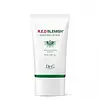
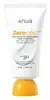
Dr.G Red Blemish Soothing Up Sun SPF50+ PA++++ Versus Anua Zero-Cast Moisturizing Finish Sunscreen SPF 50
This chemical sunscreen covers the full UV range and blocks ~98% of UVB at SPF 50.
This chemical sunscreen covers most of the UV range, lighter on the deep UVA that drives aging.

What's inside
What's inside
 Key Ingredients
Benefits
Concerns
Ingredients Side-by-side
Water
Skin ConditioningDibutyl Adipate
EmollientPropanediol
Solvent

Ethylhexyl Triazone
UV Absorber
Terephthalylidene Dicamphor Sulfonic Acid
UV Absorber
Niacinamide
Smoothing










Octyldodecanol
Emollient
Tromethamine
BufferingPolyglyceryl-3 Distearate
Emulsifying

Cetearyl Alcohol
Emollient



Panthenol
Skin Conditioning
1,2-Hexanediol
Skin Conditioning
Pentylene Glycol
Skin Conditioning
Polysilicone-15
UV Filter
Caprylyl Methicone
Skin Conditioning
Diethylamino Hydroxybenzoyl Hexyl Benzoate
UV Filter
Polymethylsilsesquioxane
Dimethicone/Vinyl Dimethicone Crosspolymer
Skin Conditioning
Glyceryl Stearate
Emollient
Bis-Ethylhexyloxyphenol Methoxyphenyl Triazine
UV Absorber
Potassium Cetyl Phosphate
EmulsifyingMethylpropanediol
SolventCarbomer
Emulsion StabilisingGlyceryl Stearate Citrate
Emollient
Acrylates/C10-30 Alkyl Acrylate Crosspolymer
Emulsion StabilisingButylene Glycol
Humectant
Silica
Abrasive
Ethylhexylglycerin
Skin ConditioningAmmonium Acryloyldimethyltaurate/Vp Copolymer
Adenosine
Skin Conditioning
Polyether-1
Echium Plantagineum Seed Oil
Skin Conditioning
Houttuynia Cordata Extract
Skin Conditioning
Morinda Citrifolia Fruit Extract
Skin Conditioning
Cardiospermum Halicacabum Flower/Leaf/Vine Extract
Skin ConditioningHelianthus Annuus Seed Oil Unsaponifiables
Emollient
Artemisia Princeps Leaf Extract
Skin ConditioningCynara Scolymus Leaf Extract
Skin ConditioningBiosaccharide Gum-1
Humectant
Tocopherol
Antioxidant

Centella Asiatica Leaf Extract
Skin Conditioning
Lactobacillus Ferment
Skin Conditioning
Yeast Ferment Extract
Skin ConditioningLeuconostoc/Radish Root Ferment Filtrate
Antimicrobial
Lactobacillus/Soybean Ferment Extract
Skin ConditioningNasturtium Officinale Extract
Perfuming
7-Dehydrocholesterol
Emulsion StabilisingEctoin
Skin Conditioning
Madecassoside
Antioxidant
Caesalpinia Spinosa Fruit Extract
Skin ProtectingKappaphycus Alvarezii Extract
Skin Conditioning
Centella Asiatica Extract
Cleansing
Borago Officinalis Extract
Emollient
Madecassic Acid
Skin Conditioning
Asiaticoside
Antioxidant
Pinus Pinaster Bark Extract
Antioxidant
Asiatic Acid
Skin Conditioning
Water, Dibutyl Adipate, Propanediol, Ethylhexyl Triazone, Terephthalylidene Dicamphor Sulfonic Acid, Niacinamide, Octyldodecanol, Tromethamine, Polyglyceryl-3 Distearate, Cetearyl Alcohol, Panthenol, 1,2-Hexanediol, Pentylene Glycol, Polysilicone-15, Caprylyl Methicone, Diethylamino Hydroxybenzoyl Hexyl Benzoate, Polymethylsilsesquioxane, Dimethicone/Vinyl Dimethicone Crosspolymer, Glyceryl Stearate, Bis-Ethylhexyloxyphenol Methoxyphenyl Triazine, Potassium Cetyl Phosphate, Methylpropanediol, Carbomer, Glyceryl Stearate Citrate, Acrylates/C10-30 Alkyl Acrylate Crosspolymer, Butylene Glycol, Silica, Ethylhexylglycerin, Ammonium Acryloyldimethyltaurate/Vp Copolymer, Adenosine, Polyether-1, Echium Plantagineum Seed Oil, Houttuynia Cordata Extract, Morinda Citrifolia Fruit Extract, Cardiospermum Halicacabum Flower/Leaf/Vine Extract, Helianthus Annuus Seed Oil Unsaponifiables, Artemisia Princeps Leaf Extract, Cynara Scolymus Leaf Extract, Biosaccharide Gum-1, Tocopherol, Centella Asiatica Leaf Extract, Lactobacillus Ferment, Yeast Ferment Extract, Leuconostoc/Radish Root Ferment Filtrate, Lactobacillus/Soybean Ferment Extract, Nasturtium Officinale Extract, 7-Dehydrocholesterol, Ectoin, Madecassoside, Caesalpinia Spinosa Fruit Extract, Kappaphycus Alvarezii Extract, Centella Asiatica Extract, Borago Officinalis Extract, Madecassic Acid, Asiaticoside, Pinus Pinaster Bark Extract, Asiatic Acid
Butyl Methoxydibenzoylmethane
UV Absorber
Homosalate
Skin Conditioning
Ethylhexyl Salicylate
UV Absorber
Octocrylene
UV Absorber
Water
Skin ConditioningButyloctyl Salicylate
Skin Conditioning
Glycerin
Humectant
Dimethicone
Emollient
Poly C10-30 Alkyl Acrylate
Emulsion StabilisingVp/Eicosene Copolymer
Cetearyl Alcohol
Emollient
Niacinamide
Smoothing
Sodium Stearoyl Glutamate
CleansingAmmonium Polyacryloyldimethyl Taurate
Emulsion StabilisingHydroxyacetophenone
Antioxidant
Phenoxyethanol
Preservative
Tocopheryl Acetate
Antioxidant
Panthenol
Skin Conditioning
Pentaerythrityl Tetra-Di-T-Butyl Hydroxyhydrocinnamate
Antioxidant
Xanthan Gum
Emulsifying1,2-Hexanediol
Skin Conditioning
Sodium Hyaluronate
Humectant
Butyl Methoxydibenzoylmethane, Homosalate, Ethylhexyl Salicylate, Octocrylene, Water, Butyloctyl Salicylate, Glycerin, Dimethicone, Poly C10-30 Alkyl Acrylate, Vp/Eicosene Copolymer, Cetearyl Alcohol, Niacinamide, Sodium Stearoyl Glutamate, Ammonium Polyacryloyldimethyl Taurate, Hydroxyacetophenone, Phenoxyethanol, Tocopheryl Acetate, Panthenol, Pentaerythrityl Tetra-Di-T-Butyl Hydroxyhydrocinnamate, Xanthan Gum, 1,2-Hexanediol, Sodium Hyaluronate
Reviews
Ingredients Explained
These ingredients are found in both products.
Ingredients higher up in an ingredient list are typically present in a larger amount.
1,2-Hexanediol is a synthetic liquid and another multi-functional powerhouse.
It is a:
- Humectant, drawing moisture into the skin
- Emollient, helping to soften skin
- Solvent, dispersing and stabilizing formulas
- Preservative booster, enhancing the antimicrobial activity of other preservatives
Cetearyl alcohol is a waxy mixture of two fatty alcohols: cetyl alcohol and stearyl alcohol. It is an emollient and emulsifier.
Despite having "alcohol" in its name, it has nothing to do with drying solvent alcohols; the FDA also allows "alcohol-free" products to contain fatty alcohols like this ingredient.
It plays several roles in a formula:
Typical use levels for this ingredient sit around 1-10% and the Cosmetic Ingredient Review Expert Panel has affirmed safety at concentrations up to 25% in leave-on products.
Multiple assessments have found it to be non-irritating and non-sensitizing to most people.
However, there have been some cases of allergic contact dermatitis in patients with chronically compromised skin barriers.
Cetearyl alcohol has a comedogenic rating of 2 and irritancy rating of 1. Both of these numbers come from the 1989 study that used rabbit ears; a "2" means mildly comedogenic and a "1" means low irritancy.
Here's the catch: rabbit skin is more sensitive than human skin and throws a lot of false positives. A 1996 reappraisal found that ingredients rated 1-2 in the rabbit ear tests are generally safe for humans.
Remember comedogenic ratings are unable to assess the entire formula of a product or how it will react on your skin. Just be sure to patch test if you are unsure about certain ingredients.
This ingredient is not fungal acne safe. Cetearyl alcohol is a fatty alcohol with chain lengths that fall within the range that Malassezia can metabolize.
A 2019 study has also observed Malassezia growth in the presence of this ingredient, confirming it to be not-fungal acne safe.
Learn more about Cetearyl AlcoholNiacinamide is a multitasking form of vitamin B3 that strengthens the skin barrier, reduces pores and dark spots, regulates oil, and improves signs of aging.
And the best part? It's gentle and well-tolerated by most skin types, including sensitive and reactive skin.
You might have heard of "niacin flush", or the reddening of skin that causes itchiness. Niacinamide has not been found to cause this.
In very rare cases, some individuals may not be able to tolerate niacinamide at all or experience an allergic reaction to it.
If you are experiencing flaking, irritation, and dryness with this ingredient, be sure to double check all your products as this ingredient can be found in all categories of skincare.
When incorporating niacinamide into your routine, look out for concentration amounts. Typically, 5% niacinamide provides benefits such as fading dark spots. However, if you have sensitive skin, it is better to begin with a smaller concentration.
When you apply niacinamide to your skin, your body converts it into nicotinamide adenine dinucleotide (NAD). NAD is an essential coenzyme that is already found in your cells as "fuel" and powers countless biological processes.
In your skin, NAD helps repair cell damage, produce new healthy cells, support collagen production, strengthen the skin barrier, and fight environmental stressors (like UV and pollution).
Our natural NAD levels start to decline with age, leading to slower skin repair, visible aging, and a weaker skin barrier. By providing your skin niacinamide, you're recharging your skin's NAD levels. This leads to stronger, healthier, and younger looking skin.
Another name for vitamin B3 is nicotinamide. This vitamin is water-soluble and our bodies don't store it. We obtain Vitamin B3 from either food or skincare. Meat, fish, wheat, yeast, and leafy greens contain vitamin B3.
The type of niacinamide used in skincare is synthetically created.
Learn more about NiacinamidePanthenol is a common ingredient that helps hydrate and soothe the skin. It is found naturally in our skin and hair.
There are two forms of panthenol: D and L.
D-panthenol is also known as dexpanthenol. Most cosmetics use dexpanthenol or a mixture of D and L-panthenol.
Panthenol is famous due to its ability to go deeper into the skin's layers. Using this ingredient has numerous pros (and no cons):
Like hyaluronic acid, panthenol is a humectant. Humectants are able to bind and hold large amounts of water to keep skin hydrated.
This ingredient works well for wound healing. It works by increasing tissue in the wound and helps close open wounds.
Once oxidized, panthenol converts to pantothenic acid. Panthothenic acid is found in all living cells.
This ingredient is also referred to as pro-vitamin B5.
Learn more about PanthenolWater. It's the most common cosmetic ingredient of all. You'll usually see it at the top of ingredient lists, meaning that it makes up the largest part of the product.
So why is it so popular? Water most often acts as a solvent - this means that it helps dissolve other ingredients into the formulation.
You'll also recognize water as that liquid we all need to stay alive. If you see this, drink a glass of water. Remember to stay hydrated!
Learn more about Water

