Dr. Denese SkinScience Advanced SPF 30 Defense Day Cream Versus Paula's Choice Defense Essential Glow Moisturizer SPF 30
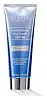
This barrier-repair day moisturizer is formulated around Sodium PCA and Sodium Hyaluronate to strengthen the skin barrier and hydrate skin.
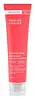
This brightening moisturizer is formulated around Glycyrrhiza Glabra Root Extract and Tetrapeptide-30 to brighten dull-looking skin and fade the look of dark spots.

What's inside
What's inside
 Key Ingredients
Benefits
Concerns
Ingredients Side-by-side
Water
Skin ConditioningDimethicone
Emollient

Octyldodecyl Neopentanoate
EmollientCyclopentasiloxane
Emollient
Coconut Alkanes
Emollient


PEG-10 Dimethicone
Skin Conditioning
Montmorillonite
AbsorbentButylene Glycol
Humectant

Polymethylsilsesquioxane
Dimethicone/Vinyl Dimethicone Crosspolymer
Skin Conditioning
Dimethicone Crosspolymer
Emulsion Stabilising
Bis-Diglyceryl Polyacyladipate-2
Emollient

Sodium PCA
Humectant
Sodium Hyaluronate
Humectant


Hydrolyzed Hyaluronic Acid
Humectant
Sodium Lactate
Buffering
Arginine
Masking
Aspartic Acid
Masking
PCA
Humectant
Phospholipids
Skin Conditioning
Melanin
Skin ProtectingTriethoxycaprylylsilane
Glycine
Buffering
Alanine
Masking
Serine
Masking
Pentylene Glycol
Skin Conditioning
Valine
MaskingProline
Skin Conditioning
Threonine
Isoleucine
Skin ConditioningLeuconostoc/Radish Root Ferment Filtrate
Antimicrobial
Retinyl Palmitate
Skin Conditioning


Ascorbyl Palmitate
Antioxidant

Tocopheryl Acetate
Antioxidant
Pantothenic Acid
Skin ConditioningHistidine
Humectant
Phenylalanine
Masking
Polysilicone-11

Sodium Chloride
MaskingCoco-Caprylate/Caprate
Emollient
Disteardimonium Hectorite
StabilisingGlyceryl Laurate
Emollient
PEG/PPG-18/18 Dimethicone
Emulsifying
Polyhydroxystearic Acid
Emulsifying
Cetyl PEG/PPG-10/1 Dimethicone
Emulsifying
Xanthan Gum
EmulsifyingDipotassium Glycyrrhizate
Humectant
Silica
Abrasive

Disodium EDTA
ChelatingPhenoxyethanol
Preservative
Ethylhexylglycerin
Skin ConditioningCI 77492
Cosmetic ColorantCI 77491
Cosmetic ColorantCI 77499
Cosmetic ColorantWater, Dimethicone, Octyldodecyl Neopentanoate, Cyclopentasiloxane, Coconut Alkanes, PEG-10 Dimethicone, Montmorillonite, Butylene Glycol, Polymethylsilsesquioxane, Dimethicone/Vinyl Dimethicone Crosspolymer, Dimethicone Crosspolymer, Bis-Diglyceryl Polyacyladipate-2, Sodium PCA, Sodium Hyaluronate, Hydrolyzed Hyaluronic Acid, Sodium Lactate, Arginine, Aspartic Acid, PCA, Phospholipids, Melanin, Triethoxycaprylylsilane, Glycine, Alanine, Serine, Pentylene Glycol, Valine, Proline, Threonine, Isoleucine, Leuconostoc/Radish Root Ferment Filtrate, Retinyl Palmitate, Ascorbyl Palmitate, Tocopheryl Acetate, Pantothenic Acid, Histidine, Phenylalanine, Polysilicone-11, Sodium Chloride, Coco-Caprylate/Caprate, Disteardimonium Hectorite, Glyceryl Laurate, PEG/PPG-18/18 Dimethicone, Polyhydroxystearic Acid, Cetyl PEG/PPG-10/1 Dimethicone, Xanthan Gum, Dipotassium Glycyrrhizate, Silica, Disodium EDTA, Phenoxyethanol, Ethylhexylglycerin, CI 77492, CI 77491, CI 77499
Water
Skin ConditioningC12-15 Alkyl Benzoate
AntimicrobialZinc Oxide
Cosmetic Colorant

Titanium Dioxide
Cosmetic Colorant
Glycerin
Humectant
Isononyl Isononanoate
EmollientButylene Glycol
Humectant
Cetearyl Alcohol
Emollient

Potassium Cetyl Phosphate
EmulsifyingDimethicone
Emollient
Glyceryl Stearate
Emollient
Glycyrrhiza Glabra Root Extract
Bleaching
Actinidia Chinensis Fruit Extract
EmollientArgania Spinosa Kernel Oil
Emollient
Tetrapeptide-30
Skin Conditioning
Linoleic Acid
Cleansing
Resveratrol
Antioxidant
Ascorbyl Glucoside
Antioxidant
Niacinamide
Smoothing


Tocopheryl Acetate
Antioxidant
Magnesium Ascorbyl Phosphate
Antioxidant
Bisabolol
Antioxidant
Tocopherol
Antioxidant
Phospholipids
Skin Conditioning
Lecithin
Emollient
Glycine Soja Sterols
Emollient
Xanthophylls
Skin ConditioningPullulan
Sodium Gluconate
ChelatingXanthan Gum
EmulsifyingSclerotium Gum
Emulsion StabilisingAlumina
Abrasive
Caprylic/Capric Triglyceride
Masking
Citric Acid
Buffering
Triethoxycaprylylsilane
C13-14 Isoparaffin
Emollient
Acrylates Copolymer
Polyhydroxystearic Acid
Emulsifying
Caprylyl Glycol
Emollient
Polyacrylamide
Ceteareth-20
Cleansing
Aluminum Stearate
Cosmetic ColorantLaureth-7
EmulsifyingEthylhexylglycerin
Skin ConditioningPhenoxyethanol
Preservative
Water, C12-15 Alkyl Benzoate, Zinc Oxide, Titanium Dioxide, Glycerin, Isononyl Isononanoate, Butylene Glycol, Cetearyl Alcohol, Potassium Cetyl Phosphate, Dimethicone, Glyceryl Stearate, Glycyrrhiza Glabra Root Extract, Actinidia Chinensis Fruit Extract, Argania Spinosa Kernel Oil, Tetrapeptide-30, Linoleic Acid, Resveratrol, Ascorbyl Glucoside, Niacinamide, Tocopheryl Acetate, Magnesium Ascorbyl Phosphate, Bisabolol, Tocopherol, Phospholipids, Lecithin, Glycine Soja Sterols, Xanthophylls, Pullulan, Sodium Gluconate, Xanthan Gum, Sclerotium Gum, Alumina, Caprylic/Capric Triglyceride, Citric Acid, Triethoxycaprylylsilane, C13-14 Isoparaffin, Acrylates Copolymer, Polyhydroxystearic Acid, Caprylyl Glycol, Polyacrylamide, Ceteareth-20, Aluminum Stearate, Laureth-7, Ethylhexylglycerin, Phenoxyethanol
Reviews
Ingredients Explained
These ingredients are found in both products.
Ingredients higher up in an ingredient list are typically present in a larger amount.
Butylene Glycol (or BG) is used within cosmetic products for a few different reasons:
Overall, Butylene Glycol is a safe and well-rounded ingredient that works well with other ingredients.
Though this ingredient works well with most skin types, some people with sensitive skin may experience a reaction such as allergic rashes, closed comedones, or itchiness.
Learn more about Butylene GlycolDimethicone is a type of synthetic silicone created from natural materials such as quartz. It is also known as polydimethylsiloxane.
What it does:
Dimethicone comes in different viscosities:
Depending on the viscosity, dimethicone has different properties.
Ingredients lists don't always show which type is used, so we recommend reaching out to the brand if you have questions about the viscosity.
This ingredient is unlikely to cause irritation because it does not get absorbed into skin. However, people with silicone allergies should be careful about using this ingredient.
Note: Dimethicone may contribute to pilling. This is because it is not oil or water soluble, so pilling may occur when layered with products. When mixed with heavy oils in a formula, the outcome is also quite greasy.
Learn more about DimethiconeEthylhexylglycerin is created from glycerin. It is a multitasker ingredient that:
The CIR Expert Panel found minimal skin absorption or sensitization of any kind in a safety assessment. Though this ingredient is considered well-tolerated, a small number of cases of allergic dermatitis have been published since 2002. Just be sure to patch test if you are unsure.
Industry-reported use ranges from 8% in rinse-off products and 2% in leave-on formulations.
Learn more about EthylhexylglycerinPhenoxyethanol is one of the most widely used preservatives in skincare (and for good reason!).
It has a large spectrum of antimicrobial activity and especially effective bacteria, yeast, and mold while only having a weak effect on your skin's natural microbiome.
On a cellular level, it disrupts the cell membranes of microbes by poking holes that make the cell leak. This shuts down the chemical reactions the microbe needs to make energy so it can no longer survive.
Another perk of this ingredient is that it stays functional across a wide pH range (3-10).
You'll often see it paired with boosters like Ethylhexylglycerin; one study showed that a 1:9 ratio of Ethylhexylglycerin to Phenoxyethanol damages bacterial membranes as effectively as doubling the Phenoxyethanol concentration on its own.
Typical use concentrations range from 0.3-1% depending on the formula, and this ingredient is capped at 1% int the EU.
Safety-wise, the fear mongering does not hold up to the evidence. The EU's Scientific Committee on Consumer Safety and FDA consider it safe as a preservative at up to 1%, including for children of all ages.
Adverse systemic effects only showed up in animal studies at exposures roughly 200x higher than what people get from cosmetics. And despite its very widespread use, this ingredient is a rare sensitizer and allergic reactions are uncommon.
Learn more about PhenoxyethanolPhospholipids are a family of skin-identical lipids that makeup the structural backbone of every cell membrane in your body.
In cosmetics, they function as skin conditioning agents with emulsifier and surfactant properties. They're typically sourced from soybean or sunflower lecithin (or sometimes egg yolk or marine sources).
Because they mirror the lipids naturally found in the deeper layers of your skin, topical phospholipids help reinforce the lipid matrix, reduce transepidermal water loss, and leave skin feeling conditioned.
They're also used to form liposomes, or tiny self-assembling vesible used to stabilize actives like vitamin c or retinol. This helps these ingredients integrate into the upper layers of skin more easily.
Phospholipids are compatible with everything and the CIR Expert Panel has concluded them to be safe at current use levels.
Some types of phospholipids include:
Learn more about PhospholipidsPolyhydroxystearic Acid is a vegetable-derived soft wax made from castor oil. It's an emulsion stabilizer, thickener, and film former.
You'll likely see it in sunscreens because it helps disperse pigments and UV-reflecting minerals like titanium dioxide and zinc oxide evenly.
Depending on the concentration, it can drastically change the texture of a product from pasty solid (like lipstick) to sprayable liquid.
The CIR Expert Panel for Cosmetic Ingredient Safety has concluded this ingredient to be safe in cosmetics. The highest reported use concentration is 14.2% in lipsticks.
Learn more about Polyhydroxystearic AcidTocopheryl Acetate is a stable, shelf-friendly form of vitamin E.
Formulators love it because plain vitamin E oxidizes quickly once it hits air. This acetate version stays stable and resists going off, helping to extend a product's shelf life.
It's actually inactive on its own and works like a slow-release "storage" form; the enzymes in your skin called esterases gradually convert it into active vitamin E over time.
One in vivo study showed 5% of the acetate in the living layer of the epidermis converted to vitamin E after 5 days of application. This study also found the skin gained protection against UV damage even though the conversion was slow and small.
Once converted, vitamin E acts as a skin's main fat-soluble antioxidant that fights free radicals to protect skin from damage.
Topical vitamin E generally boosts the skin's photoprotection, and it reduced UV-damage in animal models.
This ingredient has some brightening potential but it's more of a prevention ingredient than spot-fader. Cell studies show it can slow down melanin production but it's worth noting that it's not the most powerful brightener out there.
Overall, it has a pretty solid safety profile and has been found to be non-irritating and non-comedogenic. Allergic reactions may happen but stay rare due to how widely the ingredient gets used.
The concentration will vary depending on the formula; industry data shows 0.1% in baby lotions, 3% in lipsticks, and 5% in foot powders. You can also find this ingredient at 100% in a pure vitamin E oil.
Most leave-on skincare keeps it at the lower end, often between 0.5-1%.
Learn more about Tocopheryl AcetateTriethoxycaprylylsilane is a silicon-based surface modifier that makes sunscreens feel silky and makeup stay put.
Its main job is to coat mineral particles like titanium dioxide, zinc oxide, and color pigments in a thin, oily layer so they spread smoothly, don't clump, and stick to skin better.
This ingredient is typically used at low levels (up to 2.5% in eyeshadow and 1% in lipstick).
Learn more about TriethoxycaprylylsilaneWater. It's the most common cosmetic ingredient of all. You'll usually see it at the top of ingredient lists, meaning that it makes up the largest part of the product.
So why is it so popular? Water most often acts as a solvent - this means that it helps dissolve other ingredients into the formulation.
You'll also recognize water as that liquid we all need to stay alive. If you see this, drink a glass of water. Remember to stay hydrated!
Learn more about WaterXanthan gum is used as a stabilizer and thickener within cosmetic products. It helps give products a sticky, thick feeling - preventing them from being too runny.
On the technical side of things, xanthan gum is a polysaccharide - a combination consisting of multiple sugar molecules bonded together.
Xanthan gum is a pretty common and great ingredient. It is a natural, non-toxic, non-irritating ingredient that is also commonly used in food products.
Learn more about Xanthan Gum

