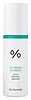
This calming moisturizer is formulated around Centella Asiatica Extract and Madecassoside to calm redness and strengthen the skin barrier.
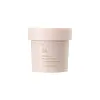
This hydrating overnight mask is formulated around Niacinamide and Camellia Sinensis Leaf Extract to hydrate skin and strengthen the skin barrier.

What's inside
What's inside
 Key Ingredients
Benefits
Concerns
Ingredients Side-by-side
Water
Skin ConditioningGlycerin
Humectant


Caprylic/Capric Triglyceride
Masking
Butyrospermum Parkii Butter
Skin Conditioning




1,2-Hexanediol
Skin Conditioning
Polyglyceryl-3 Methylglucose Distearate
Emulsifying
Dicaprylyl Carbonate
EmollientGlyceryl Stearate Se
Emulsifying
Behenyl Alcohol
Emollient
Centella Asiatica Extract
Cleansing



Carbomer
Emulsion StabilisingTromethamine
BufferingSodium Stearoyl Glutamate
CleansingEthylhexylglycerin
Skin ConditioningMicrocrystalline Cellulose
AbsorbentAdenosine
Skin Conditioning
Disodium EDTA
ChelatingCellulose Gum
Emulsion StabilisingMadecassoside
Antioxidant
Beta-Glucan
Skin Conditioning
Actinidia Arguta Fruit Extract
Skin ConditioningTocopherol
Antioxidant


Water, Glycerin, Caprylic/Capric Triglyceride, Butyrospermum Parkii Butter, 1,2-Hexanediol, Polyglyceryl-3 Methylglucose Distearate, Dicaprylyl Carbonate, Glyceryl Stearate Se, Behenyl Alcohol, Centella Asiatica Extract, Carbomer, Tromethamine, Sodium Stearoyl Glutamate, Ethylhexylglycerin, Microcrystalline Cellulose, Adenosine, Disodium EDTA, Cellulose Gum, Madecassoside, Beta-Glucan, Actinidia Arguta Fruit Extract, Tocopherol
Water
Skin ConditioningGlycerin
Humectant
Butyrospermum Parkii Butter
Skin Conditioning
Cocos Nucifera Oil
Masking

Ethylhexyl Palmitate
Emollient
Coco-Caprylate/Caprate
Emollient
Butylene Glycol
Humectant
Cetearyl Alcohol
Emollient
Hydrogenated Poly(C6-14 Olefin)
EmollientMacadamia Integrifolia Seed Oil
Skin Conditioning
Niacinamide
Smoothing



Arachidyl Alcohol
Emollient
Methylpropanediol
SolventPolyglyceryl-3 Distearate
Emulsifying
1,2-Hexanediol
Skin Conditioning
Behenyl Alcohol
Emollient
Hydroxyethyl Acrylate/Sodium Acryloyldimethyl Taurate Copolymer
Emulsion StabilisingHydroxyacetophenone
Antioxidant
Silica
Abrasive
Squalane
Emollient
Polyglyceryl-10 Laurate
Skin Conditioning
Olea Europaea Fruit Oil
Masking
Sodium Stearoyl Glutamate
CleansingArachidyl Glucoside
EmulsifyingGlyceryl Stearate
Emollient
Jojoba Esters
Emollient
Camellia Sinensis Leaf Extract
Antimicrobial
Saccharomyces Ferment Filtrate
Humectant
Carbomer
Emulsion StabilisingHelianthus Annuus Seed Wax
Skin Conditioning
Tromethamine
BufferingCamellia Sinensis Leaf Water
Masking
Dipropylene Glycol
HumectantEclipta Prostrata Leaf Extract
Skin ConditioningGlyceryl Stearate Citrate
Emollient
Laminaria Japonica Extract
Skin Protecting
Hydrogenated Olive Oil Unsaponifiables
Emollient
Adenosine
Skin Conditioning
Dextrin
AbsorbentTheobroma Cacao Seed Extract
Antioxidant
Sorbitan Isostearate
Emulsifying
Disodium EDTA
ChelatingAbies Sibirica Oil
Masking

Sodium Laurate
CleansingBakuchiol
Antimicrobial
Fructooligosaccharides
Humectant
Helianthus Annuus Seed Oil Unsaponifiables
Emollient
Hydrogenated Lecithin
Emulsifying
Polyglycerin-3
Humectant
Beta-Glucan
Skin Conditioning
Lauric Acid
Cleansing
Rosmarinus Officinalis Leaf Oil
Masking
Salvia Sclarea Oil
Masking
Centella Asiatica Extract
Cleansing
Ficus Carica Fruit Extract
Humectant
Glucose
Humectant
Pelargonium Graveolens Flower Oil
Masking
Schisandra Chinensis Fruit Extract
Skin Conditioning
Hydrolyzed Hyaluronic Acid
Humectant
Eugenia Caryophyllus Leaf Oil
Masking
Tocopherol
Antioxidant
Anthemis Nobilis Flower Oil
Masking
Ceramide NP
Skin Conditioning
Chamomilla Recutita Flower Oil
Masking
Juniperus Mexicana Oil
Masking
Pogostemon Cablin Leaf Oil
Masking
Water, Glycerin, Butyrospermum Parkii Butter, Cocos Nucifera Oil, Ethylhexyl Palmitate, Coco-Caprylate/Caprate, Butylene Glycol, Cetearyl Alcohol, Hydrogenated Poly(C6-14 Olefin), Macadamia Integrifolia Seed Oil, Niacinamide, Arachidyl Alcohol, Methylpropanediol, Polyglyceryl-3 Distearate, 1,2-Hexanediol, Behenyl Alcohol, Hydroxyethyl Acrylate/Sodium Acryloyldimethyl Taurate Copolymer, Hydroxyacetophenone, Silica, Squalane, Polyglyceryl-10 Laurate, Olea Europaea Fruit Oil, Sodium Stearoyl Glutamate, Arachidyl Glucoside, Glyceryl Stearate, Jojoba Esters, Camellia Sinensis Leaf Extract, Saccharomyces Ferment Filtrate, Carbomer, Helianthus Annuus Seed Wax, Tromethamine, Camellia Sinensis Leaf Water, Dipropylene Glycol, Eclipta Prostrata Leaf Extract, Glyceryl Stearate Citrate, Laminaria Japonica Extract, Hydrogenated Olive Oil Unsaponifiables, Adenosine, Dextrin, Theobroma Cacao Seed Extract, Sorbitan Isostearate, Disodium EDTA, Abies Sibirica Oil, Sodium Laurate, Bakuchiol, Fructooligosaccharides, Helianthus Annuus Seed Oil Unsaponifiables, Hydrogenated Lecithin, Polyglycerin-3, Beta-Glucan, Lauric Acid, Rosmarinus Officinalis Leaf Oil, Salvia Sclarea Oil, Centella Asiatica Extract, Ficus Carica Fruit Extract, Glucose, Pelargonium Graveolens Flower Oil, Schisandra Chinensis Fruit Extract, Hydrolyzed Hyaluronic Acid, Eugenia Caryophyllus Leaf Oil, Tocopherol, Anthemis Nobilis Flower Oil, Ceramide NP, Chamomilla Recutita Flower Oil, Juniperus Mexicana Oil, Pogostemon Cablin Leaf Oil
Ingredients Explained
These ingredients are found in both products.
Ingredients higher up in an ingredient list are typically present in a larger amount.
1,2-Hexanediol is a synthetic liquid and another multi-functional powerhouse.
It is a:
- Humectant, drawing moisture into the skin
- Emollient, helping to soften skin
- Solvent, dispersing and stabilizing formulas
- Preservative booster, enhancing the antimicrobial activity of other preservatives
Adenosine is a purine nucleoside that your body already makes in every cell. In skincare, it acts mainly as a skin conditioning and anti-aging agent.
The way it works is fairly well mapped out:
Your skin has cells called fibroblasts that build collagen (the stuff that keeps skin firm and smooth). Adenosine basically flips a switch on these cells that tells them to get to work making more collagen and other proteins. These cells slow down on their own as skin ages, so Adenosine helps give them a little nudge to keep going.
The clinical backing is pretty solid too.
A blind, randomized, placebo-controlled trial of 126 women aged 45-65 tested a 0.1% cream twice daily and found real improvements in crow's feet and frown lines using a precise 3D skin-mapping technique; these changes showed up by week 3 and held at 2 months.
A later study using Adenosine-loaded dissolving microneedle patches reported gains in wrinkle depth, dermal density, elasticity, and hydration.
On concentrations, South Korea's Ministry of Food and Drug Safety has set 0.04% as the approved functional anti-wrinkle level. You'll typically see this ingredient used somewhere in the 0.04-0.1% range since it works at low doses.
This ingredient has been found safe for cosmetics with the data showing no irritation or sensitization.
Overall, this is a great ingredient for any anti-aging routine and has no photosensitizing effect, so it suits both AM and PM use.
Learn more about AdenosineBehenyl Alcohol is a type of fatty alcohol (these are different from the drying, solvent alcohols).
Fatty Alcohols have hydrating properties and are most often used as an emollient or to thicken a product. They are usually derived from natural fats and oils; behenyl alcohol is derived from the fats of vegetable oils.
Emollients help keep your skin soft and hydrated by creating a film that traps moisture in.
In 2000, Behenyl Alcohol was approved by the US as medicine to reduce the duration of cold sores.
Learn more about Behenyl AlcoholBeta-Glucan is a soluble polysaccharide (a chain of glucose sugars) sourced from the cells walls of oats, baker's yeast, mushrooms, and seaweed.
It's a rare ingredient that pulls double-duty as a heavy-duty hydrator and skin-soothing repair agent.
On the surface, it acts as a humectant that holds water in place and reduces moisture loss for a plumper, smoother feel, while its anti-inflammatory and antioxidant properties make it a great pick for calming redness or sensitive skin
The more interesting story is underneath:
Despite its large molecular size, oat beta-glucan has been shown to penetrate the epidermis and reach the dermis by slipping between skin cells. Here, it interacts with fibroblasts and macrophages to nudge collagen synthesis and support wound repair.
A small 2005 split-face clinical study of 27 subjects found topical beta-glucan produced measurable reductions in wrinkle depth, height, and roughness after 8 weeks of use.
It is worth noting the trial was small and the penetration testing used frozen, irradiated skin so the anti-aging data is encouraging rather than definitive.
This ingredient gets along with pretty much everything and is typically used around 0.1-1%.
Fungal acne: This ingredient is not a food source for the Malassezia yeast because it is a glucose polysaccharide with no fatty acid or ester component.
Learn more about Beta-GlucanThis ingredient is also known as shea butter. It is a plant-derived extract from the nuts of the Africa shea tree and one of the most well-studied emollients.
Because it has a high concentration of fatty acids (primarily oleic, stearic, and linoleic) it is able to form a protective barrier on the skin's surface. This helps seal in moisture and prevents transepidermal water loss (TEWL).
In vitro research found an increase in skin hydration by 58% and a decrease in TEWL by 37.8% after 24 hours of applying this ingredient (pretty impressive for a single ingredient!).
Besides hydration, shea butter also contains triterpenes that have anti-inflammatory potential. In particule, lupeol cinnamate has shown the highest anti-inflammatory activity in vivo.
Shea butter also contains vitamins A and E which may contribute to antioxidant activity.
While Shea Butter has an SPF rating of about 3-4, it is not a sunscreen replacement.
This ingredient may not be fungal acne safe because its fatty acids fall within the C11-C24 range that the Malassezia yeast can metabolize.
This ingredient shows up on a lot of "pore-clogging" lists but there's no real evidence behind that. It doesn't even have a comedogenic rating from an actual study; the numbers you'll find online come from blogs citing other blogs.
Ratings for other ingredients mostly come from a 1980s rabbit ear test. This test doesn't translate well to human skin or to real products because the ingredient sits at a much lower percentage.
Some people still find it breaks them out. So if that's you, definitely trust your skin. Just know this one's based on experience and not evidence.
Learn more about Butyrospermum Parkii ButterCarbomer is a synthetic thickening and gelling agent. It's basically the ingredient that gives a lot of serums, gels, creams, and sunscreens their smooth, non-sticky texture.
Although legally permitted at very high levels, carbomers are normally used at concentrations below 1%.
It also needs to be neutralized to actually thicken, and because it is a large molecule, it doesn't really penetrate the skin barrier.
Allergy-wise, the risk is very low. Clinical studies show carbomers have low potential for skin irritation/sensitization even at concentrations up to 100%.
A 2024 UK study patch-tested 1,302 patients and found true allergy to the parent group of carbomer to be rare with no confirmed relevant reactions.
Learn more about CarbomerCentella Asiatica Extract (Centella) is one of the most researched botanical extracts in skincare with decades of studies backing its effects on inflammation, collagen, and the skin barrier.
That research keeps pointing back to the same four triterpenoid saponins: Asiaticoside, Madecassoside, Asiatic Acid, and Madecassic Acid.
These compounds allow centella to dial back inflammation, encourage the skin to build and hold onto collagen, support the barrier and hydration, and bring solid antioxidant activity to protect against signs of aging.
Centella also carries a nice supporting cast of Vitamin A, vitamin C, several B vitamins, and amino acids. Put it all together and you get an ingredient that soothes, hydrates, and protects, all at once.
Most of centella's magic comes from the four big compounds (Asiaticoside, Madecassoside, Asiatic Acid, and Madecassic Acid). These are the actives doing the heavy lifting in almost every centella study.
Here is the short version of what they do in the skin:
So it is not just soothing for the sake of soothing. Centella calms the skin AND helps it rebuild.
Just FYI, not all centella on an ingredient list is the same. What you are getting actually depends on the extract:
Fun fact on the ratios: the leaves tend to be richest in Madecassoside and Asiaticoside, and lower in the two acids. The exact amounts shift with where the plant is grown and how it is processed. This means purity really does vary brand to brand.
Centella is one of the most easygoing actives out there.
It layers well with basically everything: niacinamide, hyaluronic acid, peptides, and vitamin C, and also pairs nicely with stronger actives like retinoids and exfoliating acids where it can help take the edge off irritation.
On the safety side, centella and its triterpenes are classified as weak sensitizers, meaning allergic reactions are possible but uncommon.
Patch tests at 1% and 5% came back negative in test panels, and creams at typical use levels did not cause allergic reactions across large groups of people.
But as with any new active, a patch test is still a smart move for very reactive skin.
Centella is widely used because it is effective at low percentages. For context, human safety testing found no meaningful irritation from creams containing centella extract at everyday use levels (the tested amounts were well under 1%).
The irritancy threshold in animal testing was also above 30% (so real-world formulas sit far below anything concerning).
In collagen lab studies, higher concentrations drove more collagen synthesis, so serums built around centella tend to feature it more prominently.
Bottom line: you will find centella working nicely anywhere from a fraction of a percent up to hero-ingredient levels depending on whether it is a supporting soother or the main event.
Fun fact: Centella has been used as a medicine and in food for many centuries. As a medicine, it is used to treat burns, scratches, and wounds.
Learn more about Centella Asiatica ExtractDisodium EDTA is a chelating agent. It grabs onto and deactivates metal ions that sneak into your products from water, packaging, or air.
This ingredient mainly works behind the scenes and helps with:
On top of that, this ingredient can counteract the effects of hard water by binding to the minerals in it.
One thing worth knowing is that Disodium EDTA has been shown to be a mild penetration enhancer. It can help other ingredients absorb into skin more effectively which can be a double-edged sword (great for actives, but can also make the active too strong if you have sensitive skin).
Clinical patch testing showed no significant skin irritation at typical use concentrations and minimal dermal absorption.
You'll most likely see this ingredient near the end of an ingredient list. It's typically found in concentrations less than 1%.
Learn more about Disodium EDTAGlycerin (or glycerol) is a compound naturally found in your skin. It's a powerhouse humectant that pulls water into the stratum corneum.
Topically, glycerin does several things at once:
Your skin makes glycerin on its own (mostly from sebaceous oil breakdown) and shuttles it to your outermost layer of skin, or your epidermis, via aquaporin-3.
Aquaporin-3 is a transporter that is essential for normal skin hydration, elasticity, and repair. Interestingly, mice lacking in AQP3 have dry and less elastic skin that can be fully corrected with glycerin.
This ingredient is non-irritating, plays well with almost every ingredient, and works across all skin types. Typical use is anywhere between 3-10% but can go up to 79% in some leave-on products.
Just know very high concentrations (>40%) can feel tacky in low humidity.
Glycerin is the name for this ingredient in American English. British English uses Glycerol/Glycerine.
Learn more about GlycerinSodium Stearoyl Glutamate is an amino-acid based emulsifier. It is made by combining stearic acid with L-glutamic acid and neutralizing it to a sodium salt.
As an emulsifier, it works mainly as an oil-in-water one and helps keep the oil and water in your formulas blended. It also contributes to a smooth, non-greasy skin feel.
This ingredient is biodegradable and commonly available in natural/COSMOS-certified grades.
Learn more about Sodium Stearoyl GlutamateTocopherol is a fat-soluble antioxidant known as Vitamin E.
You'll find this ingredient in the vast majority of skincare (for good reason). It works to neutralize free radicals, or unstable molecules generated by UV exposure, pollution, and other environmental stressors, before they can cause oxidative damage to your skin cells.
Topically applied tocopherol has been shown to protect against UV damage by ramping up the skin's own natural defense enzymes.
It also acts as a skin conditioning agent; some studies show that regular topical use can improve the skin's water-binding capacity over 2-4 weeks.
This ingredient is especially loved for being a team player. When combined with Vitamin C, the photoprotective effect of both ingredients roughly doubles and the combo also helps reduce UV-induced DNA damage.
This ingredient has some brightening potential but it's more of a prevention ingredient than spot-fader. Cell studies show it can slow down melanin production but it's worth noting that it's not the most powerful brightener out there.
In formulations, it also serves as a stabilizer that helps protect other oxidation-prone ingredients from degrading.
Concentrations usually range from 0.1-1% in most leave-on products.
Learn more about TocopherolTromethamine (aka THAM) is a synthetic amino acid that shows up in skincare as a helper ingredient.
It functions as a pH adjuster to help neutralize acidic ingredients and set a formula's pH to the right spot.
This matters a lot because a lot of actives (like vitamin C) needs a specific pH to work well and feel comfortable on skin.
Concentration use ranges from 0.1-1.0% depending on the formula.
Learn more about TromethamineWater. It's the most common cosmetic ingredient of all. You'll usually see it at the top of ingredient lists, meaning that it makes up the largest part of the product.
So why is it so popular? Water most often acts as a solvent - this means that it helps dissolve other ingredients into the formulation.
You'll also recognize water as that liquid we all need to stay alive. If you see this, drink a glass of water. Remember to stay hydrated!
Learn more about Water

