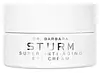
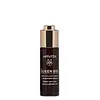
Dr. Barbara Sturm Super Anti-Aging Eye Cream Versus Apivita Natural Cosmetics Queen Bee Absolute Anti-Aging & Redefining Serum
This anti-aging eye moisturizer is formulated around Panax Ginseng Root Extract and Ceramide NP to soften the look of wrinkles and hydrate skin.
This anti-aging serum is formulated around Squalane and Royal Jelly to soften the look of wrinkles and strengthen the skin barrier.


What's inside
What's inside
 Key Ingredients
Benefits
Concerns
Ingredients Side-by-side
Water
Skin ConditioningHelianthus Annuus Seed Oil
Emollient



Glycerin
Humectant

Potassium Cetyl Phosphate
EmulsifyingOctyldodecanol
Emollient
Cetyl Alcohol
Emollient
Coco-Caprylate
Emollient
Prunus Amygdalus Dulcis Oil
Skin Conditioning

Lactobacillus/Portulaca Oleracea Ferment Extract
Antioxidant
Hydrogenated Palm Glycerides
Emollient
Acacia Senegal Gum
MaskingFructose
Humectant
Brassica Campestris Sterols
EmollientCaprylic/Capric Triglyceride
Masking
Prunus Armeniaca Kernel Oil
Masking
Mangifera Indica Seed Oil
Emollient
Albizia Julibrissin Bark Extract
MaskingAesculus Hippocastanum Extract
Antioxidant
Panax Ginseng Root Extract
Emollient

Hydrolyzed Algin
Sodium Hyaluronate
Humectant

Leuconostoc/Radish Root Ferment Filtrate
Antimicrobial
Ceramide NP
Skin Conditioning
Darutoside
Skin ConditioningPanthenol
Skin Conditioning
Butylene Glycol
Humectant
Maris Aqua
HumectantHydrogenated Lecithin
Emulsifying
Pentylene Glycol
Skin Conditioning
Hydrolyzed Rhizobian Gum
Xanthan Gum
EmulsifyingEthylhexylglycerin
Skin ConditioningButyrospermum Parkii Butter
Skin Conditioning
C12-16 Alcohols
EmollientPalmitic Acid
Emollient
Squalane
Emollient
Sodium Phytate
Tocopherol
Antioxidant


Citric Acid
Buffering
Sucrose
Humectant
Pantolactone
Humectant
Sodium Benzoate
Masking
Phenoxyethanol
Preservative
Potassium Sorbate
Preservative
Alcohol
Antimicrobial


Water, Helianthus Annuus Seed Oil, Glycerin, Potassium Cetyl Phosphate, Octyldodecanol, Cetyl Alcohol, Coco-Caprylate, Prunus Amygdalus Dulcis Oil, Lactobacillus/Portulaca Oleracea Ferment Extract, Hydrogenated Palm Glycerides, Acacia Senegal Gum, Fructose, Brassica Campestris Sterols, Caprylic/Capric Triglyceride, Prunus Armeniaca Kernel Oil, Mangifera Indica Seed Oil, Albizia Julibrissin Bark Extract, Aesculus Hippocastanum Extract, Panax Ginseng Root Extract, Hydrolyzed Algin, Sodium Hyaluronate, Leuconostoc/Radish Root Ferment Filtrate, Ceramide NP, Darutoside, Panthenol, Butylene Glycol, Maris Aqua, Hydrogenated Lecithin, Pentylene Glycol, Hydrolyzed Rhizobian Gum, Xanthan Gum, Ethylhexylglycerin, Butyrospermum Parkii Butter, C12-16 Alcohols, Palmitic Acid, Squalane, Sodium Phytate, Tocopherol, Citric Acid, Sucrose, Pantolactone, Sodium Benzoate, Phenoxyethanol, Potassium Sorbate, Alcohol
Water
Skin ConditioningPropanediol
Solvent
Squalane
Emollient
Sorbitol
Humectant
Triheptanoin
Skin ConditioningGlycerin
Humectant
Pentylene Glycol
Skin Conditioning
C10-18 Triglycerides
Emollient
Glyceryl Stearate Citrate
Emollient
Propolis Extract
Skin Conditioning

Royal Jelly
Mel Extract
MoisturisingCera Alba
Emollient
Kappaphycus Alvarezii Extract
Skin Conditioning
Anigozanthos Flavidus Extract
Skin ConditioningZymomonas Ferment Extract
HumectantCaesalpinia Spinosa Fruit Extract
Skin ProtectingMagnolia Officinalis Bark Extract
Antimicrobial
Rosa Canina Fruit Extract
Astringent
Panthenol
Skin Conditioning
Bisabolol
Antioxidant
Maltodextrin
Absorbent
Commiphora Myrrha Gum Oil
Perfuming

Commiphora Myrrha Oil
Masking
Helianthus Annuus Seed Oil
Emollient
Boswellia Carterii Oil
Masking
Rosa Damascena Flower Oil
Masking
Bacillus Ferment
Skin Conditioning
Saccharide Isomerate
Humectant
Hydrogenated Lecithin
Emulsifying
Tocopheryl Acetate
Antioxidant
Coco-Caprylate/Caprate
Emollient
Lecithin
Emollient
Hydroxypropyl Cyclodextrin
MaskingAscorbyl Tetraisopalmitate
Antioxidant
Polyglyceryl-3 Stearate
Emulsifying
Tocopherol
Antioxidant
Lauroyl Lysine
Skin Conditioning
Polyacrylate Crosspolymer-6
Emulsion StabilisingCitronellyl Methylcrotonate
Masking
C9-12 Alkane
SolventSodium Gluconate
Skin ConditioningXanthan Gum
EmulsifyingHydroxyacetophenone
Antioxidant
Ethylhexylglycerin
Skin ConditioningPhenethyl Alcohol
MaskingSodium Hydroxide
BufferingParfum
Masking
Benzyl Salicylate
Perfuming
Linalool
Perfuming
Limonene
Perfuming
Citronellol
Perfuming
Geraniol
Perfuming
Alpha-Isomethyl Ionone
Perfuming
Hydroxycitronellal
Perfuming
Water, Propanediol, Squalane, Sorbitol, Triheptanoin, Glycerin, Pentylene Glycol, C10-18 Triglycerides, Glyceryl Stearate Citrate, Propolis Extract, Royal Jelly, Mel Extract, Cera Alba, Kappaphycus Alvarezii Extract, Anigozanthos Flavidus Extract, Zymomonas Ferment Extract, Caesalpinia Spinosa Fruit Extract, Magnolia Officinalis Bark Extract, Rosa Canina Fruit Extract, Panthenol, Bisabolol, Maltodextrin, Commiphora Myrrha Gum Oil, Commiphora Myrrha Oil, Helianthus Annuus Seed Oil, Boswellia Carterii Oil, Rosa Damascena Flower Oil, Bacillus Ferment, Saccharide Isomerate, Hydrogenated Lecithin, Tocopheryl Acetate, Coco-Caprylate/Caprate, Lecithin, Hydroxypropyl Cyclodextrin, Ascorbyl Tetraisopalmitate, Polyglyceryl-3 Stearate, Tocopherol, Lauroyl Lysine, Polyacrylate Crosspolymer-6, Citronellyl Methylcrotonate, C9-12 Alkane, Sodium Gluconate, Xanthan Gum, Hydroxyacetophenone, Ethylhexylglycerin, Phenethyl Alcohol, Sodium Hydroxide, Parfum, Benzyl Salicylate, Linalool, Limonene, Citronellol, Geraniol, Alpha-Isomethyl Ionone, Hydroxycitronellal
Reviews
Ingredients Explained
These ingredients are found in both products.
Ingredients higher up in an ingredient list are typically present in a larger amount.
Ethylhexylglycerin is created from glycerin. It is a multitasker ingredient that:
The CIR Expert Panel found minimal skin absorption or sensitization of any kind in a safety assessment. Though this ingredient is considered well-tolerated, a small number of cases of allergic dermatitis have been published since 2002. Just be sure to patch test if you are unsure.
Industry-reported use ranges from 8% in rinse-off products and 2% in leave-on formulations.
Learn more about EthylhexylglycerinGlycerin (or glycerol) is a compound naturally found in your skin. It's a powerhouse humectant that pulls water into the stratum corneum.
Topically, glycerin does several things at once:
Your skin makes glycerin on its own (mostly from sebaceous oil breakdown) and shuttles it to your outermost layer of skin, or your epidermis, via aquaporin-3.
Aquaporin-3 is a transporter that is essential for normal skin hydration, elasticity, and repair. Interestingly, mice lacking in AQP3 have dry and less elastic skin that can be fully corrected with glycerin.
This ingredient is non-irritating, plays well with almost every ingredient, and works across all skin types. Typical use is anywhere between 3-10% but can go up to 79% in some leave-on products.
Just know very high concentrations (>40%) can feel tacky in low humidity.
Glycerin is the name for this ingredient in American English. British English uses Glycerol/Glycerine.
Learn more about GlycerinHelianthus Annuus Seed Oil is a plant oil derived from the seeds of a sunflower.
It is rich in fatty acids, primarily linoleic acid and oleic acid. This gives it emollient and skin conditioning properties.
The reason this ingredient is so effective is because it forms a thin film on the skin that reduces transepidermal water loss (TEWL) while supplying linoleic acid to the stratum corneum to improve barrier strength.
The high linoleic acid content is particularly noteworthy for acne-prone skin.
Research suggests that acne-prone skin tends to be deficient in linoleic acid in sebum. Topical application may help replenish this to support a healthier follicular environment and less comedone-promoting sebum.
One randomized study found sunflower seed oil preserved skin barrier integrity in adult volunteers with and without atopic dermatitis (outperforming olive oil).
This ingredient is well-studied, gentle, and an effective emollient suitable for most skin types.
On fungal acne: This ingredient may not be Fungal acne (Malassezia folliculitis) safe. This is because it contains fatty acids with carbon chain lengths in the C11-C24 range.
Learn more about Helianthus Annuus Seed OilHydrogenated Lecithin is a more stable version of lecithin.
It's made by taking lecithin (a phospholipid commonly found in soybeans and egg yolks) and hydrogenating it. This just means the unsaturated fatty acids are turned into saturated ones so they don't go bad as easily.
This ingredient is an emollient, emulsifier, and penetration enhancer. As an emollient, it helps soften and hydrate skin by trapping moisture within. As an emulsifier, it prevents oil and water ingredients from separating.
Hydrogenated Lecithin can form tiny spherical structures made of phospholipid bilayers called liposomes. These liposomes are able to capture compounds inside their structure and deliver them through the skin barrier.
Because phospholipids are a natural component of our cell membranes, this ingredient is inherently compatible with skin.
A 2021 study found lecithin-based surfactants were less harsh and more tolerable comared to Sodium Lauryl Sulfate (SLS).
Learn more about Hydrogenated LecithinPanthenol is a common ingredient that helps hydrate and soothe the skin. It is found naturally in our skin and hair.
There are two forms of panthenol: D and L.
D-panthenol is also known as dexpanthenol. Most cosmetics use dexpanthenol or a mixture of D and L-panthenol.
Panthenol is famous due to its ability to go deeper into the skin's layers. Using this ingredient has numerous pros (and no cons):
Like hyaluronic acid, panthenol is a humectant. Humectants are able to bind and hold large amounts of water to keep skin hydrated.
This ingredient works well for wound healing. It works by increasing tissue in the wound and helps close open wounds.
Once oxidized, panthenol converts to pantothenic acid. Panthothenic acid is found in all living cells.
This ingredient is also referred to as pro-vitamin B5.
Learn more about PanthenolPentylene Glycol (1,2-pentanediol) is a multitasking little diol with three main roles in a formula:
Research on alkanediols (the family pentylene glycol belongs to) show they work by disrupting microbial cell membranes. This disruption helps the primary preservative system in a product work more effectively at lower doses.
On the safety side, the Cosmetic Ingredient Review Expert Panel has concluded this ingredient to be safe as used in current cosmetic practices + concentrations.
Typical use levels in a formula run about 1-5%.
Learn more about Pentylene GlycolSqualane is the hydrogenated and shelf-stable form of squalene (a lipid that naturally occurs in human sebum).
It is an emollient and skin conditioning agent that is able to integrate seamlessly into the skin's lipid barrier without clogging pores.
This is due to how structurally similar it is to what your skin already produces.
Though it is mostly an emollient that helps soften and hydrate skin, it also has some humectant and occlusive action. Humectants help the skin retain moisture while occlusives seal it in, making squalane a triple-threat moisturizer.
Research shows it has antioxidant capabilities that help protect against stressors like UV exposure, specifically UVA induced oxidative stress. This study also found that it supports collagen biosynthesis in human dermal fibroblasts.
No clinical study has reported significant adverse effects and irritation reactions are very rare from this ingredient (even at 100% concentration).
Overall, it's a fantastic ingredient for hydration and is suitable for all skin types.
This depends on the source. Squalane can be derived from both plants and animals. Most squalane used in skincare comes from plants.
Please note: the source of squalane is only known if disclosed by the brand. We recommend reaching out to the brand if you have any questions about their squalane.
Read more about squalene with an "e".
Though squalane is often called an oil, it’s technically not one. It is a hydrocarbon, meaning it is only made of carbon and hydrogen. True oils are triglycerides and made of fatty acids and glycerol.
The term “oil-free” isn’t regulated so companies can define it however they want. Some exclude all oils, while others just avoid mineral oil or comedogenic oils.
Squalane has a comedogenic rating of 1 from the original 1972 study that tested raw ingredients under occlusion on rabbit ears. This system is not standardized or peer-reviewed, and using the raw ingredients is very different from how diluted cosmetic formulations are used on human skin.
A comedogenic rating of 1 means it is "unlikely to clog pores" according to the original rating system.
The overall formula of a product matters more than the individual ingredients on whether or not it will cause clogged pores.
Learn more about SqualaneTocopherol is a fat-soluble antioxidant known as Vitamin E.
You'll find this ingredient in the vast majority of skincare (for good reason). It works to neutralize free radicals, or unstable molecules generated by UV exposure, pollution, and other environmental stressors, before they can cause oxidative damage to your skin cells.
Topically applied tocopherol has been shown to protect against UV damage by ramping up the skin's own natural defense enzymes.
It also acts as a skin conditioning agent; some studies show that regular topical use can improve the skin's water-binding capacity over 2-4 weeks.
This ingredient is especially loved for being a team player. When combined with Vitamin C, the photoprotective effect of both ingredients roughly doubles and the combo also helps reduce UV-induced DNA damage.
This ingredient has some brightening potential but it's more of a prevention ingredient than spot-fader. Cell studies show it can slow down melanin production but it's worth noting that it's not the most powerful brightener out there.
In formulations, it also serves as a stabilizer that helps protect other oxidation-prone ingredients from degrading.
Concentrations usually range from 0.1-1% in most leave-on products.
Learn more about TocopherolWater. It's the most common cosmetic ingredient of all. You'll usually see it at the top of ingredient lists, meaning that it makes up the largest part of the product.
So why is it so popular? Water most often acts as a solvent - this means that it helps dissolve other ingredients into the formulation.
You'll also recognize water as that liquid we all need to stay alive. If you see this, drink a glass of water. Remember to stay hydrated!
Learn more about WaterXanthan gum is used as a stabilizer and thickener within cosmetic products. It helps give products a sticky, thick feeling - preventing them from being too runny.
On the technical side of things, xanthan gum is a polysaccharide - a combination consisting of multiple sugar molecules bonded together.
Xanthan gum is a pretty common and great ingredient. It is a natural, non-toxic, non-irritating ingredient that is also commonly used in food products.
Learn more about Xanthan Gum

