

What's inside
What's inside
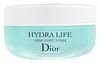 Key Ingredients
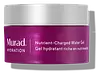
Benefits
Concerns
Ingredients Side-by-side
Water
Skin ConditioningGlycerin
Humectant


Caprylic/Capric Triglyceride
Masking
Propanediol
Solvent
Mangifera Indica Seed Butter
Skin Conditioning
Butylene Glycol
Humectant
Cetearyl Alcohol
Emollient


Squalane
Emollient
Polyglycerin-3
Humectant
Dicaprylyl Ether
Emollient
Malva Sylvestris Extract
AstringentTocopheryl Acetate
Antioxidant


Sodium Hyaluronate
Humectant

Cetearyl Glucoside
Emulsifying
Cellulose
Absorbent
Silica
Abrasive

Cetyl Alcohol
Emollient
Stearyl Alcohol
Emollient
Sodium Stearoyl Glutamate
CleansingChlorphenesin
Antimicrobial
Parfum
Masking



Faex
Skin ConditioningSodium Hydroxide
BufferingPotassium Sorbate
Preservative
Glucose
Humectant
Tocopherol
Antioxidant
Ammonium Acryloyldimethyltaurate/Vp Copolymer
Pentylene Glycol
Skin Conditioning
Caprylyl Glycol
Emollient
Dimethicone
Emollient
Acrylates/C10-30 Alkyl Acrylate Crosspolymer
Emulsion StabilisingWater, Glycerin, Caprylic/Capric Triglyceride, Propanediol, Mangifera Indica Seed Butter, Butylene Glycol, Cetearyl Alcohol, Squalane, Polyglycerin-3, Dicaprylyl Ether, Malva Sylvestris Extract, Tocopheryl Acetate, Sodium Hyaluronate, Cetearyl Glucoside, Cellulose, Silica, Cetyl Alcohol, Stearyl Alcohol, Sodium Stearoyl Glutamate, Chlorphenesin, Parfum, Faex, Sodium Hydroxide, Potassium Sorbate, Glucose, Tocopherol, Ammonium Acryloyldimethyltaurate/Vp Copolymer, Pentylene Glycol, Caprylyl Glycol, Dimethicone, Acrylates/C10-30 Alkyl Acrylate Crosspolymer
Water
Skin ConditioningDimethicone
Emollient
Glycerin
Humectant
Propanediol
Solvent
Polymethylsilsesquioxane/Silica Crosspolymer
Hydroxyethyl Acrylate/Sodium Acryloyldimethyl Taurate Copolymer
Emulsion StabilisingIsononyl Isononanoate
EmollientSaccharide Isomerate
Humectant
Hydroxyethyl Urea
Humectant
Ceramide NP
Skin Conditioning

Ceramide AP
Skin Conditioning
Ceramide EOP
Skin Conditioning
Sh-Oligopeptide-1
Skin Conditioning
Sh-Oligopeptide-2
Skin Conditioning
Sh-Polypeptide-1
Skin Conditioning
Sh-Polypeptide-9
Skin Conditioning
Sh-Polypeptide-11
Saccharomyces/Zinc Ferment
Skin Conditioning
Saccharomyces/Copper Ferment
Skin Conditioning
Saccharomyces/Magnesium Ferment
Saccharomyces/Iron Ferment
Skin Conditioning
Saccharomyces/Silicon Ferment
Skin Conditioning
Leuconostoc/Radish Root Ferment Filtrate
Antimicrobial
Bacillus
Skin ConditioningTrehalose
Humectant
Taurine
BufferingSerine
Masking
Tocopheryl Acetate
Antioxidant
Calcium Pantothenate
Niacinamide
Smoothing


Phytantriol
HumectantAcetyl Glutamine
Skin ConditioningUrea
Buffering
Cholesterol
Emollient
Yeast Amino Acids
HumectantPhytosphingosine
Skin Conditioning
Inositol
Humectant
Betaine
Humectant
Lecithin
Emollient
Sodium Ascorbyl Phosphate
Antioxidant
Sodium Hyaluronate
Humectant
Pyridoxine Hcl
Skin ConditioningSucrose
Humectant
Algin
Masking
Pullulan
Maltodextrin
Absorbent
Polysilicone-11
Glyceryl Polyacrylate
Decyl Glucoside
Cleansing
Pentylene Glycol
Skin Conditioning
Hexylene Glycol
EmulsifyingCaprylyl Glycol
Emollient
Butylene Glycol
Humectant
Ethylhexyl Isononanoate
EmollientPolyisobutene
Silica
Abrasive
Sodium Starch Octenylsuccinate
AbsorbentPEG-7 Trimethylolpropane Coconut Ether
Emulsifying
Trisodium Ethylenediamine Disuccinate
Disodium Phosphate
BufferingPotassium Phosphate
BufferingCarbomer
Emulsion StabilisingXanthan Gum
EmulsifyingSodium Lauroyl Lactylate
Emulsifying1,2-Hexanediol
Skin Conditioning
Phenoxyethanol
Preservative
Ethylhexylglycerin
Skin ConditioningParfum
Masking
CI 17200
Cosmetic ColorantCI 14700
Cosmetic ColorantWater, Dimethicone, Glycerin, Propanediol, Polymethylsilsesquioxane/Silica Crosspolymer, Hydroxyethyl Acrylate/Sodium Acryloyldimethyl Taurate Copolymer, Isononyl Isononanoate, Saccharide Isomerate, Hydroxyethyl Urea, Ceramide NP, Ceramide AP, Ceramide EOP, Sh-Oligopeptide-1, Sh-Oligopeptide-2, Sh-Polypeptide-1, Sh-Polypeptide-9, Sh-Polypeptide-11, Saccharomyces/Zinc Ferment, Saccharomyces/Copper Ferment, Saccharomyces/Magnesium Ferment, Saccharomyces/Iron Ferment, Saccharomyces/Silicon Ferment, Leuconostoc/Radish Root Ferment Filtrate, Bacillus, Trehalose, Taurine, Serine, Tocopheryl Acetate, Calcium Pantothenate, Niacinamide, Phytantriol, Acetyl Glutamine, Urea, Cholesterol, Yeast Amino Acids, Phytosphingosine, Inositol, Betaine, Lecithin, Sodium Ascorbyl Phosphate, Sodium Hyaluronate, Pyridoxine Hcl, Sucrose, Algin, Pullulan, Maltodextrin, Polysilicone-11, Glyceryl Polyacrylate, Decyl Glucoside, Pentylene Glycol, Hexylene Glycol, Caprylyl Glycol, Butylene Glycol, Ethylhexyl Isononanoate, Polyisobutene, Silica, Sodium Starch Octenylsuccinate, PEG-7 Trimethylolpropane Coconut Ether, Trisodium Ethylenediamine Disuccinate, Disodium Phosphate, Potassium Phosphate, Carbomer, Xanthan Gum, Sodium Lauroyl Lactylate, 1,2-Hexanediol, Phenoxyethanol, Ethylhexylglycerin, Parfum, CI 17200, CI 14700
Reviews
Ingredients Explained
These ingredients are found in both products.
Ingredients higher up in an ingredient list are typically present in a larger amount.
Butylene Glycol (or BG) is used within cosmetic products for a few different reasons:
Overall, Butylene Glycol is a safe and well-rounded ingredient that works well with other ingredients.
Though this ingredient works well with most skin types, some people with sensitive skin may experience a reaction such as allergic rashes, closed comedones, or itchiness.
Learn more about Butylene GlycolCaprylyl Glycol is a humectant, skin conditioner, emollient, and preservative booster derived from either caprylic acid or synthetically created.
Typical use levels vary from 0.3-1% as a preservative booster and go up to 2% to condition skin.
Because it is not a free-fatty acid or alcohol, this ingredient is fungal acne safe (there's nothing for Malassezia to feed on).
Learn more about Caprylyl GlycolDimethicone is a type of synthetic silicone created from natural materials such as quartz. It is also known as polydimethylsiloxane.
What it does:
Dimethicone comes in different viscosities:
Depending on the viscosity, dimethicone has different properties.
Ingredients lists don't always show which type is used, so we recommend reaching out to the brand if you have questions about the viscosity.
This ingredient is unlikely to cause irritation because it does not get absorbed into skin. However, people with silicone allergies should be careful about using this ingredient.
Note: Dimethicone may contribute to pilling. This is because it is not oil or water soluble, so pilling may occur when layered with products. When mixed with heavy oils in a formula, the outcome is also quite greasy.
Learn more about DimethiconeGlycerin (or glycerol) is a compound naturally found in your skin. It's a powerhouse humectant that pulls water into the stratum corneum.
Topically, glycerin does several things at once:
Your skin makes glycerin on its own (mostly from sebaceous oil breakdown) and shuttles it to your outermost layer of skin, or your epidermis, via aquaporin-3.
Aquaporin-3 is a transporter that is essential for normal skin hydration, elasticity, and repair. Interestingly, mice lacking in AQP3 have dry and less elastic skin that can be fully corrected with glycerin.
This ingredient is non-irritating, plays well with almost every ingredient, and works across all skin types. Typical use is anywhere between 3-10% but can go up to 79% in some leave-on products.
Just know very high concentrations (>40%) can feel tacky in low humidity.
Glycerin is the name for this ingredient in American English. British English uses Glycerol/Glycerine.
Learn more about GlycerinParfum is a catch-all term for an ingredient or more that is used to give a scent to products.
Also called "fragrance", this ingredient can be a blend of hundreds of chemicals or plant oils. This means every product with "fragrance" or "parfum" in the ingredients list is a different mixture.
For instance, Habanolide is a proprietary trade name for a specific aroma chemical. When used as a fragrance ingredient in cosmetics, most aroma chemicals fall under the broad labeling category of “FRAGRANCE” or “PARFUM” according to EU and US regulations.
The term 'parfum' or 'fragrance' is not regulated in many countries. In many cases, it is up to the brand to define this term.
For instance, many brands choose to label themselves as "fragrance-free" because they are not using synthetic fragrances. However, their products may still contain ingredients such as essential oils that are considered a fragrance by INCI standards.
One example is Calendula flower extract. Calendula is an essential oil that still imparts a scent or 'fragrance'.
Depending on the blend, the ingredients in the mixture can cause allergies and sensitivities on the skin. Some ingredients that are known EU allergens include linalool and citronellol.
Parfum can also be used to mask or cover an unpleasant scent.
The bottom line is: not all fragrances/parfum/ingredients are created equally. If you are worried about fragrances, we recommend taking a closer look at an ingredient. And of course, we always recommend speaking with a professional.
Learn more about ParfumPentylene glycol is typically used within a product to thicken it. It also adds a smooth, soft, and moisturizing feel to the product. It is naturally found in plants such as sugar beets.
The hydrophilic trait of Pentylene Glycol makes it a humectant. As a humectant, Pentylene Glycol helps draw moisture from the air to your skin. This can help keep your skin hydrated.
This property also makes Pentylene Glycol a great texture enhancer. It can also help thicken or stabilize a product.
Pentylene Glycol also acts as a mild preservative and helps to keep a product microbe-free.
Some people may experience mild eye and skin irritation from Pentylene Glycol. We always recommend speaking with a professional about using this ingredient in your routine.
Pentylene Glycol has a low molecular weight and is part of the 1,2-glycol family.
Learn more about Pentylene GlycolPropanediol is an all-star ingredient. It softens, hydrates, and smooths the skin.
It’s often used to:
Propanediol is not likely to cause sensitivity and considered safe to use. It is derived from corn or petroleum with a clear color and no scent.
Learn more about PropanediolSilica, also known as silicon dioxide, is a naturally occurring mineral. It is used as a fine, spherical, and porous powder in cosmetics.
Though it has exfoliant properties, the function of silica varies depending on the product.
The unique structure of silica enhances the spreadability and adds smoothness, making it a great texture enhancer.
It is also used as an active carrier, emulsifier, and mattifier due to its ability to absorb excess oil.
In some products, tiny microneedles called spicules are made from silica or hydrolyzed sponge. When you rub them in, they lightly polish away dead skin layers and enhance the penetration of active ingredients.
Learn more about SilicaSodium Hyaluronate is the salt form of hyaluronic acid. It is a long sugar chain that is naturally found in your skin, joints, and connective tissue that maintains hydration and elasticity.
In skincare, it works as a humectant. It pulls water from the environment and deeper layers of skin and binds it to the surface.
Interestingly, the size of the molecule affects its behavior:
Some clinical evidence links low molecular weight versions to improved wrinkle depth, elasticity, anti-inflammatory effects, and barrier repair.
Many serums use a blend of both weights so you can get surface hydration plus longer-lasting and deeper effects.
You'll typically see concentrations between 0.1-2% for this ingredient.
Learn more about Sodium HyaluronateTocopheryl Acetate is AKA Vitamin E. It is an antioxidant and protects your skin from free radicals. Free radicals damage the skin by breaking down collagen.
One study found using Tocopheryl Acetate with Vitamin C decreased the number of sunburned cells.
Tocopheryl Acetate is commonly found in both skincare and dietary supplements.
Learn more about Tocopheryl AcetateWater. It's the most common cosmetic ingredient of all. You'll usually see it at the top of ingredient lists, meaning that it makes up the largest part of the product.
So why is it so popular? Water most often acts as a solvent - this means that it helps dissolve other ingredients into the formulation.
You'll also recognize water as that liquid we all need to stay alive. If you see this, drink a glass of water. Remember to stay hydrated!
Learn more about Water
