Dermalogica Skin Smoothing Cream Versus Hero Cosmetics Clear Collective Clarifying Prebiotic Moisturizer
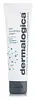
This barrier-repair moisturizer is formulated around Sodium Hyaluronate and Aloe Barbadensis Extract to strengthen the skin barrier and hydrate skin.
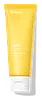
This oil-control moisturizer is formulated around Squalane and Salix Alba Bark Extract to balance excess oil and clear breakouts.

What's inside
What's inside
 Key Ingredients
Benefits
Concerns
Ingredients Side-by-side
Water
Skin ConditioningCaprylic/Capric Triglyceride
Masking


Ethylhexyl Hydroxystearate
Emollient

Butylene Glycol
Humectant
Glycerin
Humectant
Palmitic Acid
Emollient
Dimethicone
Emollient
PEG-8
HumectantStearic Acid
Cleansing
Cetearyl Alcohol
Emollient


Sodium Hyaluronate
Humectant


Aloe Barbadensis Extract
Skin Conditioning
Vitis Vinifera Seed Extract
Antimicrobial
Saccharide Isomerate
Humectant
Cucumis Sativus Fruit Extract
Emollient
Arnica Montana Flower Extract
Masking
Hedera Helix Extract
AntimicrobialMalva Sylvestris Flower Extract
Skin ConditioningParietaria Officinalis Extract
EmollientSambucus Nigra Flower Extract
RefreshingAscorbyl Palmitate
Antioxidant

Trehalose
Humectant
Algin
Masking
Hydrolyzed Sodium Hyaluronate
Skin Conditioning
Serine
Masking
Linoleic Acid
Cleansing
Phospholipids
Skin Conditioning
Phytosterols
Skin Conditioning
Cananga Odorata Flower Oil
Masking



Urea
Buffering

Hydrogenated Lecithin
Emulsifying
Pullulan
Caprylhydroxamic Acid
Citrus Aurantium Amara Flower Extract
RefreshingTocopheryl Acetate
Antioxidant
Tetrasodium Glutamate Diacetate
Hexanediol
SolventPentylene Glycol
Skin Conditioning
Glyceryl Polyacrylate
Sodium Citrate
BufferingDisodium Phosphate
BufferingPalmitoyl Hydroxypropyltrimonium Amylopectin/Glycerin Crosspolymer
Skin ConditioningCaprylyl Glycol
Emollient
Potassium Phosphate
BufferingCitric Acid
Buffering
Tocopherol
Antioxidant
Methylpropanediol
SolventPolysorbate 60
Emulsifying
Panthenol
Skin Conditioning
Polyquaternium-10
Cetyl Alcohol
Emollient
PEG-100 Stearate
Surfactant
Glyceryl Stearate
Emollient
Aminomethyl Propanol
BufferingCarbomer
Emulsion StabilisingEthylhexylglycerin
Skin ConditioningSodium Hydroxide
BufferingHydroxystearic Acid
Cleansing
Myristic Acid
Cleansing
BHT
Antioxidant
Benzyl Benzoate
Antimicrobial
Benzyl Salicylate
Perfuming
Linalool
Perfuming
Sodium Benzoate
Masking
Phenoxyethanol
Preservative
Water, Caprylic/Capric Triglyceride, Ethylhexyl Hydroxystearate, Butylene Glycol, Glycerin, Palmitic Acid, Dimethicone, PEG-8, Stearic Acid, Cetearyl Alcohol, Sodium Hyaluronate, Aloe Barbadensis Extract, Vitis Vinifera Seed Extract, Saccharide Isomerate, Cucumis Sativus Fruit Extract, Arnica Montana Flower Extract, Hedera Helix Extract, Malva Sylvestris Flower Extract, Parietaria Officinalis Extract, Sambucus Nigra Flower Extract, Ascorbyl Palmitate, Trehalose, Algin, Hydrolyzed Sodium Hyaluronate, Serine, Linoleic Acid, Phospholipids, Phytosterols, Cananga Odorata Flower Oil, Urea, Hydrogenated Lecithin, Pullulan, Caprylhydroxamic Acid, Citrus Aurantium Amara Flower Extract, Tocopheryl Acetate, Tetrasodium Glutamate Diacetate, Hexanediol, Pentylene Glycol, Glyceryl Polyacrylate, Sodium Citrate, Disodium Phosphate, Palmitoyl Hydroxypropyltrimonium Amylopectin/Glycerin Crosspolymer, Caprylyl Glycol, Potassium Phosphate, Citric Acid, Tocopherol, Methylpropanediol, Polysorbate 60, Panthenol, Polyquaternium-10, Cetyl Alcohol, PEG-100 Stearate, Glyceryl Stearate, Aminomethyl Propanol, Carbomer, Ethylhexylglycerin, Sodium Hydroxide, Hydroxystearic Acid, Myristic Acid, BHT, Benzyl Benzoate, Benzyl Salicylate, Linalool, Sodium Benzoate, Phenoxyethanol
Water
Skin ConditioningButylene Glycol
Humectant
Ethylhexyl Palmitate
Emollient
Cetyl Alcohol
Emollient
Glycerin
Humectant
Hydrogenated Vegetable Oil
Emollient
1,2-Hexanediol
Skin Conditioning
Glyceryl Stearate
Emollient
Squalane
Emollient
Polyglyceryl-3 Methylglucose Distearate
Emulsifying
Erythritol
Humectant
Sorbitol
Humectant
Salvia Officinalis Leaf Extract
CleansingCeramide NP
Skin Conditioning
Trehalose
Humectant
Salix Alba Bark Extract
Astringent
Hamamelis Virginiana Extract
Antiseborrhoeic
Citrus Junos Fruit Extract
Skin ConditioningAnanas Sativus Fruit Extract
Skin ConditioningZinc PCA
Humectant


Sodium Hyaluronate
Humectant
Hydrolyzed Hyaluronic Acid
Humectant
Hydrolyzed Sodium Hyaluronate
Skin Conditioning
Hyaluronic Acid
Humectant
Sodium Hyaluronate Crosspolymer
Humectant
Sodium Acetylated Hyaluronate
Humectant
Hydroxypropyltrimonium Hyaluronate
Potassium Hyaluronate
Skin ConditioningMandelic Acid
Antimicrobial
Glycolic Acid
Buffering
Hydrogenated Lecithin
Emulsifying
Betaine
Humectant
Dipropylene Glycol
HumectantPentylene Glycol
Skin Conditioning
Stearyl Alcohol
Emollient
Carbomer
Emulsion StabilisingTromethamine
BufferingEthylhexylglycerin
Skin ConditioningWater, Butylene Glycol, Ethylhexyl Palmitate, Cetyl Alcohol, Glycerin, Hydrogenated Vegetable Oil, 1,2-Hexanediol, Glyceryl Stearate, Squalane, Polyglyceryl-3 Methylglucose Distearate, Erythritol, Sorbitol, Salvia Officinalis Leaf Extract, Ceramide NP, Trehalose, Salix Alba Bark Extract, Hamamelis Virginiana Extract, Citrus Junos Fruit Extract, Ananas Sativus Fruit Extract, Zinc PCA, Sodium Hyaluronate, Hydrolyzed Hyaluronic Acid, Hydrolyzed Sodium Hyaluronate, Hyaluronic Acid, Sodium Hyaluronate Crosspolymer, Sodium Acetylated Hyaluronate, Hydroxypropyltrimonium Hyaluronate, Potassium Hyaluronate, Mandelic Acid, Glycolic Acid, Hydrogenated Lecithin, Betaine, Dipropylene Glycol, Pentylene Glycol, Stearyl Alcohol, Carbomer, Tromethamine, Ethylhexylglycerin
Reviews
Ingredients Explained
These ingredients are found in both products.
Ingredients higher up in an ingredient list are typically present in a larger amount.
Butylene Glycol (or BG) is used within cosmetic products for a few different reasons:
Overall, Butylene Glycol is a safe and well-rounded ingredient that works well with other ingredients.
Though this ingredient works well with most skin types, some people with sensitive skin may experience a reaction such as allergic rashes, closed comedones, or itchiness.
Learn more about Butylene GlycolCarbomer is a synthetic thickening and gelling agent. It's basically the ingredient that gives a lot of serums, gels, creams, and sunscreens their smooth, non-sticky texture.
Although legally permitted at very high levels, carbomers are normally used at concentrations below 1%.
It also needs to be neutralized to actually thicken, and because it is a large molecule, it doesn't really penetrate the skin barrier.
Allergy-wise, the risk is very low. Clinical studies show carbomers have low potential for skin irritation/sensitization even at concentrations up to 100%.
A 2024 UK study patch-tested 1,302 patients and found true allergy to the parent group of carbomer to be rare with no confirmed relevant reactions.
Learn more about CarbomerCetyl Alcohol is a fatty alcohol. Fatty Alcohols are most often used as an emollient or to thicken a product.
Its main roles are:
Though it has "alcohol" in the name, it is not related to denatured alcohol or ethyl alcohol.
The FDA allows products labeled "alcohol-free" to have fatty alcohols.
This ingredient may not be fungal acne safe. It is a primary fatty alcohol with a chain length above 12 carbons. A study from 2019 show Malassezia can feed on fatty alcohols in this range, so it may trigger fungal acne in those prone to it.
Learn more about Cetyl AlcoholEthylhexylglycerin is created from glycerin. It is a multitasker ingredient that:
The CIR Expert Panel found minimal skin absorption or sensitization of any kind in a safety assessment. Though this ingredient is considered well-tolerated, a small number of cases of allergic dermatitis have been published since 2002. Just be sure to patch test if you are unsure.
Industry-reported use ranges from 8% in rinse-off products and 2% in leave-on formulations.
Learn more about EthylhexylglycerinGlycerin (or glycerol) is a compound naturally found in your skin. It's a powerhouse humectant that pulls water into the stratum corneum.
Topically, glycerin does several things at once:
Your skin makes glycerin on its own (mostly from sebaceous oil breakdown) and shuttles it to your outermost layer of skin, or your epidermis, via aquaporin-3.
Aquaporin-3 is a transporter that is essential for normal skin hydration, elasticity, and repair. Interestingly, mice lacking in AQP3 have dry and less elastic skin that can be fully corrected with glycerin.
This ingredient is non-irritating, plays well with almost every ingredient, and works across all skin types. Typical use is anywhere between 3-10% but can go up to 79% in some leave-on products.
Just know very high concentrations (>40%) can feel tacky in low humidity.
Glycerin is the name for this ingredient in American English. British English uses Glycerol/Glycerine.
Learn more about GlycerinGlyceryl Stearate is made by reacting glycerin with stearic acid (typically sourced from plant oils like palm or coconut). It's an emulsifier, emollient, and mild occlusive.
Emulsifiers help ingredients like oil and water stay mixed so your formula stays nicely blended and uniform in texture.
This ingredient is typically used in concentrations between 1-10%. Studies have found it to be non-sensitizing, non-phototoxic, and non-photoallergenic.
A close cousin of this ingredient is Glyceryl Stearate SE ("self-emulsifying"). This just has a small amount of sodium or potassium stearate added so it can emulsify without a co-emulsifier.
Since this ingredient is an ester of a C18 fatty acid, it may not be fungal acne safe. The Malassezia yeast can potentially metabolize within the C11-C24 range.
Fun fact: The human body also creates Glyceryl Stearate naturally.
Learn more about Glyceryl StearateHydrogenated Lecithin is a more stable version of lecithin.
It's made by taking lecithin (a phospholipid commonly found in soybeans and egg yolks) and hydrogenating it. This just means the unsaturated fatty acids are turned into saturated ones so they don't go bad as easily.
This ingredient is an emollient, emulsifier, and penetration enhancer. As an emollient, it helps soften and hydrate skin by trapping moisture within. As an emulsifier, it prevents oil and water ingredients from separating.
Hydrogenated Lecithin can form tiny spherical structures made of phospholipid bilayers called liposomes. These liposomes are able to capture compounds inside their structure and deliver them through the skin barrier.
Because phospholipids are a natural component of our cell membranes, this ingredient is inherently compatible with skin.
A 2021 study found lecithin-based surfactants were less harsh and more tolerable comared to Sodium Lauryl Sulfate (SLS).
Learn more about Hydrogenated LecithinThis ingredient is created by putting sodium hyaluronate through hydrolysis.
You might know this as 'mini' or 'ultra low-molecular weight' hyaluronic acid. The small molecule size means it is able to travel deeper in the skin.
According to studies, low molecular-weight hyaluronic acid can:
One study from 2011 found ultra-low weight HA to show pro-inflammatory properties. Another study from 2022 found it to downregulate UV-B induced inflammation.
Hydrolysis is a process of changing a molecule using water or enzymes.
This ingredient is water-soluble.
Learn more about Hydrolyzed Sodium HyaluronatePentylene Glycol (1,2-pentanediol) is a multitasking little diol with three main roles in a formula:
Research on alkanediols (the family pentylene glycol belongs to) show they work by disrupting microbial cell membranes. This disruption helps the primary preservative system in a product work more effectively at lower doses.
On the safety side, the Cosmetic Ingredient Review Expert Panel has concluded this ingredient to be safe as used in current cosmetic practices + concentrations.
Typical use levels in a formula run about 1-5%.
Learn more about Pentylene GlycolSodium Hyaluronate is the salt form of hyaluronic acid. It is a long sugar chain that is naturally found in your skin, joints, and connective tissue that maintains hydration and elasticity.
In skincare, it works as a humectant. It pulls water from the environment and deeper layers of skin and binds it to the surface.
Interestingly, the size of the molecule affects its behavior:
Some clinical evidence links low molecular weight versions to improved wrinkle depth, elasticity, anti-inflammatory effects, and barrier repair.
Many serums use a blend of both weights so you can get surface hydration plus longer-lasting and deeper effects.
You'll typically see concentrations between 0.1-2% for this ingredient.
Learn more about Sodium HyaluronateTrehalose is a disaccharide made of two glucose molecules (glucose is sugar!). Trehalose is used to help moisturize skin. It also has antioxidant properties.
As a humectant, trehalose helps draw moisture from the air to your skin. This helps keep your skin hydrated.
Due to its antioxidant properties, trehalose may help with signs of aging. Antioxidants help fight free-radical molecules, unstable molecules that may damage your skin.
In medicine, trehalose and hyaluronic acid are used to help treat dry eyes.
Some animals, plants, and bacteria create trehalose as a source of energy to survive freeze or lack of water.
Learn more about TrehaloseWater. It's the most common cosmetic ingredient of all. You'll usually see it at the top of ingredient lists, meaning that it makes up the largest part of the product.
So why is it so popular? Water most often acts as a solvent - this means that it helps dissolve other ingredients into the formulation.
You'll also recognize water as that liquid we all need to stay alive. If you see this, drink a glass of water. Remember to stay hydrated!
Learn more about Water

