Dermalogica Dynamic Skin Recovery SPF50 Moisturizer Versus Dermalogica Ultracalming Serum Concentrate
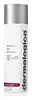
This chemical sunscreen covers most of the UV range, lighter on the deep UVA that drives aging.
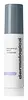
This calming serum is formulated around Oenothera Biennis Oil and Avena Sativa Kernel Extract to calm redness and strengthen the skin barrier.

What's inside
What's inside
 Key Ingredients
Benefits
Concerns
Ingredients Side-by-side
Butyl Methoxydibenzoylmethane 3%
UV Absorber
Homosalate 5%
Skin Conditioning
Ethylhexyl Salicylate 3%
UV Absorber
Octocrylene 7%
UV Absorber

Water
Skin ConditioningCarthamus Tinctorius Oleosomes
Emollient

Butylene Glycol
Humectant

Dimethicone
Emollient

C12-15 Alkyl Benzoate
AntimicrobialPropanediol
Solvent
Polysorbate 80
Emulsifying
Palmitoyl Tetrapeptide-7
Skin Conditioning


Dipotassium Glycyrrhizate
Humectant

Aniba Rosodora Wood Oil
Astringent
Camellia Sinensis Leaf Extract
Antimicrobial



Helianthus Annuus Seed Oil
Emollient
Pelargonium Graveolens Flower Oil
Masking


Eugenia Caryophyllus Leaf Oil
Masking
Saccharomyces Cerevisiae Extract
Skin Conditioning
Laminaria Digitata Extract
Skin Protecting
Rosa Damascena Flower Oil
Masking
Eugenia Caryophyllus Bud Oil
Masking
Citrus Limon Peel Oil
Masking
Cymbopogon Schoenanthus Oil
Masking
Cymbopogon Martini Oil
Masking
Cupressus Sempervirens Leaf Oil
Masking
Citrus Limon Peel Extract
EmollientEucalyptus Globulus Leaf Oil
Perfuming
Tocopherol
Antioxidant

Squalane
Emollient
Caprylyl Glycol
Emollient
Carnosine
Skin Conditioning
Acrylates/C10-30 Alkyl Acrylate Crosspolymer
Emulsion StabilisingLecithin
Emollient
Urea
Buffering
Caprylic/Capric Triglyceride
Masking
Glycerin
Humectant
Pentylene Glycol
Skin Conditioning
Bisabolol
Antioxidant
Glucosamine Hcl
Ethylhexylglycerin
Skin Conditioning1,2-Hexanediol
Skin Conditioning
Gluconolactone
Skin Conditioning

Polysorbate 60
Emulsifying
Trisodium Ethylenediamine Disuccinate
Sorbitan Isostearate
Emulsifying
Decyl Glucoside
Cleansing
Aminomethyl Propanol
BufferingHydroxyethyl Acrylate/Sodium Acryloyldimethyl Taurate Copolymer
Emulsion StabilisingPolysilicone-11
Sodium Acrylates Copolymer
Phenethyl Alcohol
MaskingSodium Benzoate
Masking
Linalool
Perfuming
Eugenol
Perfuming
Limonene
Perfuming
Citronellol
Perfuming
Geraniol
Perfuming
Benzyl Benzoate
Antimicrobial
Citral
Perfuming
CI 77891
Cosmetic ColorantButyl Methoxydibenzoylmethane 3%, Homosalate 5%, Ethylhexyl Salicylate 3%, Octocrylene 7%, Water, Carthamus Tinctorius Oleosomes, Butylene Glycol, Dimethicone, C12-15 Alkyl Benzoate, Propanediol, Polysorbate 80, Palmitoyl Tetrapeptide-7, Dipotassium Glycyrrhizate, Aniba Rosodora Wood Oil, Camellia Sinensis Leaf Extract, Helianthus Annuus Seed Oil, Pelargonium Graveolens Flower Oil, Eugenia Caryophyllus Leaf Oil, Saccharomyces Cerevisiae Extract, Laminaria Digitata Extract, Rosa Damascena Flower Oil, Eugenia Caryophyllus Bud Oil, Citrus Limon Peel Oil, Cymbopogon Schoenanthus Oil, Cymbopogon Martini Oil, Cupressus Sempervirens Leaf Oil, Citrus Limon Peel Extract, Eucalyptus Globulus Leaf Oil, Tocopherol, Squalane, Caprylyl Glycol, Carnosine, Acrylates/C10-30 Alkyl Acrylate Crosspolymer, Lecithin, Urea, Caprylic/Capric Triglyceride, Glycerin, Pentylene Glycol, Bisabolol, Glucosamine Hcl, Ethylhexylglycerin, 1,2-Hexanediol, Gluconolactone, Polysorbate 60, Trisodium Ethylenediamine Disuccinate, Sorbitan Isostearate, Decyl Glucoside, Aminomethyl Propanol, Hydroxyethyl Acrylate/Sodium Acryloyldimethyl Taurate Copolymer, Polysilicone-11, Sodium Acrylates Copolymer, Phenethyl Alcohol, Sodium Benzoate, Linalool, Eugenol, Limonene, Citronellol, Geraniol, Benzyl Benzoate, Citral, CI 77891
Water
Skin ConditioningGlycerin
Humectant
Cyclomethicone
Emollient
Caprylic/Capric Triglyceride
Masking
Oenothera Biennis Oil
Emollient
Dimethicone
Emollient
Behenyl Alcohol
Emollient
Butylene Glycol
Humectant
Cetearyl Alcohol
Emollient
Leuconostoc/Radish Root Ferment Filtrate
Antimicrobial
Portulaca Oleracea Extract
Skin Conditioning
Ophiopogon Japonicus Root Extract
Skin ConditioningAvena Sativa Kernel Extract
Abrasive
Coco-Glucoside
Cleansing
Acetyl Tetrapeptide-15
Skin Conditioning
Pentylene Glycol
Skin Conditioning
Hydroxyphenyl Propamidobenzoic Acid
Skin ConditioningCetyl Ethylhexanoate
EmollientBisabolol
Antioxidant
Zingiber Officinale Root Extract
Masking
Boerhavia Diffusa Root Extract
Skin Protecting
Persea Gratissima Oil
Skin Conditioning
Phytosterols
Skin Conditioning
Helianthus Annuus Seed Extract
Skin Conditioning
Decyl Glucoside
Cleansing
Salvia Officinalis Oil
Masking
Sodium Hyaluronate
Humectant
Polysorbate 60
Emulsifying
Limonene
Perfuming
Linalool
Perfuming
Water, Glycerin, Cyclomethicone, Caprylic/Capric Triglyceride, Oenothera Biennis Oil, Dimethicone, Behenyl Alcohol, Butylene Glycol, Cetearyl Alcohol, Leuconostoc/Radish Root Ferment Filtrate, Portulaca Oleracea Extract, Ophiopogon Japonicus Root Extract, Avena Sativa Kernel Extract, Coco-Glucoside, Acetyl Tetrapeptide-15, Pentylene Glycol, Hydroxyphenyl Propamidobenzoic Acid, Cetyl Ethylhexanoate, Bisabolol, Zingiber Officinale Root Extract, Boerhavia Diffusa Root Extract, Persea Gratissima Oil, Phytosterols, Helianthus Annuus Seed Extract, Decyl Glucoside, Salvia Officinalis Oil, Sodium Hyaluronate, Polysorbate 60, Limonene, Linalool
Reviews
Ingredients Explained
These ingredients are found in both products.
Ingredients higher up in an ingredient list are typically present in a larger amount.
Bisabolol is a gentle skin conditioner, antioxidant, and soothing ingredient.
It's primary claim to fame is soothing and research shows topically applied bisabolol can quiet the chemical messengers that cause your skin to become inflamed, helping to sooth any irritation.
A clinical study found that applying 0.5% bisabolol daily for 8 weeks produced an average 9% decrease in skin pigmentation. Researchers found it can also suppress the process that leads to excess melanin production in skin.
In vitro studies found that bisabolol combined with propylene glycol significantly increased skin permeability by increasing lipid fluidity in the stratum corneum.
You'll likely see use concentrations quite low, usually 0.1-0.2%.
Overall, this is a well-tolerated ingredient that works well in formulas designed for sensitive, reactive, or post-procedure skin.
Learn more about BisabololButylene Glycol (or BG) is used within cosmetic products for a few different reasons:
Overall, Butylene Glycol is a safe and well-rounded ingredient that works well with other ingredients.
Though this ingredient works well with most skin types, some people with sensitive skin may experience a reaction such as allergic rashes, closed comedones, or itchiness.
Learn more about Butylene GlycolCaprylic/Capric Triglyceride (aka MCT Oil) is a lightweight emollient, solvent, and texture enhancer. It is considered a skin-softener by helping to prevent moisture loss.
Though it behaves like an oil, it is not technically one due to its chemical composition. One perk of this ingredient is that it is very stable, resistant to oxidation, and unlikely to go rancid.
In practice, that translates to a long shelf life and a consistently elegant skin feel.
While there is an assumption Caprylic Triglyceride can clog pores due to it being derived from coconut oil, there is no research supporting this. Just patch test if you have concerns.
Fractionated coconut oil and MCT Oil are both listed as Caprylic/Capric Triglyceride according to INCI. This is because INCI names are based on the ingredient’s final chemical composition and not its marketing name or source.
This ingredient is treated as the gold standard fungal acne safe oil. Even though it is coconut derived, the problematic lauric acid is stripped out.
This leaves just caprylic (C8) and capric (C10) acid. These chain lengths actually trend antifungal; a 2020 study found caprylic acid was enough to disrupt Malassezia furfur cell membrane, with a caprylic acid derivative damaging membrane structures at concentrations as low as 0.2%.
Learn more about Caprylic/Capric TriglycerideDecyl Glucoside is a plant-derived surfactant and emulsion stabilizer. It is created by reacting glucose with the fatty acids from plants.
Like all surfactants, it works by lowering the surface tension between water and oil. This makes it so that dirt, sebum, and makeup can be lifted off your skin and rinsed away. It also produces a dense and creamy foam.
Because it has a neutral charge, it is compatible with a wide range of ingredients and stays stable across a broad pH range/water hardiness conditions.
Patch testing has shown it to have the lowest irritation potential among common cleansing surfactants (like SLS).
Typical use levels range from 5-20% in rinse-off cleansers.
One thing worth knowing: The American Contact Dermatitis Society named the parent family, alkyl glucosides, "Allergen of the Year" in 2017. The prevalence of allergy is pretty low but be sure to patch test if you've reacted to "gentle" or sulfate-free cleansers before.
This ingredient is fungal acne safe because the fatty alcohol portion of this ingredient is not within the C11-24 chain length that Malassezia can metabolize.
Learn more about Decyl GlucosideDimethicone is a type of synthetic silicone created from natural materials such as quartz. It is also known as polydimethylsiloxane.
What it does:
Dimethicone comes in different viscosities:
Depending on the viscosity, dimethicone has different properties.
Ingredients lists don't always show which type is used, so we recommend reaching out to the brand if you have questions about the viscosity.
This ingredient is unlikely to cause irritation because it does not get absorbed into skin. However, people with silicone allergies should be careful about using this ingredient.
Note: Dimethicone may contribute to pilling. This is because it is not oil or water soluble, so pilling may occur when layered with products. When mixed with heavy oils in a formula, the outcome is also quite greasy.
Learn more about DimethiconeGlycerin (or glycerol) is a compound naturally found in your skin. It's a powerhouse humectant that pulls water into the stratum corneum.
Topically, glycerin does several things at once:
Your skin makes glycerin on its own (mostly from sebaceous oil breakdown) and shuttles it to your outermost layer of skin, or your epidermis, via aquaporin-3.
Aquaporin-3 is a transporter that is essential for normal skin hydration, elasticity, and repair. Interestingly, mice lacking in AQP3 have dry and less elastic skin that can be fully corrected with glycerin.
This ingredient is non-irritating, plays well with almost every ingredient, and works across all skin types. Typical use is anywhere between 3-10% but can go up to 79% in some leave-on products.
Just know very high concentrations (>40%) can feel tacky in low humidity.
Glycerin is the name for this ingredient in American English. British English uses Glycerol/Glycerine.
Learn more about GlycerinLimonene is a fragrance that adds scent and taste to a formulation.
It's found in the peel oil of citrus fruits and other plants such as lavender and eucalyptus. The scent of limonene is generally described as "sweet citrus".
Limonene acts as an antioxidant, meaning it helps neutralize free radicals.
When exposed to air, oxidized limonene may sensitize the skin. Because of this, limonene is often avoided by people with sensitive skin.
The term 'fragrance' is not regulated in many countries. In many cases, it is up to the brand to define this term. For instance, many brands choose to label themselves as "fragrance-free" because they are not using synthetic fragrances. However, their products may still contain ingredients such as essential oils that are considered a fragrance.
Learn more about LimoneneLinalool is a fragrance and helps add scent to products. It's derived from common plants such as cinnamon, mint, citrus, and lavender.
Like Limonene, this ingredient oxidizes when exposed to air. Oxidized linalool can cause allergies and skin sensitivity.
This ingredient has a scent that is floral, spicy tropical, and citrus-like.
Learn more about LinaloolPentylene Glycol (1,2-pentanediol) is a multitasking little diol with three main roles in a formula:
Research on alkanediols (the family pentylene glycol belongs to) show they work by disrupting microbial cell membranes. This disruption helps the primary preservative system in a product work more effectively at lower doses.
On the safety side, the Cosmetic Ingredient Review Expert Panel has concluded this ingredient to be safe as used in current cosmetic practices + concentrations.
Typical use levels in a formula run about 1-5%.
Learn more about Pentylene GlycolPolysorbate 60 is used to help stabilize products. It is a surfactant and emulsifier. These properties help keep ingredients together in a product. Surfactants help reduce surface tension between ingredients with different states, such as liquids and solids. Emulsifiers help prevent oils and waters from separating.
Polysorbate 60 is sorbitol-based and created from the ethoxylation of sorbitan. Ethoxylation is a chemical reaction used to add ethylene oxide. Sorbitan is a the dehydrated version of sorbitol, a sugar found in fruits.
In this case, the 60 comes from reacting 60 units of ethylene oxide with sorbitan.
Polysorbates are commonly used in medicine and foods.
Learn more about Polysorbate 60Water. It's the most common cosmetic ingredient of all. You'll usually see it at the top of ingredient lists, meaning that it makes up the largest part of the product.
So why is it so popular? Water most often acts as a solvent - this means that it helps dissolve other ingredients into the formulation.
You'll also recognize water as that liquid we all need to stay alive. If you see this, drink a glass of water. Remember to stay hydrated!
Learn more about Water


