Dermalogica Deep Acne Invisible Liquid Patch Versus Dr. Dennis Gross Skincare Alpha Beta On The Spot Eliminator
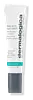
This acne treatment is formulated around Sulfur and Niacinamide to clear breakouts and balance excess oil.
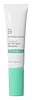
This acne treatment is formulated around Salicylic Acid and Gluconolactone to clear breakouts and refine the look of pores.

What's inside
What's inside
 Key Ingredients
Benefits
Concerns
Ingredients Side-by-side
Sulfur 5%
Antiseborrhoeic


Water
Skin ConditioningNiacinamide
Smoothing










Propanediol
Solvent
Glycerin
Humectant
Acacia Senegal Gum
MaskingPolyacrylate Crosspolymer-6
Emulsion StabilisingHydroxyacetophenone
Antioxidant
Lactic Acid
Buffering


Pelargonium Graveolens Flower Oil
Masking



Lavandula Hybrida Oil
Emollient
Lavandula Angustifolia Oil
Masking
Citrus Limon Peel Oil
Masking
Salvia Sclarea Oil
Masking
Aloe Barbadensis Leaf Extract
Emollient
Citrus Aurantium Dulcis Peel Oil
Masking
Punica Granatum Pericarp Extract
Skin ConditioningRosmarinus Officinalis Leaf Oil
Masking
Myristyl Myristate
Emollient


Beta-Glucan
Skin Conditioning
Biosaccharide Gum-1
Humectant
Glyceryl Stearate
Emollient
Maltodextrin
Absorbent
Caprylyl Glycol
Emollient
Polylysine
Cetearyl Alcohol
Emollient
1,2-Hexanediol
Skin Conditioning
Sodium Acrylates Crosspolymer-2
AbsorbentCeteareth-12
EmulsifyingTitanium Dioxide
Cosmetic Colorant

Tetrasodium Glutamate Diacetate
ChelatingPotassium Cetyl Phosphate
EmulsifyingSodium Hydroxide
BufferingDimethyl Isosorbide
SolventThymol
AntimicrobialTerpineol
Masking
Algin
MaskingCamphor
Masking
O-Cymen-5-Ol
Antimicrobial
Sodium Benzoate
Masking
Limonene
Perfuming
Linalool
Perfuming
Citronellol
Perfuming
Geraniol
Perfuming
Sulfur 5%, Water, Niacinamide, Propanediol, Glycerin, Acacia Senegal Gum, Polyacrylate Crosspolymer-6, Hydroxyacetophenone, Lactic Acid, Pelargonium Graveolens Flower Oil, Lavandula Hybrida Oil, Lavandula Angustifolia Oil, Citrus Limon Peel Oil, Salvia Sclarea Oil, Aloe Barbadensis Leaf Extract, Citrus Aurantium Dulcis Peel Oil, Punica Granatum Pericarp Extract, Rosmarinus Officinalis Leaf Oil, Myristyl Myristate, Beta-Glucan, Biosaccharide Gum-1, Glyceryl Stearate, Maltodextrin, Caprylyl Glycol, Polylysine, Cetearyl Alcohol, 1,2-Hexanediol, Sodium Acrylates Crosspolymer-2, Ceteareth-12, Titanium Dioxide, Tetrasodium Glutamate Diacetate, Potassium Cetyl Phosphate, Sodium Hydroxide, Dimethyl Isosorbide, Thymol, Terpineol, Algin, Camphor, O-Cymen-5-Ol, Sodium Benzoate, Limonene, Linalool, Citronellol, Geraniol
Salicylic Acid 2%
Masking
Water
Skin ConditioningAlcohol Denat.
Antimicrobial
Hamamelis Virginiana Water
Astringent
Pvm/Ma Decadiene Crosspolymer
Butylene Glycol
Humectant
Dimethyl Isosorbide
SolventGlycerin
Humectant
Potassium Hydroxide
BufferingPolysorbate 20
Emulsifying
Carnitine Hcl
HumectantGluconolactone
Chelating
Phytic Acid
Chelating
Glycolic Acid
Buffering
Silybum Marianum Fruit Extract
Skin Conditioning
Bisabolol
Antioxidant
Vitex Agnus Castus Extract
AstringentGanoderma Lucidum Extract
Skin Protecting
Vitis Vinifera Seed Extract
Antimicrobial
Tetrahydrocurcumin
Antioxidant
Glutathione
Potassium Azeloyl Diglycinate
Skin Conditioning
Farnesol
Perfuming
Leuconostoc/Radish Root Ferment Filtrate
Antimicrobial
Sodium Pantothenate
Retinol
Skin Conditioning
Niacinamide
Smoothing
Saccharide Isomerate
Humectant
Ferulic Acid
Antimicrobial
Camellia Sinensis Leaf Extract
Antimicrobial
Glyceryl Stearate
Emollient
Mannitol
Humectant
Sh-Oligopeptide-1
Skin Conditioning
Methyl Glucose Sesquistearate
Emollient
Neopentyl Glycol Diethylhexanoate
Emollient
PEG-20 Methyl Glucose Sesquistearate
Emulsifying
Aloe Barbadensis Leaf Juice
Skin Conditioning
Centella Asiatica Extract
Cleansing
Phospholipids
Skin Conditioning
Sodium Hyaluronate
Humectant
Soy Isoflavones
Skin ConditioningChamomilla Recutita Flower Extract
Masking
Polyglyceryl-10 Laurate
Skin Conditioning
Zinc PCA
Humectant
Ethylhexylglycerin
Skin ConditioningAllantoin
Skin Conditioning
Ethoxydiglycol
HumectantStearic Acid
Cleansing
Citric Acid
Buffering
Sodium Citrate
BufferingCalcium Gluconate
HumectantPotassium Gluconate
ChelatingCyclodextrin
AbsorbentTetrasodium Glutamate Diacetate
ChelatingCaprylic/Capric Triglyceride
Masking
Jasminum Officinale Flower/Leaf Extract
Masking
Vitis Vinifera Fruit Extract
Skin ConditioningEugenia Caryophyllus Flower Extract
AstringentLavandula Angustifolia Flower/Leaf/Stem Extract
Masking
Phenoxyethanol
Preservative
Sodium Benzoate
Masking
Potassium Sorbate
Preservative
Salicylic Acid 2%, Water, Alcohol Denat., Hamamelis Virginiana Water, Pvm/Ma Decadiene Crosspolymer, Butylene Glycol, Dimethyl Isosorbide, Glycerin, Potassium Hydroxide, Polysorbate 20, Carnitine Hcl, Gluconolactone, Phytic Acid, Glycolic Acid, Silybum Marianum Fruit Extract, Bisabolol, Vitex Agnus Castus Extract, Ganoderma Lucidum Extract, Vitis Vinifera Seed Extract, Tetrahydrocurcumin, Glutathione, Potassium Azeloyl Diglycinate, Farnesol, Leuconostoc/Radish Root Ferment Filtrate, Sodium Pantothenate, Retinol, Niacinamide, Saccharide Isomerate, Ferulic Acid, Camellia Sinensis Leaf Extract, Glyceryl Stearate, Mannitol, Sh-Oligopeptide-1, Methyl Glucose Sesquistearate, Neopentyl Glycol Diethylhexanoate, PEG-20 Methyl Glucose Sesquistearate, Aloe Barbadensis Leaf Juice, Centella Asiatica Extract, Phospholipids, Sodium Hyaluronate, Soy Isoflavones, Chamomilla Recutita Flower Extract, Polyglyceryl-10 Laurate, Zinc PCA, Ethylhexylglycerin, Allantoin, Ethoxydiglycol, Stearic Acid, Citric Acid, Sodium Citrate, Calcium Gluconate, Potassium Gluconate, Cyclodextrin, Tetrasodium Glutamate Diacetate, Caprylic/Capric Triglyceride, Jasminum Officinale Flower/Leaf Extract, Vitis Vinifera Fruit Extract, Eugenia Caryophyllus Flower Extract, Lavandula Angustifolia Flower/Leaf/Stem Extract, Phenoxyethanol, Sodium Benzoate, Potassium Sorbate
Reviews
Ingredients Explained
These ingredients are found in both products.
Ingredients higher up in an ingredient list are typically present in a larger amount.
Dimethyl Isosorbide (often shortened to DMI) is a sugar-derived solvent made from sorbitol. It's used to dissolve tricky ingredients and help them mix smoothly into a formula.
Many actives sit as gritty crystals when undissolved, so DMI swoops in to full dissolve them. This helps improve texture, stability, and how evenly an active is distributed.
It does have a penetration-enhancing reputation that is a bit more nuanced than marketing suggests; a cell study on human skin found that 10% DMI didn't significantly boost the permeation of Hydroquinone, Salicylic Acid, or Octadecenedioic Acid compared to controls (though it did improve their solubility in the formula itself).
Typical usage concentrations usually range from 1-10% depending on the formula's needs; this ingredient is also well tolerated at these levels.
Learn more about Dimethyl IsosorbideGlycerin (or glycerol) is a compound naturally found in your skin. It's a powerhouse humectant that pulls water into the stratum corneum.
Topically, glycerin does several things at once:
Your skin makes glycerin on its own (mostly from sebaceous oil breakdown) and shuttles it to your outermost layer of skin, or your epidermis, via aquaporin-3.
Aquaporin-3 is a transporter that is essential for normal skin hydration, elasticity, and repair. Interestingly, mice lacking in AQP3 have dry and less elastic skin that can be fully corrected with glycerin.
This ingredient is non-irritating, plays well with almost every ingredient, and works across all skin types. Typical use is anywhere between 3-10% but can go up to 79% in some leave-on products.
Just know very high concentrations (>40%) can feel tacky in low humidity.
Glycerin is the name for this ingredient in American English. British English uses Glycerol/Glycerine.
Learn more about GlycerinGlyceryl Stearate is made by reacting glycerin with stearic acid (typically sourced from plant oils like palm or coconut). It's an emulsifier, emollient, and mild occlusive.
Emulsifiers help ingredients like oil and water stay mixed so your formula stays nicely blended and uniform in texture.
This ingredient is typically used in concentrations between 1-10%. Studies have found it to be non-sensitizing, non-phototoxic, and non-photoallergenic.
A close cousin of this ingredient is Glyceryl Stearate SE ("self-emulsifying"). This just has a small amount of sodium or potassium stearate added so it can emulsify without a co-emulsifier.
Since this ingredient is an ester of a C18 fatty acid, it may not be fungal acne safe. The Malassezia yeast can potentially metabolize within the C11-C24 range.
Fun fact: The human body also creates Glyceryl Stearate naturally.
Learn more about Glyceryl StearateNiacinamide is a multitasking form of vitamin B3 that strengthens the skin barrier, reduces pores and dark spots, regulates oil, and improves signs of aging.
And the best part? It's gentle and well-tolerated by most skin types, including sensitive and reactive skin.
You might have heard of "niacin flush", or the reddening of skin that causes itchiness. Niacinamide has not been found to cause this.
In very rare cases, some individuals may not be able to tolerate niacinamide at all or experience an allergic reaction to it.
If you are experiencing flaking, irritation, and dryness with this ingredient, be sure to double check all your products as this ingredient can be found in all categories of skincare.
When incorporating niacinamide into your routine, look out for concentration amounts. Typically, 5% niacinamide provides benefits such as fading dark spots. However, if you have sensitive skin, it is better to begin with a smaller concentration.
When you apply niacinamide to your skin, your body converts it into nicotinamide adenine dinucleotide (NAD). NAD is an essential coenzyme that is already found in your cells as "fuel" and powers countless biological processes.
In your skin, NAD helps repair cell damage, produce new healthy cells, support collagen production, strengthen the skin barrier, and fight environmental stressors (like UV and pollution).
Our natural NAD levels start to decline with age, leading to slower skin repair, visible aging, and a weaker skin barrier. By providing your skin niacinamide, you're recharging your skin's NAD levels. This leads to stronger, healthier, and younger looking skin.
Another name for vitamin B3 is nicotinamide. This vitamin is water-soluble and our bodies don't store it. We obtain Vitamin B3 from either food or skincare. Meat, fish, wheat, yeast, and leafy greens contain vitamin B3.
The type of niacinamide used in skincare is synthetically created.
Learn more about NiacinamideSodium Benzoate is a preservative. It's used in both cosmetic and food products to inhibit the growth of mold and bacteria. It is typically produced synthetically.
Both the US FDA and EU Health Committee have approved the use of sodium benzoate. In the US, levels of 0.1% (of the total product) are allowed.
Sodium benzoate works as a preservative by inhibiting the growth of bacteria inside of cells. It prevents the cell from fermenting a type of sugar using an enzyme called phosphofructokinase.
It is the salt of benzoic acid. Foods containing sodium benzoate include soda, salad dressings, condiments, fruit juices, wines, and snack foods.
Studies for using ascorbic acid and sodium benzoate in cosmetics are lacking, especially in skincare routines with multiple steps.
We always recommend speaking with a professional, such as a dermatologist, if you have any concerns.
Learn more about Sodium BenzoateTetrasodium Glutamate Diacetate is a chelating agent. Chelating agents help prevent metal ions from binding to other ingredients. This helps prevent unwanted effects and reactions from a product. These metal ions may come from water and are found in miniscule amounts.
Tetrasodium Glutamate Diacetate can also help other preservatives be more effective.
Water. It's the most common cosmetic ingredient of all. You'll usually see it at the top of ingredient lists, meaning that it makes up the largest part of the product.
So why is it so popular? Water most often acts as a solvent - this means that it helps dissolve other ingredients into the formulation.
You'll also recognize water as that liquid we all need to stay alive. If you see this, drink a glass of water. Remember to stay hydrated!
Learn more about Water

