
What's inside
What's inside
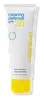 Key Ingredients
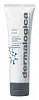
No key ingredients
Benefits
Concerns
Ingredients Side-by-side
Water
Skin ConditioningHomosalate
Skin Conditioning

Octocrylene
UV Absorber

Butylene Glycol
Humectant

Ethylhexyl Salicylate
UV Absorber
Silica
Abrasive


Butyl Methoxydibenzoylmethane
UV Absorber
C12-15 Alkyl Benzoate
AntimicrobialButyloctyl Salicylate
Skin Conditioning
Vp/Eicosene Copolymer
Polyglyceryl-2 Distearate
Emulsifying
Saccharide Isomerate
Humectant
Tapioca Starch
Coriandrum Sativum Fruit Oil
Masking

Camellia Sinensis Leaf Extract
Antimicrobial



Sodium Ascorbyl Phosphate
Antioxidant


Salix Alba Bark Extract
Astringent
Terpineol
Masking
Thymol
AntimicrobialCitrus Aurantium Dulcis Peel Oil
Masking
Dipotassium Glycyrrhizate
Humectant
Tocopheryl Acetate
Antioxidant
Potassium Cetyl Phosphate
EmulsifyingArachidyl Alcohol
Emollient
Glyceryl Stearate
Emollient
PEG-100 Stearate
Surfactant
Behenyl Alcohol
Emollient
Xanthan Gum
EmulsifyingAcrylates/C10-30 Alkyl Acrylate Crosspolymer
Emulsion StabilisingArachidyl Glucoside
EmulsifyingEthylhexylglycerin
Skin ConditioningTrisodium Ethylenediamine Disuccinate
Citric Acid
Buffering

Sodium Citrate
BufferingSodium Hydroxide
BufferingGlycerin
Humectant
Bisabolol
Antioxidant
Pentylene Glycol
Skin Conditioning
Propanediol
Solvent
Hydroxyacetophenone
Antioxidant
Caprylyl Glycol
Emollient
Potassium Sorbate
Preservative
Sodium Benzoate
Masking
Linalool
Perfuming
Limonene
Perfuming
Geraniol
Perfuming
Citronellol
Perfuming
Water, Homosalate, Octocrylene, Butylene Glycol, Ethylhexyl Salicylate, Silica, Butyl Methoxydibenzoylmethane, C12-15 Alkyl Benzoate, Butyloctyl Salicylate, Vp/Eicosene Copolymer, Polyglyceryl-2 Distearate, Saccharide Isomerate, Tapioca Starch, Coriandrum Sativum Fruit Oil, Camellia Sinensis Leaf Extract, Sodium Ascorbyl Phosphate, Salix Alba Bark Extract, Terpineol, Thymol, Citrus Aurantium Dulcis Peel Oil, Dipotassium Glycyrrhizate, Tocopheryl Acetate, Potassium Cetyl Phosphate, Arachidyl Alcohol, Glyceryl Stearate, PEG-100 Stearate, Behenyl Alcohol, Xanthan Gum, Acrylates/C10-30 Alkyl Acrylate Crosspolymer, Arachidyl Glucoside, Ethylhexylglycerin, Trisodium Ethylenediamine Disuccinate, Citric Acid, Sodium Citrate, Sodium Hydroxide, Glycerin, Bisabolol, Pentylene Glycol, Propanediol, Hydroxyacetophenone, Caprylyl Glycol, Potassium Sorbate, Sodium Benzoate, Linalool, Limonene, Geraniol, Citronellol
Water
Skin ConditioningCaprylic/Capric Triglyceride
Masking
Pentylene Glycol
Skin Conditioning
Butylene Glycol
Humectant
Methyl Gluceth-20
Humectant
Coconut Alkanes
Emollient
Cetearyl Alcohol
Emollient

Palmitic Acid
Emollient
Stearic Acid
Cleansing
Saccharide Isomerate
Humectant
Dimethicone
Emollient
Glyceryl Stearate
Emollient
Hydrolyzed Jojoba Esters
Skin Conditioning
Leuconostoc/Radish Root Ferment Filtrate
Antimicrobial
Arctium Lappa Root Extract
Skin Conditioning
Citrus Limon Fruit Extract
Masking
Cucumis Sativus Fruit Extract
Emollient
Hedera Helix Extract
AntimicrobialMalva Sylvestris Flower Extract
Skin ConditioningNasturtium Officinale Extract
Perfuming
Propanediol
Solvent
Polysorbate 60
Emulsifying
Caprylyl Glycol
Emollient
Acrylates/C10-30 Alkyl Acrylate Crosspolymer
Emulsion StabilisingAllantoin
Skin Conditioning
Tetrasodium Glutamate Diacetate
Coco-Caprylate/Caprate
Emollient
Polyquaternium-10
Ethylhexylglycerin
Skin ConditioningTriethyl Citrate
Masking
Myristic Acid
Cleansing
Citrus Aurantium Bergamia Fruit Extract
Skin ConditioningCitrus Limon Peel Extract
EmollientLavandula Angustifolia Flower/Leaf/Stem Extract
Masking
Lavandula Hybrida Flower Extract
Masking
Citric Acid
Buffering
Sodium Citrate
BufferingSodium Hydroxide
BufferingAminomethyl Propanol
BufferingCitral
Perfuming
Linalool
Perfuming
Limonene
Perfuming
Water, Caprylic/Capric Triglyceride, Pentylene Glycol, Butylene Glycol, Methyl Gluceth-20, Coconut Alkanes, Cetearyl Alcohol, Palmitic Acid, Stearic Acid, Saccharide Isomerate, Dimethicone, Glyceryl Stearate, Hydrolyzed Jojoba Esters, Leuconostoc/Radish Root Ferment Filtrate, Arctium Lappa Root Extract, Citrus Limon Fruit Extract, Cucumis Sativus Fruit Extract, Hedera Helix Extract, Malva Sylvestris Flower Extract, Nasturtium Officinale Extract, Propanediol, Polysorbate 60, Caprylyl Glycol, Acrylates/C10-30 Alkyl Acrylate Crosspolymer, Allantoin, Tetrasodium Glutamate Diacetate, Coco-Caprylate/Caprate, Polyquaternium-10, Ethylhexylglycerin, Triethyl Citrate, Myristic Acid, Citrus Aurantium Bergamia Fruit Extract, Citrus Limon Peel Extract, Lavandula Angustifolia Flower/Leaf/Stem Extract, Lavandula Hybrida Flower Extract, Citric Acid, Sodium Citrate, Sodium Hydroxide, Aminomethyl Propanol, Citral, Linalool, Limonene
Reviews
Ingredients Explained
These ingredients are found in both products.
Ingredients higher up in an ingredient list are typically present in a larger amount.
Acrylates/C10-30 Alkyl Acrylate Crosspolymer is a synthetic polymer. It is used to thicken, emulsify, and improve the texture of products.
As an emulsifier, it helps stabilize oil-in-water emulsions to give products an elegant feel when applied.
It can also form a thin protective film on skin. One study found that a formula using this polymer helped slow down how quickly other ingredients (like DEET) were absorbed through skin.
A 2024 study of over 1,300 patients confirmed that sensitization to this ingredient is rare. It is also non-mutagenic and has a clean track record.
Learn more about Acrylates/C10-30 Alkyl Acrylate CrosspolymerButylene Glycol (or BG) is used within cosmetic products for a few different reasons:
Overall, Butylene Glycol is a safe and well-rounded ingredient that works well with other ingredients.
Though this ingredient works well with most skin types, some people with sensitive skin may experience a reaction such as allergic rashes, closed comedones, or itchiness.
Learn more about Butylene GlycolCaprylyl Glycol is a humectant, skin conditioner, emollient, and preservative booster derived from either caprylic acid or synthetically created.
Typical use levels vary from 0.3-1% as a preservative booster and go up to 2% to condition skin.
Because it is not a free-fatty acid, this ingredient is fungal acne safe (there's nothing for Malassezia to feed on).
Learn more about Caprylyl GlycolCitric Acid is an alpha hydroxy acid (AHA) naturally found in citrus fruits like oranges, lemons, and limes.
Like other AHAs, citric acid can exfoliate skin by breaking down the bonds that hold dead skin cells together. This helps reveal smoother and brighter skin underneath.
However, this exfoliating effect only happens at high concentrations (20%) which can be hard to find in cosmetic products.
Due to this, citric acid is usually included in small amounts as a pH adjuster. This helps keep products slightly more acidic and compatible with skin's natural pH.
In skincare formulas, citric acid can:
While it can provide some skin benefits, research shows lactic acid and glycolic acid are generally more effective and less irritating exfoliants.
Most citric acid used in skincare today is made by fermenting sugars (usually from molasses). This synthetic version is identical to the natural citrus form but easier to stabilize and use in formulations.
Read more about some other popular AHA's here:
Learn more about Citric AcidEthylhexylglycerin is created from glycerin. It is a multitasker ingredient that:
The CIR Expert Panel found minimal skin absorption or sensitization of any kind in a safety assessment. Though this ingredient is considered well-tolerated, a small number of cases of allergic dermatitis have been published since 2002. Just be sure to patch test if you are unsure.
Industry-reported use ranges from 8% in rinse-off products and 2% in leave-on formulations.
Learn more about EthylhexylglycerinGlyceryl Stearate is made by reacting glycerin with stearic acid (typically sourced from plant oils like palm or coconut). It's an emulsifier, emollient, and mild occlusive.
Emulsifiers help ingredients like oil and water stay mixed so your formula stays nicely blended and uniform in texture.
This ingredient is typically used in concentrations between 1-10%. Studies have found it to be non-sensitizing, non-phototoxic, and non-photoallergenic.
A close cousin of this ingredient is Glyceryl Stearate SE ("self-emulsifying"). This just has a small amount of sodium or potassium stearate added so it can emulsify without a co-emulsifier.
Since this ingredient is an ester of a C18 fatty acid, it may not be fungal acne safe. The Malassezia yeast can potentially metabolize within the C11-C24 range.
Fun fact: The human body also creates Glyceryl Stearate naturally.
Learn more about Glyceryl StearateLimonene is a fragrance that adds scent and taste to a formulation.
It's found in the peel oil of citrus fruits and other plants such as lavender and eucalyptus. The scent of limonene is generally described as "sweet citrus".
Limonene acts as an antioxidant, meaning it helps neutralize free radicals.
When exposed to air, oxidized limonene may sensitize the skin. Because of this, limonene is often avoided by people with sensitive skin.
The term 'fragrance' is not regulated in many countries. In many cases, it is up to the brand to define this term. For instance, many brands choose to label themselves as "fragrance-free" because they are not using synthetic fragrances. However, their products may still contain ingredients such as essential oils that are considered a fragrance.
Learn more about LimoneneLinalool is a fragrance and helps add scent to products. It's derived from common plants such as cinnamon, mint, citrus, and lavender.
Like Limonene, this ingredient oxidizes when exposed to air. Oxidized linalool can cause allergies and skin sensitivity.
This ingredient has a scent that is floral, spicy tropical, and citrus-like.
Learn more about LinaloolPentylene glycol is typically used within a product to thicken it. It also adds a smooth, soft, and moisturizing feel to the product. It is naturally found in plants such as sugar beets.
The hydrophilic trait of Pentylene Glycol makes it a humectant. As a humectant, Pentylene Glycol helps draw moisture from the air to your skin. This can help keep your skin hydrated.
This property also makes Pentylene Glycol a great texture enhancer. It can also help thicken or stabilize a product.
Pentylene Glycol also acts as a mild preservative and helps to keep a product microbe-free.
Some people may experience mild eye and skin irritation from Pentylene Glycol. We always recommend speaking with a professional about using this ingredient in your routine.
Pentylene Glycol has a low molecular weight and is part of the 1,2-glycol family.
Learn more about Pentylene GlycolPropanediol is an all-star ingredient. It softens, hydrates, and smooths the skin.
It’s often used to:
Propanediol is not likely to cause sensitivity and considered safe to use. It is derived from corn or petroleum with a clear color and no scent.
Learn more about PropanediolSaccharide Isomerate comes from sugars found in corn. It is a skin hydrator.
The structure of this ingredient can be altered to be more similar to the carbohydrates found in our skin. This ability to mimic our skin gives it hydrating properties.
Specifically, saccharide Isomerate is a humectant. Humectants draw moisture from the air to our skin.
Research shows Saccharide Isomerate to be an effective moisturizer.
Learn more about Saccharide IsomerateSodium Citrate is the sodium salts of citric acid. In skincare, it is used to alter pH levels and acts as a preservative.
Its main functions are to maintain the pH of a product and neutralize metal ions.
The acidity of our skin is maintained by our glands and skin biome; normal pH level of skin is slightly acidic (~4.75-5.5).
Being slightly acidic allows our skin to create an "acid mantle". This acid mantle is a thin barrier that protects our skin from bacteria and contaminants.
Learn more about Sodium CitrateSodium Hydroxide is also known as lye or caustic soda. It is used to adjust the pH of products; many ingredients require a specific pH to be effective.
In small amounts, sodium hydroxide is considered safe to use. However, large amounts may cause chemical burns due to its high alkaline.
Your skin has a natural pH and acid mantle. This acid mantle helps prevent harmful bacteria from breaking through. The acid mantle also helps keep your skin hydrated.
"Alkaline" refers to a high pH level. A low pH level would be considered acidic.
Learn more about Sodium HydroxideWater. It's the most common cosmetic ingredient of all. You'll usually see it at the top of ingredient lists, meaning that it makes up the largest part of the product.
So why is it so popular? Water most often acts as a solvent - this means that it helps dissolve other ingredients into the formulation.
You'll also recognize water as that liquid we all need to stay alive. If you see this, drink a glass of water. Remember to stay hydrated!
Learn more about Water
