
What's inside
What's inside
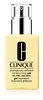 Key Ingredients
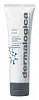
No key ingredients
Benefits
Concerns
Ingredients Side-by-side
Water
Skin ConditioningDimethicone
Emollient

Isododecane
EmollientButylene Glycol
Humectant

Bis-PEG-18 Methyl Ether Dimethyl Silane
EmollientGlycerin
Humectant
Laminaria Saccharina Extract
Skin ProtectingPolygonum Cuspidatum Root Extract
Antioxidant
Saccharomyces Lysate Extract
Humectant
Cucumis Sativus Fruit Extract
Emollient

Hordeum Vulgare Extract
EmollientHelianthus Annuus Seedcake
Abrasive
Caffeine
Skin Conditioning
Trehalose
Humectant
Sodium Hyaluronate
Humectant
Tocopheryl Acetate
Antioxidant

Polysilicone-11

Silica
Abrasive
Propylene Glycol Dicaprate
EmollientOleth-10
EmulsifyingLactobacillus Ferment
Skin Conditioning
Laureth-23
Cleansing
Laureth-4
Emulsifying
Ammonium Acryloyldimethyltaurate/Vp Copolymer
Carbomer
Emulsion StabilisingCaprylyl Glycol
Emollient
Hexylene Glycol
EmulsifyingTromethamine
BufferingDisodium EDTA
Phenoxyethanol
Preservative
CI 19140
Cosmetic ColorantCI 14700
Cosmetic ColorantCI 15985
Cosmetic ColorantWater, Dimethicone, Isododecane, Butylene Glycol, Bis-PEG-18 Methyl Ether Dimethyl Silane, Glycerin, Laminaria Saccharina Extract, Polygonum Cuspidatum Root Extract, Saccharomyces Lysate Extract, Cucumis Sativus Fruit Extract, Hordeum Vulgare Extract, Helianthus Annuus Seedcake, Caffeine, Trehalose, Sodium Hyaluronate, Tocopheryl Acetate, Polysilicone-11, Silica, Propylene Glycol Dicaprate, Oleth-10, Lactobacillus Ferment, Laureth-23, Laureth-4, Ammonium Acryloyldimethyltaurate/Vp Copolymer, Carbomer, Caprylyl Glycol, Hexylene Glycol, Tromethamine, Disodium EDTA, Phenoxyethanol, CI 19140, CI 14700, CI 15985
Water
Skin ConditioningCaprylic/Capric Triglyceride
Masking
Pentylene Glycol
Skin Conditioning
Butylene Glycol
Humectant
Methyl Gluceth-20
Humectant
Coconut Alkanes
Emollient
Cetearyl Alcohol
Emollient
Palmitic Acid
Emollient
Stearic Acid
Cleansing
Saccharide Isomerate
Humectant
Dimethicone
Emollient
Glyceryl Stearate
Emollient
Hydrolyzed Jojoba Esters
Skin Conditioning
Leuconostoc/Radish Root Ferment Filtrate
Antimicrobial
Arctium Lappa Root Extract
Skin Conditioning
Citrus Limon Fruit Extract
Masking
Cucumis Sativus Fruit Extract
Emollient
Hedera Helix Extract
AntimicrobialMalva Sylvestris Flower Extract
Skin ConditioningNasturtium Officinale Extract
Perfuming
Propanediol
Solvent
Polysorbate 60
Emulsifying
Caprylyl Glycol
Emollient
Acrylates/C10-30 Alkyl Acrylate Crosspolymer
Emulsion StabilisingAllantoin
Skin Conditioning
Tetrasodium Glutamate Diacetate
Coco-Caprylate/Caprate
Emollient
Polyquaternium-10
Ethylhexylglycerin
Skin ConditioningTriethyl Citrate
Masking
Myristic Acid
Cleansing
Citrus Aurantium Bergamia Fruit Extract
Skin ConditioningCitrus Limon Peel Extract
EmollientLavandula Angustifolia Flower/Leaf/Stem Extract
Masking
Lavandula Hybrida Flower Extract
Masking
Citric Acid
Buffering

Sodium Citrate
BufferingSodium Hydroxide
BufferingAminomethyl Propanol
BufferingCitral
Perfuming
Linalool
Perfuming
Limonene
Perfuming
Water, Caprylic/Capric Triglyceride, Pentylene Glycol, Butylene Glycol, Methyl Gluceth-20, Coconut Alkanes, Cetearyl Alcohol, Palmitic Acid, Stearic Acid, Saccharide Isomerate, Dimethicone, Glyceryl Stearate, Hydrolyzed Jojoba Esters, Leuconostoc/Radish Root Ferment Filtrate, Arctium Lappa Root Extract, Citrus Limon Fruit Extract, Cucumis Sativus Fruit Extract, Hedera Helix Extract, Malva Sylvestris Flower Extract, Nasturtium Officinale Extract, Propanediol, Polysorbate 60, Caprylyl Glycol, Acrylates/C10-30 Alkyl Acrylate Crosspolymer, Allantoin, Tetrasodium Glutamate Diacetate, Coco-Caprylate/Caprate, Polyquaternium-10, Ethylhexylglycerin, Triethyl Citrate, Myristic Acid, Citrus Aurantium Bergamia Fruit Extract, Citrus Limon Peel Extract, Lavandula Angustifolia Flower/Leaf/Stem Extract, Lavandula Hybrida Flower Extract, Citric Acid, Sodium Citrate, Sodium Hydroxide, Aminomethyl Propanol, Citral, Linalool, Limonene
Reviews
Ingredients Explained
These ingredients are found in both products.
Ingredients higher up in an ingredient list are typically present in a larger amount.
Butylene Glycol (or BG) is used within cosmetic products for a few different reasons:
Overall, Butylene Glycol is a safe and well-rounded ingredient that works well with other ingredients.
Though this ingredient works well with most skin types, some people with sensitive skin may experience a reaction such as allergic rashes, closed comedones, or itchiness.
Learn more about Butylene GlycolCaprylyl Glycol is a humectant, skin conditioner, emollient, and preservative booster derived from either caprylic acid or synthetically created.
Typical use levels vary from 0.3-1% as a preservative booster and go up to 2% to condition skin.
Because it is not a free-fatty acid, this ingredient is fungal acne safe (there's nothing for Malassezia to feed on).
Learn more about Caprylyl GlycolThis extract comes from cucumber. Cucumbers are mostly made up of water (95%), and the other 5% is composed of: vitamin C, caffeic acid, fatty acids, amino acids, and other minerals.
Cucumbers have anti-inflammatory, barrier repair, and hydrating properties.
They contain shikimate dehydrigenase, an enzyme shown to help reduce inflammation and soothe the skin.
The amino acids found in cucumbers help nourish our skin's natural acid mantle (it's an important part of our skin barrier). This slightly acidic film acts as a barrier to protect us from bacteria, viruses, and other contaminants.
Unless you have an allergy to cucumbers, this is generally a non-irritating ingredient.
Fun fact: Cucumis Sativus is native to South Asia and can now be found on every continent.
Learn more about Cucumis Sativus Fruit ExtractDimethicone is a type of synthetic silicone created from natural materials such as quartz. It is also known as polydimethylsiloxane.
What it does:
Dimethicone comes in different viscosities:
Depending on the viscosity, dimethicone has different properties.
Ingredients lists don't always show which type is used, so we recommend reaching out to the brand if you have questions about the viscosity.
This ingredient is unlikely to cause irritation because it does not get absorbed into skin. However, people with silicone allergies should be careful about using this ingredient.
Note: Dimethicone may contribute to pilling. This is because it is not oil or water soluble, so pilling may occur when layered with products. When mixed with heavy oils in a formula, the outcome is also quite greasy.
Learn more about DimethiconeWater. It's the most common cosmetic ingredient of all. You'll usually see it at the top of ingredient lists, meaning that it makes up the largest part of the product.
So why is it so popular? Water most often acts as a solvent - this means that it helps dissolve other ingredients into the formulation.
You'll also recognize water as that liquid we all need to stay alive. If you see this, drink a glass of water. Remember to stay hydrated!
Learn more about Water
