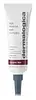
This anti-aging eye moisturizer is formulated around Niacinamide and Palmitoyl Tetrapeptide-7 to soften the look of wrinkles and refine skin texture.
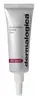
This anti-aging eye moisturizer is formulated around Ascorbic Acid and Retinyl Palmitate to soften the look of wrinkles and brighten dull-looking skin.

What's inside
What's inside
 Key Ingredients
Benefits
Concerns
Ingredients Side-by-side
Water
Skin ConditioningMethylheptyl Isostearate
Skin ConditioningCyclopentasiloxane
Emollient
Cetyl Alcohol
Emollient



Diglycerin
Humectant
Dimethicone
Emollient
Pentylene Glycol
Skin Conditioning
Prunus Armeniaca Kernel Oil
Masking


Glyceryl Stearate
Emollient
PEG-100 Stearate
Surfactant
Isohexadecane
EmollientPropanediol
Solvent
Glycerin
Humectant
Niacinamide
Smoothing









Palmitoyl Tetrapeptide-7
Skin Conditioning
Sodium Ascorbyl Phosphate
Antioxidant

Algae Extract
Emollient
Retinol
Skin Conditioning

Saccharomyces Lysate Extract
Humectant
Palmitoyl Tripeptide-5
Skin Conditioning
Avena Sativa Kernel Extract
Abrasive
Dunaliella Salina Extract
Skin ConditioningPanthenol
Skin Conditioning
Hydrolyzed Lupine Protein
Skin ConditioningDipeptide-2
Skin Conditioning
Ascorbyl Palmitate
Antioxidant
Sodium Hyaluronate
Humectant
Medicago Sativa Seed Extract
Skin ConditioningHydrolyzed Soy Protein
Humectant
Glycyrrhiza Glabra Root Extract
Bleaching
Bisabolol
Antioxidant
Caffeine
Skin Conditioning
Glucosamine Hcl
Aleurites Moluccanus Seed Oil
Skin Conditioning
Fraxinus Excelsior Bark Extract
Skin ConditioningTocopherol
Antioxidant
Silanetriol
Palmitoyl Tripeptide-1
Skin Conditioning
Ceramide NP
Skin Conditioning
Lecithin
Emollient
Arginine/Lysine Polypeptide
Skin Conditioning
Tremella Fuciformis Polysaccharide
Emulsion Stabilising
Camellia Sinensis Leaf Extract
Antimicrobial
Cucumis Sativus Fruit Extract
Emollient
Tocopheryl Acetate
Antioxidant
Corallina Officinalis Extract
Skin Conditioning
Dimethiconol
Emollient
Hesperidin Methyl Chalcone
Antioxidant
Pantolactone
Humectant
Sodium Lactate
Buffering
Leuconostoc/Radish Root Ferment Filtrate
Antimicrobial
Acrylates/C10-30 Alkyl Acrylate Crosspolymer
Emulsion StabilisingLaureth-23
Cleansing
Oryza Sativa Bran Extract
Skin Conditioning
Urea
Buffering
Polyglycerin-3
Humectant
Helianthus Annuus Seed Oil
Emollient
Cetyl Palmitate
Emollient
Trideceth-6 Phosphate
EmulsifyingButylene Glycol
Humectant
Carbomer
Emulsion StabilisingPotassium Sorbate
Preservative
Oleth-20
CleansingSodium Acrylates Copolymer
Isostearic Acid
Cleansing
Steareth-20
CleansingPolysorbate 20
Emulsifying
Caprylic/Capric Triglyceride
Masking
Disodium EDTA
ChelatingSodium Benzoate
Masking
BHA
Antioxidant
Potassium Citrate
BufferingCitric Acid
Buffering
BHT
Antioxidant
Sodium Hydroxide
BufferingAminomethyl Propanol
BufferingEthylhexylglycerin
Skin ConditioningPhenoxyethanol
Preservative
Water, Methylheptyl Isostearate, Cyclopentasiloxane, Cetyl Alcohol, Diglycerin, Dimethicone, Pentylene Glycol, Prunus Armeniaca Kernel Oil, Glyceryl Stearate, PEG-100 Stearate, Isohexadecane, Propanediol, Glycerin, Niacinamide, Palmitoyl Tetrapeptide-7, Sodium Ascorbyl Phosphate, Algae Extract, Retinol, Saccharomyces Lysate Extract, Palmitoyl Tripeptide-5, Avena Sativa Kernel Extract, Dunaliella Salina Extract, Panthenol, Hydrolyzed Lupine Protein, Dipeptide-2, Ascorbyl Palmitate, Sodium Hyaluronate, Medicago Sativa Seed Extract, Hydrolyzed Soy Protein, Glycyrrhiza Glabra Root Extract, Bisabolol, Caffeine, Glucosamine Hcl, Aleurites Moluccanus Seed Oil, Fraxinus Excelsior Bark Extract, Tocopherol, Silanetriol, Palmitoyl Tripeptide-1, Ceramide NP, Lecithin, Arginine/Lysine Polypeptide, Tremella Fuciformis Polysaccharide, Camellia Sinensis Leaf Extract, Cucumis Sativus Fruit Extract, Tocopheryl Acetate, Corallina Officinalis Extract, Dimethiconol, Hesperidin Methyl Chalcone, Pantolactone, Sodium Lactate, Leuconostoc/Radish Root Ferment Filtrate, Acrylates/C10-30 Alkyl Acrylate Crosspolymer, Laureth-23, Oryza Sativa Bran Extract, Urea, Polyglycerin-3, Helianthus Annuus Seed Oil, Cetyl Palmitate, Trideceth-6 Phosphate, Butylene Glycol, Carbomer, Potassium Sorbate, Oleth-20, Sodium Acrylates Copolymer, Isostearic Acid, Steareth-20, Polysorbate 20, Caprylic/Capric Triglyceride, Disodium EDTA, Sodium Benzoate, BHA, Potassium Citrate, Citric Acid, BHT, Sodium Hydroxide, Aminomethyl Propanol, Ethylhexylglycerin, Phenoxyethanol
Cyclopentasiloxane
Emollient
Bis-Diglyceryl Polyacyladipate-2
Emollient
Dimethicone Crosspolymer
Emulsion Stabilising
Cetyl Ethylhexanoate
EmollientPolylactic Acid
Abrasive
Tocopheryl Acetate
Antioxidant
Caprylic/Capric Triglyceride
Masking
Camellia Sinensis Leaf Extract
Antimicrobial
Chamomilla Recutita Extract
Skin Conditioning
Spilanthes Acmella Flower Extract
Skin ConditioningCorallina Officinalis Extract
Skin Conditioning
Carthamus Tinctorius Seed Oil
Masking
Vitis Vinifera Seed Oil
Emollient
Ascorbic Acid
Antioxidant
Glycyrrhetinic Acid
Skin Conditioning
Boron Nitride
Absorbent
Retinyl Palmitate
Skin Conditioning
Tocopherol
Antioxidant
Hydrogenated Soybean Oil
Emollient
Benzyl Alcohol
Perfuming



Aroma
Cyclopentasiloxane, Bis-Diglyceryl Polyacyladipate-2, Dimethicone Crosspolymer, Cetyl Ethylhexanoate, Polylactic Acid, Tocopheryl Acetate, Caprylic/Capric Triglyceride, Camellia Sinensis Leaf Extract, Chamomilla Recutita Extract, Spilanthes Acmella Flower Extract, Corallina Officinalis Extract, Carthamus Tinctorius Seed Oil, Vitis Vinifera Seed Oil, Ascorbic Acid, Glycyrrhetinic Acid, Boron Nitride, Retinyl Palmitate, Tocopherol, Hydrogenated Soybean Oil, Benzyl Alcohol, Aroma
Reviews
Ingredients Explained
These ingredients are found in both products.
Ingredients higher up in an ingredient list are typically present in a larger amount.
Camellia Sinensis Leaf Extract (tea extract) is one of the most well-researched plant extracts in skincare with an impressive resume.
Black tea, green tea, and oolong tea are all harvested from the Camellia Sinensis plant.
Studies show green tea extract and its catechins (like epigallocatechin gallate (EGCG)) help your skin cells product energy more efficiently and reducing the number of free-radicals that can damage your skin from the inside.
In lab-grown skin models, this translated to younger, healthier, and stronger skin.
There's also good sun protection data; researchers saw less DNA damage and redness on human skin when green tea was applied before UVB exposure. And the more they applied, the better the protection.
Needless to say, this ingredient shouldn't replace your sunscreen. But it is a great supportive ingredient that you can already find in many sunscreens and antioxidant serums.
A 2009 study found a 2% green tea lotion was effective for mild-to-moderate acne thanks to its anti-inflammatory and mild antimicrobial activity.
The quality of the extract matters a lot here:
Good extracts contain 50-90% catechins while lower quality ones are mostly there for marketing. We recommend reaching out to the brand if you have questions about the quality or source of their ingredients.
Human Repeated Insult Patch Testing showed no irritation or sensitization at use concentrations (0.86% in leave-on products and up to 30% as leaf water).
Learn more about Camellia Sinensis Leaf ExtractCaprylic/Capric Triglyceride (aka MCT Oil) is a lightweight emollient, solvent, and texture enhancer. It is considered a skin-softener by helping to prevent moisture loss.
Though it behaves like an oil, it is not technically one due to its chemical composition. One perk of this ingredient is that it is very stable, resistant to oxidation, and unlikely to go rancid.
In practice, that translates to a long shelf life and a consistently elegant skin feel.
While there is an assumption Caprylic Triglyceride can clog pores due to it being derived from coconut oil, there is no research supporting this. Just patch test if you have concerns.
Fractionated coconut oil and MCT Oil are both listed as Caprylic/Capric Triglyceride according to INCI. This is because INCI names are based on the ingredient’s final chemical composition and not its marketing name or source.
This ingredient is treated as the gold standard fungal acne safe oil. Even though it is coconut derived, the problematic lauric acid is stripped out.
This leaves just caprylic (C8) and capric (C10) acid. These chain lengths actually trend antifungal; a 2020 study found caprylic acid was enough to disrupt Malassezia furfur cell membrane, with a caprylic acid derivative damaging membrane structures at concentrations as low as 0.2%.
Learn more about Caprylic/Capric TriglycerideCorallina Officinalis Extract comes from the small red seaweed that grows on rocky coastlines that feels stiff to the touch because it builds calcium carbonate right into its cell walls.
That mineral content is basically its whole selling point: the extract brings calcium, magnesium, and trace minerals along with sugars (polysaccharides) and proteins. This is why formulators use it as a skin-conditioning and hydrating ingredient.
Lab testing does back up decent antioxidant activity for this species. A study comparing twelve red seaweeds found Corallina Officinalis stood out for its free-radical scavenging capacity. And a separate study found meaningful radical scavenging plus antibacterial activity from the raw biomass.
It's worth being clear that most of this is test-tube work on raw-algae and not a clinical trial on a finished cream.
On concentration, a 2020 industry survey found it's used at up to 2% in makeup and skincare. Safety-wise, it's as boring as it gets: the Cosmetic Ingredient Review Expert Panel concluded this ingredient (along with the powder, Thallus Extract, and Hydrolyzed versions) to be safe as used in cosmetics and cited negative sensitization data.
There's no meaningful record of it causing allergic contact dermatitis, but be sure to patch test if you are unsure.
You'll see algae/seaweed listed as a 5/5 on a lot of pore-clogging charts and that number doesn't come from anywhere; it's not in the original rabbit-ear studies that most comedogenic ratings trace back to.
The reasoning behind the reputation is that seaweed is high in iodine and iodine can trigger acne-like breakouts when eaten. This traces back to a 1976 letter in Archives of Dermatology describing two women whose breakouts cleared after they stopped taking high-dose kelp supplements orally.
And the reaction of these two women wasn't clogged pores at all: it was an iodine-triggered pustular rash. Later research found normal dietary iodine doesn't meaningfully affect acne either and nobody has shown topical seaweed delivers enough iodine to matter.
What we do have is dozens of brown and red algae ingredients found to be non-irritating and non-sensitizing, and a handful of studies that found algae compounds may actually help acne.
However, plenty of people do report breaking out from algae-containing products. Skin is individual and it's worth avoiding if yours has reacted to algae before.
Learn more about Corallina Officinalis ExtractCyclopentasiloxane (D5) is a lightweight silicone that mostly acts as an emollient and solvent in cosmetics. Its the reason your products feel silky, fast-spreading, and non-greasy.
Since D5 is volatile, it does its thing and then evaporates off the skin quickly.
The safety profile of this ingredient is reassuring; the US CIR Expert Panel concluded D5 is safe as used in cosmetics and Health Canada concluded that D5 is not harmful to human health or the environment as currently used in cosmetics
There's a study that people mention about D5 in a rat study showing tumors. This study is related to long-term inhalation of high D5 levels.
Regulatory bodies have judged this study to be not applicable in topical skincare since skin absorption of D5 is very low and we're not really inhaling huge amounts of D5.
The only restriction for this ingredient is environmental. The European Chemicals Agency (ECHA) restricted D5 in wash-off cosmetics at or above 0.1% due to their persistence in water.
Learn more about CyclopentasiloxaneTocopherol is a fat-soluble antioxidant known as Vitamin E.
You'll find this ingredient in the vast majority of skincare (for good reason). It works to neutralize free radicals, or unstable molecules generated by UV exposure, pollution, and other environmental stressors, before they can cause oxidative damage to your skin cells.
Topically applied tocopherol has been shown to protect against UV damage by ramping up the skin's own natural defense enzymes.
It also acts as a skin conditioning agent; some studies show that regular topical use can improve the skin's water-binding capacity over 2-4 weeks.
This ingredient is especially loved for being a team player. When combined with Vitamin C, the photoprotective effect of both ingredients roughly doubles and the combo also helps reduce UV-induced DNA damage.
This ingredient has some brightening potential but it's more of a prevention ingredient than spot-fader. Cell studies show it can slow down melanin production but it's worth noting that it's not the most powerful brightener out there.
In formulations, it also serves as a stabilizer that helps protect other oxidation-prone ingredients from degrading.
Concentrations usually range from 0.1-1% in most leave-on products.
Learn more about TocopherolTocopheryl Acetate is a stable, shelf-friendly form of vitamin E.
Formulators love it because plain vitamin E oxidizes quickly once it hits air. This acetate version stays stable and resists going off, helping to extend a product's shelf life.
It's actually inactive on its own and works like a slow-release "storage" form; the enzymes in your skin called esterases gradually convert it into active vitamin E over time.
One in vivo study showed 5% of the acetate in the living layer of the epidermis converted to vitamin E after 5 days of application. This study also found the skin gained protection against UV damage even though the conversion was slow and small.
Once converted, vitamin E acts as a skin's main fat-soluble antioxidant that fights free radicals to protect skin from damage.
Topical vitamin E generally boosts the skin's photoprotection, and it reduced UV-damage in animal models.
This ingredient has some brightening potential but it's more of a prevention ingredient than spot-fader. Cell studies show it can slow down melanin production but it's worth noting that it's not the most powerful brightener out there.
Overall, it has a pretty solid safety profile and has been found to be non-irritating and non-comedogenic. Allergic reactions may happen but stay rare due to how widely the ingredient gets used.
The concentration will vary depending on the formula; industry data shows 0.1% in baby lotions, 3% in lipsticks, and 5% in foot powders. You can also find this ingredient at 100% in a pure vitamin E oil.
Most leave-on skincare keeps it at the lower end, often between 0.5-1%.
Learn more about Tocopheryl Acetate

