
What's inside
What's inside
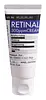 Key Ingredients
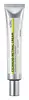
Benefits
Concerns
Ingredients Side-by-side
Centella Asiatica Extract
Cleansing





Glycerin
Humectant
Hydrogenated Polydecene
EmollientCaprylyl Methicone
Skin Conditioning
Niacinamide
Smoothing





Panthenol
Skin Conditioning
Pentylene Glycol
Skin Conditioning
Polyglyceryl-10 Behenate/Eicosadioate
EmulsifyingWater
Skin Conditioning1,2-Hexanediol
Skin Conditioning
Ammonium Acryloyldimethyltaurate/Vp Copolymer
Butylene Glycol
Humectant
Polymethylsilsesquioxane
Caprylic/Capric Triglyceride
Masking
Acrylates/C10-30 Alkyl Acrylate Crosspolymer
Emulsion StabilisingHydroxyethyl Acrylate/Sodium Acryloyldimethyl Taurate Copolymer
Emulsion StabilisingLecithin
Emollient
Tromethamine
BufferingParfum
Masking



Ethylhexylglycerin
Skin ConditioningXanthan Gum
EmulsifyingAdenosine
Skin Conditioning
Retinal
Skin Conditioning
Disodium EDTA
Sorbitan Isostearate
Emulsifying
Ozothamnus Diosmifolius Extract
Ascorbic Acid
Antioxidant

Centella Asiatica Extract, Glycerin, Hydrogenated Polydecene, Caprylyl Methicone, Niacinamide, Panthenol, Pentylene Glycol, Polyglyceryl-10 Behenate/Eicosadioate, Water, 1,2-Hexanediol, Ammonium Acryloyldimethyltaurate/Vp Copolymer, Butylene Glycol, Polymethylsilsesquioxane, Caprylic/Capric Triglyceride, Acrylates/C10-30 Alkyl Acrylate Crosspolymer, Hydroxyethyl Acrylate/Sodium Acryloyldimethyl Taurate Copolymer, Lecithin, Tromethamine, Parfum, Ethylhexylglycerin, Xanthan Gum, Adenosine, Retinal, Disodium EDTA, Sorbitan Isostearate, Ozothamnus Diosmifolius Extract, Ascorbic Acid
Water
Skin ConditioningCaprylic/Capric Triglyceride
Masking
Ethylhexyl Palmitate
Emollient

Glycerin
Humectant
Butyrospermum Parkii Butter
Skin Conditioning
Dicaprylyl Carbonate
EmollientCaprylic/Capric/Myristic/Stearic Triglyceride
EmollientNiacinamide
Smoothing
Pentylene Glycol
Skin Conditioning
Hydrogenated Polydecene
EmollientPhenyl Trimethicone
Skin Conditioning
1,2-Hexanediol
Skin Conditioning
Macadamia Ternifolia Seed Oil
Emollient
Retinal
Skin Conditioning
Melia Azadirachta Flower Extract
Skin ConditioningMelia Azadirachta Leaf Extract
Skin ConditioningCurcuma Longa Root Extract
Masking
Ocimum Sanctum Leaf Extract
Skin ConditioningCorallina Officinalis Extract
Skin Conditioning
Hydrolyzed Hyaluronic Acid
Humectant
Centella Asiatica Extract
Cleansing
Glycine Soja Oil
Emollient
Pinus Pinaster Bark Extract
Antioxidant
Polyglyceryl-6 Stearate
Emollient
Synthetic Beeswax
Emulsion Stabilising
Cetearyl Olivate
Sorbitan Olivate
Emulsifying
Silica
Abrasive
Butylene Glycol
Humectant
Panthenol
Skin Conditioning
Sorbitan Stearate
Emulsifying
Hydrogenated Lecithin
Emulsifying
Hydroxyacetophenone
Antioxidant
Ammonium Acryloyldimethyltaurate/Vp Copolymer
Pentaerythrityl Distearate
Emulsifying
Sodium Acrylate/Sodium Acryloyldimethyl Taurate Copolymer
Emulsion StabilisingPalmitic Acid
Emollient
Polyisobutene
Stearic Acid
Cleansing
Polyglyceryl-6 Behenate
Emulsion Stabilising
Cholesterol
Emollient
Bakuchiol
Antimicrobial
Brassica Campestris Sterols
EmollientAdenosine
Skin Conditioning
Ceteth-3
EmulsifyingCeteth-5
EmulsifyingDipotassium Glycyrrhizate
Humectant
Tocopherol
Antioxidant
Aluminum/Magnesium Hydroxide Stearate
Emulsion StabilisingTocopheryl Acetate
Antioxidant
Sodium Phytate
Caprylyl/Capryl Glucoside
CleansingPotassium Cetyl Phosphate
EmulsifyingSorbitan Oleate
Emulsifying
Pentaerythrityl Tetra-Di-T-Butyl Hydroxyhydrocinnamate
Antioxidant
Allantoin
Skin Conditioning
Madecassoside
Antioxidant
Ceramide NP
Skin Conditioning
Retinol
Skin Conditioning
Stearyl Alcohol
Emollient
Cetyl Alcohol
Emollient
Myristyl Alcohol
Emollient
Lauryl Alcohol
Emollient
Disodium EDTA
PEG-5 Rapeseed Sterol
Cleansing
Water, Caprylic/Capric Triglyceride, Ethylhexyl Palmitate, Glycerin, Butyrospermum Parkii Butter, Dicaprylyl Carbonate, Caprylic/Capric/Myristic/Stearic Triglyceride, Niacinamide, Pentylene Glycol, Hydrogenated Polydecene, Phenyl Trimethicone, 1,2-Hexanediol, Macadamia Ternifolia Seed Oil, Retinal, Melia Azadirachta Flower Extract, Melia Azadirachta Leaf Extract, Curcuma Longa Root Extract, Ocimum Sanctum Leaf Extract, Corallina Officinalis Extract, Hydrolyzed Hyaluronic Acid, Centella Asiatica Extract, Glycine Soja Oil, Pinus Pinaster Bark Extract, Polyglyceryl-6 Stearate, Synthetic Beeswax, Cetearyl Olivate, Sorbitan Olivate, Silica, Butylene Glycol, Panthenol, Sorbitan Stearate, Hydrogenated Lecithin, Hydroxyacetophenone, Ammonium Acryloyldimethyltaurate/Vp Copolymer, Pentaerythrityl Distearate, Sodium Acrylate/Sodium Acryloyldimethyl Taurate Copolymer, Palmitic Acid, Polyisobutene, Stearic Acid, Polyglyceryl-6 Behenate, Cholesterol, Bakuchiol, Brassica Campestris Sterols, Adenosine, Ceteth-3, Ceteth-5, Dipotassium Glycyrrhizate, Tocopherol, Aluminum/Magnesium Hydroxide Stearate, Tocopheryl Acetate, Sodium Phytate, Caprylyl/Capryl Glucoside, Potassium Cetyl Phosphate, Sorbitan Oleate, Pentaerythrityl Tetra-Di-T-Butyl Hydroxyhydrocinnamate, Allantoin, Madecassoside, Ceramide NP, Retinol, Stearyl Alcohol, Cetyl Alcohol, Myristyl Alcohol, Lauryl Alcohol, Disodium EDTA, PEG-5 Rapeseed Sterol
Reviews
Ingredients Explained
These ingredients are found in both products.
Ingredients higher up in an ingredient list are typically present in a larger amount.
1,2-Hexanediol is a synthetic liquid and another multi-functional powerhouse.
It is a:
- Humectant, drawing moisture into the skin
- Emollient, helping to soften skin
- Solvent, dispersing and stabilizing formulas
- Preservative booster, enhancing the antimicrobial activity of other preservatives
Adenosine is in every living organism. It is one of four components in nucleic acids that helps store our DNA.
Adenosine has many benefits when used. These benefits include hydrating the skin, smoothing skin, and reducing wrinkles. Once applied, adenosine increases collagen production. It also helps with improving firmness and tissue repair.
Studies have found adenosine may also help with wound healing.
In skincare products, Adenosine is usually derived from yeast.
Learn more about AdenosineAmmonium Acryloyldimethyltaurate/Vp Copolymer is a synthetically created polymer. It's used as a film-forming agent and used to thicken the consistency of products.
Think of it as a supportive ingredient that helps your gel-creams feel silky, "cloud cream-like", and spread evenly without being greasy.
The Cosmetic Ingredient Review (CIR) Expert Panel evaluated it (along with 22 other acryloyldimethyltaurate polymers) and concluded it's:
Due to its large molecular size, it sits on the surface of skin rather than penetrating it.
Learn more about Ammonium Acryloyldimethyltaurate/Vp CopolymerButylene Glycol (or BG) is used within cosmetic products for a few different reasons:
Overall, Butylene Glycol is a safe and well-rounded ingredient that works well with other ingredients.
Though this ingredient works well with most skin types, some people with sensitive skin may experience a reaction such as allergic rashes, closed comedones, or itchiness.
Learn more about Butylene GlycolCaprylic/Capric Triglyceride (aka MCT Oil) is a lightweight emollient, solvent, and texture enhancer. It is considered a skin-softener by helping to prevent moisture loss.
Though it behaves like an oil, it is not technically one due to its chemical composition. One perk of this ingredient is that it is very stable, resistant to oxidation, and unlikely to go rancid.
In practice, that translates to a long shelf life and a consistently elegant skin feel.
While there is an assumption Caprylic Triglyceride can clog pores due to it being derived from coconut oil, there is no research supporting this. Just patch test if you have concerns.
Fractionated coconut oil and MCT Oil are both listed as Caprylic/Capric Triglyceride according to INCI. This is because INCI names are based on the ingredient’s final chemical composition and not its marketing name or source.
This ingredient is treated as the gold standard fungal acne safe oil. Even though it is coconut derived, the problematic lauric acid is stripped out.
This leaves just caprylic (C8) and capric (C10) acid. These chain lengths actually trend antifungal; a 2020 study found caprylic acid was enough to disrupt Malassezia furfur cell membrane, with a caprylic acid derivative damaging membrane structures at concentrations as low as 0.2%.
Learn more about Caprylic/Capric TriglycerideCentella Asiatica Extract (Centella) is derived from an herb native to Southeast Asia. It is famous for its anti-inflammatory and soothing properties.
Centella is rich in antioxidants and amino acids, such as Madecassic Acid and Asiaticoside.
Studies show the compounds in centella help with:
The combination of all these properties makes centella effective at soothing, hydrating, and protecting the skin.
Other great components of centella include Vitamin A, vitamin C, several B vitamins, and Asiatic Acid.
Fun fact: Centella has been used as a medicine and in food for many centuries. As a medicine, it is used to treat burns, scratches, and wounds.
Learn more about Centella Asiatica ExtractDisodium EDTA is a chelating agent. It grabs onto and deactivates metal ions that sneak into your products from water, packaging, or air.
This ingredient mainly works behind the scenes and helps with:
On top of that, this ingredient can counteract the effects of hard water by binding to the minerals in it.
One thing worth knowing is that Disodium EDTA has been shown to be a mild penetration enhancer. It can help other ingredients absorb into skin more effectively which can be a double-edged sword (great for actives, but can also make the active too strong if you have sensitive skin).
Clinical patch testing showed no significant skin irritation at typical use concentrations and minimal dermal absorption.
You'll most likely see this ingredient near the end of an ingredient list. It's typically found in concentrations less than 1%.
Learn more about Disodium EDTAGlycerin (or glycerol) is a compound naturally found in your skin. It's a powerhouse humectant that pulls water into the stratum corneum.
Topically, glycerin does several things at once:
Your skin makes glycerin on its own (mostly from sebaceous oil breakdown) and shuttles it to your outermost layer of skin, or your epidermis, via aquaporin-3.
Aquaporin-3 is a transporter that is essential for normal skin hydration, elasticity, and repair. Interestingly, mice lacking in AQP3 have dry and less elastic skin that can be fully corrected with glycerin.
This ingredient is non-irritating, plays well with almost every ingredient, and works across all skin types. Typical use is anywhere between 3-10% but can go up to 79% in some leave-on products.
Just know very high concentrations (>40%) can feel tacky in low humidity.
Glycerin is the name for this ingredient in American English. British English uses Glycerol/Glycerine.
Learn more about GlycerinHydrogenated Polydecene is a synthetic emollient. It forms a non-occlusive film on the skin's surface to provide a silky feel without being greasy.
In vivo studies in volunteers with atopic and dry skin showed no irritation or intolerance. The volunteers also saw a positive effect in dryness, scaling, and roughness after 28 days of use.
Concentrations up to 100% in guinea pig tests found it to be non-sensitizing and completely safe for use in cosmetics.
Learn more about Hydrogenated PolydeceneNiacinamide is a multitasking form of vitamin B3 that strengthens the skin barrier, reduces pores and dark spots, regulates oil, and improves signs of aging.
And the best part? It's gentle and well-tolerated by most skin types, including sensitive and reactive skin.
You might have heard of "niacin flush", or the reddening of skin that causes itchiness. Niacinamide has not been found to cause this.
In very rare cases, some individuals may not be able to tolerate niacinamide at all or experience an allergic reaction to it.
If you are experiencing flaking, irritation, and dryness with this ingredient, be sure to double check all your products as this ingredient can be found in all categories of skincare.
When incorporating niacinamide into your routine, look out for concentration amounts. Typically, 5% niacinamide provides benefits such as fading dark spots. However, if you have sensitive skin, it is better to begin with a smaller concentration.
When you apply niacinamide to your skin, your body converts it into nicotinamide adenine dinucleotide (NAD). NAD is an essential coenzyme that is already found in your cells as "fuel" and powers countless biological processes.
In your skin, NAD helps repair cell damage, produce new healthy cells, support collagen production, strengthen the skin barrier, and fight environmental stressors (like UV and pollution).
Our natural NAD levels start to decline with age, leading to slower skin repair, visible aging, and a weaker skin barrier. By providing your skin niacinamide, you're recharging your skin's NAD levels. This leads to stronger, healthier, and younger looking skin.
Another name for vitamin B3 is nicotinamide. This vitamin is water-soluble and our bodies don't store it. We obtain Vitamin B3 from either food or skincare. Meat, fish, wheat, yeast, and leafy greens contain vitamin B3.
The type of niacinamide used in skincare is synthetically created.
Learn more about NiacinamidePanthenol is a common ingredient that helps hydrate and soothe the skin. It is found naturally in our skin and hair.
There are two forms of panthenol: D and L.
D-panthenol is also known as dexpanthenol. Most cosmetics use dexpanthenol or a mixture of D and L-panthenol.
Panthenol is famous due to its ability to go deeper into the skin's layers. Using this ingredient has numerous pros (and no cons):
Like hyaluronic acid, panthenol is a humectant. Humectants are able to bind and hold large amounts of water to keep skin hydrated.
This ingredient works well for wound healing. It works by increasing tissue in the wound and helps close open wounds.
Once oxidized, panthenol converts to pantothenic acid. Panthothenic acid is found in all living cells.
This ingredient is also referred to as pro-vitamin B5.
Learn more about PanthenolPentylene glycol is typically used within a product to thicken it. It also adds a smooth, soft, and moisturizing feel to the product. It is naturally found in plants such as sugar beets.
The hydrophilic trait of Pentylene Glycol makes it a humectant. As a humectant, Pentylene Glycol helps draw moisture from the air to your skin. This can help keep your skin hydrated.
This property also makes Pentylene Glycol a great texture enhancer. It can also help thicken or stabilize a product.
Pentylene Glycol also acts as a mild preservative and helps to keep a product microbe-free.
Some people may experience mild eye and skin irritation from Pentylene Glycol. We always recommend speaking with a professional about using this ingredient in your routine.
Pentylene Glycol has a low molecular weight and is part of the 1,2-glycol family.
Learn more about Pentylene GlycolRetinal is a form of retinoid. Retinoids are the gold-standard class of anti-aging ingredients.
Retinal has many benefits as other retinoids: improve skin texture, reduce large pores, reduce the effects of aging, reduce the visibility of dark spots, heal scars, and fight acne.
Studies show retinal may work at a faster rate than retinol due to its structure.
All retinoids have to be converted into retinoic acid before starting to work. Some retinoids take several steps of conversion before binding. Retinal is only one step away, making it more potent.
Like other retinoids, retinal may be irritating. It is best to ease into using this ingredient frequently.
Using the 'ramp up' method, start by using retinol once a week. This gives your skin time to adjust and decrease irritation. Once you feel ready, you can slowly increase the frequency of retinol use.
Using retinoids will increase sun-sensitivity in the first few weeks of use. Though studies show retinoids increase your skin's natural SPF with continuous use, it is best to always wear sunscreen and sun-protection.
Learn more about RetinalWater. It's the most common cosmetic ingredient of all. You'll usually see it at the top of ingredient lists, meaning that it makes up the largest part of the product.
So why is it so popular? Water most often acts as a solvent - this means that it helps dissolve other ingredients into the formulation.
You'll also recognize water as that liquid we all need to stay alive. If you see this, drink a glass of water. Remember to stay hydrated!
Learn more about Water
