

What's inside
What's inside
 Key Ingredients
Benefits
Concerns
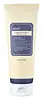
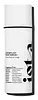
Ingredients Side-by-side
Water
Skin ConditioningGlycerin
Humectant


Caprylic/Capric Triglyceride
Masking
Sodium Hyaluronate
Humectant


Butyrospermum Parkii Butter
Skin Conditioning




Cetyl Ethylhexanoate
EmollientSimmondsia Chinensis Seed Oil
Emollient
Glyceryl Stearate
Emollient
Sorbitan Stearate
Emulsifying
Cetyl Alcohol
Emollient
Stearic Acid
Cleansing
Beta-Glucan
Skin Conditioning
Sorbitan Sesquioleate
Emulsifying
Microcrystalline Wax
Emulsion StabilisingCyclopentasiloxane
Emollient
Betaine
Humectant
Ceramide NP
Skin Conditioning
Polyquaternium-51
Skin Conditioning
PEG-100 Stearate
Surfactant
Illicium Verum Fruit Extract
Perfuming
Citrus Paradisi Fruit Extract
Skin ConditioningNelumbium Speciosum Flower Extract
Skin ConditioningPaeonia Suffruticosa Root Extract
Skin ProtectingScutellaria Baicalensis Root Extract
Astringent
Dimethicone
Emollient
Tocopheryl Acetate
Antioxidant


Chlorphenesin
Antimicrobial
Carbomer
Emulsion StabilisingArginine
Masking
Citric Acid
Buffering
Ethylhexylglycerin
Skin ConditioningPortulaca Oleracea Extract
Skin Conditioning
Althaea Rosea Flower Extract
Skin ConditioningAloe Barbadensis Leaf Extract
Emollient
Apium Graveolens Extract
Skin ConditioningBrassica Oleracea Capitata Leaf Extract
Skin ConditioningBrassica Oleracea Italica Extract
AstringentBrassica Rapa Leaf Extract
Skin ConditioningDaucus Carota Sativa Root Extract
Skin Conditioning
Oryza Sativa Bran Extract
Skin Conditioning
Solanum Lycopersicum Fruit/Leaf/Stem Extract
AstringentNatto Gum
Centella Asiatica Extract
Cleansing
Disodium EDTA
ChelatingLysine Hcl
Skin Conditioning
Proline
Skin Conditioning
Sodium Ascorbyl Phosphate
Antioxidant

Acetyl Methionine
Skin Conditioning
Theanine
EmollientWater, Glycerin, Caprylic/Capric Triglyceride, Sodium Hyaluronate, Butyrospermum Parkii Butter, Cetyl Ethylhexanoate, Simmondsia Chinensis Seed Oil, Glyceryl Stearate, Sorbitan Stearate, Cetyl Alcohol, Stearic Acid, Beta-Glucan, Sorbitan Sesquioleate, Microcrystalline Wax, Cyclopentasiloxane, Betaine, Ceramide NP, Polyquaternium-51, PEG-100 Stearate, Illicium Verum Fruit Extract, Citrus Paradisi Fruit Extract, Nelumbium Speciosum Flower Extract, Paeonia Suffruticosa Root Extract, Scutellaria Baicalensis Root Extract, Dimethicone, Tocopheryl Acetate, Chlorphenesin, Carbomer, Arginine, Citric Acid, Ethylhexylglycerin, Portulaca Oleracea Extract, Althaea Rosea Flower Extract, Aloe Barbadensis Leaf Extract, Apium Graveolens Extract, Brassica Oleracea Capitata Leaf Extract, Brassica Oleracea Italica Extract, Brassica Rapa Leaf Extract, Daucus Carota Sativa Root Extract, Oryza Sativa Bran Extract, Solanum Lycopersicum Fruit/Leaf/Stem Extract, Natto Gum, Centella Asiatica Extract, Disodium EDTA, Lysine Hcl, Proline, Sodium Ascorbyl Phosphate, Acetyl Methionine, Theanine
Water
Skin ConditioningIsoamyl Laurate
Emollient
Niacinamide
Smoothing



Propanediol
Solvent
Glycerin
Humectant
Dicaprylyl Carbonate
EmollientAmmonium Acryloyldimethyltaurate/Vp Copolymer
C13-15 Alkane
SolventLavandula Angustifolia Extract
Skin Conditioning

Squalane
Emollient
Sodium Benzoate
Masking
Hydroxyacetophenone
Antioxidant
Potassium Sorbate
Preservative
Helianthus Annuus Seed Oil
Emollient
Ascorbyl Glucoside
Antioxidant
Trisodium Ethylenediamine Disuccinate
ChelatingHydrogenated Olive Oil Unsaponifiables
Emollient
Ceramide NP
Skin Conditioning
Spirulina Platensis Extract
Skin ProtectingSodium Hyaluronate
Humectant
Cichorium Intybus Root Extract
MaskingMaltobionic Acid
Buffering
Zinc PCA
Humectant
Maltodextrin
Absorbent
Citric Acid
Buffering
Polyglyceryl-10 Stearate
Skin Conditioning
Aloe Barbadensis Leaf Juice
Skin Conditioning
Hydrogenated Lecithin
Emulsifying
Sucrose Stearate
EmollientLactobacillus Ferment
Skin Conditioning
Mandelic Acid
Antimicrobial
Acetyl Hexapeptide-8
Humectant
Hibiscus Sabdariffa Flower Extract
Skin ConditioningWater, Isoamyl Laurate, Niacinamide, Propanediol, Glycerin, Dicaprylyl Carbonate, Ammonium Acryloyldimethyltaurate/Vp Copolymer, C13-15 Alkane, Lavandula Angustifolia Extract, Squalane, Sodium Benzoate, Hydroxyacetophenone, Potassium Sorbate, Helianthus Annuus Seed Oil, Ascorbyl Glucoside, Trisodium Ethylenediamine Disuccinate, Hydrogenated Olive Oil Unsaponifiables, Ceramide NP, Spirulina Platensis Extract, Sodium Hyaluronate, Cichorium Intybus Root Extract, Maltobionic Acid, Zinc PCA, Maltodextrin, Citric Acid, Polyglyceryl-10 Stearate, Aloe Barbadensis Leaf Juice, Hydrogenated Lecithin, Sucrose Stearate, Lactobacillus Ferment, Mandelic Acid, Acetyl Hexapeptide-8, Hibiscus Sabdariffa Flower Extract
Reviews
Ingredients Explained
These ingredients are found in both products.
Ingredients higher up in an ingredient list are typically present in a larger amount.
Ceramide NP (formerly known as Ceramide 3) is one of the skin's naturally occurring lipids.
Since ceramides are the major lipid components of the skin, they are crucial for maintaining skin barrier and hydration. Ceramide NP most closely mirrors the dominant kind in human skin amongst ceramide subtypes.
This ceramide works by slotting into gaps within the stratum corneum's lipid matrix to limit trans-epidermal water loss (TEWL) and shield the skin against external irritants.
A study with 312 patients found that using a ceramide-containing routine for 4 weeks reduced the severity of atopic dermatitis by over 61%.
Another clinical study in subjects aged 60 and older found that a ceramide body wash and moisturizer improved skin dryness and itchy skin in 15 days.
Overall, ceramides are considered non-irritating and safety tests have found little to no observable adverse effects from using this ingredient.
Ceramide NP is usually sourced from plants (like soybean or rice bran), or produced synthetically.
Learn more about Ceramide NPCitric Acid is an alpha hydroxy acid (AHA) naturally found in citrus fruits like oranges, lemons, and limes.
Like other AHAs, citric acid can exfoliate skin by breaking down the bonds that hold dead skin cells together. This helps reveal smoother and brighter skin underneath.
However, this exfoliating effect only happens at high concentrations (20%) which can be hard to find in cosmetic products.
Due to this, citric acid is usually included in small amounts as a pH adjuster. This helps keep products slightly more acidic and compatible with skin's natural pH.
In skincare formulas, citric acid can:
While it can provide some skin benefits, research shows lactic acid and glycolic acid are generally more effective and less irritating exfoliants.
Most citric acid used in skincare today is made by fermenting sugars (usually from molasses). This synthetic version is identical to the natural citrus form but easier to stabilize and use in formulations.
Rosacea skin has a lower threshold for acids generally, with 62.5% of rosacea subjects in one study reacting to lactic acid in a sting test. This is why we mark citric acid as a potential rosacea trigger.
However, this ingredient shows up as a pH adjuster or chelator at roughly 0.1-1% in many products. These low levels are unlikely to be an issue for rosacea skin and becomes a potential trigger at exfoliating concentrations (20%). Because everybody's skin is unique, we recommend a patch test if you are unsure.
Learn more about Citric AcidGlycerin (or glycerol) is a compound naturally found in your skin. It's a powerhouse humectant that pulls water into the stratum corneum.
Topically, glycerin does several things at once:
Your skin makes glycerin on its own (mostly from sebaceous oil breakdown) and shuttles it to your outermost layer of skin, or your epidermis, via aquaporin-3.
Aquaporin-3 is a transporter that is essential for normal skin hydration, elasticity, and repair. Interestingly, mice lacking in AQP3 have dry and less elastic skin that can be fully corrected with glycerin.
This ingredient is non-irritating, plays well with almost every ingredient, and works across all skin types. Typical use is anywhere between 3-10% but can go up to 79% in some leave-on products.
Just know very high concentrations (>40%) can feel tacky in low humidity.
Glycerin is the name for this ingredient in American English. British English uses Glycerol/Glycerine.
Learn more about GlycerinSodium Hyaluronate is the salt form of hyaluronic acid. It is a long sugar chain that is naturally found in your skin, joints, and connective tissue that maintains hydration and elasticity.
In skincare, it works as a humectant. It pulls water from the environment and deeper layers of skin and binds it to the surface.
Interestingly, the size of the molecule affects its behavior:
Some clinical evidence links low molecular weight versions to improved wrinkle depth, elasticity, anti-inflammatory effects, and barrier repair.
Many serums use a blend of both weights so you can get surface hydration plus longer-lasting and deeper effects.
You'll typically see concentrations between 0.1-2% for this ingredient.
Learn more about Sodium HyaluronateWater. It's the most common cosmetic ingredient of all. You'll usually see it at the top of ingredient lists, meaning that it makes up the largest part of the product.
So why is it so popular? Water most often acts as a solvent - this means that it helps dissolve other ingredients into the formulation.
You'll also recognize water as that liquid we all need to stay alive. If you see this, drink a glass of water. Remember to stay hydrated!
Learn more about Water

