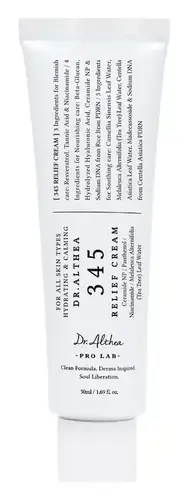
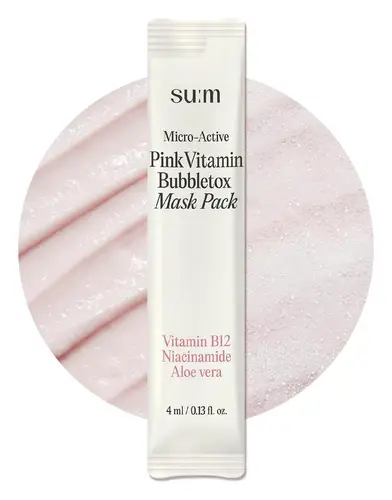
COSRX Red Rice Inositol Exfoliating Care Pore Peel Serum Versus Unleashia 2-Step Zero Pore Overnight Bubble Serum Mask
This serum is formulated around Inositol and Oryza Sativa Extract to hydrate and soften signs of aging.
This pore-care overnight mask is formulated around Lactic Acid and Niacinamide to refine the look of pores and refine skin texture.

What's inside
What's inside
 Key Ingredients
Benefits
Concerns
Ingredients Side-by-side
Water
Skin ConditioningDipropylene Glycol
HumectantTripropylene Glycol
Antioxidant
Cellulose
Absorbent
Propanediol
Solvent

Glycerin
Humectant
Carbomer
Emulsion StabilisingSteartrimonium Methosulfate
Oryza Sativa Seed Water
Antimicrobial
Isopropyl Alcohol
Solvent




Saccharide Isomerate
Humectant
Hydroxyacetophenone
Antioxidant
Glycereth-25 PCA Isostearate
Emulsifying
1,2-Hexanediol
Skin Conditioning
Caprylyl Glycol
Emollient
Cetyl Ethylhexanoate
EmollientEthylhexyl Palmitate
Emollient

Squalane
Emollient
Inositol
Humectant
Butylene Glycol
Humectant
Hydrogenated Lecithin
Emulsifying
Hydrolyzed Jojoba Esters
Skin Conditioning
Ethylhexylglycerin
Skin ConditioningCaprylic/Capric Triglyceride
Masking
Sodium Hyaluronate
Humectant
Sodium Phytate
ChelatingCyanocobalamin
Skin ConditioningCoptis Japonica Root Extract
Skin ConditioningCitric Acid
Buffering

Sodium Citrate
BufferingHydroxypropyltrimonium Hyaluronate
Dipotassium Glycyrrhizate
Humectant
Oryza Sativa Extract
Absorbent
Hydrolyzed Hyaluronic Acid
Humectant
Sodium Acetylated Hyaluronate
Humectant
Panthenol
Skin Conditioning
Gluconolactone
Chelating



Niacinamide
Smoothing
Hyaluronic Acid
Humectant
Glycolic Acid
Buffering
Phytic Acid
Chelating
Hydrolyzed Sodium Hyaluronate
Skin Conditioning
Sodium Hyaluronate Crosspolymer
Humectant
Tocopherol
Antioxidant
Salicylic Acid
Masking

Ceramide NP
Skin Conditioning
Betaine
Humectant
Tromethamine
BufferingWater, Dipropylene Glycol, Tripropylene Glycol, Cellulose, Propanediol, Glycerin, Carbomer, Steartrimonium Methosulfate, Oryza Sativa Seed Water, Isopropyl Alcohol, Saccharide Isomerate, Hydroxyacetophenone, Glycereth-25 PCA Isostearate, 1,2-Hexanediol, Caprylyl Glycol, Cetyl Ethylhexanoate, Ethylhexyl Palmitate, Squalane, Inositol, Butylene Glycol, Hydrogenated Lecithin, Hydrolyzed Jojoba Esters, Ethylhexylglycerin, Caprylic/Capric Triglyceride, Sodium Hyaluronate, Sodium Phytate, Cyanocobalamin, Coptis Japonica Root Extract, Citric Acid, Sodium Citrate, Hydroxypropyltrimonium Hyaluronate, Dipotassium Glycyrrhizate, Oryza Sativa Extract, Hydrolyzed Hyaluronic Acid, Sodium Acetylated Hyaluronate, Panthenol, Gluconolactone, Niacinamide, Hyaluronic Acid, Glycolic Acid, Phytic Acid, Hydrolyzed Sodium Hyaluronate, Sodium Hyaluronate Crosspolymer, Tocopherol, Salicylic Acid, Ceramide NP, Betaine, Tromethamine
Water
Skin ConditioningLactic Acid
Buffering
Tromethamine
BufferingNiacinamide
Smoothing
Gluconolactone
Chelating
Dipropylene Glycol
HumectantC12-14 Alketh-12
Emulsifying1,2-Hexanediol
Skin Conditioning
Trehalose
Humectant
Panthenol
Skin Conditioning
Glyceryl Glucoside
Humectant
Tripropylene Glycol
Antioxidant
Glycerin
Humectant
Salicylic Acid
Masking
Ethylhexylglycerin
Skin ConditioningZinc PCA
Humectant
Sargassum Fulvellum Extract
Skin ConditioningUndaria Pinnatifida Extract
Skin ConditioningSpirulina Maxima Extract
SmoothingEctoin
Skin Conditioning
Ceramide NP
Skin Conditioning
Capryloyl Salicylic Acid
Exfoliating
Butylene Glycol
Humectant
Vitis Vinifera Fruit Extract
Skin ConditioningUlmus Davidiana Root Extract
Skin Conditioning
Pueraria Lobata Root Extract
HumectantPinus Palustris Leaf Extract
TonicOenothera Biennis Flower Extract
AstringentDiospyros Kaki Fruit Extract
Skin ConditioningCastanea Crenata Shell Extract
Skin ConditioningCamellia Sinensis Leaf Extract
Antimicrobial
Propanediol
Solvent
Glycereth-26
Humectant
Sodium Polyacryloyldimethyl Taurate
Emulsion StabilisingPullulan
Polyglycerin-3
Humectant
Methyl Gluceth-20
Humectant
Methyl Gluceth-10
EmulsifyingAmmonium Acryloyldimethyltaurate/Vp Copolymer
Coptis Japonica Extract
AntimicrobialGardenia Florida Fruit Extract
Skin ConditioningAllantoin
Skin Conditioning
Hydroxyethylcellulose
Emulsion StabilisingAdenosine
Skin Conditioning
Beta-Glucan
Skin Conditioning
Litsea Cubeba Fruit Oil
Masking


Water, Lactic Acid, Tromethamine, Niacinamide, Gluconolactone, Dipropylene Glycol, C12-14 Alketh-12, 1,2-Hexanediol, Trehalose, Panthenol, Glyceryl Glucoside, Tripropylene Glycol, Glycerin, Salicylic Acid, Ethylhexylglycerin, Zinc PCA, Sargassum Fulvellum Extract, Undaria Pinnatifida Extract, Spirulina Maxima Extract, Ectoin, Ceramide NP, Capryloyl Salicylic Acid, Butylene Glycol, Vitis Vinifera Fruit Extract, Ulmus Davidiana Root Extract, Pueraria Lobata Root Extract, Pinus Palustris Leaf Extract, Oenothera Biennis Flower Extract, Diospyros Kaki Fruit Extract, Castanea Crenata Shell Extract, Camellia Sinensis Leaf Extract, Propanediol, Glycereth-26, Sodium Polyacryloyldimethyl Taurate, Pullulan, Polyglycerin-3, Methyl Gluceth-20, Methyl Gluceth-10, Ammonium Acryloyldimethyltaurate/Vp Copolymer, Coptis Japonica Extract, Gardenia Florida Fruit Extract, Allantoin, Hydroxyethylcellulose, Adenosine, Beta-Glucan, Litsea Cubeba Fruit Oil
Ingredients Explained
These ingredients are found in both products.
Ingredients higher up in an ingredient list are typically present in a larger amount.
1,2-Hexanediol is a synthetic liquid and another multi-functional powerhouse.
It is a:
- Humectant, drawing moisture into the skin
- Emollient, helping to soften skin
- Solvent, dispersing and stabilizing formulas
- Preservative booster, enhancing the antimicrobial activity of other preservatives
Butylene Glycol (or BG) is used within cosmetic products for a few different reasons:
Overall, Butylene Glycol is a safe and well-rounded ingredient that works well with other ingredients.
Though this ingredient works well with most skin types, some people with sensitive skin may experience a reaction such as allergic rashes, closed comedones, or itchiness.
Learn more about Butylene GlycolCeramide NP (formerly known as Ceramide 3) is one of the skin's naturally occurring lipids.
Since ceramides are the major lipid components of the skin, they are crucial for maintaining skin barrier and hydration. Ceramide NP most closely mirrors the dominant kind in human skin amongst ceramide subtypes.
This ceramide works by slotting into gaps within the stratum corneum's lipid matrix to limit trans-epidermal water loss (TEWL) and shield the skin against external irritants.
A study with 312 patients found that using a ceramide-containing routine for 4 weeks reduced the severity of atopic dermatitis by over 61%.
Another clinical study in subjects aged 60 and older found that a ceramide body wash and moisturizer improved skin dryness and itchy skin in 15 days.
Overall, ceramides are considered non-irritating and safety tests have found little to no observable adverse effects from using this ingredient.
Ceramide NP is usually sourced from plants (like soybean or rice bran), or produced synthetically.
Learn more about Ceramide NPDipropylene Glycol is a synthetically created humectant, stabilizer, and solvent.
This ingredient helps:
Dipropylene glycol is technically an alcohol, but it belongs to the glycol family (often considered part of the ‘good’ alcohols). This means it is hydrating and gentle on skin unlike drying solvent alcohols like denatured alcohol.
As a masking agent, Dipropylene Glycol can be used to cover the smell of other ingredients. However, it does not have a scent.
Studies show Dipropylene Glycol is considered safe to use in skincare.
Learn more about Dipropylene GlycolEthylhexylglycerin is created from glycerin. It is a multitasker ingredient that:
The CIR Expert Panel found minimal skin absorption or sensitization of any kind in a safety assessment. Though this ingredient is considered well-tolerated, a small number of cases of allergic dermatitis have been published since 2002. Just be sure to patch test if you are unsure.
Industry-reported use ranges from 8% in rinse-off products and 2% in leave-on formulations.
Learn more about EthylhexylglycerinGluconolactone is a PHA. PHAs are a great gentle alternative to traditional AHAs.
When applied, Gluconolactone has the same affect on skin as AHAs such as lactic acid. It helps dissolve the dead skin cells in the top layer of your skin. This improves texture and brightens the skin.
PHAs are more gentle than AHAs due to their larger structure. They do not penetrate as deeply as AHAs and take a longer time to dissolve dead cells. Studies show PHAs do not cause as much irritation.
Gluconolactone has some interesting properties:
In a 2004 study, Gluconolactone was found to prevent UV damage in mouse skin cells and has not been found to increase sun sensitivity. However, we still recommend wearing SPF daily.
This ingredient is is an created by reacting gluconic acid with an alcohol.
Learn more about GluconolactoneGlycerin (or glycerol) is a compound naturally found in your skin. It's a powerhouse humectant that pulls water into the stratum corneum.
Topically, glycerin does several things at once:
Your skin makes glycerin on its own (mostly from sebaceous oil breakdown) and shuttles it to your outermost layer of skin, or your epidermis, via aquaporin-3.
Aquaporin-3 is a transporter that is essential for normal skin hydration, elasticity, and repair. Interestingly, mice lacking in AQP3 have dry and less elastic skin that can be fully corrected with glycerin.
This ingredient is non-irritating, plays well with almost every ingredient, and works across all skin types. Typical use is anywhere between 3-10% but can go up to 79% in some leave-on products.
Just know very high concentrations (>40%) can feel tacky in low humidity.
Glycerin is the name for this ingredient in American English. British English uses Glycerol/Glycerine.
Learn more about GlycerinNiacinamide is a multitasking form of vitamin B3 that strengthens the skin barrier, reduces pores and dark spots, regulates oil, and improves signs of aging.
And the best part? It's gentle and well-tolerated by most skin types, including sensitive and reactive skin.
You might have heard of "niacin flush", or the reddening of skin that causes itchiness. Niacinamide has not been found to cause this.
In very rare cases, some individuals may not be able to tolerate niacinamide at all or experience an allergic reaction to it.
If you are experiencing flaking, irritation, and dryness with this ingredient, be sure to double check all your products as this ingredient can be found in all categories of skincare.
When incorporating niacinamide into your routine, look out for concentration amounts. Typically, 5% niacinamide provides benefits such as fading dark spots. However, if you have sensitive skin, it is better to begin with a smaller concentration.
When you apply niacinamide to your skin, your body converts it into nicotinamide adenine dinucleotide (NAD). NAD is an essential coenzyme that is already found in your cells as "fuel" and powers countless biological processes.
In your skin, NAD helps repair cell damage, produce new healthy cells, support collagen production, strengthen the skin barrier, and fight environmental stressors (like UV and pollution).
Our natural NAD levels start to decline with age, leading to slower skin repair, visible aging, and a weaker skin barrier. By providing your skin niacinamide, you're recharging your skin's NAD levels. This leads to stronger, healthier, and younger looking skin.
Another name for vitamin B3 is nicotinamide. This vitamin is water-soluble and our bodies don't store it. We obtain Vitamin B3 from either food or skincare. Meat, fish, wheat, yeast, and leafy greens contain vitamin B3.
The type of niacinamide used in skincare is synthetically created.
Learn more about NiacinamidePanthenol is a common ingredient that helps hydrate and soothe the skin. It is found naturally in our skin and hair.
There are two forms of panthenol: D and L.
D-panthenol is also known as dexpanthenol. Most cosmetics use dexpanthenol or a mixture of D and L-panthenol.
Panthenol is famous due to its ability to go deeper into the skin's layers. Using this ingredient has numerous pros (and no cons):
Like hyaluronic acid, panthenol is a humectant. Humectants are able to bind and hold large amounts of water to keep skin hydrated.
This ingredient works well for wound healing. It works by increasing tissue in the wound and helps close open wounds.
Once oxidized, panthenol converts to pantothenic acid. Panthothenic acid is found in all living cells.
This ingredient is also referred to as pro-vitamin B5.
Learn more about PanthenolPropanediol is an all-star ingredient. It softens, hydrates, and smooths the skin.
It’s often used to:
Propanediol is not likely to cause sensitivity and considered safe to use. It is derived from corn or petroleum with a clear color and no scent.
Learn more about PropanediolSalicylic Acid (also known as beta hydroxy acid or BHA) is a well-known ingredient for treating skin that struggles with acne and clogged pores. It exfoliates both the skin's surface and deep within the pores to help clear out buildup, control oil, and reduce inflammation.
Unlike AHAs (alpha hydroxy acids), salicylic acid is oil-soluble. This allows it to penetrate into pores which makes it especially effective for treating blackheads and preventing future breakouts.
Salicylic acid is also known for its soothing properties. It has a similar structure to aspirin and can calm inflamed or irritated skin, making it a good option for acne-prone skin that is also sensitive.
Concentrations of 0.5-2% are recognized by the U.S. FDA as an over-the-counter topical acne product.
It can cause irritation and/or dryness if one's skin already has a compromised moisture barrier, so it's best to focus on repairing that before introducing this ingredient into your routine.
While salicylic acid does not increase sun sensitivity, it’s still important to wear sunscreen daily to protect your skin.
If you are looking for the ingredient called BHA or Butylated Hydroxyanisole, click here.
Learn more about Salicylic AcidTripropylene Glycol is an antioxidant.
Tromethamine (aka THAM) is a synthetic amino acid that shows up in skincare as a helper ingredient.
It functions as a pH adjuster to help neutralize acidic ingredients and set a formula's pH to the right spot.
This matters a lot because a lot of actives (like vitamin C) needs a specific pH to work well and feel comfortable on skin.
Concentration use ranges from 0.1-1.0% depending on the formula.
Learn more about TromethamineWater. It's the most common cosmetic ingredient of all. You'll usually see it at the top of ingredient lists, meaning that it makes up the largest part of the product.
So why is it so popular? Water most often acts as a solvent - this means that it helps dissolve other ingredients into the formulation.
You'll also recognize water as that liquid we all need to stay alive. If you see this, drink a glass of water. Remember to stay hydrated!
Learn more about Water