Cocokind Ceramide Barrier Serum Versus Herbivore Green Magic Cica + Ceramides Redness-Reducing Serum
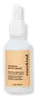
This barrier-repair serum is formulated around Aloe Barbadensis Leaf Juice and Beta-Glucan to strengthen the skin barrier and hydrate skin.
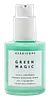
This calming serum is formulated around Centella Asiatica Leaf Extract and Ceramide NP to calm redness and strengthen the skin barrier.

What's inside
What's inside
 Key Ingredients
Benefits
Concerns
Ingredients Side-by-side
Aloe Barbadensis Leaf Juice
Skin Conditioning


Water
Skin ConditioningPropanediol
Solvent
Glycerin
Humectant
Simmondsia Chinensis Seed Oil
Emollient


Squalane
Emollient
Beta-Glucan
Skin Conditioning
Lysolecithin
EmulsifyingSclerotium Gum
Emulsion StabilisingPullulan
Xanthan Gum
EmulsifyingCeramide NP
Skin Conditioning
Ceramide Ns
Skin Conditioning
Ceramide AP
Skin Conditioning
Ceramide Eos
Skin Conditioning
Ceramide EOP
Skin Conditioning
Sodium Levulinate
Skin ConditioningSodium Anisate
AntimicrobialTocopherol
Antioxidant



Cetyl Alcohol
Emollient

Caprylyl Glycol
Emollient
Ceteareth-25
CleansingSilica
Abrasive


Caprooyl Phytosphingosine
Skin Conditioning
Caprooyl Sphingosine
Skin ConditioningCholesterol
Emollient
Helianthus Annuus Seed Oil
Emollient
Glyceryl Caprylate
EmollientPhenoxyethanol
Preservative
Sodium Benzoate
Masking
Ethylhexylglycerin
Skin Conditioning1,2-Hexanediol
Skin Conditioning
Citric Acid
Buffering
Behenic Acid
Cleansing
Aloe Barbadensis Leaf Juice, Water, Propanediol, Glycerin, Simmondsia Chinensis Seed Oil, Squalane, Beta-Glucan, Lysolecithin, Sclerotium Gum, Pullulan, Xanthan Gum, Ceramide NP, Ceramide Ns, Ceramide AP, Ceramide Eos, Ceramide EOP, Sodium Levulinate, Sodium Anisate, Tocopherol, Cetyl Alcohol, Caprylyl Glycol, Ceteareth-25, Silica, Caprooyl Phytosphingosine, Caprooyl Sphingosine, Cholesterol, Helianthus Annuus Seed Oil, Glyceryl Caprylate, Phenoxyethanol, Sodium Benzoate, Ethylhexylglycerin, 1,2-Hexanediol, Citric Acid, Behenic Acid
Water
Skin ConditioningPropanediol
Solvent
Caprylic/Capric Triglyceride
Masking
Simmondsia Chinensis Seed Oil
Emollient
Coco-Caprylate/Caprate
Emollient
Cetyl Stearate
Emollient
Centella Asiatica Leaf Extract
Skin Conditioning
Rosmarinus Officinalis Leaf Oil
Masking
PCA
Humectant
Glycine
Buffering
Alanine
Masking
Serine
Masking
Arginine
Masking
Glutamic Acid
Humectant
Lysine Hcl
Skin Conditioning
Threonine
Sodium PCA
Humectant
Sodium Lactate
Buffering
Proline
Skin Conditioning
Betaine
Humectant
Ceramide NP
Skin Conditioning
Ceramide AP
Skin Conditioning
Glycosphingolipids
EmollientTetraacetylphytosphingosine
Skin ConditioningCholesterol
Emollient
Pinus Cembra Wood Extract
Skin ConditioningPhaeodactylum Tricornutum Extract
HumectantAllantoin
Skin Conditioning
Hydrogenated Lecithin
Emulsifying
Salvia Hispanica Seed Oil
Emollient
Cannabis Sativa Seed Oil
Emollient
Borago Officinalis Seed Oil
Emollient

Eucalyptus Globulus Leaf Oil
Perfuming



Squalane
Emollient
Cetearyl Alcohol
Emollient
Coco-Glucoside
Cleansing
1,2-Hexanediol
Skin Conditioning
Polyacrylate Crosspolymer-6
Emulsion StabilisingMelia Azadirachta Leaf Extract
Skin ConditioningC9-12 Alkane
SolventTrisodium Ethylenediamine Disuccinate
ChelatingCaprylhydroxamic Acid
ChelatingTocopheryl Acetate
Antioxidant
Melia Azadirachta Flower Extract
Skin ConditioningAloe Barbadensis Leaf Juice
Skin Conditioning
Hyaluronic Acid
Humectant
Linoleic Acid
Cleansing
Linolenic Acid
Cleansing
Lecithin
Emollient
Glycerin
Humectant
Phenoxyethanol
Preservative
Glyceryl Stearate
Emollient
Sodium Ascorbate
Antioxidant

Stearic Acid
Cleansing
Tocopherol
Antioxidant
Pentylene Glycol
Skin Conditioning
Xanthan Gum
EmulsifyingAlcohol
Antimicrobial

Water, Propanediol, Caprylic/Capric Triglyceride, Simmondsia Chinensis Seed Oil, Coco-Caprylate/Caprate, Cetyl Stearate, Centella Asiatica Leaf Extract, Rosmarinus Officinalis Leaf Oil, PCA, Glycine, Alanine, Serine, Arginine, Glutamic Acid, Lysine Hcl, Threonine, Sodium PCA, Sodium Lactate, Proline, Betaine, Ceramide NP, Ceramide AP, Glycosphingolipids, Tetraacetylphytosphingosine, Cholesterol, Pinus Cembra Wood Extract, Phaeodactylum Tricornutum Extract, Allantoin, Hydrogenated Lecithin, Salvia Hispanica Seed Oil, Cannabis Sativa Seed Oil, Borago Officinalis Seed Oil, Eucalyptus Globulus Leaf Oil, Squalane, Cetearyl Alcohol, Coco-Glucoside, 1,2-Hexanediol, Polyacrylate Crosspolymer-6, Melia Azadirachta Leaf Extract, C9-12 Alkane, Trisodium Ethylenediamine Disuccinate, Caprylhydroxamic Acid, Tocopheryl Acetate, Melia Azadirachta Flower Extract, Aloe Barbadensis Leaf Juice, Hyaluronic Acid, Linoleic Acid, Linolenic Acid, Lecithin, Glycerin, Phenoxyethanol, Glyceryl Stearate, Sodium Ascorbate, Stearic Acid, Tocopherol, Pentylene Glycol, Xanthan Gum, Alcohol
Reviews
Ingredients Explained
These ingredients are found in both products.
Ingredients higher up in an ingredient list are typically present in a larger amount.
1,2-Hexanediol is a synthetic liquid and another multi-functional powerhouse.
It is a:
- Humectant, drawing moisture into the skin
- Emollient, helping to soften skin
- Solvent, dispersing and stabilizing formulas
- Preservative booster, enhancing the antimicrobial activity of other preservatives
Aloe Barbadensis Leaf Juice is the filtered, stabilized liquid pressed from the inner gel of the aloe vera leaf.
In cosmetics, it shows up as either soothing active or a water-replacement base. It is roughly 98-99% water and the last 1-2% is an interesting mix of polysaccharides, amino acids, vitamins, minerals, and enzymes.
The polysaccharides do most of the work: they bind water at the skin surface for a light, non-greasy hydration boost. And one of the polysaccharides, glycomannan, is linked to fibroblast stimulation + collagen synthesis. This is also why aloe has such a long track record in wound and burn healing.
This ingredient is also calming with anti-inflammatory and mild antimicrobial activity, making it a great pick for sensitive, irritated, or post-sun skin.
Realistic expectations matter though; the solid evidence is mostly limited to hydration, soothing, and wound support. Deeper claims about anti-aging or sun protection are not well backed, and science reviews note it does not prevent radiation-induced skin injury.
Because it plays well with almost everything, it's commonly used as a base alongside other actives like niacinamide or vitamin C.
Typical usage concentrations range from 0.5% (where hydration benefits already show up) all the way to 90%+ (where it replaces water as the main base).
The safety for this ingredient is well-establish as well. Overall, this is a great supporting ingredient for those who want a boost in hydration.
Learn more about Aloe Barbadensis Leaf JuiceCeramide AP is is a skin-identical lipid that mimics what your skin already makes naturally. Ceramides help maintain epidermal integrity and barrier function.
You'll often see this ingredient paired with other ceramides (like ceramide NP), cholesterol, or fatty acids because this combination best mimics the natural lipid mix your skin already has.
The skin's ability to produce ceramides gets disrupted in skin conditions like eczema. This in turn weakens the skin barrier and applying ceramides topically has been shown to replenish what's been lost to restore barrier function.
Most of the studies with Ceramide AP test it as part of a multi-ceramide complex; studies reinforce ceramide AP's role in rebalancing ceramides in skin and improving skin hydration.
Learn more about Ceramide APCeramide NP (formerly known as Ceramide 3) is one of the skin's naturally occurring lipids.
Since ceramides are the major lipid components of the skin, they are crucial for maintaining skin barrier and hydration. Ceramide NP most closely mirrors the dominant kind in human skin amongst ceramide subtypes.
This ceramide works by slotting into gaps within the stratum corneum's lipid matrix to limit trans-epidermal water loss (TEWL) and shield the skin against external irritants.
A study with 312 patients found that using a ceramide-containing routine for 4 weeks reduced the severity of atopic dermatitis by over 61%.
Another clinical study in subjects aged 60 and older found that a ceramide body wash and moisturizer improved skin dryness and itchy skin in 15 days.
Overall, ceramides are considered non-irritating and safety tests have found little to no observable adverse effects from using this ingredient.
Ceramide NP is usually sourced from plants (like soybean or rice bran), or produced synthetically.
Learn more about Ceramide NPCholesterol is a lipid that is naturally found in human skin and is one of the three key components of your skin barrier. In skincare, it is an emollient and barrier-repairing ingredient.
It works by fitting directly into the lipid layers of skin to help restore structure and reduce transepidermal water loss (TEWL).
This is a great ingredient for dry, compromised, or aging skin; our skin starts to produce less cholesterol with age.
Research shows cholesterol works best in combination with ceramides and fatty acids, the other two major components in your skin barrier.
Cholesterol is also a well-establish penetration enhancer and can help other actives absorb more effectively.
Cosmetic-grade cholesterol is usually derived from lanolin but plant and synthetic options also exist. We recommend reaching out to the brand if you have questions about their source of cholesterol.
Learn more about CholesterolGlycerin (or glycerol) is a compound naturally found in your skin. It's a powerhouse humectant that pulls water into the stratum corneum.
Topically, glycerin does several things at once:
Your skin makes glycerin on its own (mostly from sebaceous oil breakdown) and shuttles it to your outermost layer of skin, or your epidermis, via aquaporin-3.
Aquaporin-3 is a transporter that is essential for normal skin hydration, elasticity, and repair. Interestingly, mice lacking in AQP3 have dry and less elastic skin that can be fully corrected with glycerin.
This ingredient is non-irritating, plays well with almost every ingredient, and works across all skin types. Typical use is anywhere between 3-10% but can go up to 79% in some leave-on products.
Just know very high concentrations (>40%) can feel tacky in low humidity.
Glycerin is the name for this ingredient in American English. British English uses Glycerol/Glycerine.
Learn more about GlycerinPhenoxyethanol is one of the most widely used preservatives in skincare (and for good reason!).
It has a large spectrum of antimicrobial activity and especially effective bacteria, yeast, and mold while only having a weak effect on your skin's natural microbiome.
On a cellular level, it disrupts the cell membranes of microbes by poking holes that make the cell leak. This shuts down the chemical reactions the microbe needs to make energy so it can no longer survive.
Another perk of this ingredient is that it stays functional across a wide pH range (3-10).
You'll often see it paired with boosters like Ethylhexylglycerin; one study showed that a 1:9 ratio of Ethylhexylglycerin to Phenoxyethanol damages bacterial membranes as effectively as doubling the Phenoxyethanol concentration on its own.
Typical use concentrations range from 0.3-1% depending on the formula, and this ingredient is capped at 1% int the EU.
Safety-wise, the fear mongering does not hold up to the evidence. The EU's Scientific Committee on Consumer Safety and FDA consider it safe as a preservative at up to 1%, including for children of all ages.
Adverse systemic effects only showed up in animal studies at exposures roughly 200x higher than what people get from cosmetics. And despite its very widespread use, this ingredient is a rare sensitizer and allergic reactions are uncommon.
Learn more about PhenoxyethanolPropanediol is an all-star ingredient. It softens, hydrates, and smooths the skin.
It’s often used to:
Propanediol is not likely to cause sensitivity and considered safe to use. It is derived from corn or petroleum with a clear color and no scent.
Learn more about PropanediolJojoba oil is one of the most well-studied plant-derived ingredients in cosmetics. It is an emollient with a special structure.
Because it is made up of 97-98% wax esters, it closely mirrors the linear monoesters found in human sebum. This makes it skin compatible, non-greasy, and lightweight.
Unlike other plant oils, jojoba wax doesn't easily penetrate skin. It mostly works in the uppermost layers as an emollient. This just means it forms a light barrier on the skin to help retain moisture.
Formulations with jojoba esters up to 90% reduced transepidermal water loss (TEWL) and increased barrier recovery by 81% (outperforming bisabolol at 47%).
Besides barrier support, the science also suggests jojoba to have anti-inflammatory effects and potential applications for skin infections, aging, and wound healing.
Fun fact: Indigenous cultures have used jojoba as a moisturizer and to help treat burns for centuries.
Fungal acne: The Malassezia yeast is known to metabolize fatty acids in the C11-24 range and jojoba's dominant fatty acid components fall into this range. This ingredient may not be fungal acne safe.
Learn more about Simmondsia Chinensis Seed OilSqualane is the hydrogenated and shelf-stable form of squalene (a lipid that naturally occurs in human sebum).
It is an emollient and skin conditioning agent that is able to integrate seamlessly into the skin's lipid barrier without clogging pores.
This is due to how structurally similar it is to what your skin already produces.
Though it is mostly an emollient that helps soften and hydrate skin, it also has some humectant and occlusive action. Humectants help the skin retain moisture while occlusives seal it in, making squalane a triple-threat moisturizer.
Research shows it has antioxidant capabilities that help protect against stressors like UV exposure, specifically UVA induced oxidative stress. This study also found that it supports collagen biosynthesis in human dermal fibroblasts.
No clinical study has reported significant adverse effects and irritation reactions are very rare from this ingredient (even at 100% concentration).
Overall, it's a fantastic ingredient for hydration and is suitable for all skin types.
This depends on the source. Squalane can be derived from both plants and animals. Most squalane used in skincare comes from plants.
Please note: the source of squalane is only known if disclosed by the brand. We recommend reaching out to the brand if you have any questions about their squalane.
Read more about squalene with an "e".
Though squalane is often called an oil, it’s technically not one. It is a hydrocarbon, meaning it is only made of carbon and hydrogen. True oils are triglycerides and made of fatty acids and glycerol.
The term “oil-free” isn’t regulated so companies can define it however they want. Some exclude all oils, while others just avoid mineral oil or comedogenic oils.
Squalane has a comedogenic rating of 1 from the original 1972 study that tested raw ingredients under occlusion on rabbit ears. This system is not standardized or peer-reviewed, and using the raw ingredients is very different from how diluted cosmetic formulations are used on human skin.
A comedogenic rating of 1 means it is "unlikely to clog pores" according to the original rating system.
The overall formula of a product matters more than the individual ingredients on whether or not it will cause clogged pores.
Learn more about SqualaneTocopherol is a fat-soluble antioxidant known as Vitamin E.
You'll find this ingredient in the vast majority of skincare (for good reason). It works to neutralize free radicals, or unstable molecules generated by UV exposure, pollution, and other environmental stressors, before they can cause oxidative damage to your skin cells.
Topically applied tocopherol has been shown to protect against UV damage by ramping up the skin's own natural defense enzymes.
It also acts as a skin conditioning agent; some studies show that regular topical use can improve the skin's water-binding capacity over 2-4 weeks.
This ingredient is especially loved for being a team player. When combined with Vitamin C, the photoprotective effect of both ingredients roughly doubles and the combo also helps reduce UV-induced DNA damage.
This ingredient has some brightening potential but it's more of a prevention ingredient than spot-fader. Cell studies show it can slow down melanin production but it's worth noting that it's not the most powerful brightener out there.
In formulations, it also serves as a stabilizer that helps protect other oxidation-prone ingredients from degrading.
Concentrations usually range from 0.1-1% in most leave-on products.
Learn more about TocopherolWater. It's the most common cosmetic ingredient of all. You'll usually see it at the top of ingredient lists, meaning that it makes up the largest part of the product.
So why is it so popular? Water most often acts as a solvent - this means that it helps dissolve other ingredients into the formulation.
You'll also recognize water as that liquid we all need to stay alive. If you see this, drink a glass of water. Remember to stay hydrated!
Learn more about WaterXanthan gum is used as a stabilizer and thickener within cosmetic products. It helps give products a sticky, thick feeling - preventing them from being too runny.
On the technical side of things, xanthan gum is a polysaccharide - a combination consisting of multiple sugar molecules bonded together.
Xanthan gum is a pretty common and great ingredient. It is a natural, non-toxic, non-irritating ingredient that is also commonly used in food products.
Learn more about Xanthan Gum

