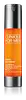
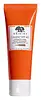
Clinique For Men Super Energizer Anti-Fatigue Hydrating Concentrate Broad Spectrum SPF 25 Versus Origins GinZing SPF40 Energy-Boosting Tinted Moisturizer
This brightening day moisturizer is formulated around Niacinamide and Sodium Hyaluronate to brighten dull-looking skin and hydrate skin.
This day moisturizer is formulated around Panax Ginseng Root Extract and Caffeine to hydrate skin.

What's inside
What's inside
 Key Ingredients
Benefits
Concerns
Ingredients Side-by-side
Water
Skin ConditioningEthylhexyl Salicylate
UV Absorber

Glycerin
Humectant


Neopentyl Glycol Diheptanoate
EmollientPolyester-8
Skin Conditioning
Butyl Methoxydibenzoylmethane
UV Absorber
Dimethicone
Emollient
Sorbitan Stearate
Emulsifying

Butyloctyl Salicylate
Skin Conditioning
Polysorbate 60
Emulsifying
Butylene Glycol
Humectant
Sodium Acrylates Copolymer
Niacinamide
Smoothing









Sodium Hyaluronate
Humectant
Acetyl Carnitine Hcl
Skin ConditioningCreatine
Skin ConditioningBrassica Oleracea Gemmifera Extract
AstringentVaccinium Angustifolium Fruit Extract
Skin Protecting
Brassica Oleracea Italica Extract
AstringentDaucus Carota Sativa Root Extract
Skin Conditioning
Brassica Oleracea Acephala Leaf Extract
HumectantSpinacia Oleracea Leaf Extract
Skin ConditioningAlbizia Julibrissin Bark Extract
MaskingCucumis Sativus Fruit Extract
Emollient
Vaccinium Macrocarpon Fruit Extract
AstringentPlankton Extract
Skin ConditioningLaminaria Saccharina Extract
Skin Protecting

Caffeine
Skin Conditioning
Adenosine Phosphate
Skin ConditioningSea Whip Extract
Skin ConditioningFaex Extract
Skin ConditioningSodium Rna
Skin ConditioningPhytic Acid
Chelating
Lactobacillus Ferment
Skin Conditioning
Algae Extract
Emollient
Hordeum Vulgare Extract
EmollientSilica
Abrasive
Resveratrol
Antioxidant
Cetyl Alcohol
Emollient

Tocopheryl Acetate
Antioxidant
Sigesbeckia Orientalis Extract
Skin ConditioningPentylene Glycol
Skin Conditioning
Trehalose
Humectant
Styrene/Acrylates Copolymer
Lecithin
Emollient
Helianthus Annuus Seedcake
Abrasive
Micrococcus Lysate
Skin ConditioningArabidopsis Thaliana Extract
Antioxidant
Biosaccharide Gum-4
Skin Conditioning
Ergothioneine
Antioxidant
Oryza Sativa Bran Extract
Skin Conditioning
Capryloyl Glycine
CleansingSalicylic Acid
Masking



Isohexadecane
EmollientPEG-8 Laurate
Emulsifying
Polysorbate 80
Emulsifying
Ethylhexylglycerin
Skin ConditioningPropylene Glycol Dicaprate
Emollient7-Dehydrocholesterol
Emulsion StabilisingPEG-100 Stearate
Surfactant
Acrylamide/Sodium Acryloyldimethyltaurate Copolymer
Emulsion StabilisingTetrahexyldecyl Ascorbate
Antioxidant
Propylene Glycol Caprylate
Skin ConditioningPolyethylene
Abrasive
Disodium EDTA
ChelatingBHT
Antioxidant
Phenoxyethanol
Preservative
Chlorphenesin
Antimicrobial
Mica
Cosmetic ColorantCI 77891
Cosmetic ColorantWater, Ethylhexyl Salicylate, Glycerin, Neopentyl Glycol Diheptanoate, Polyester-8, Butyl Methoxydibenzoylmethane, Dimethicone, Sorbitan Stearate, Butyloctyl Salicylate, Polysorbate 60, Butylene Glycol, Sodium Acrylates Copolymer, Niacinamide, Sodium Hyaluronate, Acetyl Carnitine Hcl, Creatine, Brassica Oleracea Gemmifera Extract, Vaccinium Angustifolium Fruit Extract, Brassica Oleracea Italica Extract, Daucus Carota Sativa Root Extract, Brassica Oleracea Acephala Leaf Extract, Spinacia Oleracea Leaf Extract, Albizia Julibrissin Bark Extract, Cucumis Sativus Fruit Extract, Vaccinium Macrocarpon Fruit Extract, Plankton Extract, Laminaria Saccharina Extract, Caffeine, Adenosine Phosphate, Sea Whip Extract, Faex Extract, Sodium Rna, Phytic Acid, Lactobacillus Ferment, Algae Extract, Hordeum Vulgare Extract, Silica, Resveratrol, Cetyl Alcohol, Tocopheryl Acetate, Sigesbeckia Orientalis Extract, Pentylene Glycol, Trehalose, Styrene/Acrylates Copolymer, Lecithin, Helianthus Annuus Seedcake, Micrococcus Lysate, Arabidopsis Thaliana Extract, Biosaccharide Gum-4, Ergothioneine, Oryza Sativa Bran Extract, Capryloyl Glycine, Salicylic Acid, Isohexadecane, PEG-8 Laurate, Polysorbate 80, Ethylhexylglycerin, Propylene Glycol Dicaprate, 7-Dehydrocholesterol, PEG-100 Stearate, Acrylamide/Sodium Acryloyldimethyltaurate Copolymer, Tetrahexyldecyl Ascorbate, Propylene Glycol Caprylate, Polyethylene, Disodium EDTA, BHT, Phenoxyethanol, Chlorphenesin, Mica, CI 77891
Ethylhexyl Methoxycinnamate 7.5%
UV Absorber
Ethylhexyl Salicylate 2%
UV Absorber
Octocrylene 2%
UV Absorber
Titanium Dioxide 3%
Cosmetic Colorant
Zinc Oxide 3%
Cosmetic Colorant
Water
Skin ConditioningButylene Glycol
Humectant
Cetyl Alcohol
Emollient
Neopentyl Glycol Diheptanoate
EmollientC12-15 Alkyl Benzoate
AntimicrobialDimethicone
Emollient
Laureth-4
Emulsifying
Polyethylene
Abrasive
PEG-100 Stearate
Surfactant
Hydrogenated Lecithin
Emulsifying
Citrus Limon Peel Oil
Masking



Citrus Grandis Peel Oil
Masking
Mentha Viridis Leaf Oil
Astringent
Citrus Aurantium Dulcis Peel Oil
Masking
Limonene
Perfuming
Linalool
Perfuming
Citral
Perfuming
Garcinia Mangostana Peel Extract
Skin ConditioningPanax Ginseng Root Extract
Emollient
Citrus Aurantium Amara Flower Wax
Castanea Sativa Seed Extract
Skin ConditioningPsidium Guajava Fruit Extract
AstringentCitrus Aurantium Amara Flower Water
MaskingLaminaria Saccharina Extract
Skin Protecting
Triticum Vulgare Germ Extract
Skin ConditioningAdenosine Phosphate
Skin ConditioningPantethine
EmollientCreatine
Skin ConditioningHordeum Vulgare Extract
EmollientFolic Acid
Skin ConditioningTourmaline
Cordyceps Sinensis Extract
Antioxidant
Ethylhexylglycerin
Skin ConditioningAcetyl Carnitine Hcl
Skin ConditioningCaffeine
Skin Conditioning
Rhodochrosite
Skin ConditioningSodium Hyaluronate
Humectant
Isopropyl Myristate
Emollient
Hydroxyethyl Acrylate/Sodium Acryloyldimethyl Taurate Copolymer
Emulsion StabilisingTrehalose
Humectant
Polyglyceryl-3 Beeswax
Emulsifying
Vp/Hexadecene Copolymer
Squalane
Emollient
Caprylyl Glycol
Emollient
Tocopheryl Acetate
Antioxidant
Faex Extract
Skin ConditioningIsostearic Acid
Cleansing
Polymethyl Methacrylate
Dimethicone Silylate
Polyhydroxystearic Acid
Emulsifying
Magnesium Ascorbyl Phosphate
Antioxidant
Nylon-12
Xanthan Gum
EmulsifyingHexylene Glycol
EmulsifyingPolysorbate 60
Emulsifying
Silica
Abrasive
BHT
Antioxidant
Phenoxyethanol
Preservative
CI 77491
Cosmetic ColorantCI 77492
Cosmetic ColorantCI 77499
Cosmetic ColorantCI 77891
Cosmetic ColorantEthylhexyl Methoxycinnamate 7.5%, Ethylhexyl Salicylate 2%, Octocrylene 2%, Titanium Dioxide 3%, Zinc Oxide 3%, Water, Butylene Glycol, Cetyl Alcohol, Neopentyl Glycol Diheptanoate, C12-15 Alkyl Benzoate, Dimethicone, Laureth-4, Polyethylene, PEG-100 Stearate, Hydrogenated Lecithin, Citrus Limon Peel Oil, Citrus Grandis Peel Oil, Mentha Viridis Leaf Oil, Citrus Aurantium Dulcis Peel Oil, Limonene, Linalool, Citral, Garcinia Mangostana Peel Extract, Panax Ginseng Root Extract, Citrus Aurantium Amara Flower Wax, Castanea Sativa Seed Extract, Psidium Guajava Fruit Extract, Citrus Aurantium Amara Flower Water, Laminaria Saccharina Extract, Triticum Vulgare Germ Extract, Adenosine Phosphate, Pantethine, Creatine, Hordeum Vulgare Extract, Folic Acid, Tourmaline, Cordyceps Sinensis Extract, Ethylhexylglycerin, Acetyl Carnitine Hcl, Caffeine, Rhodochrosite, Sodium Hyaluronate, Isopropyl Myristate, Hydroxyethyl Acrylate/Sodium Acryloyldimethyl Taurate Copolymer, Trehalose, Polyglyceryl-3 Beeswax, Vp/Hexadecene Copolymer, Squalane, Caprylyl Glycol, Tocopheryl Acetate, Faex Extract, Isostearic Acid, Polymethyl Methacrylate, Dimethicone Silylate, Polyhydroxystearic Acid, Magnesium Ascorbyl Phosphate, Nylon-12, Xanthan Gum, Hexylene Glycol, Polysorbate 60, Silica, BHT, Phenoxyethanol, CI 77491, CI 77492, CI 77499, CI 77891
Reviews
Ingredients Explained
These ingredients are found in both products.
Ingredients higher up in an ingredient list are typically present in a larger amount.
Acetyl Carnitine Hcl is an antioxidant
Adenosine Phosphate is an antioxidant and helps soothe skin.
BHT is a synthetic antioxidant and preservative.
As an antioxidant, it helps your body fight off free-radicals. Free-radicals are molecules that may damage your skin cells.
As a preservative, it is used to stabilize products and prevent them from degrading. Specifically, BHT prevents degradation from oxidation.
The concerns related to BHT come from oral studies; this ingredient is currently allowed for use by both the FDA and EU.
However, it was recently restricted for use in the UK as of April 2024.
Learn more about BHTButylene Glycol (or BG) is used within cosmetic products for a few different reasons:
Overall, Butylene Glycol is a safe and well-rounded ingredient that works well with other ingredients.
Though this ingredient works well with most skin types, some people with sensitive skin may experience a reaction such as allergic rashes, closed comedones, or itchiness.
Learn more about Butylene GlycolCaffeine is a naturally occurring plant compound found in coffee beans, tea leaves, cocoa pods, and guarana.
As an antioxidant, caffeine protects your skin from free radical damage caused by UV exposure and envionrmnetal stressors.
Early research also shows that caffeine can help calm redness, soothe irritated skin, and support hair growth by stimulating microcirculation in the scalp.
You might have seen eye creams marketing caffeine as a depuffing ingredient. This is because it is a vasoconstrictor meaning it can temporarily constrict blood vessels, though clinical evidence for this specific use is still limited.
Most skincare products contain this ingredient at concentrations between 1-6%. It is able to penetrate skin easily regardless of skin type or thickness.
Just so you know, a very small number of case reports describe caffeine-induced allergy. This ingredient is generally well-tolerated, non-irritating, and non-sensitizing for the majority of people.
Learn more about CaffeineCetyl Alcohol is a fatty alcohol. Fatty Alcohols are most often used as an emollient or to thicken a product.
Its main roles are:
Though it has "alcohol" in the name, it is not related to denatured alcohol or ethyl alcohol.
The FDA allows products labeled "alcohol-free" to have fatty alcohols.
This ingredient may not be fungal acne safe. It is a primary fatty alcohol with a chain length above 12 carbons. A study from 2019 show Malassezia can feed on fatty alcohols in this range, so it may trigger fungal acne in those prone to it.
Learn more about Cetyl AlcoholCi 77891 is a white pigment from Titanium dioxide. It is naturally found in minerals such as rutile and ilmenite.
It's main function is to add a white color to cosmetics. It can also be mixed with other colors to create different shades.
Ci 77891 is commonly found in sunscreens due to its ability to block UV rays.
Learn more about CI 77891We don't have a description for Creatine yet.
Dimethicone is a type of synthetic silicone created from natural materials such as quartz. It is also known as polydimethylsiloxane.
What it does:
Dimethicone comes in different viscosities:
Depending on the viscosity, dimethicone has different properties.
Ingredients lists don't always show which type is used, so we recommend reaching out to the brand if you have questions about the viscosity.
This ingredient is unlikely to cause irritation because it does not get absorbed into skin. However, people with silicone allergies should be careful about using this ingredient.
Note: Dimethicone may contribute to pilling. This is because it is not oil or water soluble, so pilling may occur when layered with products. When mixed with heavy oils in a formula, the outcome is also quite greasy.
Learn more about DimethiconeEthylhexyl Salicylate (also called Octisalate or Octyl Salicylate) is an oil-soluble organic UV filter that's been used in sunscreen since the 1950's.
It absorbs UVB light in the 280-320 nm range with a peak absorbance around 306 nm.
You'll often see it paired with other UV filters to boost overall SPF because octisalate is a fairly week filter on its own.
The reason you'll see it so often is because it can help solubilize and stabilize the trickier filters like oxybenzone and avobenzone.
Unlike these filters, octisalate has pretty good photostability and doesn't create skin-damaging free radicals when exposed to sunlight.
The fatty-alcohol part of the molecule also gives it a light, emollient feel so it doubles as a nice texture enhancer.
Usage levels vary around the world:
Safety-wise, this ingredient has a pretty reassuring track record. The EU's Scientific Committee on Consumer Products (SCCP) found very low skin penetration in human skin tests and negative results for irritation, phototoxicity, and photoallergy.
The real-world allergy risk is pretty low too; a 2012 European study of 1,031 people recorded only 2 reactions to it (a rate of 0.19%).
You might have seen scary headlines about sunscreen getting into your blood.
In 2019, the FDA found that several chemical filters can absorb through the skin and show up in the bloodstream at small but measurable levels.
Here's the important part: these tiny levels are just a cutoff the FDA uses to decide which ingredients need more testing and doesn't mean anything harmful was found.
The researchers were clear that the results are no reason to stop wearing sunscreen.
Learn more about Ethylhexyl SalicylateEthylhexylglycerin is created from glycerin. It is a multitasker ingredient that:
The CIR Expert Panel found minimal skin absorption or sensitization of any kind in a safety assessment. Though this ingredient is considered well-tolerated, a small number of cases of allergic dermatitis have been published since 2002. Just be sure to patch test if you are unsure.
Industry-reported use ranges from 8% in rinse-off products and 2% in leave-on formulations.
Learn more about EthylhexylglycerinWe don't have a description for Faex Extract yet.
Hordeum Vulgare Extract is an extract of barley, the same grain used in beer and bread.
In skincare, it is a skin conditioning and hydrating agent. This ingredient contains polyphenols, vitamin E, and trace minerals like zinc, copper, and selenium that help neutralize free radicals behind oxidative skin stress.
Lab studies on human skin cells show it can support the skin barrier, boost cell survival, and speed repair after UV exposure.
The Cosmetic Ingredient Review Expert Panel has reviewed 16 barley-derived ingredients and concluded they're safe as used with the highest reported use concentration being 1.5% (in leave-on body/hand products).
Patch testing has also found it not to be a skin irritant or sensitizer at cosmetic levels.
However, barley is a recognized food allergen so people with a known barley/grain allergy should approach it cautiously.
Note: This ingredient is not gluten-free for those avoiding gluten for skin-contact reasons.
Learn more about Hordeum Vulgare ExtractThis ingredient comes from the brown algae called Laminaria saccharina (aka Saccharina latissima or sugar kelp).
What is it made up of?
Now the honest part:
The manufacturer sells this as an anti-seborrhoeic active that calms down oil production and refines the look of pores. This comes from supplier data and not published clinical trials so there is no randomized controlled trial on this ingredient for oiliness, acne, or anything else.
What does exist is one in-vitro study where the extract reduced melanin production in cultured cells + bumped up gluthatione (kind of promising for brightening, but petri dishes are not the same as skin).
The safety profile is the strongest part of this ingredient: human repeat insult patch tests on 50 people came back with zero sensitization. Patch testing at 8% and 16% also showed no irritation at all with only slight irritation when applied neat at 100%
Typical use levels are around 1-3% of the trade material.
You'll see algae listed as a 5/5 on a lot of pore-clogging charts and that number doesn't come from anywhere; it's not in the original rabbit-ear studies that most comedogenic ratings trace back to.
The reasoning behind the reputation is that seaweed is high in iodine and iodine can trigger acne-like breakouts when eaten. This traces back to a 1976 letter in Archives of Dermatology describing two women whose breakouts cleared after they stopped taking high-dose kelp supplements orally.
And the reaction of these two women wasn't clogged pores at all: it was an iodine-triggered pustular rash. Later research found normal dietary iodine doesn't meaningfully affect acne either and nobody has shown topical algae delivers enough iodine to matter.
What we do have is dozens of brown and red algae ingredients found to be non-irritating and non-sensitizing, and a handful of studies that found algae compounds may actually help acne.
However, plenty of people do report breaking out from algae-containing products. Skin is individual and it's worth avoiding if yours has reacted to algae before.
Learn more about Laminaria Saccharina ExtractNeopentyl Glycol Diheptanoate is a lightweight synthetic emollient that also helps improve how a product feels and spreads.
In a formula, it's a workhorse that:
The Cosmetic Ingredient Review panel has concluded this ingredient to be safe in cosmetics and found to be a non-ocular (eye) irritant at 100% in rabbits.
Usage levels vary depending on product type; industry surveys report it around 2.2% in baby products, 19.5% in hair sprays, and 1-20% in skincare.
Learn more about Neopentyl Glycol DiheptanoatePeg-100 Stearate is an emollient and emulsifier. As an emollient, it helps keep skin soft by trapping moisture in. On the other hand, emulsifiers help prevent oil and water from separating in a product.
PEGS are a hydrophilic polyether compound . There are 100 ethylene oxide monomers in Peg-100 Stearate. Peg-100 Stearate is polyethylene glycol ester of stearic acid.
Phenoxyethanol is one of the most widely used preservatives in skincare (and for good reason!).
It has a large spectrum of antimicrobial activity and especially effective bacteria, yeast, and mold while only having a weak effect on your skin's natural microbiome.
On a cellular level, it disrupts the cell membranes of microbes by poking holes that make the cell leak. This shuts down the chemical reactions the microbe needs to make energy so it can no longer survive.
Another perk of this ingredient is that it stays functional across a wide pH range (3-10).
You'll often see it paired with boosters like Ethylhexylglycerin; one study showed that a 1:9 ratio of Ethylhexylglycerin to Phenoxyethanol damages bacterial membranes as effectively as doubling the Phenoxyethanol concentration on its own.
Typical use concentrations range from 0.3-1% depending on the formula, and this ingredient is capped at 1% int the EU.
Safety-wise, the fear mongering does not hold up to the evidence. The EU's Scientific Committee on Consumer Safety and FDA consider it safe as a preservative at up to 1%, including for children of all ages.
Adverse systemic effects only showed up in animal studies at exposures roughly 200x higher than what people get from cosmetics. And despite its very widespread use, this ingredient is a rare sensitizer and allergic reactions are uncommon.
Learn more about PhenoxyethanolPolyethylene is a synthetic ingredient that helps the skin retain moisture. It is a polymer.
It is also typically used within product formulations to help bind solid ingredients together and thicken oil-based ingredients. When added to balms and emulsions, it helps increase the melting point temperature.
Polysorbate 60 is used to help stabilize products. It is a surfactant and emulsifier. These properties help keep ingredients together in a product. Surfactants help reduce surface tension between ingredients with different states, such as liquids and solids. Emulsifiers help prevent oils and waters from separating.
Polysorbate 60 is sorbitol-based and created from the ethoxylation of sorbitan. Ethoxylation is a chemical reaction used to add ethylene oxide. Sorbitan is a the dehydrated version of sorbitol, a sugar found in fruits.
In this case, the 60 comes from reacting 60 units of ethylene oxide with sorbitan.
Polysorbates are commonly used in medicine and foods.
Learn more about Polysorbate 60Silica, also known as silicon dioxide, is a naturally occurring mineral. It is used as a fine, spherical, and porous powder in cosmetics.
Though it has exfoliant properties, the function of silica varies depending on the product.
The unique structure of silica enhances the spreadability and adds smoothness, making it a great texture enhancer.
It is also used as an active carrier, emulsifier, and mattifier due to its ability to absorb excess oil.
In some products, tiny microneedles called spicules are made from silica or hydrolyzed sponge. When you rub them in, they lightly polish away dead skin layers and enhance the penetration of active ingredients.
Learn more about SilicaSodium Hyaluronate is the salt form of hyaluronic acid. It is a long sugar chain that is naturally found in your skin, joints, and connective tissue that maintains hydration and elasticity.
In skincare, it works as a humectant. It pulls water from the environment and deeper layers of skin and binds it to the surface.
Interestingly, the size of the molecule affects its behavior:
Some clinical evidence links low molecular weight versions to improved wrinkle depth, elasticity, anti-inflammatory effects, and barrier repair.
Many serums use a blend of both weights so you can get surface hydration plus longer-lasting and deeper effects.
You'll typically see concentrations between 0.1-2% for this ingredient.
Learn more about Sodium HyaluronateTocopheryl Acetate is a stable, shelf-friendly form of vitamin E.
Formulators love it because plain vitamin E oxidizes quickly once it hits air. This acetate version stays stable and resists going off, helping to extend a product's shelf life.
It's actually inactive on its own and works like a slow-release "storage" form; the enzymes in your skin called esterases gradually convert it into active vitamin E over time.
One in vivo study showed 5% of the acetate in the living layer of the epidermis converted to vitamin E after 5 days of application. This study also found the skin gained protection against UV damage even though the conversion was slow and small.
Once converted, vitamin E acts as a skin's main fat-soluble antioxidant that fights free radicals to protect skin from damage.
Topical vitamin E generally boosts the skin's photoprotection, and it reduced UV-damage in animal models.
This ingredient has some brightening potential but it's more of a prevention ingredient than spot-fader. Cell studies show it can slow down melanin production but it's worth noting that it's not the most powerful brightener out there.
Overall, it has a pretty solid safety profile and has been found to be non-irritating and non-comedogenic. Allergic reactions may happen but stay rare due to how widely the ingredient gets used.
The concentration will vary depending on the formula; industry data shows 0.1% in baby lotions, 3% in lipsticks, and 5% in foot powders. You can also find this ingredient at 100% in a pure vitamin E oil.
Most leave-on skincare keeps it at the lower end, often between 0.5-1%.
Learn more about Tocopheryl AcetateTrehalose is a disaccharide made of two glucose molecules (glucose is sugar!). Trehalose is used to help moisturize skin. It also has antioxidant properties.
As a humectant, trehalose helps draw moisture from the air to your skin. This helps keep your skin hydrated.
Due to its antioxidant properties, trehalose may help with signs of aging. Antioxidants help fight free-radical molecules, unstable molecules that may damage your skin.
In medicine, trehalose and hyaluronic acid are used to help treat dry eyes.
Some animals, plants, and bacteria create trehalose as a source of energy to survive freeze or lack of water.
Learn more about TrehaloseWater. It's the most common cosmetic ingredient of all. You'll usually see it at the top of ingredient lists, meaning that it makes up the largest part of the product.
So why is it so popular? Water most often acts as a solvent - this means that it helps dissolve other ingredients into the formulation.
You'll also recognize water as that liquid we all need to stay alive. If you see this, drink a glass of water. Remember to stay hydrated!
Learn more about Water

