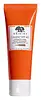
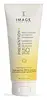
Origins GinZing SPF40 Energy-Boosting Tinted Moisturizer Versus IMAGE skincare Prevention+ Daily Ultimate Protection Moisturizer SPF 50
This day moisturizer is formulated around Panax Ginseng Root Extract and Caffeine to hydrate skin.
This sunscreen offers SPF 50 protection with a matte finish that helps control shine.

What's inside
What's inside
 Key Ingredients
Benefits
Concerns
Ingredients Side-by-side
Ethylhexyl Methoxycinnamate 7.5%
UV Absorber


Ethylhexyl Salicylate 2%
UV Absorber
Octocrylene 2%
UV Absorber
Titanium Dioxide 3%
Cosmetic Colorant
Zinc Oxide 3%
Cosmetic Colorant
Water
Skin ConditioningButylene Glycol
Humectant

Cetyl Alcohol
Emollient



Neopentyl Glycol Diheptanoate
EmollientC12-15 Alkyl Benzoate
AntimicrobialDimethicone
Emollient

Laureth-4
Emulsifying
Polyethylene
Abrasive
PEG-100 Stearate
Surfactant
Hydrogenated Lecithin
Emulsifying
Citrus Limon Peel Oil
Masking




Citrus Grandis Peel Oil
Masking
Mentha Viridis Leaf Oil
Astringent
Citrus Aurantium Dulcis Peel Oil
Masking
Limonene
Perfuming
Linalool
Perfuming
Citral
Perfuming
Garcinia Mangostana Peel Extract
Skin ConditioningPanax Ginseng Root Extract
Emollient

Citrus Aurantium Amara Flower Wax
Castanea Sativa Seed Extract
Skin ConditioningPsidium Guajava Fruit Extract
AstringentCitrus Aurantium Amara Flower Water
MaskingLaminaria Saccharina Extract
Skin Protecting
Triticum Vulgare Germ Extract
Skin ConditioningAdenosine Phosphate
Skin ConditioningPantethine
EmollientCreatine
Skin ConditioningHordeum Vulgare Extract
EmollientFolic Acid
Skin ConditioningTourmaline
Cordyceps Sinensis Extract
Antioxidant
Ethylhexylglycerin
Skin ConditioningAcetyl Carnitine Hcl
Skin ConditioningCaffeine
Skin Conditioning
Rhodochrosite
Skin ConditioningSodium Hyaluronate
Humectant
Isopropyl Myristate
Emollient
Hydroxyethyl Acrylate/Sodium Acryloyldimethyl Taurate Copolymer
Emulsion StabilisingTrehalose
Humectant
Polyglyceryl-3 Beeswax
Emulsifying
Vp/Hexadecene Copolymer
Squalane
Emollient
Caprylyl Glycol
Emollient
Tocopheryl Acetate
Antioxidant

Faex Extract
Skin ConditioningIsostearic Acid
Cleansing
Polymethyl Methacrylate
Dimethicone Silylate
Polyhydroxystearic Acid
Emulsifying
Magnesium Ascorbyl Phosphate
Antioxidant


Nylon-12
Xanthan Gum
EmulsifyingHexylene Glycol
EmulsifyingPolysorbate 60
Emulsifying
Silica
Abrasive
BHT
Antioxidant
Phenoxyethanol
Preservative
CI 77491
Cosmetic ColorantCI 77492
Cosmetic ColorantCI 77499
Cosmetic ColorantCI 77891
Cosmetic ColorantEthylhexyl Methoxycinnamate 7.5%, Ethylhexyl Salicylate 2%, Octocrylene 2%, Titanium Dioxide 3%, Zinc Oxide 3%, Water, Butylene Glycol, Cetyl Alcohol, Neopentyl Glycol Diheptanoate, C12-15 Alkyl Benzoate, Dimethicone, Laureth-4, Polyethylene, PEG-100 Stearate, Hydrogenated Lecithin, Citrus Limon Peel Oil, Citrus Grandis Peel Oil, Mentha Viridis Leaf Oil, Citrus Aurantium Dulcis Peel Oil, Limonene, Linalool, Citral, Garcinia Mangostana Peel Extract, Panax Ginseng Root Extract, Citrus Aurantium Amara Flower Wax, Castanea Sativa Seed Extract, Psidium Guajava Fruit Extract, Citrus Aurantium Amara Flower Water, Laminaria Saccharina Extract, Triticum Vulgare Germ Extract, Adenosine Phosphate, Pantethine, Creatine, Hordeum Vulgare Extract, Folic Acid, Tourmaline, Cordyceps Sinensis Extract, Ethylhexylglycerin, Acetyl Carnitine Hcl, Caffeine, Rhodochrosite, Sodium Hyaluronate, Isopropyl Myristate, Hydroxyethyl Acrylate/Sodium Acryloyldimethyl Taurate Copolymer, Trehalose, Polyglyceryl-3 Beeswax, Vp/Hexadecene Copolymer, Squalane, Caprylyl Glycol, Tocopheryl Acetate, Faex Extract, Isostearic Acid, Polymethyl Methacrylate, Dimethicone Silylate, Polyhydroxystearic Acid, Magnesium Ascorbyl Phosphate, Nylon-12, Xanthan Gum, Hexylene Glycol, Polysorbate 60, Silica, BHT, Phenoxyethanol, CI 77491, CI 77492, CI 77499, CI 77891
Water
Skin ConditioningCaprylic/Capric Triglyceride
Masking
Glycerin
Humectant
Cyclopentasiloxane
Emollient
Cetyl PEG/PPG-10/1 Dimethicone
Emulsifying
Thermus Thermophillus Ferment
Skin ConditioningPolyacrylate-13
Cetearyl Ethylhexanoate
Emollient
Phenoxyethanol
Preservative
Polyisobutene
Polyglyceryl-6 Polyricinoleate
Emulsifying
Lecithin
Emollient
Isostearic Acid
Cleansing
Polyglyceryl-3 Polyricinoleate
Emulsifying
Polyhydroxystearic Acid
Emulsifying
Sodium Chloride
MaskingCetearyl Dimethicone
Emollient
Marrubium Vulgare Extract
Skin ConditioningHelianthus Annuus Seed Oil
Emollient
Xanthan Gum
EmulsifyingPolyglyceryl-2 Isostearate
Emulsifying
Disteardimonium Hectorite
StabilisingPolysorbate 20
Emulsifying
Citrus Aurantium Dulcis Peel Oil
Masking
Limonene
Perfuming
Sorbitan Isostearate
Emulsifying
Ethylhexylglycerin
Skin ConditioningPanthenol
Skin Conditioning
Citrus Nobilis Peel Oil
Masking
Disodium EDTA
ChelatingSodium Hyaluronate
Humectant
Melanin
Skin ProtectingErythritol
Humectant
Citric Acid
Buffering
Vanilla Planifolia Fruit Extract
Skin Conditioning
Glucose
Humectant
Potassium Sorbate
Preservative
Hydrolyzed Pea Protein
EmollientTocopherol
Antioxidant
PEG-8/Smdi Copolymer
Tetrahexyldecyl Ascorbate
Antioxidant
Tocopheryl Acetate
Antioxidant
Barosma Betulina Leaf Oil
Perfuming
Sodium Benzoate
Masking
Homarine Hcl
Skin ConditioningPentaerythrityl Tetra-Di-T-Butyl Hydroxyhydrocinnamate
Antioxidant
Sodium Succinate
BufferingMalus Domestica Fruit Cell Culture Extract
Skin ConditioningArabidopsis Thaliana Extract
Antioxidant
Micrococcus Lysate
Skin ConditioningPlankton Extract
Skin ConditioningErgothioneine
Antioxidant
Water, Caprylic/Capric Triglyceride, Glycerin, Cyclopentasiloxane, Cetyl PEG/PPG-10/1 Dimethicone, Thermus Thermophillus Ferment, Polyacrylate-13, Cetearyl Ethylhexanoate, Phenoxyethanol, Polyisobutene, Polyglyceryl-6 Polyricinoleate, Lecithin, Isostearic Acid, Polyglyceryl-3 Polyricinoleate, Polyhydroxystearic Acid, Sodium Chloride, Cetearyl Dimethicone, Marrubium Vulgare Extract, Helianthus Annuus Seed Oil, Xanthan Gum, Polyglyceryl-2 Isostearate, Disteardimonium Hectorite, Polysorbate 20, Citrus Aurantium Dulcis Peel Oil, Limonene, Sorbitan Isostearate, Ethylhexylglycerin, Panthenol, Citrus Nobilis Peel Oil, Disodium EDTA, Sodium Hyaluronate, Melanin, Erythritol, Citric Acid, Vanilla Planifolia Fruit Extract, Glucose, Potassium Sorbate, Hydrolyzed Pea Protein, Tocopherol, PEG-8/Smdi Copolymer, Tetrahexyldecyl Ascorbate, Tocopheryl Acetate, Barosma Betulina Leaf Oil, Sodium Benzoate, Homarine Hcl, Pentaerythrityl Tetra-Di-T-Butyl Hydroxyhydrocinnamate, Sodium Succinate, Malus Domestica Fruit Cell Culture Extract, Arabidopsis Thaliana Extract, Micrococcus Lysate, Plankton Extract, Ergothioneine
Reviews
Ingredients Explained
These ingredients are found in both products.
Ingredients higher up in an ingredient list are typically present in a larger amount.
Citrus Aurantium Dulcis Peel Oil is oil from the peel of an orange fruit.
Limonene and linalool make up the majority of oils from citrus peels. Limonene has a "citrus" fragrance. Citrus peels also contain flavonoids, which have anti-inflammatory properties.
Citrus peel is also a rich source of flavonoids. Flavonoids are natural antioxidants and help protect your skin against damage. Flavonoids are a group of compounds naturally found in vegetables and fruits.
The term 'fragrance' is not regulated in many countries. In many cases, it is up to the brand to define this term. For instance, many brands choose to label themselves as "fragrance-free" because they are not using synthetic fragrances. However, their products may still contain ingredients such as essential oils that are considered a fragrance.
Learn more about Citrus Aurantium Dulcis Peel OilEthylhexylglycerin is created from glycerin. It is a multitasker ingredient that:
The CIR Expert Panel found minimal skin absorption or sensitization of any kind in a safety assessment. Though this ingredient is considered well-tolerated, a small number of cases of allergic dermatitis have been published since 2002. Just be sure to patch test if you are unsure.
Industry-reported use ranges from 8% in rinse-off products and 2% in leave-on formulations.
Learn more about EthylhexylglycerinIsostearic Acid is a fatty acid and a structural cousin of stearic acid. It is an emulsifier.
The branched structure of this ingredient enhances fluidity and gives it a lighter, less greasy feel compared to other fatty acids. It helps improve texture and consistency because it prevents oil and water phases from separating.
This ingredient is sourced from plant-based oils like soybean or rapeseed.
Clinical studies found no signs of irritation from this ingredient.
Since Isostearic Acid is an 18-carbon fatty acid, it is in the range that Malassezia can feed on. This ingredient may not be fungal acne safe.
You might have seen sources that this ingredient is comedogenic. The original comedogenic testing on rabbit ear actually tested the ester, Isopropyl Isostearate and not Isostearic acid itself.
Any finished product with this ingredient won't automatically make you break out; it really comes down to concentration, formula, and your skin.
Because isostearic acid is a C18 fatty acid, this ingredient may not be fungal acne safe. The Malassezia yeast metabolizes fatty acids in the C11-24 range.
Learn more about Isostearic AcidLimonene is the compound that gives citrus peel its smell.
In skincare, it shows up as a standalone fragrance ingredient or as a natural compound of citrus and other essential oils.
You'll typically see this ingredient used in very small amounts; anything above 0.001% in a leave-on product or 0.01% in a rinse-off has to be named on the label in the EU. The citrus oils that carry it sit around 0.5-1% in a finished formula.
Fresh limonene is a weak allergen; the real issue is that it slowly reacts with air and then breaks down from oxidation to create hydroperoxides (which are strong sensitizers). This is why suppliers are required to keep the peroxide value below 20 mmol.
Positive reactions in people being investigated for eczema vary:
It's worth skipping if you have a known fragrance allergy or a compromised barrier, but the risk is low for most people.
Older or long-opened products are also more likely to bother you than fresh ones due to oxidation.
Learn more about LimonenePhenoxyethanol is one of the most widely used preservatives in skincare (and for good reason!).
It has a large spectrum of antimicrobial activity and especially effective bacteria, yeast, and mold while only having a weak effect on your skin's natural microbiome.
On a cellular level, it disrupts the cell membranes of microbes by poking holes that make the cell leak. This shuts down the chemical reactions the microbe needs to make energy so it can no longer survive.
Another perk of this ingredient is that it stays functional across a wide pH range (3-10).
You'll often see it paired with boosters like Ethylhexylglycerin; one study showed that a 1:9 ratio of Ethylhexylglycerin to Phenoxyethanol damages bacterial membranes as effectively as doubling the Phenoxyethanol concentration on its own.
Typical use concentrations range from 0.3-1% depending on the formula, and this ingredient is capped at 1% int the EU.
Safety-wise, the fear mongering does not hold up to the evidence. The EU's Scientific Committee on Consumer Safety and FDA consider it safe as a preservative at up to 1%, including for children of all ages.
Adverse systemic effects only showed up in animal studies at exposures roughly 200x higher than what people get from cosmetics. And despite its very widespread use, this ingredient is a rare sensitizer and allergic reactions are uncommon.
Learn more about PhenoxyethanolPolyhydroxystearic Acid is a vegetable-derived soft wax made from castor oil. It's an emulsion stabilizer, thickener, and film former.
You'll likely see it in sunscreens because it helps disperse pigments and UV-reflecting minerals like titanium dioxide and zinc oxide evenly.
Depending on the concentration, it can drastically change the texture of a product from pasty solid (like lipstick) to sprayable liquid.
The CIR Expert Panel for Cosmetic Ingredient Safety has concluded this ingredient to be safe in cosmetics. The highest reported use concentration is 14.2% in lipsticks.
Learn more about Polyhydroxystearic AcidSodium Hyaluronate is the salt form of hyaluronic acid. It is a long sugar chain that is naturally found in your skin, joints, and connective tissue that maintains hydration and elasticity.
In skincare, it works as a humectant. It pulls water from the environment and deeper layers of skin and binds it to the surface.
Interestingly, the size of the molecule affects its behavior:
Some clinical evidence links low molecular weight versions to improved wrinkle depth, elasticity, anti-inflammatory effects, and barrier repair.
Many serums use a blend of both weights so you can get surface hydration plus longer-lasting and deeper effects.
You'll typically see concentrations between 0.1-2% for this ingredient.
Learn more about Sodium HyaluronateTocopheryl Acetate is a stable, shelf-friendly form of vitamin E.
Formulators love it because plain vitamin E oxidizes quickly once it hits air. This acetate version stays stable and resists going off, helping to extend a product's shelf life.
It's actually inactive on its own and works like a slow-release "storage" form; the enzymes in your skin called esterases gradually convert it into active vitamin E over time.
One in vivo study showed 5% of the acetate in the living layer of the epidermis converted to vitamin E after 5 days of application. This study also found the skin gained protection against UV damage even though the conversion was slow and small.
Once converted, vitamin E acts as a skin's main fat-soluble antioxidant that fights free radicals to protect skin from damage.
Topical vitamin E generally boosts the skin's photoprotection, and it reduced UV-damage in animal models.
This ingredient has some brightening potential but it's more of a prevention ingredient than spot-fader. Cell studies show it can slow down melanin production but it's worth noting that it's not the most powerful brightener out there.
Overall, it has a pretty solid safety profile and has been found to be non-irritating and non-comedogenic. Allergic reactions may happen but stay rare due to how widely the ingredient gets used.
The concentration will vary depending on the formula; industry data shows 0.1% in baby lotions, 3% in lipsticks, and 5% in foot powders. You can also find this ingredient at 100% in a pure vitamin E oil.
Most leave-on skincare keeps it at the lower end, often between 0.5-1%.
Learn more about Tocopheryl AcetateWater. It's the most common cosmetic ingredient of all. You'll usually see it at the top of ingredient lists, meaning that it makes up the largest part of the product.
So why is it so popular? Water most often acts as a solvent - this means that it helps dissolve other ingredients into the formulation.
You'll also recognize water as that liquid we all need to stay alive. If you see this, drink a glass of water. Remember to stay hydrated!
Learn more about WaterXanthan gum is used as a stabilizer and thickener within cosmetic products. It helps give products a sticky, thick feeling - preventing them from being too runny.
On the technical side of things, xanthan gum is a polysaccharide - a combination consisting of multiple sugar molecules bonded together.
Xanthan gum is a pretty common and great ingredient. It is a natural, non-toxic, non-irritating ingredient that is also commonly used in food products.
Learn more about Xanthan Gum

