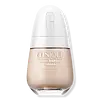
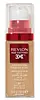
Clinique Even Better Clinical Serum Foundation Broad Spectrum SPF 25 Versus Revlon Age Defying 3X Foundation SPF 20


What's inside
What's inside
 Key Ingredients
Benefits
Concerns
Ingredients Side-by-side
Titanium Dioxide 2.4%
Cosmetic Colorant

Zinc Oxide 5.9%
Cosmetic Colorant
Dimethicone
Emollient

Water
Skin ConditioningPEG-10 Dimethicone
Skin Conditioning
Butylene Glycol
Humectant

Vinyl Dimethicone/Methicone Silsesquioxane Crosspolymer
Phenyl Trimethicone
Skin Conditioning
Isododecane
EmollientButyloctyl Salicylate
Skin Conditioning
Isodecyl Isononanoate
EmollientLauryl PEG-9 Polydimethylsiloxyethyl Dimethicone
Skin Conditioning
Alcohol Denat.
Antimicrobial




Dimethicone/Vinyl Dimethicone Crosspolymer
Skin Conditioning
Hydrated Silica
Abrasive
Ascorbyl Glucoside
Antioxidant



Tetrahexyldecyl Ascorbate
Antioxidant


Magnesium Ascorbyl Phosphate
Antioxidant
Sodium Hyaluronate
Humectant
Tocopheryl Acetate
Antioxidant
Laminaria Saccharina Extract
Skin Protecting
Polygala Senega Root Extract
RefreshingBerberis Vulgaris Fruit Extract
EmollientNymphaea Alba Root Extract
Skin ConditioningCamellia Sinensis Leaf Extract
Antimicrobial
Salvia Hispanica Seed Extract
Emollient
Molasses Extract
Skin ConditioningDimethoxytolyl Propylresorcinol
Antioxidant
Caffeine
Skin Conditioning
Niacinamide
Smoothing


Salicylic Acid
Masking

Linoleic Acid
Cleansing
Tocopherol
Antioxidant
Lactoperoxidase
StabilisingGlucose Oxidase
StabilisingLactobacillus Ferment
Skin Conditioning
Glycyrrhetinic Acid
Skin Conditioning
Cholesterol
Emollient
Jojoba Esters
Emollient
Glucose
Humectant
Polysilicone-11
Laureth-7
EmulsifyingTrimethylsiloxysilicate
Emollient
Sorbitan Sesquioleate
Emulsifying
Lecithin
Emollient
Xanthan Gum
EmulsifyingSilica
Abrasive
Caprylyl Glycol
Emollient
Dimethicone/PEG-10/15 Crosspolymer
Disteardimonium Hectorite
StabilisingTriethoxycaprylylsilane
Alumina
Abrasive
Propylene Carbonate
SolventDipropylene Glycol
HumectantSodium Chloride
MaskingSodium Hydroxide
BufferingCitric Acid
Buffering
Potassium Phosphate
BufferingTetrasodium EDTA
ChelatingSodium Citrate
BufferingPotassium Sorbate
Preservative
Phenoxyethanol
Preservative
Mica
Cosmetic ColorantCI 77891
Cosmetic ColorantCI 77491
Cosmetic ColorantCI 77492
Cosmetic ColorantCI 77499
Cosmetic ColorantTitanium Dioxide 2.4%, Zinc Oxide 5.9%, Dimethicone, Water, PEG-10 Dimethicone, Butylene Glycol, Vinyl Dimethicone/Methicone Silsesquioxane Crosspolymer, Phenyl Trimethicone, Isododecane, Butyloctyl Salicylate, Isodecyl Isononanoate, Lauryl PEG-9 Polydimethylsiloxyethyl Dimethicone, Alcohol Denat., Dimethicone/Vinyl Dimethicone Crosspolymer, Hydrated Silica, Ascorbyl Glucoside, Tetrahexyldecyl Ascorbate, Magnesium Ascorbyl Phosphate, Sodium Hyaluronate, Tocopheryl Acetate, Laminaria Saccharina Extract, Polygala Senega Root Extract, Berberis Vulgaris Fruit Extract, Nymphaea Alba Root Extract, Camellia Sinensis Leaf Extract, Salvia Hispanica Seed Extract, Molasses Extract, Dimethoxytolyl Propylresorcinol, Caffeine, Niacinamide, Salicylic Acid, Linoleic Acid, Tocopherol, Lactoperoxidase, Glucose Oxidase, Lactobacillus Ferment, Glycyrrhetinic Acid, Cholesterol, Jojoba Esters, Glucose, Polysilicone-11, Laureth-7, Trimethylsiloxysilicate, Sorbitan Sesquioleate, Lecithin, Xanthan Gum, Silica, Caprylyl Glycol, Dimethicone/PEG-10/15 Crosspolymer, Disteardimonium Hectorite, Triethoxycaprylylsilane, Alumina, Propylene Carbonate, Dipropylene Glycol, Sodium Chloride, Sodium Hydroxide, Citric Acid, Potassium Phosphate, Tetrasodium EDTA, Sodium Citrate, Potassium Sorbate, Phenoxyethanol, Mica, CI 77891, CI 77491, CI 77492, CI 77499
Water
Skin ConditioningCyclopentasiloxane
Emollient
Dimethicone
Emollient
Titanium Dioxide
Cosmetic Colorant
Ethylhexyl Methoxycinnamate
UV Absorber
Phenyl Trimethicone
Skin Conditioning
Glycerin
Humectant
PEG-9 Polydimethylsiloxyethyl Dimethicone
Emulsifying
Boron Nitride
Absorbent
Trimethylsiloxysilicate
Emollient
Disteardimonium Hectorite
StabilisingDimethicone/PEG-10/15 Crosspolymer
Palmitoyl Tripeptide-5
Skin Conditioning
Acetyl Hexapeptide-8
Humectant
Niacinamide
Smoothing
Triolein
Skin Conditioning
Sodium Hyaluronate
Humectant
Lecithin
Emollient
Methyl Acetylglycyrrhetinoyl Hydroxyprolinate
Skin ConditioningPhytosteryl Canola Glycerides
Skin Conditioning
Hydrolyzed Glycosaminoglycans
HumectantAcetyl Hydroxyproline
EmollientGlycyrrhetinic Acid
Skin Conditioning
Tocopherol
Antioxidant
Sodium Ascorbyl Phosphate
Antioxidant
Tocopheryl Acetate
Antioxidant
Linoleic Acid
Cleansing
Pullulan
Sorbitol
Humectant
Trehalose
Humectant
Alumina
Abrasive
Silica
Abrasive
Laureth-7
EmulsifyingAcacia Senegal Gum
MaskingSodium Chloride
MaskingPolyglyceryl-3 Diisostearate
Emulsifying
Dimethicone Crosspolymer
Emulsion Stabilising
Methicone
Emollient
Xanthan Gum
EmulsifyingTriethoxycaprylylsilane
Calcium Aluminum Borosilicate
C12-15 Alkyl Benzoate
AntimicrobialSodium Citrate
BufferingDipropylene Glycol
HumectantStearic Acid
Cleansing
Palmitic Acid
Emollient
Oleic Acid
Emollient
Tetrasodium EDTA
ChelatingPotassium Sorbate
Preservative
Phenoxyethanol
Preservative
Caprylyl Glycol
Emollient
Mica
Cosmetic ColorantCI 77891
Cosmetic ColorantWater, Cyclopentasiloxane, Dimethicone, Titanium Dioxide, Ethylhexyl Methoxycinnamate, Phenyl Trimethicone, Glycerin, PEG-9 Polydimethylsiloxyethyl Dimethicone, Boron Nitride, Trimethylsiloxysilicate, Disteardimonium Hectorite, Dimethicone/PEG-10/15 Crosspolymer, Palmitoyl Tripeptide-5, Acetyl Hexapeptide-8, Niacinamide, Triolein, Sodium Hyaluronate, Lecithin, Methyl Acetylglycyrrhetinoyl Hydroxyprolinate, Phytosteryl Canola Glycerides, Hydrolyzed Glycosaminoglycans, Acetyl Hydroxyproline, Glycyrrhetinic Acid, Tocopherol, Sodium Ascorbyl Phosphate, Tocopheryl Acetate, Linoleic Acid, Pullulan, Sorbitol, Trehalose, Alumina, Silica, Laureth-7, Acacia Senegal Gum, Sodium Chloride, Polyglyceryl-3 Diisostearate, Dimethicone Crosspolymer, Methicone, Xanthan Gum, Triethoxycaprylylsilane, Calcium Aluminum Borosilicate, C12-15 Alkyl Benzoate, Sodium Citrate, Dipropylene Glycol, Stearic Acid, Palmitic Acid, Oleic Acid, Tetrasodium EDTA, Potassium Sorbate, Phenoxyethanol, Caprylyl Glycol, Mica, CI 77891
Reviews
Ingredients Explained
These ingredients are found in both products.
Ingredients higher up in an ingredient list are typically present in a larger amount.
Alumina (aka aluminum oxide) is an inorganic mineral powder refined from bauxite that works as a quiet workhorse in a formula.
It shows up often as an abrasive, absorbent, anticaking, bulking, and viscosity-controlling agent.
One of its most common jobs is acting as a pigment carrier and dispersant.
Alumina platelets are often blended with inorganic sunscreens like Titanium Dioxide (or with colorants) and then coated with a silicone such as Triethoxycaprylylsilane so the pigment spreads evenly and smoothly.
In makeup, it can also double as a light-diffusing powder or oil absorber to keep formulas from looking greasy.
The Cosmetic Ingredient Review Expert Panel has concluded alumina to be safe in present practices of use and concentration.
They note it's a stable, oxidized compound and scientific research has failed to establish links to health issues.
Concentrations vary depending on the product:
Learn more about AluminaCaprylyl Glycol is a humectant, skin conditioner, emollient, and preservative booster derived from either caprylic acid or synthetically created.
Typical use levels vary from 0.3-1% as a preservative booster and go up to 2% to condition skin.
Because it is not a free-fatty acid, this ingredient is fungal acne safe (there's nothing for Malassezia to feed on).
Learn more about Caprylyl GlycolCi 77891 is a white pigment from Titanium dioxide. It is naturally found in minerals such as rutile and ilmenite.
It's main function is to add a white color to cosmetics. It can also be mixed with other colors to create different shades.
Ci 77891 is commonly found in sunscreens due to its ability to block UV rays.
Learn more about CI 77891Dimethicone is a type of synthetic silicone created from natural materials such as quartz. It is also known as polydimethylsiloxane.
What it does:
Dimethicone comes in different viscosities:
Depending on the viscosity, dimethicone has different properties.
Ingredients lists don't always show which type is used, so we recommend reaching out to the brand if you have questions about the viscosity.
This ingredient is unlikely to cause irritation because it does not get absorbed into skin. However, people with silicone allergies should be careful about using this ingredient.
Note: Dimethicone may contribute to pilling. This is because it is not oil or water soluble, so pilling may occur when layered with products. When mixed with heavy oils in a formula, the outcome is also quite greasy.
Learn more about DimethiconeThis is a silicone-based ingredient that helps create a smooth, silky, "bouncy" texture. It also acts as an emulsifier that prevents ingredients from separating in a formula.
Due to its large molecule size and water-insolubility, this ingredient is unlikely to be absorbed into skin. Irritation and sensitization tests have found reactions to silicones are considered very rare.
You'll likely see this ingredient in leave-on products at concentrations of 0.03%-3%.
Learn more about Dimethicone/PEG-10/15 CrosspolymerDipropylene Glycol is a synthetically created humectant, stabilizer, and solvent.
This ingredient helps:
Dipropylene glycol is technically an alcohol, but it belongs to the glycol family (often considered part of the ‘good’ alcohols). This means it is hydrating and gentle on skin unlike drying solvent alcohols like denatured alcohol.
As a masking agent, Dipropylene Glycol can be used to cover the smell of other ingredients. However, it does not have a scent.
Studies show Dipropylene Glycol is considered safe to use in skincare.
Learn more about Dipropylene GlycolDisteardimonium Hectorite comes from the clay mineral named hectorite. It is used to add thickness to a product.
It can also help stabilize a product by helping to disperse other ingredients.
Hectorite is a rare, white clay mineral.
Learn more about Disteardimonium HectoriteGlycyrrhetinic acid is a compound found in licorice. It has skin conditioning, skin soothing, antibacterial, and antioxidant properties.
Not only is this a great ingredient for soothing inflammation, studies show this compound is effective at protecting skin against UV-B induced damage.
Fun fact: This ingredient is also used to mask the bitter taste of medicine.
Learn more about Glycyrrhetinic AcidLaureth-7 is created by the ethoxylation of lauryl alcohol using ethylene oxide. Lauryl alcohol is a fatty alcohol with hydrating properties.
This ingredient is an emulsifier and cleansing ingredient. As an emulsifier, it is used to prevent ingredients from separating. It also helps cleanse the skin by gathering dirt, oil, and pollutants to be rinsed away.
Lecithin is a term for a group of substances found in the cell membranes of plants, animals, and humans. They are made up of phospholipids.
Thanks to its amphiphilic structure (water-loving head and oil-loving tail), it is a true multitasker:
It plays well with most ingredients and is typically used at 0.1-1%. However, concentrations up to 50% have been reported in moisturizers.
Learn more about LecithinLinoleic Acid is also known as Vitamin F. It is a fatty acid with emollient and skin conditioning properties.
Our top layer of skin, or epidermis, naturally contains high amounts of linoleic acid.
Your body uses linoleic acid to build ceramides and prostaglandins. Ceramides keep your skin's barrier hydrated and strong while prosaglandins help control inflammation and healing.
Needless to say, linoleic acid is crucial for having a strong skin barrier.
One study found applying linoleic acid rich sunflower oil to be more effective at repairing the skin barrier than olive oil.
This ingredient can also help treat acne by softening sebum to prevent clogged pores. Another study found using 2.5% linoleic acid gel for 4 weeks showed a 25% reduction in small comedones.
Studies show it can also help lighten hyperpigmentation or sun spots by disrupting the melanin production process. It also helps your skin shed melanin pigment from your skin caused by UV exposure.
Due to its role in the production of the fatty acid prostaglandin, linoleic acid can also help reduce inflammation and support wound healing.
Fun fact: Linoleic acid is an essential fatty acid. This means our bodies cannot create it on its own and we need to get it through foods such as nuts and vegetable oils.
Just know this ingredient is not always fungal-acne safe because it is a long-chain fatty acid (with 18 carbon atoms) that directly feeds the Malassezia yeast responsible for fungal acne.
Learn more about Linoleic AcidMica is a naturally occurring mineral used to add shimmer and color in cosmetics. It can also help improve the texture of a product or give it an opaque, white/silver color.
Serecite is the name for very fine but ragged grains of mica.
This ingredient is often coated with metal oxides like titanium dioxide. Trace amounts of heavy metals may be found in mica, but these metals are not harmful in our personal products.
Mica has been used since prehistoric times throughout the world. Ancient Egyptian, Indian, Greek, Roman, Aztec, and Chinese civilizations have used mica.
Learn more about MicaNiacinamide is a multitasking form of vitamin B3 that strengthens the skin barrier, reduces pores and dark spots, regulates oil, and improves signs of aging.
And the best part? It's gentle and well-tolerated by most skin types, including sensitive and reactive skin.
You might have heard of "niacin flush", or the reddening of skin that causes itchiness. Niacinamide has not been found to cause this.
In very rare cases, some individuals may not be able to tolerate niacinamide at all or experience an allergic reaction to it.
If you are experiencing flaking, irritation, and dryness with this ingredient, be sure to double check all your products as this ingredient can be found in all categories of skincare.
When incorporating niacinamide into your routine, look out for concentration amounts. Typically, 5% niacinamide provides benefits such as fading dark spots. However, if you have sensitive skin, it is better to begin with a smaller concentration.
When you apply niacinamide to your skin, your body converts it into nicotinamide adenine dinucleotide (NAD). NAD is an essential coenzyme that is already found in your cells as "fuel" and powers countless biological processes.
In your skin, NAD helps repair cell damage, produce new healthy cells, support collagen production, strengthen the skin barrier, and fight environmental stressors (like UV and pollution).
Our natural NAD levels start to decline with age, leading to slower skin repair, visible aging, and a weaker skin barrier. By providing your skin niacinamide, you're recharging your skin's NAD levels. This leads to stronger, healthier, and younger looking skin.
Another name for vitamin B3 is nicotinamide. This vitamin is water-soluble and our bodies don't store it. We obtain Vitamin B3 from either food or skincare. Meat, fish, wheat, yeast, and leafy greens contain vitamin B3.
The type of niacinamide used in skincare is synthetically created.
Learn more about NiacinamidePhenoxyethanol is one of the most widely used preservatives in skincare (and for good reason!).
It has a large spectrum of antimicrobial activity and especially effective bacteria, yeast, and mold while only having a weak effect on your skin's natural microbiome.
On a cellular level, it disrupts the cell membranes of microbes by poking holes that make the cell leak. This shuts down the chemical reactions the microbe needs to make energy so it can no longer survive.
Another perk of this ingredient is that it stays functional across a wide pH range (3-10).
You'll often see it paired with boosters like Ethylhexylglycerin; one study showed that a 1:9 ratio of Ethylhexylglycerin to Phenoxyethanol damages bacterial membranes as effectively as doubling the Phenoxyethanol concentration on its own.
Typical use concentrations range from 0.3-1% depending on the formula, and this ingredient is capped at 1% int the EU.
Safety-wise, the fear mongering does not hold up to the evidence. The EU's Scientific Committee on Consumer Safety and FDA consider it safe as a preservative at up to 1%, including for children of all ages.
Adverse systemic effects only showed up in animal studies at exposures roughly 200x higher than what people get from cosmetics. And despite its very widespread use, this ingredient is a rare sensitizer and allergic reactions are uncommon.
Learn more about PhenoxyethanolPhenyl Trimethicone is a silicon-based polymer. It is derived from silica.
Phenyl Trimethicone is used as an emollient and prevents products from foaming.
As an emollient, it helps trap moisture in the skin. It is considered an occlusive.
Learn more about Phenyl TrimethiconePotassium Sorbate is a preservative used to prevent yeast and mold in products. It is commonly found in both cosmetic and food products.
This ingredient comes from potassium salt derived from sorbic acid. Sorbic acid is a natural antibiotic and effective against fungus.
Both potassium sorbate and sorbic acid can be found in baked goods, cheeses, dried meats, dried fruit, ice cream, pickles, wine, yogurt, and more.
You'll often find this ingredient used with other preservatives.
Learn more about Potassium SorbateSilica, also known as silicon dioxide, is a naturally occurring mineral. It is used as a fine, spherical, and porous powder in cosmetics.
Though it has exfoliant properties, the function of silica varies depending on the product.
The unique structure of silica enhances the spreadability and adds smoothness, making it a great texture enhancer.
It is also used as an active carrier, emulsifier, and mattifier due to its ability to absorb excess oil.
In some products, tiny microneedles called spicules are made from silica or hydrolyzed sponge. When you rub them in, they lightly polish away dead skin layers and enhance the penetration of active ingredients.
Learn more about SilicaChances are, you eat sodium chloride every day. Sodium Chloride is also known as table salt. This ingredient has many purposes in skincare: thickener, emulsifier, and exfoliator.
You'll most likely find this ingredient in cleansers where it is used to create a gel-like texture. As an emulsifier, it also prevents ingredients from separating.
You might see people debate whether Sodium Chloride is comedogenic, but there actually haven't been any comedogenic tests done on it. Either way, the overall formulation of a product matters a lot more than any single ingredient.
You might see this ingredient used in scrubs as a primary exfoliating ingredient.
Learn more about Sodium ChlorideSodium Citrate is the sodium salts of citric acid. In skincare, it is used to alter pH levels and acts as a preservative.
Its main functions are to maintain the pH of a product and neutralize metal ions.
The acidity of our skin is maintained by our glands and skin biome; normal pH level of skin is slightly acidic (~4.75-5.5).
Being slightly acidic allows our skin to create an "acid mantle". This acid mantle is a thin barrier that protects our skin from bacteria and contaminants.
Learn more about Sodium CitrateSodium Hyaluronate is the salt form of hyaluronic acid. It is a long sugar chain that is naturally found in your skin, joints, and connective tissue that maintains hydration and elasticity.
In skincare, it works as a humectant. It pulls water from the environment and deeper layers of skin and binds it to the surface.
Interestingly, the size of the molecule affects its behavior:
Some clinical evidence links low molecular weight versions to improved wrinkle depth, elasticity, anti-inflammatory effects, and barrier repair.
Many serums use a blend of both weights so you can get surface hydration plus longer-lasting and deeper effects.
You'll typically see concentrations between 0.1-2% for this ingredient.
Learn more about Sodium HyaluronateTetrasodium EDTA is the salt formed from neutralizing ethylenediamine tetraacetic acid with sodium hydroxide. It is a chelating agent and used to prevent metal ions from binding to other ingredients. This helps keep the product and ingredients stable.
Tetrasodium EDTA comes as a white solid and is soluble in water.
Titanium Dioxide (TD) is a mineral UV filter widely used in sunscreens and cosmetics.
It's one of only two UV filters officially classified as "mineral" by regulatory agencies (the other being Zinc Oxide).
A really common myth is that mineral filters work by reflecting UV light off your skin like tiny mirrors.
They don't only do that; modern research shows TD protects mostly by absorbing UV radiation, the same way chemical filters do.
When researchers measured this, reflection accounted for only about 4-5% of the protection (and less than SPF 2 on its own). The other ~95% comes from absorption: the UV photons hit the particle and their energy gets soaked up by its semiconductor band gap rather than bouncing off.
So "reflects vs. absorbs" was never really the right way to split mineral from chemical filters.
TD gives broad-spectrum protection that's strongest in the UVB and UVA-2 range and weaker in the UVA-1 range. Its UVA protection isn't quite as strong as Zinc Oxide's which is why you'll often see the two paired together.
Together, they make a solid broad-spectrum system.
TD is a great pick for sensitive, acne-prone, or redness-prone skin because it's non-irritating and chemically inert. Regulatory reviews classify it as a non-sensitizer and mild-to-non-irritant.
It's also unlikely to cause the "eye sting" some chemical filters are known for.
The main trade-off is cosmetic; TD can leave a white cast and has a thicker texture. This is why mineral sunscreens are often less cosmetically elegant than chemical or hybrid formulas (and harder to shade-match on deeper skin tones).
Formulators often use micronized or nano-sized TD to cut down on white case and improve spreadability. Smaller particles scatter less visible light so the formula looks less chalky while still filtering UV.
TD is almost always bundled with coatings like Alumina, Silica, Stearic Acid, or Dimethicone. These coatings do two important jobs:
TD can be used at up to 25% in a finished sunscreen; this is the regulatory ceiling in both the US and the EU.
In practice, the amount in any given product varies a lot depending on the target SPF and whether it's paired with other UV filters.
TD is one of the most heavily vetted sunscreen ingredients out there. It is approved as a UV filter in all major markets worldwide, including the US, EU, UK, Japan, Korea, China, Australia, and Canada.
The safety evidence is solid. There was an old worry that nano particles might absorb through skin into the body but multiple studies (including on damaged, sunburned, and UV-irradiated skin) have shown that TD stays on the surface and the layer of dead skin cells on top of everything else.
There's also no evidence of carcinogenicity, mutagenicity, or reproductive toxicity from dermal exposure of this ingredient.
For those who have seen the headline about a 2022 EU ban on TD, that was on TD as a food additive (a complete separate use from topical sunscreen).
There are ongoing questions about how nano-TD might affect marine ecosystems. As of now, there has been no conclusive evidence that any form of TD (or any other sunscreen filter) harms coral reefs or marine life.
The science is still developing and it's a space worth watching rather than packing over.
However, several destinations have reef-safety sunscreen rules that restrict certain chemical filters and steer visitors toward mineral, non-nano options. If you're traveling somewhere with these rules, a non-nano mineral sunscreen is the safe bet.
Learn more about Titanium DioxideTocopherol is a fat-soluble antioxidant known as Vitamin E.
You'll find this ingredient in the vast majority of skincare (for good reason). It works to neutralize free radicals, or unstable molecules generated by UV exposure, pollution, and other environmental stressors, before they can cause oxidative damage to your skin cells.
Topically applied tocopherol has been shown to protect against UV damage by ramping up the skin's own natural defense enzymes.
It also acts as a skin conditioning agent; some studies show that regular topical use can improve the skin's water-binding capacity over 2-4 weeks.
This ingredient is especially loved for being a team player. When combined with Vitamin C, the photoprotective effect of both ingredients roughly doubles and the combo also helps reduce UV-induced DNA damage.
This ingredient has some brightening potential but it's more of a prevention ingredient than spot-fader. Cell studies show it can slow down melanin production but it's worth noting that it's not the most powerful brightener out there.
In formulations, it also serves as a stabilizer that helps protect other oxidation-prone ingredients from degrading.
Concentrations usually range from 0.1-1% in most leave-on products.
Learn more about TocopherolTocopheryl Acetate is a stable, shelf-friendly form of vitamin E.
Formulators love it because plain vitamin E oxidizes quickly once it hits air. This acetate version stays stable and resists going off, helping to extend a product's shelf life.
It's actually inactive on its own and works like a slow-release "storage" form; the enzymes in your skin called esterases gradually convert it into active vitamin E over time.
One in vivo study showed 5% of the acetate in the living layer of the epidermis converted to vitamin E after 5 days of application. This study also found the skin gained protection against UV damage even though the conversion was slow and small.
Once converted, vitamin E acts as a skin's main fat-soluble antioxidant that fights free radicals to protect skin from damage.
Topical vitamin E generally boosts the skin's photoprotection, and it reduced UV-damage in animal models.
This ingredient has some brightening potential but it's more of a prevention ingredient than spot-fader. Cell studies show it can slow down melanin production but it's worth noting that it's not the most powerful brightener out there.
Overall, it has a pretty solid safety profile and has been found to be non-irritating and non-comedogenic. Allergic reactions may happen but stay rare due to how widely the ingredient gets used.
The concentration will vary depending on the formula; industry data shows 0.1% in baby lotions, 3% in lipsticks, and 5% in foot powders. You can also find this ingredient at 100% in a pure vitamin E oil.
Most leave-on skincare keeps it at the lower end, often between 0.5-1%.
Learn more about Tocopheryl AcetateTriethoxycaprylylsilane is a silicon-based surface modifier that makes sunscreens feel silky and makeup stay put.
Its main job is to coat mineral particles like titanium dioxide, zinc oxide, and color pigments in a thin, oily layer so they spread smoothly, don't clump, and stick to skin better.
This ingredient is typically used at low levels (up to 2.5% in eyeshadow and 1% in lipstick).
Learn more about TriethoxycaprylylsilaneThis silicone is an emollient. Emollients create a thin film on the skin to prevent moisture from escaping.
It is not soluble in water and helps increase water-resistance in products.
According to a manufacturer, it can blend seamlessly with silicone oils, such as Cyclopentasiloxane.
Learn more about TrimethylsiloxysilicateWater. It's the most common cosmetic ingredient of all. You'll usually see it at the top of ingredient lists, meaning that it makes up the largest part of the product.
So why is it so popular? Water most often acts as a solvent - this means that it helps dissolve other ingredients into the formulation.
You'll also recognize water as that liquid we all need to stay alive. If you see this, drink a glass of water. Remember to stay hydrated!
Learn more about WaterXanthan gum is used as a stabilizer and thickener within cosmetic products. It helps give products a sticky, thick feeling - preventing them from being too runny.
On the technical side of things, xanthan gum is a polysaccharide - a combination consisting of multiple sugar molecules bonded together.
Xanthan gum is a pretty common and great ingredient. It is a natural, non-toxic, non-irritating ingredient that is also commonly used in food products.
Learn more about Xanthan Gum

